The Baptism of the Lord (2026)

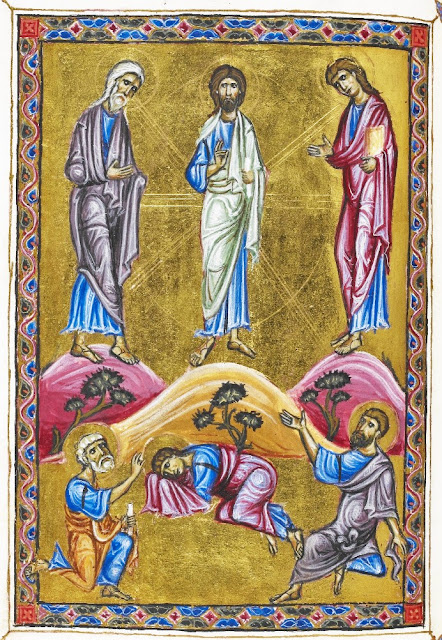
Byzantine fresco, Baptism of Christ, 15th century, wall painting, Church of the Archangel Michael, Pedoulas, Troodos Mountain (Cyprus)

At the Jordan River, God does something unsettling: He gets in line. Jesus approaches John not from above, not apart, but among those who come carrying repentance, confusion, and unfinished lives. John senses immediately that something is out of place—“I need to be baptized by you”—yet Jesus insists: “Allow it now.” There is no explanation, no defense, only obedience shaped by love. In this moment, God reveals not power, but proximity. This quiet descent into the water tells us who God truly is. He does not save from a safe distance. He enters what is heavy and human. Like the restrained solemnity of Bach’s Christ unser Herr zum Jordan kam, the scene unfolds without spectacle: grace moves downward, not upward, and redemption begins not with light from above but with feet immersed in the river. The Jordan carries the weight of human longing—and Christ wades into it fully. When Jesus rises from the water, the scene opens into mystery. The heavens are torn open, the Spirit descends like a dove, and the Father speaks. This is not a reward for achievement. It is a declaration of identity. Before any miracle, before any sermon, before the cross, Jesus is named: beloved Son. Christian life begins here—not with effort, but with being claimed. Gerard Manley Hopkins once wrote that Christ plays in a thousand places, “lovely in eyes and lovely in limbs not his.” The Baptism of the Lord shows us where that beauty begins: not in separation from human life, but in faithful presence within it. To “fulfill all righteousness” is not to appear flawless, but to stand where love is required. God steps into the water first. And in doing so, He teaches us where to stand as well AE

Johann Sebastian Bach’s Christ unser Herr zum Jordan kam is a chorale cantata written for the Feast of the Baptism of the Lord. Rather than dazzling with drama, the music moves with calm gravity and restraint, mirroring Christ’s quiet descent into the waters of the Jordan. The chorale reflects Luther’s theology of baptism as God’s action—not human achievement—where grace flows downward, meeting humanity in its need. Bach’s music teaches us how to listen to the Gospel of this feast: not as spectacle, but as reverent immersion into a mystery where God draws near and sanctifies the waters we fear to enter


St. Joseph Catholic Church (Dilley, TX) • Weekend Schedule

Fr. Agustin E. (Parish Administrator)

Saturday, January 10, 2026

5.00 p.m. Sacramento de la Confesión

6.00 p.m. Santa Misa.

Sunday, Junuary 11, 2026

8.00 a.m. Sacrament of Reconciliation

8.30 a.m. Holy Mass.

10.30 p.m. Sacrament of Reconciliation.

11.00 a.m. Holy Mass.


Fiesta del Bautismo del Señor (2026)

G. Baronzio, El Bautismo de Cristo (ca. 1335), National Gallery of Art, Washington, D.C.

En el Jordán ocurre algo desconcertante: Dios renuncia a la ventaja. Jesús no llega imponiéndose ni corrigiendo; llega mezclándose. Se coloca donde nadie querría ponerse si tuviera poder: en la fila de los que confiesan límites, culpas y esperas. Juan protesta, y su protesta es razonable. Jesús responde sin teoría: “Déjalo ahora”. Hay momentos en la fe en los que obedecer es más verdadero que explicar. El Evangelio no presenta un rito de purificación para Jesús, sino una opción. El Hijo decide habitar el lugar humano desde dentro. El agua del Jordán recoge temores, promesas incumplidas, hambre de sentido. Y ahí entra Cristo. No bendice desde la orilla: asume. Por eso, al salir del agua, no hay aplausos, hay revelación: el cielo se abre, el Espíritu desciende, el Padre nombra. Antes de hacer nada extraordinario, Jesús es llamado Hijo amado. La misión nace de la identidad, no al revés. San Román Melódico intuía esta inversión cuando cantaba que el río “tiembla” al tocar al Creador. No por miedo, sino por reconocimiento: lo que era frontera se vuelve camino. Y quizá por eso el Bautismo del Señor cierra la Navidad: porque nos enseña dónde empieza de verdad la vida cristiana. No en la perfección, sino en el consentimiento. No en escapar del mundo, sino en permanecer donde el amor hace falta. Quien se deja alcanzar por esta escena aprende algo decisivo: Dios no nos pide subir primero; Él baja. Y al hacerlo, santifica las aguas que atravesamos cada día. En el río Jordán no se inicia un espectáculo, sino una manera de estar. Allí comienza el estilo de Dios AE

Ecce adest Dominator Dominus es una antífona gregoriana propia del tiempo de la Epifanía, en la que la Iglesia anuncia con solemnidad que el Señor ya está presente. El texto no describe una acción, sino una revelación: el Dominador llega, no para imponerse, sino para manifestar su identidad. Escuchada en la fiesta del Bautismo del Señor, esta antífona adquiere un matiz particular: aquel que es proclamado soberano se presenta humildemente en el Jordán. El canto prepara el corazón para reconocer que la verdadera autoridad de Cristo no se muestra en el poder, sino en su decisión de entrar en nuestras aguas y inaugurar una forma nueva de reinar.



Lecturas para terminar el tiempo de Navidad


The Epiphany of the Lord (2026)

Sassetta (Stefano di Giovanni), Italian, The Journey of the Magi, ca. 1433, The Metropolitan Museum of Art.

Epiphany is not about exotic travelers, royal gifts, or distant geography. It is about God choosing to be found. The Magi were outsiders; they did not belong to Israel, did not know the Law or the Prophets, yet they were attentive to signs and willing to move when a light appeared. God met them where they were—not in a palace or among the powerful, but in a simple house, before a Child in His mother’s arms. Handel’s Messiah, especially the gentle radiance of “For unto us a Child is born,” captures this mystery beautifully: divine glory revealed not through force, but through a gift. Epiphany reminds us that God does not hide Himself from those who sincerely seek Him. He does not require perfect belief or precise language, only the courage to begin the journey and to follow the light given. The gifts of the Magi already announce the whole mystery: gold for a King, frankincense for God, myrrh for the One who will suffer. From the beginning, Christ reveals Himself as a King who does not dominate, a God who draws near, a Savior who will give His life. T. S. Eliot sensed this tension profoundly in Journey of the Magi, where the long road toward the Child already feels like the end of one world and the beginning of another. Epiphany, then, is not only about Christ being revealed to the nations, but about allowing ourselves to be changed by the encounter. The Gospel tells us that the Magi returned home “by another way.” Anyone who truly meets Christ always does • AE

Handel’s Messiah is not an opera and not a concert piece in the usual sense, but a biblical meditation set to music. Composed in 1741, it weaves together texts from Scripture to tell the story of salvation, from promise to fulfillment. “For unto us a Child is born” belongs to the section devoted to Christ’s birth, and its joyful clarity expresses a central Christian paradox: God’s glory is revealed not through power or spectacle, but through the gift of a Child


St. Joseph Catholic Church (Dilley, TX) • Weekend Schedule

Fr. Agustin E. (Parish Administrator)

Saturday, January 3, 2026

5.00 p.m. Sacramento de la Confesión

6.00 p.m. Santa Misa.

Sunday, January 4, 2026

8.00 a.m. Sacrament of Reconciliation

8.30 a.m. Holy Mass.

10.30 a.m. Sacrament of Reconciliation.

11.00 a.m. Holy Mass.


Solemnidad de la Epifanía del Señor (2026)

Autor anónimo, Adoración de los Magos, 1220, Códice de Bruchsal, Abadía de Bruchsal (Alemania).

La Epifanía nos habla de una luz que no deslumbra, sino que desplaza. No aparece donde muchos la esperarían ni confirma seguridades previas. Unos hombres venidos de lejos, atentos al cielo y dispuestos a caminar, llegan a Jerusalén y preguntan. Eso basta para poner todo en tensión. Dios no se manifiesta en el centro del poder, sino fuera de él, obligando a moverse, a salir, a buscar nuevamente. Algo de este desajuste santo se percibe en el Himno de las Vísperas de Epifanía“Hostis Herodes impie”— cuando canta que el reino que trae Cristo “no quita los reinos de la tierra, sino que da los celestiales”. La verdadera revelación no conquista ni aplasta; corrige la mirada y purifica los deseos. Por eso, los Magos no encuentran un trono, sino un Niño. No reciben instrucciones políticas, sino un silencio que interpela. Los dones que ofrecen son una confesión de fe anticipada: oro para el Rey verdadero, incienso para Dios presente, mirra para el cuerpo entregado. Todo queda dicho desde el inicio. Y, sin embargo, ese inicio exige una decisión. Benito Pérez Galdós supo poner palabras humanas a este misterio cuando escribió que hay verdades que solo se entienden “cuando el corazón se pone en pie y camina”. La Epifanía no se comprende desde la comodidad, sino desde el movimiento. Por eso el Evangelio concluye con una frase sencilla y decisiva: volvieron a su tierra por otro camino. Quien ha reconocido a Cristo ya no puede regresar igual. La Epifanía no solo revela quién es Dios; revela también el camino nuevo por el que el creyente está llamado a avanzar AE

Hostis Herodes impie es un himno muy antiguo de la Iglesia, cantado tradicionalmente en las Vísperas durante los días de la Epifanía. Nacido en los primeros siglos del cristianismo, tiene un tono sobrio y a la vez incisivo. El himno se dirige directamente al rey Herodes, no para insultarlo, sino para desenmascarar un malentendido profundo: el miedo a que la manifestación de Dios amenace el poder humano. El texto aclara que Cristo no viene a arrebatar reinos terrenos ni a imponer su dominio por la fuerza, sino a traer un Reino de otra naturaleza, un Reino que transforma el corazón y abre al hombre a lo eterno. Así, el himno se convierte en una verdadera catequesis de la Epifanía, enseñándonos a leer este misterio no como una historia de rivalidad o temor, sino como el gozo de descubrir un Reino que no compite con el mundo, porque viene de Dios


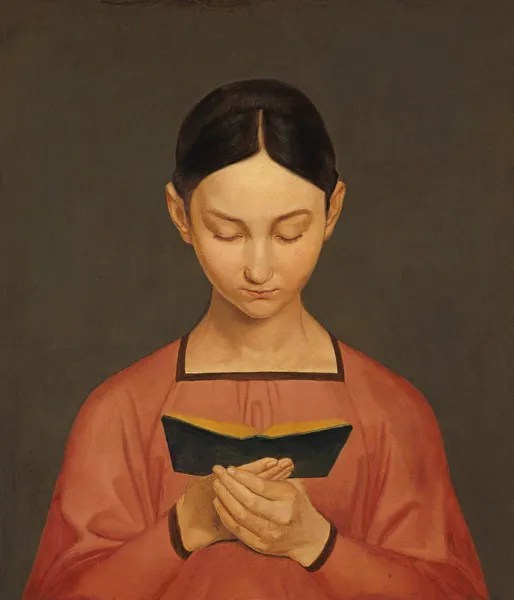
¿Qué lees?


Solemnity of Mary, the Holy Mother of God (2026)


Byzantine anonymous artist, Icon of the Virgin Nikopeia at the Altar of the Madonna (9th century), Tempera and enamel on wood, Church of St. Mark (Venice)

The year opens not with a declaration of power, but with a woman holding a Child—and that alone redefines everything. On the Solemnity of Mary, the Mother of God, the Gospel shows us a scene of holy contrast: the shepherds run to Bethlehem, speak what they have seen, and return glorifying God—while Mary does something entirely different, yet just as great: she keeps all these things and ponders them in her heart; the Church begins the year not with noise but with contemplation, reminding us that faith is not only to be announced, but also to be received slowly, interiorly, as God now speaks to us not through many voices but through one Son, carried first in the arms of a woman; this silent depth of Mary’s listening rises like a prayer in Ave maris stella, where the Church asks the Mother to guide her across the dark sea of the world, and it finds human words again in The Power of the Mother, which reflects on how God chose to enter history not only through strength, but through a woman’s yes, a mother’s tenderness, and a heart able to hold mystery without trying to control it; today we are reminded that Mary is Mother of God not because she explains Him, but because she receives Him, and by doing so, she teaches the Church how to carry Christ into a new year—not with anxiety, but with faith, memory, and quiet trust AE

Ave maris stella is one of the Church’s oldest Marian hymns, sung for centuries as a prayer to Mary as the Star of the Sea—the gentle light that guides believers through darkness toward Christ. When you hear it, you are listening to a melody that once rose from monastic night prayer and still carries the Church’s trust across time


St. Joseph Catholic Church (Dilley, TX) • Weekend Schedule

New Year’s Eve 2025.

6.00 p.m. Santa Misa.

New Year’s Day 2026

6.00 p.m. Holy Mass.


Solemnidad de María Santísima, Madre de Dios (2026)

Artista anónimo, La Virgen con el Niño (s. XIII), marfil, tesoro de la Catedral de Nuestra Señora de París (Francia)

El año no comienza con un decreto, ni con un proyecto, ni con una consigna: comienza con una mujer que sostiene un Niño. Y eso lo dice todo. En la solemnidad de Santa María, Madre de Dios, el Evangelio nos muestra un contraste luminoso: los pastores corren, cuentan lo que han visto, alaban a Dios… y María, en cambio, no corre ni habla; guarda, recoge, medita. Mientras el mundo se mueve con prisa, ella se mueve por dentro. Así empieza el tiempo nuevo: no con ruido, sino con una fe que sabe hacer silencio para que Dios hable. La carta a los Hebreos lo confirma con una claridad impresionante: antes Dios habló de muchas maneras, ahora nos ha hablado en un Hijo, y ese Hijo ha sido puesto primero en los brazos de una Madre. Por eso la Iglesia, desde hace siglos, se atreve a cantar en la Salve Regina no desde la seguridad, sino desde el camino, reconociéndose frágil, peregrina, necesitada de una Madre que la sostenga mientras atraviesa el mundo. Ya en el siglo XII, San Bernardo de Claraval lo expresó con una imagen inolvidable en su homilía Missus est: María es el punto exacto donde la eternidad toca la historia sin herirla, donde Dios entra en el tiempo sin romper la libertad humana. Hoy celebramos que María es Madre de Dios no porque lo explique, sino porque lo recibe, y al hacerlo, nos enseña cómo comenzar el año: no controlándolo todo, sino guardando a Cristo en el corazón, para que sea Él quien marque el paso. Y así, mientras el mundo inaugura el año contando metas, balances y promesas, la Iglesia lo inaugura con una Madre que guarda silencio y con un Dios que aprende a respirar en brazos humanos. No hay ruido de poder, solo el latido de un Niño y el corazón de una mujer que lo custodia para todos. Comenzar así el año es aceptar que la historia no se sostiene por nuestras prisas, sino por una presencia humilde que permanece. Y quien entra en el tiempo de este modo, sin imponerse, termina venciendo sin hacer ruido AE


The Nativity of the Lord (Christmas) 2025

Alexis Master, The Nativity in the St. Albans Psalter (1130) Tempera and gold on parchment, Dombibliothek Hildesheim (Germany)

On Christmas Day, the Church does not begin with a manger or with shepherds, but with an abyss of light: “In the beginning was the Word”—before stars, before time, before our longing, there was already a Voice, and that Voice was God; and then comes the sentence that changes everything: “The Word became flesh and made his dwelling among us,” meaning that God did not merely visit us, He chose to live inside our history, inside our fragility, inside our night, so that no darkness would ever again be without a companion; this quiet, overwhelming descent of God into the world rises with incandescent joy in Christmas Oratorio, where heaven does not whisper from afar but sings its way into human time, and it finds an unexpected echo in the conversion of the heart in A Christmas Carol, where light breaks into a life that had learned to call darkness normal; and perhaps no one expressed this mystery more simply than Dorothy Day when she wrote, “I’m so glad Jesus was born in a stable. Because my soul is so much like a stable. It’s poor and in unsatisfactory condition—yet I believe that if Jesus can be born in a stable, maybe he can also be born in me”; “To all who accepted Him, He gave power to become children of God”—this is the true miracle of Christmas, not sentiment, not nostalgia, but a change of identity: we are no longer only creatures in the dark, we are sons and daughters in the Light, and that Light has chosen, forever, to dwell with us AE

The Christmas Oratorio by Johann Sebastian Bach is not a nostalgic museum piece—it is a living proclamation of the Incarnation in sound. Written in 1734 for the Christmas season, it does not escape into sentimentality; it announces, with clarity and strength, that God has entered real human history. It remains deeply relevant today because it speaks to the same hunger for meaning, light, and redemption that we still carry: whenever the world feels noisy, fractured, or tired, this music insists—joyfully and unapologetically—that God is with us, now as truly as on the first Christmas


St. Joseph Catholic Church (Dilley, TX) • Christmas Schedule

The Nativity of the Lord (Christmas Eve)

Wed. December 24 • 6:00 p.m. Mass

The Nativity of the Lord (Christmas Day)

Thu. December 25 • 11:00 a.m. Mass


La Natividad del Señor (2025)

Bruce Hixson Smith, Natividad, tinta pigmentada de archivo sobre papel, colección particular.

Todos necesitamos alguna vez poder decir: “lo he visto con mis propios ojos”. Eso mismo proclama hoy la liturgia de la Iglesia en el salmo responsorial: que la salvación no es una idea, ni un consuelo interior solamente, sino algo que ha llegado a ser visible en la historia. “Toda la tierra ha visto al Salvador” no es una frase piadosa: es una afirmación audaz, casi desbordada, que dice que Dios ya no actúa en escondidas, que su victoria no pertenece a unos pocos, que ha salido a la luz y se ha dejado ver por todos; por eso el salmo se vuelve canto, instrumento, júbilo compartido, porque cuando la salvación se hace visible, el corazón ya no cabe en el silencio. Y enseguida, la carta a los Hebreos nos lleva aún más lejos: ese Salvador visto por la tierra no es solo un profeta, ni un mensajero más, sino el resplandor mismo de la gloria de Dios, la imagen fiel de su ser, el que sostiene todo con su palabra. Ya no se trata solo de que Dios haya hablado, sino de que ahora Él mismo se nos ha dado en un Hijo. El Niño que hoy contemplamos no es solo frágil: es también el que purifica el pecado, el que sostiene el universo, el ante quien incluso los ángeles se postran. Por eso hoy la Iglesia no celebra solo un nacimiento entrañable; celebra una revelación total: que Dios se ha hecho visible, cercano, reconocible; que ya no hablamos de Él “a tientas”, sino mirándolo en un rostro humano. Hoy la fe no es solo promesa: es visión. Y esa es la alegría profunda de la Navidad AE

Puer natus est en la versión polifónica de William Byrd es un canto de Navidad que convierte la proclamación del nacimiento de Cristo en pura luz sonora. Compuesto en la Inglaterra del siglo XVI, en tiempos difíciles para los católicos, este motete transforma la fe en resistencia serena y belleza interior. En la interpretación de Alexander Blachly con el conjunto Pomerium, el anuncio —“Nos ha nacido un Niño”— no se impone con fuerza, sino que se abre paso con claridad, como una alegría que nadie puede silenciar


Fourth Sunday of Advent (Cycle A)

The Annunciation (2016), Contemporary sacred icon commissioned for a Christian church
Painted by Philip Davydov and Olga Shalamova as part of a series of icons of the Christian feasts.

On this final Sunday of Advent, everything quietly converges in Mary: the ancient promise given to a frightened king in Isaiah—“the virgin shall conceive and bear a son”—and the simple, trembling obedience that unfolds in the house of Joseph; what was once only a sign spoken into uncertainty now becomes flesh in her hidden life, and that is the beauty of today’s unity between the first reading and the Gospel—God speaks first through prophecy, and then He answers Himself through a woman who trusts Him without conditions, allowing Emmanuel, “God-with-us,” to truly enter our world; Joseph’s obedience protects the mystery, but Mary carries it, and in her the door of the Psalms finally opens—“Let the King of Glory enter”—not into a temple of stone, but into a human body and a human history; this is the Church’s last whispered joy before Christmas, and it sounds like the ancient Advent prayer of Alma Redemptoris Mater, where the world begs the Mother to help us receive what she alone first received, while her interior path is illuminated with rare tenderness in The Reed of God, where Mary is seen not as distant perfection but as the fragile reed through which God allows His breath to pass into the world; Isaiah announces the sign, Matthew reveals its fulfillment, but Mary is the living bridge between promise and presence—and through her quiet yes, the King of Glory finally finds His way inside AE

Alma Redemptoris Mater is one of the four great Marian antiphons of the Church, traditionally sung from the beginning of Advent until the Feast of the Presentation in February; it emerged in the early Middle Ages (around the 11th century) as part of monastic night prayer, where it served as a tender plea to Mary at the threshold of the Incarnation. Its text calls her the “loving Mother of the Redeemer” and captures the heart of Advent itself: the world leaning toward Mary, asking her help as it waits for Christ to be born


St. Joseph Catholic Church (Dilley, TX) • Weekend Schedule

Fr. Agustin E. (Parish Administrator)

Saturday, December 20, 2025.

10.00 a.m. Sacrament of Baptism

5.00 p.m. Sacramento de la Confesión

6.00 p.m. Santa Misa.

Sunday, December 21, 2025

8.00 a.m. Sacrament of Reconciliation

8.30 a.m. Holy Mass.

10.30 a.m. Sacrament of Reconciliation.

11.00 a.m. Holy Mass.


IV Domingo de Adviento (Ciclo A)

Miguel Cabrera, La Anunciación (1760), óleo sobre tela, Museo Arocena (Torreón, México)

En el umbral de la Navidad, la liturgia ya no nos habla de caminos que se enderezan ni de desiertos que florecen, sino de un hogar concreto donde Dios decide entrar sin estruendo: una casa sencilla, una mujer joven, un hombre justo; la antigua promesa hecha a la casa de David en Isaías deja de ser un eco lejano y se convierte en pulso real dentro del cuerpo de María, y el salmo —“Que entre el Rey de la gloria”— ya no suena como una consigna, sino como una confesión humilde: Dios no irrumpe, pide paso; san Pablo nos recuerda que este Jesús pertenece a nuestra historia, a nuestra sangre, a nuestra carne, y el evangelio nos enseña que ese descenso de Dios solo es posible porque alguien se fía sin entender del todo; María no controla el misterio, lo acoge, y José no lo explica, lo protege; en este último domingo de Adviento aprendemos que la fe verdadera no siempre tiene palabras claras, pero siempre tiene espacio disponible, y que Emmanuel no nace donde hay certezas perfectas, sino donde hay corazones que se atreven a abrir la puerta aun con miedo AE

Missus est Gabriel nace en pleno Renacimiento, cuando la Iglesia vivía un gran florecimiento de la polifonía: música escrita para varias voces independientes que se entrelazan en perfecta armonía. Su compositor, Giovanni Pierluigi da Palestrina, fue la gran figura de este estilo en Roma durante el siglo XVI, y su música marcó el modelo de cómo debía sonar el canto sagrado después del Concilio de Trento: bello, claro y profundamente orante. En este motete, la Anunciación no se cuenta con dramatismo, sino con una serenidad luminosa que ayuda a escuchar el misterio desde dentro


¿Qué lees?