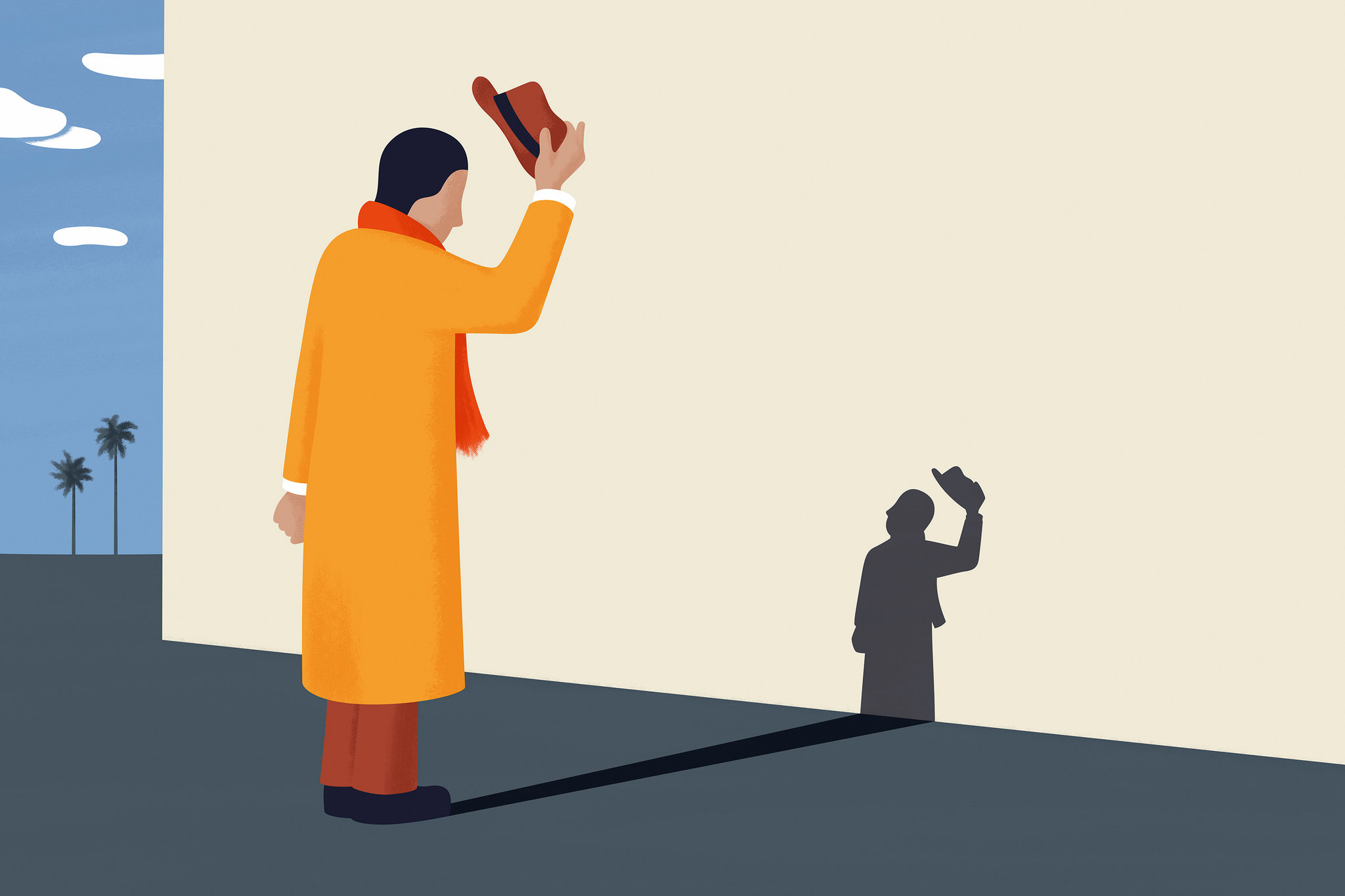
Be like Him,” St. Paul says in the first reading. “Serve others. Stop being selfish. Look at others as more important than yourself.” This is difficult. So much of our society pressures us to think that the world revolves around our wants and us. However, it does not. The world is the Lord’s. With the Grace of God, we can do the work of God. But this is work, and work is hard. Work takes time and strength. For all of us, doing the work of the Lord means emptying ourselves for others. It also means doing everything we can to stay away from all that could hurt us. It takes work to control our temper. It takes work to be spiritual in our homes. It takes work to turn a house into a place of prayer, a little Church. This is the work of Jesus, who humbled Himself for others, for us. Like the two sons in the Gospel, we are called to work in the Father’s vineyard. The vineyard is your house and my house. The vineyard is your life and my life. The vineyard is that place where others are reaching out to us, seeking the love of Christ in us. They long for Jesus. And they can find Him. They can find Him within us, within us as Church and within us as individuals. For God to work through us, we have to take on the humility of Christ and be more concerned with those for whom we are called then with ourselves. I am sure that every married person has had to be more concerned with caring for his or her spouse then with how he or she has been treated by that same spouse. One snaps at the other, and the other has various choices: retaliate and snap back, employ the old classic passive aggressive behavior known as the silent treatment, sulk, or say, “I’m sorry for my part in this,” and look for something to do together to change the subject and ease the upset. Certainly, the silliest words ever uttered by Hollywood were from the old movie, Love Story, “Love means never having to say you are sorry.” No, love means always having to say you are sorry! However, that takes humility. Pride and marriage cannot co-exist, at least not peacefully. Nevertheless, through humility we can be like Jesus for our brothers and sisters. We can be the people that God needs us to be for His Kingdom. Christ is the victor. With Him we can conquer all that holds us back. And so, we pray to the Father in the (beautiful) Third Eucharistic prayer, “May He make of us an eternal offering to you.” • AE


Fr. Agustin’s Schedule for Sunday September 26-27, 2020.
Twenty-sixth Sunday in Ordinary Time.
Saturday, September 26, 2020.
4.30 p.m. Sacrament of Confession & 5.30 p.m. English Mass
@ St. Peter Prince of the Apostles Catholic Church
Sunday, September 27, 2020.
9.00 a.m. English Mass @ St. Peter Prince of the Apostles Catholic Church
11.00 a.m. English Mass @ St. Peter Prince of the Apostles Catholic Church
5.30 p.m. English Mass @ St. Peter Prince of the Apostles Catholic Church
XXVI Domingo del Tiempo Ordinario (Ciclo A)
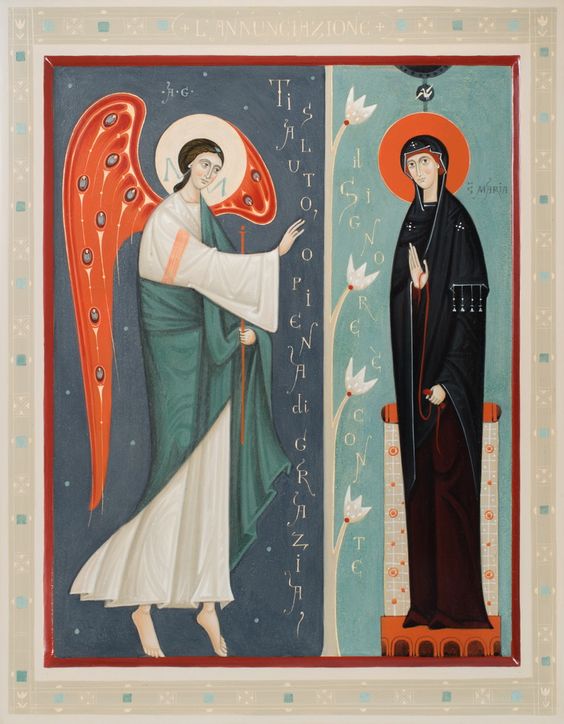
Pablo está en la cárcel, probablemente en Éfeso. Cuando escribe a los filipenses, ya ha comparecido ante el tribunal, pero la sentencia está todavía pendiente y no es seguro si lo pondrán en libertad o lo condenarán a muerte. Nadie sabe qué será de él. Encarcelado y juzgado por ser cristiano, Pablo pide a los miembros de aquella comunidad, Filipos, que den a su vez testimonio cristiano. ¿Qué tipo de testimonio? ¡El más difícil de todos! El de la concordia y el amor. El egoísmo, la envidia y la presunción habían empezado a causar estragos en la comunidad; ésta había perdido el ardor de los comienzos, y poco a poco se había convertido en algo escandaloso. En por eso que Pablo pide a los cristianos de Filipos que tengan la grandeza de ánimo suficiente para superar el propio interés y abrirse con sencillez y humildad a los demás. Y al pedirlo, no se apoya en una simple pedagogía humana, sino en un caso bien concreto: el de Cristo Jesús, que, siendo Dios, se hace hombre. Se trata de un paso incomprensible, indecible; pero que Dios lo emprendió porque quería estar abierto al hombre. La salvación de los demás llevó al hijo de Dios a esa profunda kenosis –kenosis: una de las palabras más hermosas de todo el nuevo testamento- a despojarse de su rango. Esta es el camino que el Señor Jesús señala al cristiano: el del abajamiento, el de la sencillez, el de la simplicidad delante de Dios y delante de los demás. María Santísima nos dio el mejor y más grande de los ejemplos. “He aquí la esclava del Señor”, le dije al ángel al recibir el anuncio de la Encarnación del Hijo de Dios. ¿Podremos caminar por el mismo camino? • AE

 LA MEDITACION DE LA ESPOSA