
Titian, Cristo della moneta (1516), Gemäldegalerie Alte Meister, Dresden
Today’s gospel, in which Jesus’ enemies try to entrap him by asking whether they should pay tax to Caesar or not, is often read as making a distinction between politics and religion. There is Caesar’s world and that of God. Priests should keep out of politics and stick to spirituality. But this to misunderstand what Jesus is saying. Every human being is made in the image of God and so belongs to God. For Christians, politics is building the polis, the community, in which God’s own children can live in dignity and happiness, as we await God’s gift of the heavenly city. Religion cannot be reduced to politics, but it has consequences for how we understand the point of politics. So what is this clash between Jesus and his enemies about? They give us the clue: ‘Teacher, we know that you are sincere, and teach the way of God in accordance with truth, and show deference to no one; for you do not regard people with partiality.’ They contrast two ways of seeing the world: God’s true way, and a human way, in which everything is viewed through the prism of wealth and status. Jesus’s opponents are caught up in that human way, speedily producing Caesar’s coin from their pocket, although that image would have polluted them. The Herodians especially belonged to the world of wealth and power. They are so blinded that they do not see that the man they are trying to trap is himself the very image of God made human. If one sees the world through the spectacles of status and money, the poor disappear. Etienne Grieu SJ wrote: ‘A world dominated by competition engages in a formidable task of classification, not only of performances but also of people. Right at the bottom of the chart are those who are not efficient enough. They thus become invisible to others, as they are unable to demonstrate their usefulness in any of the various exchanges we take part in… They also feel humiliated because they scarcely can have the means to say who they are or to make people notice the unique treasure they bear.’ We are all, in varying degrees, bifocal. Sometimes we are bewitched by the Caesars of our time, the wealthy and the famous, and lose sight of the beauty of those who do not count. Let God’s grace cleanse our eyes! • AE

Fr. Agustin’s Schedule for Sunday October 18, 2020.

Twenty-ninth Sunday in Ordinary Time.
Sunday, October 18, 2020.
12.00 a.m. English Mas @ Our Lady of Grace Catholic Church (indoors mass)
5.00 p.m. English Mas @ Trinity University (Margarite B. Parker Chapel)
XXIX Domingo del Tiempo Ordinario (Ciclo A)
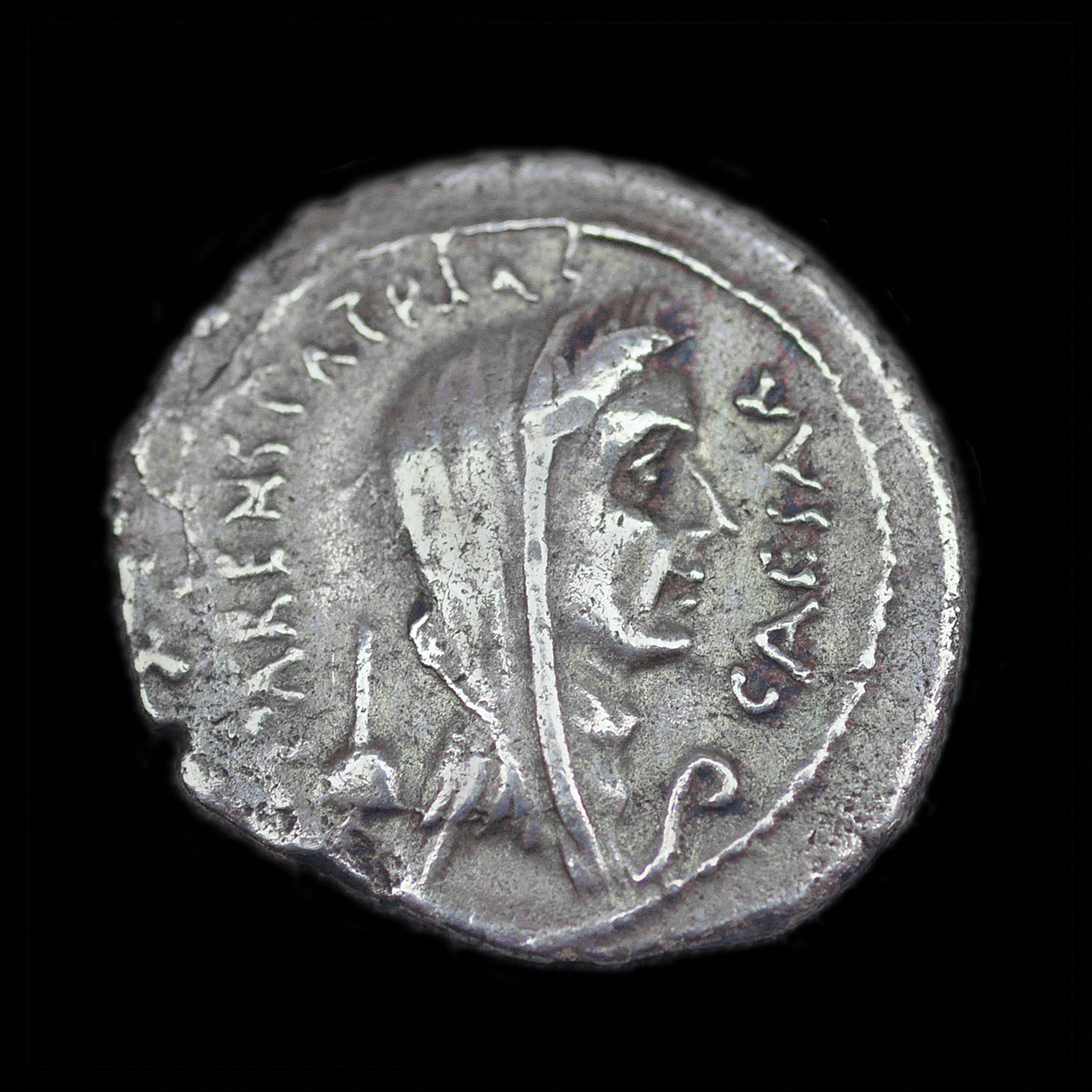
Pocas frases de Jesús han sido objeto de interpretaciones más interesadas e, incluso, de manipulaciones como ésta que escuchamos en el evangelio de hoy: «Dad al César lo que es del César y a Dios lo que es de Dios». Estas palabras de Jesús han sido utilizadas para establecer una frontera clara entre lo político y lo religioso y defender así la autonomía absoluta del estado ante cualquier interpelación hecha desde la fe. Según esta interpretación, Jesús habría colocado al hombre, por una parte, ante unas obligaciones de carácter cívico-político y, por otra, ante una interpelación religiosa. Como si el hombre tuviera que responder de los asuntos socio-políticos ante el poder político y de los asuntos religiosos ante Dios. Pero el verdadero sentido de las palabras del Señor es otro. El acento de las palabras de Jesús está en la parte final. Le han preguntado insidiosamente por el problema de los tributos y Jesús resuelve prontamente el problema. Si tienen una moneda que pertenece al césar, habrán de someterse a las consecuencias que ello implica. Pero Jesús introduce una idea nueva que no aparecía en la pregunta de los adversarios. De forma inesperada, introduce a Dios en el planteamiento. La imagen de la moneda pertenece al césar, pero los hombres no han de olvidar que llevan en sí mismos la imagen de Dios y, por lo tanto, sólo le pertenecen a El. Aquí es cuando podemos entender mejor al Señor. «Dad al césar lo que le pertenece a él, pero no olvidéis que vosotros mismos pertenecéis a Dios». Para Jesús, el césar y Dios no son dos autoridades de rango semejante que se han de repartir la sumisión de los hombres. Dios está por encima de cualquier césar y éste no puede nunca exigir lo que pertenece a Dios. En unos tiempos en que crece el poder del estado de manera insospechada y a los ciudadanos les resulta cada vez más difícil defender su libertad en medio de una sociedad burocrática donde casi todo está dirigido y controlado perfectamente, los creyentes no hemos de dejarnos robar nuestra conciencia y nuestra libertad por ningún poder. Hemos de cumplir con honradez nuestros deberes ciudadanos, pero no hemos de dejarnos modelar ni dirigir por ningún poder que nos enfrente con las exigencias fundamentales de la fe • AE

 LA MEDITACION DE LA ESPOSA