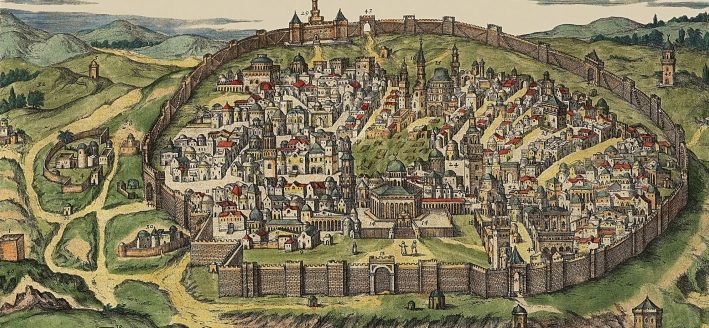
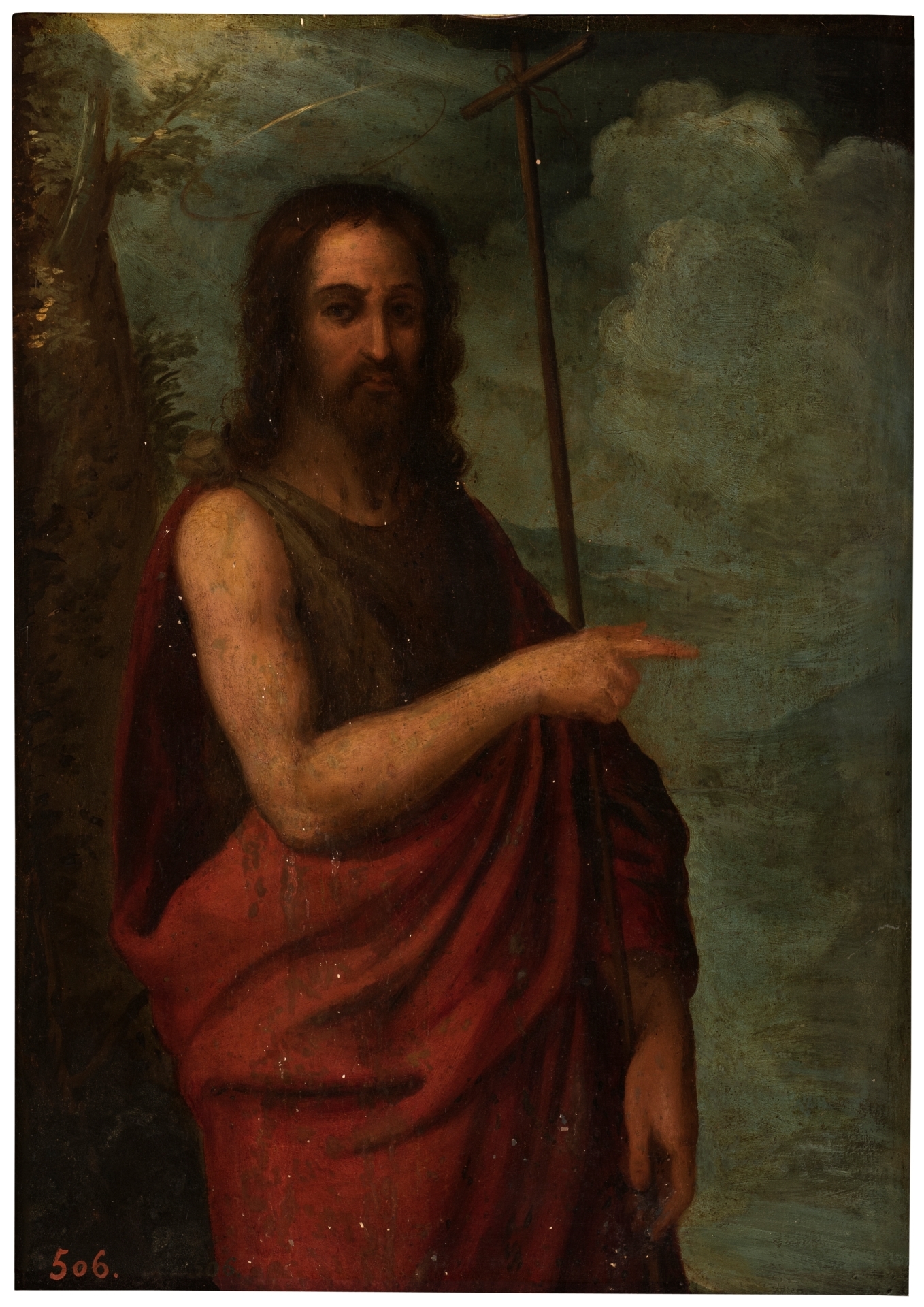
The people of the first reading were the Chosen People. They celebrated their deliverance from Egypt every Passover. But they still pushed God aside, even out of their lives. They had become wealthy. They thought they had less need for God than ever before. It was almost as though they forgot about Him. Certainly, they were too proud to recognize their own weakness. The nations around them saw them as an important military ally. Full of themselves, they made treaties with the pagans. They worshiped the pagan gods of these nations. Then, everything fell apart. In their worst nightmare, they never thought their lives could get so bad. First, the Northern Kingdom, Israel, was defeated and taken into captivity by the Assyrians. Then the Babylonians conquered the Southern Kingdom, Judah. The people were led off into slavery, bound together with hooks in their noses. The Temple and the Holy City were destroyed. They wanted to be like the pagans. Now they were forced to live in a pagan land and serve pagans. But in their poverty they became rich. They turned from their pagan ways. They embraced their identity as devout followers of God. They had no power except their faith in the All Powerful One. And they realized that they had more power than they could ever need. And God witnessed their conversion. He heard their prayers. He sent His prophet to preach consolation for Israel: Comfort, give comfort to my people, says your God. Speak tenderly to Jerusalem and proclaim to them that their service is at an end, their guilt is expiated. Indeed, they have received double for their sins. But , now a voice cries out in the desert, ‘Prepare the way of the Lord. God will come with mercy. Over and over in the history of God’s people as well as in our personal histories, the events that led to the Babylonian captivity are repeated. We think that we have it all. We allow evil to creep into our lives. We allow something to destroy us. Actually, we destroy ourselves by relying on our own abilities instead of the Power of God. But then we find ourselves completely alone. Through the Grace of God, through the prayers of others, we come to the Wisdom that we are only alone when we forget about Him who said He would always be with us. We are people of faith. We realize that no matter how bad life might have become, no matter how deep we or someone else may have sunk, there is no depth that God will not descend to in order to pick us up and grasp us to Himself. We just need to have the humility to seek forgiveness, to let Him enter into our lives. What is it that we have done that has been so terrible? Have we destroyed others? Have we taken a life? Have we participated in an abortion? Have we destroyed our own lives? We are tempted to think that our sins are too great or too habitual for God to have compassion on us. Do we feel this way? Do we know others who feel this way? There is nothing that the Lord does not want to forgive! Jesus came to bring forgiveness, to bring mercy, to bring comfort. Give comfort, comfort to my people, the prophet is instructed. Sometimes we underestimate God. We think that maybe God can help us a bit, but to get Him to solve our dilemma, well that is asking too much. And to request over and over again that He forgive the same problem, well, that seems to be way beyond the limit of His compassion. We forget that God sets no limits to His Love. Perhaps we think that we do not deserve His mercy and compassion. We are correct there. We do not deserve Him, but that does not mean that He does not give Himself totally for us. Let us look at the cross! How can we underestimate what our God will do out of Love for us? “Prepare the way of the Lord,” both the prophet of the first reading and John the Baptist in the Gospel proclaim. There is no limit to God’s love, to His Mercy. Pope Francis reminds us that the only limit there is to God’s mercy is the limit that we put on His Mercy. In this season of gift giving, we can give a wonderful gift to ourselves and to others. This gift is the reassurance that Jesus loves us and loves them. We need to prepare ourselves and we need to prepare others to turn to Jesus, to trust in the Lord • AE

Comfort ye my people! (Is 40:1-5, 9-11)

Comfort, give comfort to my people,
says your God.
Speak tenderly to Jerusalem, and proclaim to her
that her service is at an end,
her guilt is expiated;
indeed, she has received from the hand of the LORD
double for all her sins.
A voice cries out:
In the desert prepare the way of the LORD!
Make straight in the wasteland a highway for our God!
Every valley shall be filled in,
every mountain and hill shall be made low;
the rugged land shall be made a plain,
the rough country, a broad valley.
Then the glory of the LORD shall be revealed,
and all people shall see it together;
for the mouth of the LORD has spoken.

Fr. Agustin’s Schedule for the Second Sunday of Advent.

Saturday, December 5, 2020.
4.00 p.m. Sacrament of Confession
5.30 p.m. English Mass @ St. Peter Prince of the Apostles Catholic Church
Sunday, December 6, 2020.
9.00 a.m. English Mass @ St. Peter Prince of the Apostles Catholic Church
11.00 a.m. English Mas @ St. Peter Prince of the Apostles Catholic Church
12.00 p.m. Celebration of the Sacrament of Baptism.
5.30 p.m. English Mas @ St. Peter Prince of the Apostles Catholic Church.
II Domingo de Adviento (Ciclo B)

Fue en Londres y el año era 1741. En aquellos días George Frederick Handel le ponía música a las hermosas y esperanzadoras palabras del profeta Isaías que escuchamos en la primera de las lecturas y que nos hablan ¡ay! del consuelo de Dios, de ese consuelo que tanto necesita nuestro atribulado corazón:
Consuelen, consuelen a mi pueblo,
dice nuestro Dios.
Hablen al corazón de Jerusalén
y díganle a gritos que ya terminó el tiempo de su servidumbre
y que ya ha satisfecho por sus iniquidades,
porque ya ha recibido de manos del Señor
castigo doble por todos sus pecados.
Sí, Dios viene a consolar a su pueblo. ¿Nos detenemos de vez en cuando a pensar en la ternura de Dios? No quiere que uno solo de los suyos se pierda, ni que viva en la oscuridad o la desesperación. Nuestro Dios es ese Pastor apacienta a su rebaño y esto debería de llenarnos de paz y de alegría. La liturgia de la Palabra de éste segundo domingo de Adviento nos anuncia a ese Dios que ya viene. En aquel tiempo, cuando el destierro de Babilonia había arrebatado al pueblo el último resto de valor, era necesario que Dios le consolara. Sí: había valles que levantar, montes que abajar, escarpaduras que salvar y caminos tortuosos que enderezar: no faltaban trabajos. Pero Dios, con una palabra que no podía fallar, prometía que él mismo se pondría al frente de la caravana y caminaría a su paso. En nuestros días quedan muchas murallas por derribar y muchos obstáculos por superar para que podamos vivir en paz en un mundo en el que los más pequeños sean los más queridos, y las relaciones humanas pasen por el corazón más que por las armas. La tarea parece imposible y vivimos como exiliados, lejos de un Evangelio que ha perdido su sabor de Buena Noticia por eso hoy la Palabra de Dios de éste domingo es fuente de consuelo. Necesitamos descubrir de nuevo la ternura de Dios, su amor, su paciencia, su dulzura. Necesitamos que Dios nos tome en sus brazos; debemos reconocernos heridos y necesitados de su amor, su ternura y su misericordia. La buena noticia es que Dios viene diario a cambiarlo todo con su gracia y su perdón ¡Dichosos si acoremos su venida con un con corazón sencillo y bueno! • AE
 LA MEDITACION DE LA ESPOSA