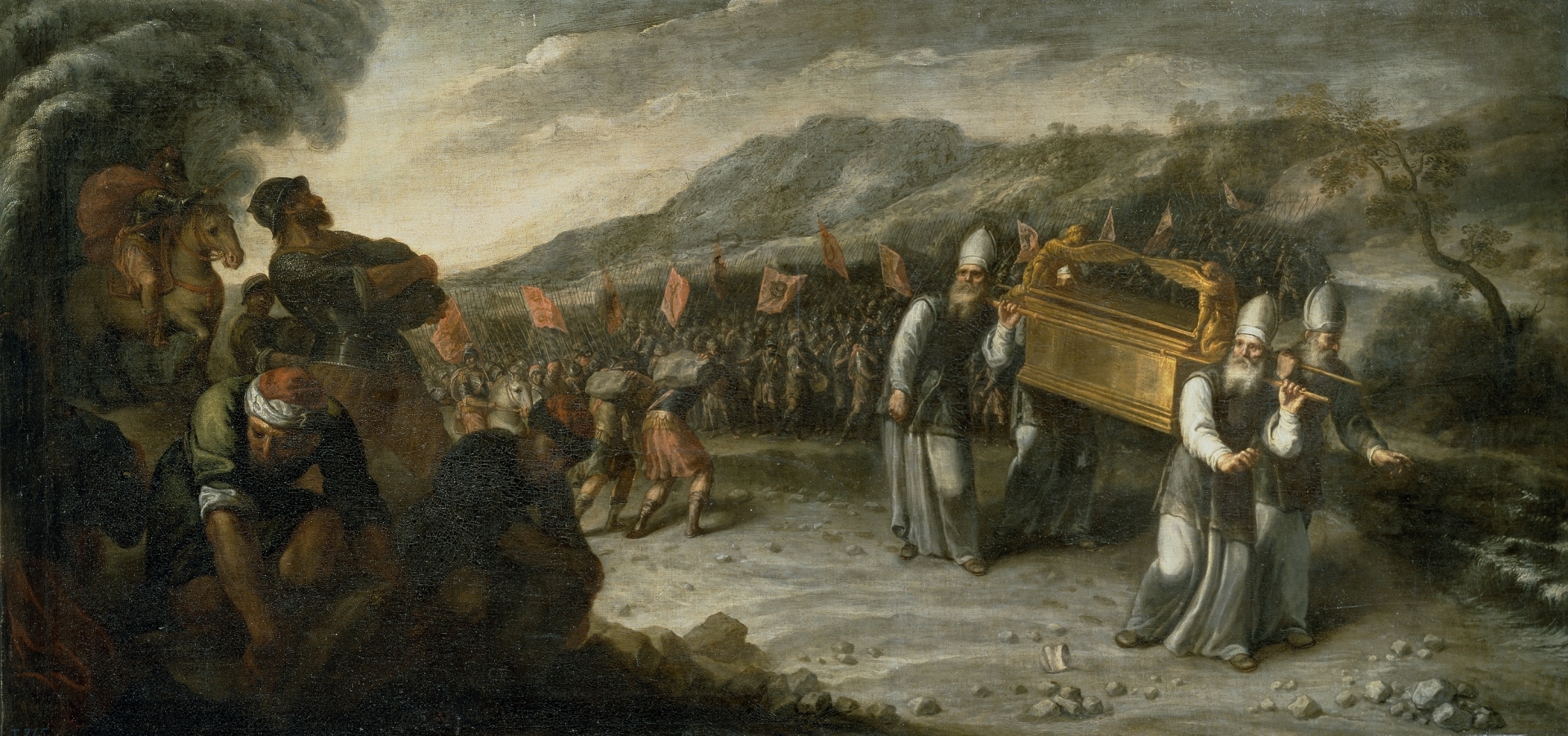
In the Gospel today, the Archangel Gabriel came to Mary in Nazareth, bearing the Good News of God’s salvation. Why is it that Mary is so special? That is because God has prepared her to be part of His plan for the salvation of His people, as she was to be the one who would bear the Messiah, the Savior of the world inside her. For this special role, God is certainly able to give an exception to Mary among all mankind, that for her alone, she was conceived, and born of her parents without the taints of the original sin of man. And this special grace is related to the role she played in our salvation, as the one who bore God within herself. In order to understand this better, we must know that Mary is the New Ark, bearing the New Covenant of God. The old Ark of the Covenant was built by Moses from precious metals and materials, and adorned to be worthy of bearing the Law of God and His Covenant, and the Ark came to represent God’s presence among His people, so much so that it is hallowed and no one may touch it without dropping dead. That is why the Ark had to be carried on two poles born by four people. And if this old Ark is made by the hands of man, carved and designed by man, and bearing within it, two slabs of stone upon which the Ten Commandments were written, and was considered so holy and precious, then all the more that the New Ark bearing the New Covenant must be hallowed, pure and holy. Thus, God has prepared Mary, who is to be the mother of God, and made her holy and pure, clean from any taint of the original sins of man. And this New Ark is all the more precious, far surpassing the old Ark, because Mary, as all men and women are, she was crafted and designed by the Lord Our God. And she bore within her womb for nine months, none other than the Lord Himself, who has willingly come down upon us in human flesh, Jesus Christ, Son of God. That is why today the whole universal Church rejoice together celebrating this wonderful mystery of the Immaculate Conception of the Blessed Virgin Mary, for through Mary, the final defeat of the devil and his forces have been made a reality, as the promises God has made about our salvation has been fulfilled in their entirety. And even more so, in Mary, the devil has encountered a great enemy, who is always thwarting his plans all the time. That is because Mary is also the greatest of all the saints of God, and she is the one ever closest to her Son in heaven. She is, as the Queen Mother of heaven, a close advisor to her Son, and she is always active trying to help the people of God to return to Him. She appeared several times to us, in various places and ways, appealing to us mankind to repent from our sins. Through her example of obedience and commitment to fulfil God’s will, walking faithfully in His ways throughout her whole life, Mary has become a great example for each and every one of us, on how we should behave and act in this life, in obedience to God. Ultimately, through our renewed obedience, and by believing in the Savior, Our Lord Jesus Christ, we shall be saved and redeemed from our past sins. Let us today therefore, by following the examples of Mary, mother of God, conceived without sin, dedicate ourselves anew to the Lord. Let us abandon our sinful ways and put our trust in God from now on, striving to live worthily in accordance with God’s words. May the Lord be with us all, and may our mother Mary intercede for us sinners, that we may find our way towards God and His salvation • AE
Fr. Agustin´s schedule for the Solemnity of the Immaculate Conception of the Blessed Virgin Mary (2020)

Monday, December 7
5.30 p.m. Vigil mass at St. Peter Prince of the Apostles Catholic Church
Tuesday, December 8
7:00 a.m. St. Peter Prince of the Apostles Catholic Church
8.00 a.m. School mass St. Peter Prince of the Apostles Catholic Church
5.30 p.m. St. Peter Prince of the Apostles Catholic Church
Solemnidad la Inmaculada Concepción de la Santísima Virgen María
Tú eres toda hermosa
Oh madre del Señor
Tú eres de Dios gloria
La obra de su amorOh rosa sin espinas
Oh vaso de elección
De ti nació la vida
Por ti nos vino DiosSellada fuente pura
De gracia y de piedad
Bendita cual ninguna
Sin culpa original
María, MaríaPureza inmaculada
Espejo del Señor
Oh fuente de la gracia
Unida al redentorBelleza sin manzilla
Encanto virginal
Tú eres la alegría
La gloria del mortalSellada fuente pura
De gracia y de piedad
Bendita cual ninguna
Sin culpa original.
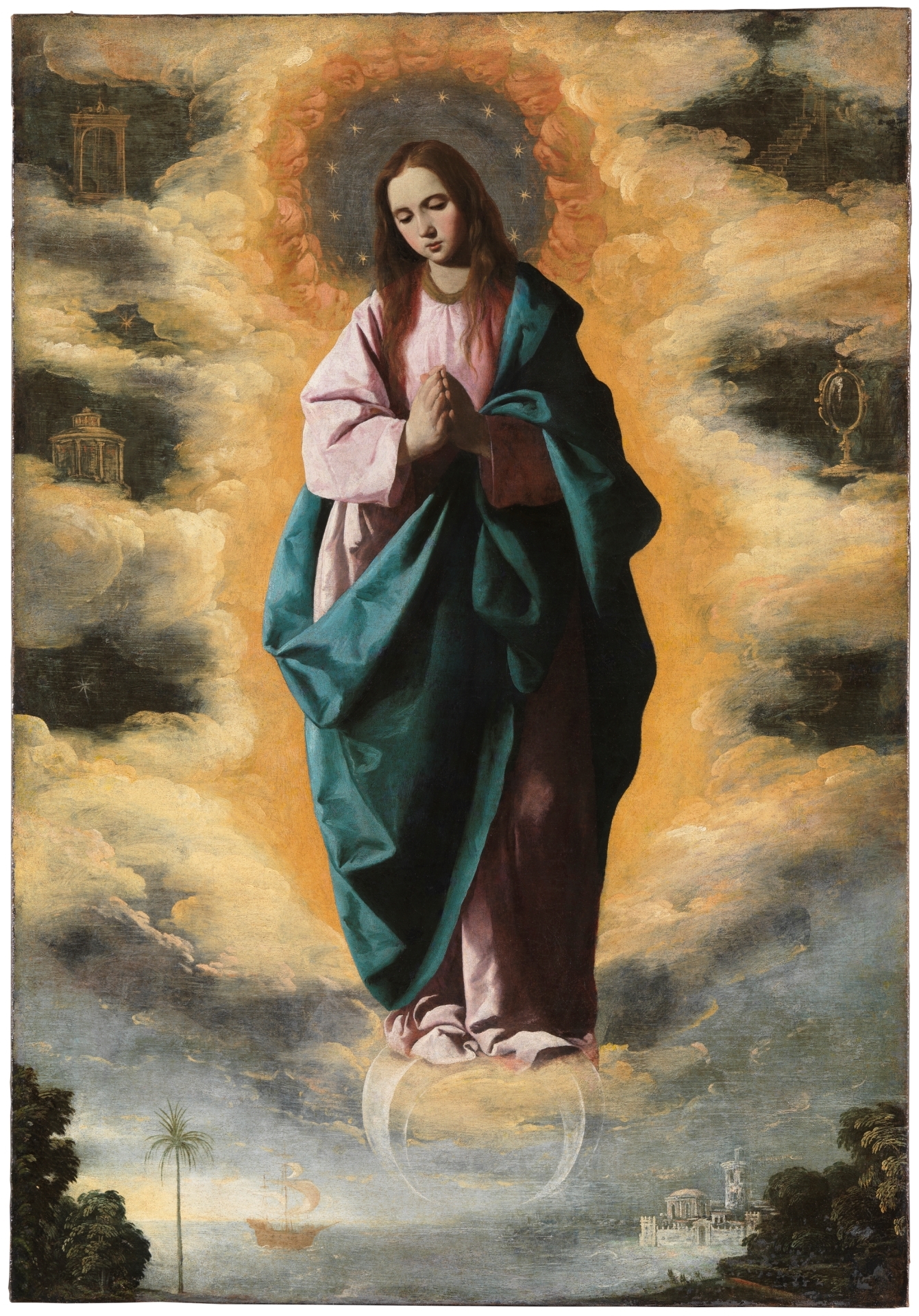
La liturgia elige, para esta hermosísima solemnidad de la Inmaculada Concepción de la Santísima Virgen María, un fragmento de la Carta a los efesios en el que nos presenta el destino final al que estamos llamados los cristianos[1]. Vendrá un día en que encontraremos la plenitud. Mientras tanto, proclamar a María Inmaculada es afirmar que, «en la persona de Cristo», ella fue bendecida plenamente con toda clase de bienes espirituales y celestiales; fue elegida para ser santa e irreprochable por el amor; fue destinada a la plenitud de la gracia. Por eso es, sin esperar al fin de los tiempos y desde su concepción, inmaculada, la sin pecado. Y todo ello, «en la persona de Cristo», por los méritos de Cristo, por el que nos viene la redención universal. Lo que Dios podía hacer –potuit-; lo que era oportuno que hiciese –decuit-; realmente lo hizo en María –fecit– «en la persona de Cristo»[2]. Hoy confesamos a María Inmaculada y nos sentimos atraídos por la limpieza, la frescura, la inocencia y la verdad de aquella mujer en que se hizo realidad plena esa santidad a la que lo mejor del corazón humano se siente elegido y destinado. Hoy, en tiempos de ambigüedad, hipocresía y falsedad, de tanto barro y miseria sentimos la atracción por la verdad pura de la que la Purísima. Pero María no sólo fue negativamente inmaculada, la sin-mancha, la sin-pecado. María fue mucho más que incontaminación, pureza o inocencia. María fue sobre todo irreprochable en el amor. Amor es entregarse a uno mismo, es volcar la propia vida en los otros. La actitud humilde y confiada de la Virgen, que acepta ser la Madre de Dios, nos motiva a entregarnos también al Señor, llenos de esperanza. Esta celebración tan luminosa y tan bonita puede ser la ocasión para preguntarnos si con nuestra vida diaria buscamos una unión más íntima y más personal con el Señor • AE
[1] Cfr. Efe 1, 3-6. 11-12.
[2] El 8 de diciembre de 1854, el beato Pío IX proclamó el dogma que reconocía la Concepción Inmaculada de María como «una verdad divinamente revelada», zanjando una controversia de casi diecinueve siglos. La famosa Disputa de la Sorbona, que mantuvieron en 1305 los dominicos partidarios de la «menos pia opinión» maculista, y los inmaculistas franciscanos, representados por Duns Escoto, convirtió a este último en vencedor de la discusión con su célebre argumento «Potuit, decuit, ergo fecit»: «Podía hacerlo, convenía hacerlo, pues lo hizo».
 LA MEDITACION DE LA ESPOSA