
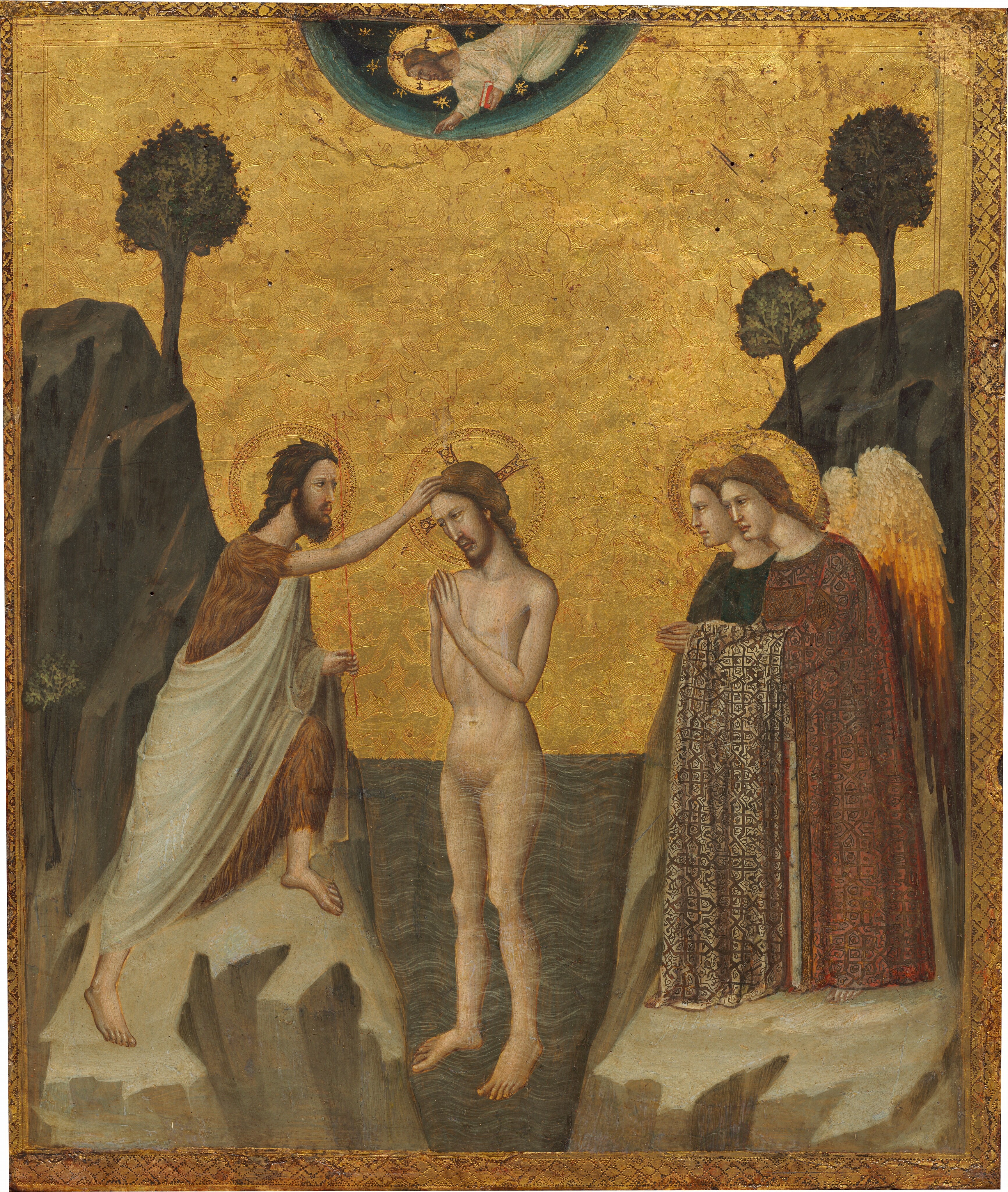
The Christmas season ends today with the Feast of the Baptism of the Lord. On Christmas, we celebrate God becoming one of us, taking upon himself a human nature. On the Feast of the Baptism, we celebrate the public proclamation that Jesus is more than just one of us. He has more than a human nature. He has a Divine Nature. He is the Son of God, in whom the father in well pleased. Today’s Gospel, from the Gospel of Mark, advances the story 30 years. We come upon John, teaching and baptizing at the Jordan River. He is demanding an end to evil in the world and calling the people to accept his baptism as a sign that they will join him in the fight for the Kingdom of God. He also speaks about the one to come. And, suddenly, Jesus chooses to be baptized by John to show that he is one with all those who are fighting against evil and fighting for the Kingdom of God. John says that he himself does not deserve to unfasten Jesus’ sandals, but Jesus demands he be baptized. The people of the world who long for the Kingdom must see that their King is one of them. So, what does this mean to us? It means that our union with Jesus is a union with God. It means that Jesus is not just another man, not even another extraordinary man. He is God. He has a human nature given to him through Mary, and a divine nature eternally at one with the God. The One who is our brother is also the Second Person of the Holy Trinity. We don’t just give him the title God. He is God. When we call upon Jesus to help us, we are praying to God. When we receive communion, we receive God within us. When we seek forgiveness, we are forgiven not by the priest but by God. Do you remember the disciples on Lake Gennesaret, being tossed about in the storm? Like the disciples, in the middle of these storms, we can call on Jesus to bring calm, serenity, and peace of mind. So, when we think our situation is hopeless — we need to call on Jesus. When we cannot see our way through — we need to call on Jesus. When we feel totally overwhelmed — we need to call on Jesus. When we feel that we are the worst person on the earth — we need to call on Jesus. When we feel that no one loves us and nobody care for us — we need to call on Jesus. Jesus is not just another human being. He is God. Yet he is one of us. He knows all the emotions that we feel. He has felt them in his human nature. Through His divine nature, he can and does heal us. We go down into the water with John the Baptist, determined to fight for the Kingdom of God, and we leave the water with Jesus Christ, our Divine Champion. The Feast of the Baptism of the Lord is an Epiphany. God is manifested to us in Jesus Christ. We need to pray to Him. We need to trust in Him • AE

Fr. Agustin’s Schedule for the Feast of Baptism of the Lord (First Sunday in Ordinary Time)

Saturday, January 9, 2021.
4.00 p.m. Sacrament of Confession
5.30 p.m. English Mass @ St. Peter Prince of the Apostles Catholic Church.
Sunday January 10, 2021.
9.00 a.m. English Mass @ St. Peter Prince of the Apostles Catholic Church.
11.00 a.m. English Mass @ St. Peter Prince of the Apostles Catholic Church.
5.30 p.m. English Mass @ St. Peter Prince of the Apostles Catholic Church.
El Bautismo del Señor
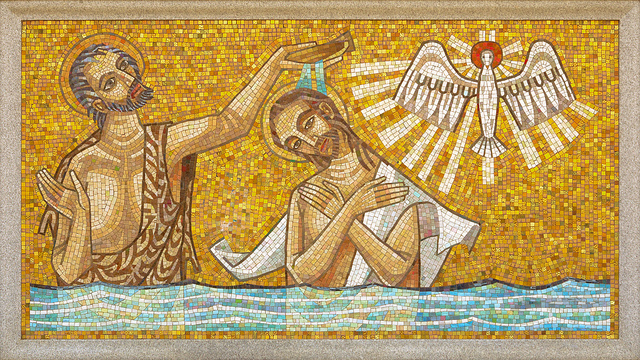
El Señor baja al rio Jordán y se hace bautizar por Juan para que quede bien claro quién es Él y a qué viene. El bautismo de Jesús, que diríamos en el lenguaje taurino, es como un espaldarazo, es algo así como su presentación solemne como Mesías, como Ungido. Ante Juan, que bautiza en el Jordán, va desfilando todo tipo de personas: soldados que han aceptado la consigna de no abusar de su poder, publicanos que están dispuestos a no robar; gente sencilla que ha llegado a descubrir una manera diferente de vivir: compartiendo el pan y la mesa. Pero hay también algunos -los fariseos- que se van saliendo de la fila: la dura palabra de Juan, que invita a dar frutos de conversión, rebota en sus corazones obstinados. Llega Jesús, y entra en la fila. Como queriendo subrayar la importancia de esa ceremonia tan sencilla que está haciendo Juan con la gente: moverlos, con el agua, a que se arrepientan de sus pecados. Jesús, que no tiene pecado, entra en la fila de los que buscan el perdón de los suyos. Entra en la fila, y recibe ese bautismo. Y lo hace como uno más. Y ahí precisamente le espera el Padre, para presentarlo con toda solemnidad ante la historia. «Tú eres mi Hijo amado, mi preferido». Toda esta manifestación de Jesús -una auténtica epifanía- ya había sido anunciada por el profeta Isaías: «No gritará, no clamará, no voceará por las calles. La caña cascada no la quebrará…» Estas palabras, unidas al gesto sencillo de Jesús esperando su turno para ser bautizado nos hablan de una salvación que nos va a llegar por una puerta inesperada y que va a realizarse de una manera un tanto original. ¿Cómo? Cristo viene a salvar, pero no viene a imponer esa salvación. No quiere reinar sobre un pueblo que no le haya aceptado primero, libremente, en su corazón. No quiere escoger el camino fácil de obligar; prefiere el de ofrecer. Sabe que es un camino más lento, menos triunfalista. Pero sabe también que, a la larga, es el único camino auténtico. Por eso Cristo se abaja, conviviendo con sus hermanos. Entra en la fila de los necesitados, del pueblo llano, de los que tienen que esperar su turno en todas las ventanillas del mundo, de los que nada pueden exigir ¡Entra en la fila de los pobres! Jesús viene a salvar, sí, pero no con una salvación postiza; sino desde dentro, tomando en serio al hombre, con toda su oculta grandeza[1]. Asumiendo -para elevarnos- ese rescoldo que queda todavía, medio escondido, en nuestros corazones. Soplando sobre esas brasas. Pacientemente, amorosamente. Así es el hijo de Dios que quiso habitar entre nosotros[2] • AE
[1] J. Guillén García, Al Hilo de la Palabra. Comentario a las lecturas de domingos y fiestas, ciclo B, Granada, 1993, p. 35 ss. [2] Cfr. Jn 1, 14.

 LA MEDITACION DE LA ESPOSA