
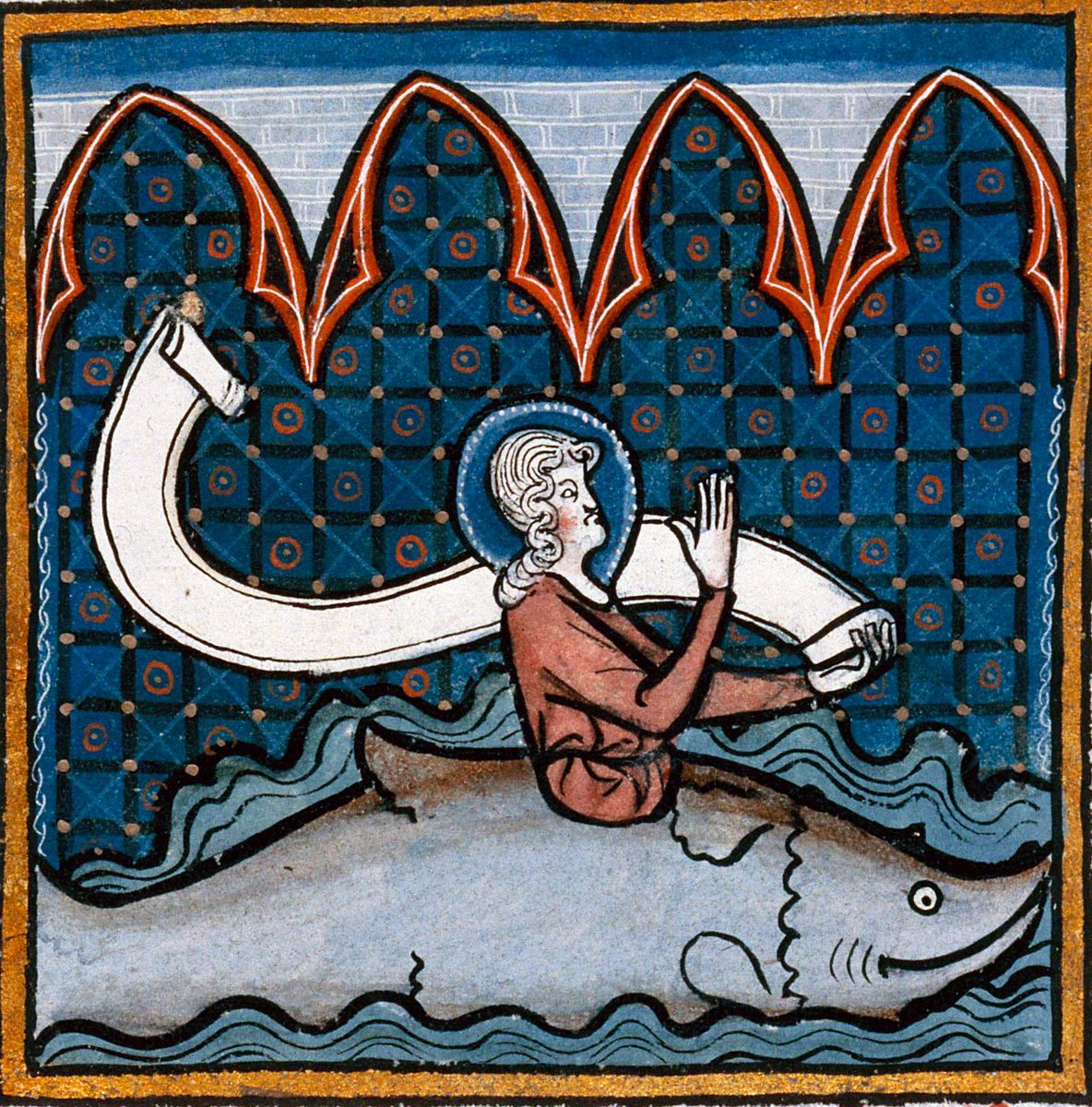
Today’s first reading invites us to consider God’s call and the exigency, the necessary immediacy of our response. The Ninevites didn’t need to hear Jonah’s prophecy for three days, as soon as they heard Jonas words, they repented. In the Gospel, they leave their boats and follow him immediately. The strongest message of demanding an immediate response, though, flows from our second reading. It is very clear that we must make the best use of the time that the Lord gives us. This is a stunning contrast to the attitude of so many who set aside an hour a week for the Lord feeling that somehow or other they have kept God happy in a mere 60 minutes. God does not need our prayers for an hour a week. We do not pray to keep God happy. We pray to keep ourselves happy, and we pray for others to be happy. We need to pray, and we need to pray continually. We have to make the best use of our time. Our time is not our own. It belongs to God. Time is part of creation. Time only exists in the physical world. It is entrusted to us to be used wisely. We have to set aside time for many different activities–for sleeping, for working, for exercising and, especially, for praying. In fact, we should all have a schedule for prayer in our daily lives, a schedule that we keep. It is important also that we set aside time for relaxing. Some of us live in a state of continual stress. We need to fight off stress usually through physical activity. Either we take care of stress or stress takes care of us–and everyone around us. We have to set aside time for others, sometimes that means caring for others, but usually we simply need to be with others. Sadly, we often waste time. My great fear is that God looks at me and says, “Is that the best you can do with your day?” We have a responsibility to use whatever time we have left well. Most of us do not know when our days on earth are coming to an end. We can live another 50 years, or just another 50 days. That is why we have to live our lives in a way that we are always ready to give an account for how well we use the time the Lord has given us to all this we have to add that when the Lord gives us a particular call, a particular mission, He calls us to address this Grace immediately. There is an exigency to His call. When we put off responding to this grace, then the unheeded call can very well dissipate and an opportunity to further the Kingdom of God will be lost. The earth is the Lord’s and its fullness thereof, we pray in Psalm 24. This world belongs to God. He has set us in this world to do his work, but He only gives us a brief time to accomplish His tasks. We pray today that we make the best use of the time He gives us • AE

Fr. Agustin’s Schedule for the Third Sunday in Ordinary Time.

Saturday, January 23, 2021.
4.00 p.m. Sacrament of Confession
5.30 p.m. English Mass @ St. Peter Prince of the Apostles.
Sunday January 24, 2021.
8.30 a.m. English Mass @ Our Lady of Grace (Outdoors mass)
10.30 a.m. English Mass @ Our Lady of Grace (Outdoors mass)
12.00 p.m. English Mass @ Our Lady of Grace (Main church)
5.30 p.m. English Mass @ St. Peter Prince of the Apostles.
III Domingo del Tiempo Ordinario (Ciclo B)
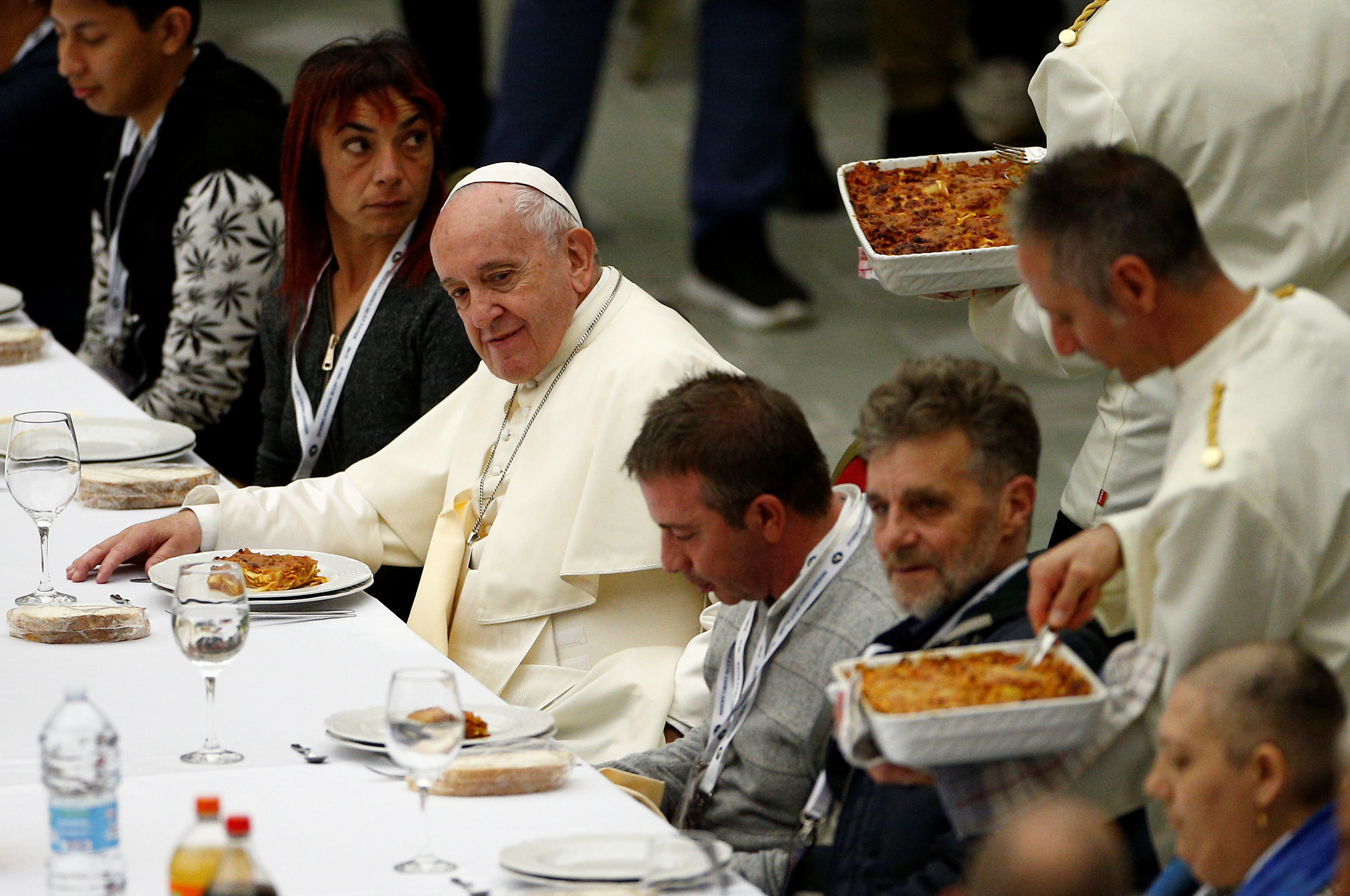
Muchos cristianos quedarían un tanto sorprendidos si escucharan con atención que el cristianismo consiste fundamentalmente en descubrir una Persona y sus buenas noticias. Para ellos, las cosas han sucedido de otra manera. Se han encontrado en la vida siendo «cristianos», sin que se hayan planteado nunca por qué creen y sin que la fe les haya ayudado a experimentar nada especialmente gozoso en la vida. Su fe no ha crecido. Ha quedado embotada y vacía. Más bien, la religión ha sido un peso del que se han ido desprendiendo poco a poco, más que por razones convincentes, por comodidad, cansancio o aburrimiento. Sí, es verdad: es fácil abandonar la fe, abandonándose uno mismo a la superficialidad y al olvido, pero no supone más coraje, más verdad ni más alegría. Otros han reducido la fe al mínimo. Su religión está impregnada de desconfianza y sospecha, más que de fe gozosa y entregada. Para ellos, Dios es cualquier cosa menos una Buena Noticia capaz de alegrar su existencia. ¿Es posible descubrir bajo un cristianismo aparentemente complejo, complicado, sobrecargado, desfigurado y triste, algo sencillo, elemental y bueno, que pueda iluminar nuestro corazón fatigado y triste? ¡Vaya pregunta! Karl Rahner en ese libro tan bonito titulado ¿Crees en Dios?, escribía así: «Dios es y sigue siendo el misterio inefable. Lo único que se sabe de Dios es la experiencia del misterio obtenida en la adoración. El único medio de acercarse a Él es la humildad, es decir, la verdad de nuestra existencia humana»[1]. ¿No estará ahí la clave para entender? Cuántos hombres y mujeres sencillos saben de Dios más que teólogos y dogmáticos ilustrados. Personas que no hacen gala de una fe grande y pura, pero que se confían humildemente al misterio de Dios. Personas que viven el amor al prójimo sin aspavientos ni ostentación alguna. Cristianos humildes, conscientes de su limitación y su pecado pero que se saben en la presencia bondadosa de Dios[2]. No sabrán decirnos cosas demasiado elaboradas o teológicas de Él, pero han acertado en lo más importante: Lo han acogido como gracia, como regalo, y saben vivir delante de Él con sencillez y alegría, han respondido a la llamada de Jesús de creer en la buena noticia ¡Ay quien nos regalara el vivir asín! • AE
[1] Karl Rahner S.J. (Friburgo de Brisgovia, Imperio Alemán, 5 de marzo de 1904 – Innsbruck, Austria, 30 de marzo de 1984) fue un teólogo católico alemán considerado como uno de los más importantes del siglo XX. Su teología influyó al Segundo Concilio Vaticano. Su obra Fundamentos de la fe cristiana (Grundkurs des Glaubens), escrita hacia el final de su vida, es su trabajo más desarrollado y sistemático, la mayor parte del cual fue publicado en forma de ensayos teológicos. Rahner había trabajado junto a Yves Congar, Henri de Lubac y Marie-Dominique Chenu, teólogos asociados a una escuela de pensamiento emergente denominada Nouvelle Théologie, los elementos de que se había criticado en la encíclica Humani Generis del papa Pío XII .
[2] J. A. Pagola, Buenas Noticias, Navarra 1985, p. 185 ss.

 LA MEDITACION DE LA ESPOSA