
The teachers of Jesus’ time compared Isaac to the Jewish martyrs who died for their faith during the Maccabean revolt against the Syrians. Second Maccabees tells the story of the seven sons and the esteemed elder who would rather die than deny their faith and defile themselves[1]. The scholars taught that like those martyrs, Isaac did not value his life over the completion of God’s plan. Later, Christians would see in Isaac’s carrying the wood for the sacrifice up the mountain a prophecy of Jesus carrying the cross up to Golgotha. It is in this light that we can relate the story of Abraham and Isaac with the Transfiguration, today’s Gospel. On that mountain of mystery, Jesus met with Moses and Elijah. Why Moses and Elijah? Moses was the lawgiver. During the Exodus he showed the Hebrews how they could serve God. He told them they were God’s chosen people. God had a plan for them, one by which He would deliver them out of slavery and to the place He set aside for them. Elijah was the greatest of the prophets. The time had come on the mountain of the Transfiguration. Jesus was there on that mountain. He was ready and willing to sacrifice himself for His Father’s plan to become a reality. He would die for the good of all. His sacrifice would lead to the glory of the Kingdom of God. His life, obscure in the eyes of the world, and His death, which the world would view as dishonorable, freed others, freed us, to live and die in grace. What does all this mean to us? It means that as followers of Christ we also must offer ourselves up for the good of others. When Jesus said that we cannot be His followers unless we were ready to take up our crosses[2], He was not using symbolic imagery. He meant it. As Christians, we are called to sacrifice ourselves for others. That means that we have to reject the world’s diabolical egocentricity. Egocentricity is putting ourselves first before all others, the “It’s all about number one, me.” That is the way of the world. It is diabolical because the devil is determined to fight God’s plan for us by using us against ourselves. Something wonderful happens when we step out of ourselves and give ourselves to others. We receive more than we give. We have all realized that whenever we are truly charitable, we feel a huge joy, a joy so real that we are convinced that what we did was insignificant to what we received. In those moments of joy, we become one with the Lord. We are transfigured with Him. We become people completely different because we are happier, infinitely happier. Just as the Transfiguration of the Lord was a touch of heaven and a foreshadowing of the glory to come, our own transfigurations are a touch of heaven and a tangible prediction of the eternal joy to come. Lent is a time for us to take a close look at ourselves and consider what we have to do to conquer selfishness and sin in our own lives. The various exercises of Lent help us to dive deeper into our commitment to the Lord. Lent helps us to take those steps we need to be bound to God’s plan. We pray today for the grace to be part of the plan, part of the sacrifice, and part of the Glory • AE
[1] Cf 2 Maccabees 7 [2] Matthew 16:24-26

Fr. Agustin’s Schedule for the Second Sunday of Lent 2021

Saturday, February 27, 2021.
4.00 p.m. Sacrament of Confession
5.30 p.m. English Mass @ St. Peter Prince of the Apostles Catholic Church.
Sunday February 28, 2021.
9.00 a.m. English Mass @ St. Peter Prince of the Apostles Catholic Church
11.00 p.m. English Mass @ St. Peter Prince of the Apostles Catholic Church
5.30 p.m. English Mass @ St. Peter Prince of the Apostles Catholic Church.
II Domingo de Cuaresma (2021)
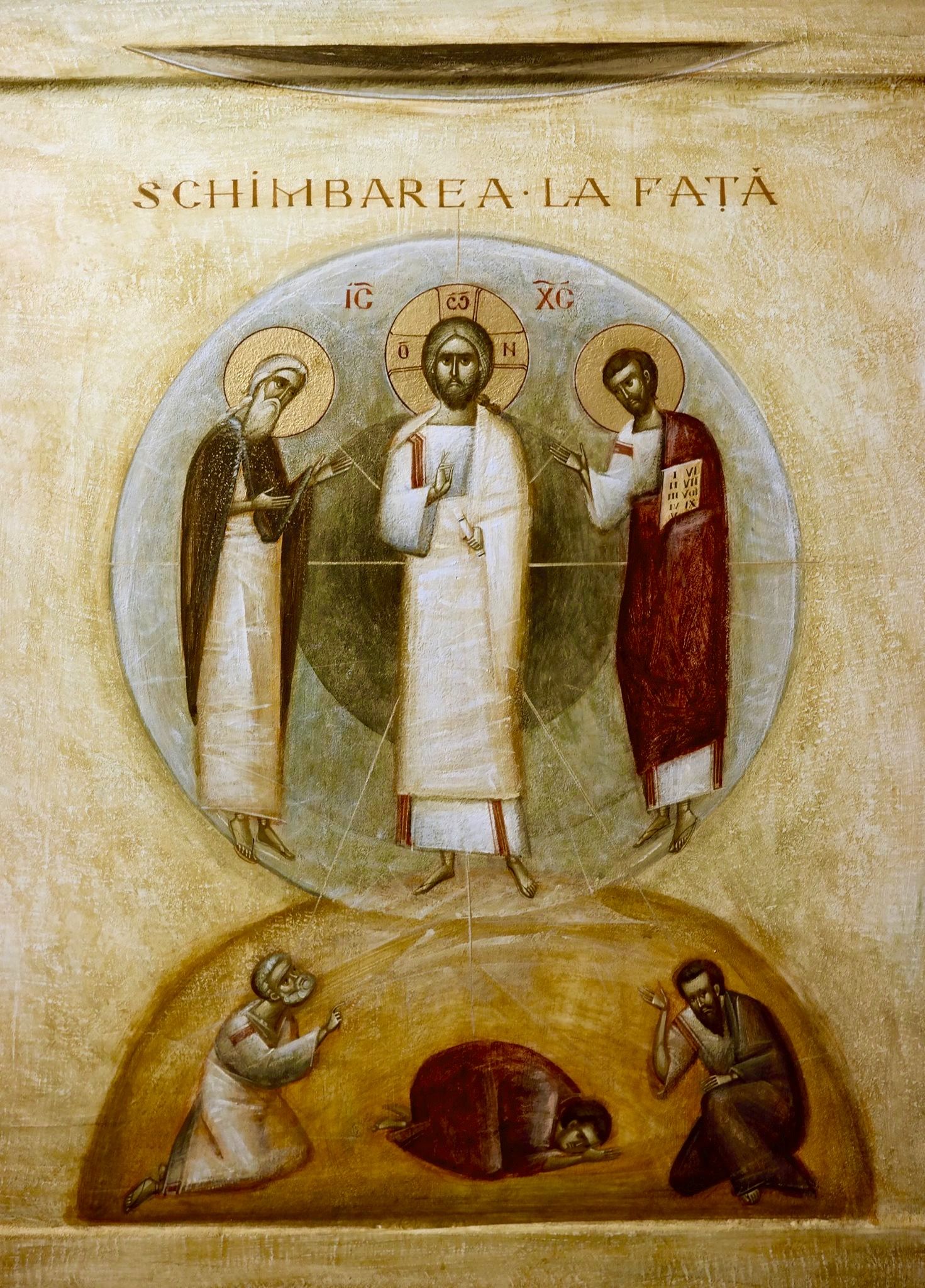
La tentación de hacer tres tiendas como sugiere Pedro está y estará siempre presente[1]. Es curioso: nos preocupamos siempre por construir una casa a Dios ¡y la realidad es que él mismo ha bajado a la tierra para vivir en las casas de los hombres![2] Hoy podrimos volver a meditar con calma que Dios no tiene tanta necesidad de metros cuadrados para iglesias como de acogida en el corazón humano. Él querría vivir en familia con los hombres, andar entre nuestros pucheros, como decía la santa Madre Teresa. El Dios-con-nosotros no es un producto de un mercado al que se acude cuando se necesitan servicios religiosos. Dios no es un objeto de consumo. Él es la vida misma del hombre, pero nosotros nos empeñamos en confinarlo en su casa, en lugar de tenerlo como compañero continuo en el camino de la vida. El Padre de Jesús no se mantiene en alturas celestiales, sino que nos señala, a través del Hijo, en la dirección al mundo en la que quiere que nos encarnemos. Además de nuestra condición de hombres, hay algo que refuerza nuestro interés por el mundo: nuestra fe y el servicio a los demás. El Concilio Vaticano II lo dijo de una manera maravillosa: «Los gozos y las esperanzas, las tristezas y las angustias de los hombres de nuestro tiempo, sobre todo de los pobres y de cuantos sufren, son a la vez los gozos y las esperanzas, tristezas y angustias de los discípulos de Cristo»[3] • AE
[1] Cfr. Mc 9, 2-10 [2] Cfr Jn 1,1 [3] Constitución Gaudium et Spes, 1.

 LA MEDITACION DE LA ESPOSA