
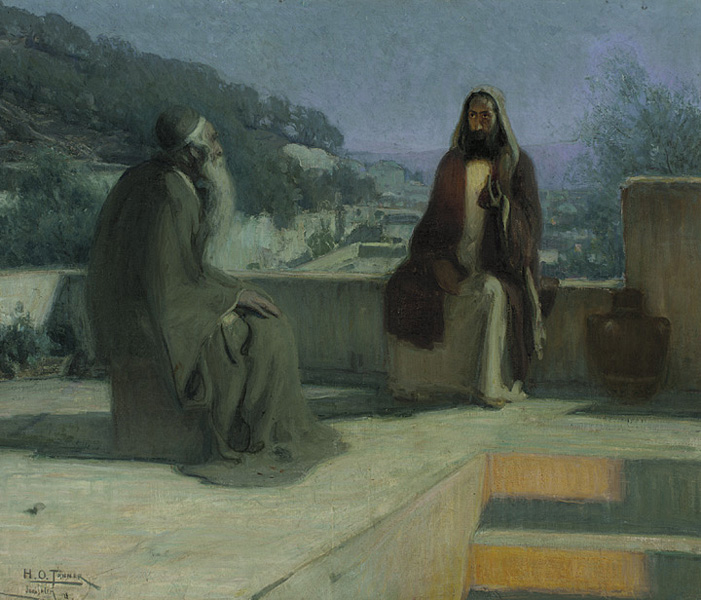
In his conversation with Nicodemus, as we find it in this Sunday’s Gospel, you hear Jesus say: “Just as Moses lifted up the serpent in the wilderness, so must the Son of Man be lifted up, that whoever believes in him may have eternal life.” There are two other places in John’s Gospel where Jesus uses that same expression of “being lifted up”. It suggests that it was an important image for him; after all, it is mentioned three times in the same Gospel[1]. That “being lifted up”, where does that come from? It comes from the time that the Israelites were wandering in the desert[2]. They complained that God had led them out into the wilderness to die. As punishment, God sent venomous serpents among them and many die of the poisonous bite. Then God instructed Moses to make an image of the snake, put it on a pole and hold it up. Anyone who was bitten and who looked upon the image would recover and be healed. Now Jesus uses that image of Moses and the serpent to speak of his own death on the cross and the salvation that comes from God through him. So what is it about the cross that draws us, that reveals the divine presence…, that heals us when we gaze upon it? For Jesus, the cross is his hour, the cross is his glory, the cross is the ultimate expression of how God so loved the world. The cross is the face of God as we know God through Jesus Christ. By making himself a total offering Jesus expresses the radiant light of divine love. His glory is in his self-emptying. So, have you ever forgiven someone for something really serious, and done so freely and completely, as pure gift? Have you ever given yourself over to another’s need so completely that thoughts about yourself vanished entirely? Have you ever experienced love of God so completely that you seemed to disappear and what remained seemed only divine? If you answered yes to any of these, you know something of the mystery of the cross. Let us pay attetion, this holy season of Lent is the grace-filled season in which we are urged to progress on knowing the great mystery of the cross, so there is alwaysa one more chance • AE
[1] Cfr. 8:28 and 12:32 [2] Numbers 21:4-9

Fr. Agustin’s Schedule for the Fourth Sunday of Lent (Year B)

On the occasion of the Spring Break of 2021, Fr. Agustín will be out of town. Our three parish communities continue their usual schedule for the weekend for the celebration of the Eucharist and the Sacrament of Confession.
IV Domingo de Cuaresma (2021)
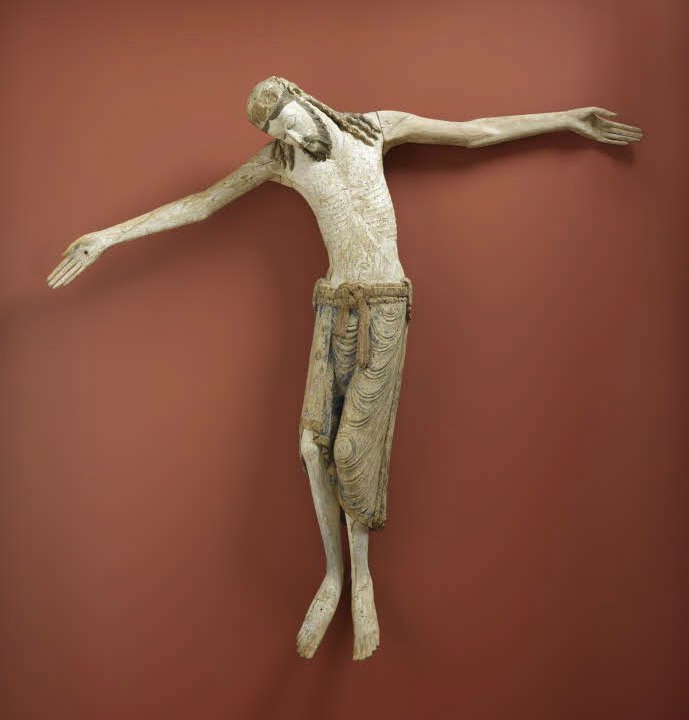
San Juan nos habla de un extraño encuentro. Son Jesús y un fariseo llamado Nicodemo. Según el relato es Nicodemo quien toma la iniciativa y busca a Jesús, pero de noche. Intuye que Jesús es un hombre venido de Dios, pero se mueve entre tinieblas. Jesús lo irá conduciendo hacia la luz. Nicodemo representa en el relato a todo aquel que busca sinceramente encontrarse con Jesús. Por eso, en cierto momento, Nicodemo desaparece de escena y Jesús prosigue su discurso, para terminar con una invitación general a no vivir en tinieblas, sino a buscar la luz. Según Jesús, la luz que lo puede iluminar todo está en el Crucificado. La afirmación es atrevida: «Tanto amó Dios al mundo que entregó a su Hijo único para que no perezca ninguno de los que creen en él, sino que tengan vida eterna»[1]. ¿Podemos ver y sentir el amor de Dios en ese hombre clavado en una cruz? Acostumbrados desde niños a ver la cruz por todas partes quizá no hemos aprendido a mirar el rostro del Crucificado con fe y con amor. Nuestra mirada distraída no es capaz de descubrir en ese rostro la luz que podría iluminar nuestra vida en los momentos más duros y difíciles. Sin embargo desde la cruz el Señor nos envía constantemente señales de vida y de amor. En esos brazos extendidos que no pueden ya abrazar a los niños, y en esa manos clavadas que no pueden acariciar a los leprosos ni bendecir a los enfermos está Dios con sus brazos abiertos para acoger, abrazar y sostener nuestras pobres vidas, rotas por tantos pecados y sufrimientos. Desde ese rostro apagado por la muerte, desde esos ojos que ya no pueden mirar con ternura a pecadores y prostitutas, desde esa boca que no puede gritar su indignación por las víctimas de tantos abusos e injusticias, Dios nos está revelando su amor por la Humanidad. Podemos acoger a ese Dios, pero también corremos el peligro de rechazarlo. Somos libres. La gran pregunta es por qué tantas veces rechazamos la luz que nos viene del Crucificado. Quizá en un momento de silencio y meditación podríamos respondernos y, al mismo tiempo, pedir perdón y fortaleza para cambiar • AE
[1] Cfr. Jn 3, 14-21

 LA MEDITACION DE LA ESPOSA