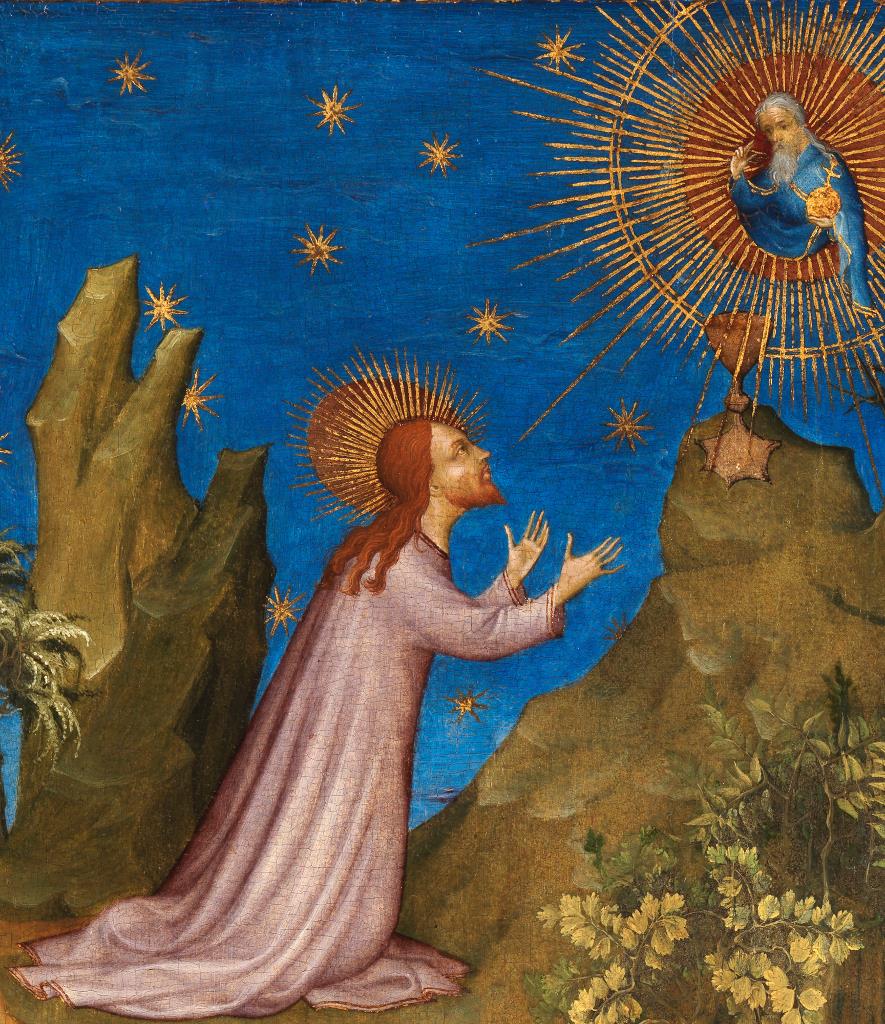
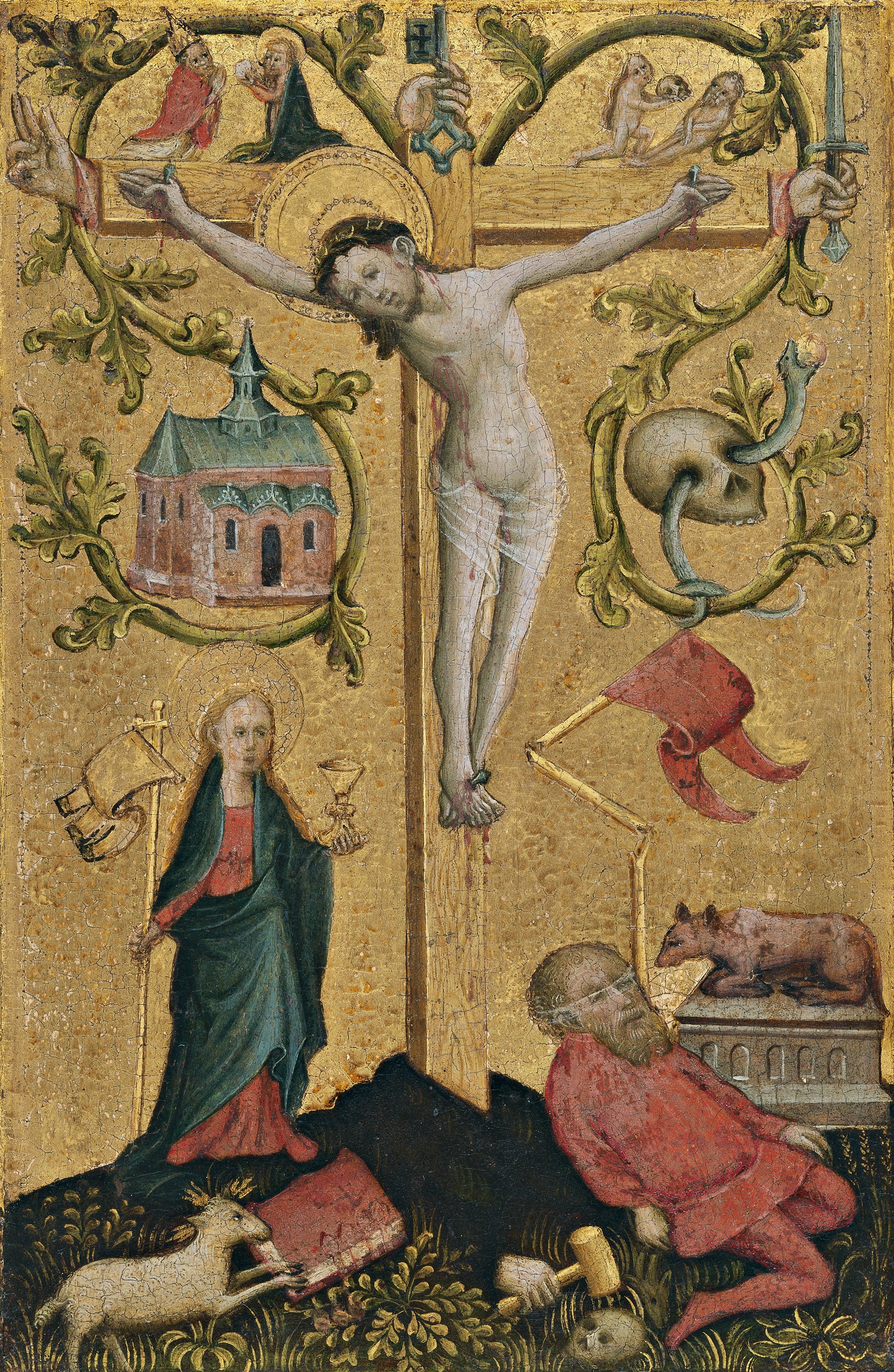
In today’s Gospel Jesus announces that the hour is upon him. Today’s Gospel also contains the Johannine equivalent of the Agony in the Garden, during which time Jesus says, “What should I say, ‘Father save me from this hour?’ No, it is for this reason that I have come to this hour”[1]. John introduces the Passion of the Lord by saying, “Jesus knew that his hour had come to depart from this world and go to the Father. Having loved his own in the world, he loved them to the end”[2]. Jesus concludes the Great Discourse of the Last Supper by praying to his Father, “the hour has come, glorify your Son so that your Son may glorify you”[3]. Obviously, when Jesus uses the phrase, hour, he isn’t merely referring to the time of day it might be. No, he is speaking about a central moment of human history. The hour is the moment that the world will be transformed. The hour is the point of human history when spiritual life will be restored. The hour is the moment when death and evil will be defeated by Love. The hour is the moment when the mortal will receive immortality. And Jesus said in today’s Gospel, “When I am lifted up from the earth, I will draw everyone to myself”[4]. The power of the cross. The power of the love of God. The central moment of human history. The hour. We Christians live in this moment, this hour. Whether we stood at the foot of the cross like Mary and John or whether we were born two thousand years later, the hour is real to us. We are there. We are always before the Lord on the cross. We kneel during the Eucharistic Prayer of the Mass and pray to the Father with the Lord as he offers his Body and Blood for us. Every Mass renews the hour. We exalt when a baby, a child or an adult is baptized because we have witnessed that person being directed into the hour, the hour where spiritual joins physical. We weep when a loved one dies, but our faith is full of hope for now the hour becomes the physical joining the spiritual. The hour of the Lord is real for us when we feel ourselves united to him on his cross, drawn to him as the Gospel prophesied, and lifted up from the burdens of this life into the realm of the spiritual. When we celebrate a funeral, the priest will often incense the body at the final commendation as a sign of our prayers rising up to God for the deceased and as a sign that the body is holy, because God dwelt there. It is all the hour of the Lord. Through the sacrificial love of Jesus Christ, his hour has become our hour, his death has become our life, our deaths have become his life, his love. In the Paradisio, the third book of Dante’s Divine Comedy the poet speaks about the whirl of love that is heaven as each person unites his or her love to the Love of God, all becoming one in love yet each remaining an individual lover. Death and life are united. Sacrifice and gift are merged. Love Conquers All! This is why we honor the cross. This is why we wear crosses around our necks. This is why the purpose of our lives is to realize, to make real, the love of Christ in our homes and in our lives. We have to allow Christ’s love to direct our lives. His hour is our hour. And his hour is upon us • AE
[1] Cf Jn 12:20-33 [2] Id 13:1 [3] Id 17:1 [4] Cfr. 12:20-33
Fr. Agustin’s Schedule for the Fifth Sunday of Lent (2021)

Saturday, March 20, 2021.
4.00 p.m. Sacrament of Confession
5.30 p.m. English Mass (Third Scrutiny for RCIA)
@ St. Peter Prince of the Apostles Catholic Church.
Sunday, March 21, 2021.
8.30 a.m. English Mass @ Our Lady of Grace Catholic Church (Outdoors mass)
10.30 a.m. English Mass @ Our Lady of Grace Catholic Church (Outdoors mass)
5.30 p.m. English Mass @ St. Peter Prince of the Apostles Catholic Church.
V DOMINGO DE CUARESMA (2021)
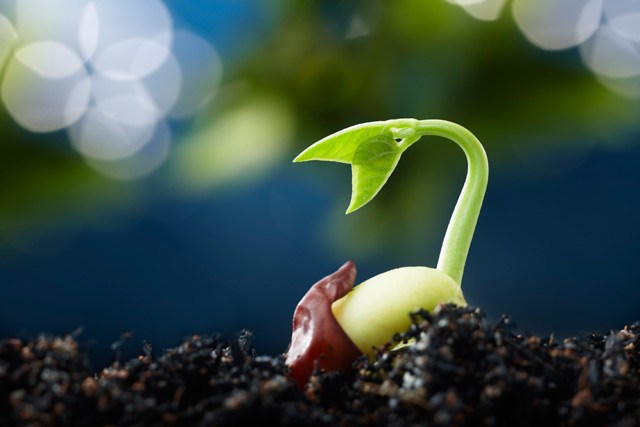
En este quinto y último domingo de Cuaresma la liturgia nos pone delante una serie de textos que podrían ayudarnos a entender, entre otras cosas, que con el final de este tiempo penitencial pasamos de la vieja a la nueva alianza. La antigua alianza se había quedado pequeña; pequeña y muerta. Ahogada en los límites estrechos de un solo pueblo, y recargada de normas y ritos que le habían ido quitando la vida. La nueva sería una alianza de amor y de perdón, consumada en el sacrificio, y a esa alianza –lo dice el Señor- no se llega sino por la muerte: «Si el grano de trigo, sembrado en la tierra, no muere, queda infecundo; pero si muere, producirá mucho fruto»[1]. La muerte como prueba suprema de amor es dar la vida por el amigo… y por el enemigo. Y la vida empieza a brotar del centro mismo de esa muerte: como arranca el tallo nuevo, con fuerza inesperada, del interior de la vieja cáscara ya inútil… Pero primero hay que apurar el cáliz hasta el final; hay que tocar fondo. ¡Qué duro de aceptar es esto! Nuestra naturaleza se rebela; pide a gritos no tener que pasar por ahí; no podemos olvidar que él también tuvo miedo: «Padre ¿Por qué me has abandonado?» Es el mismo grito que resuena en tantos hospitales, que sale de la boca de tantos enfermos desahuciados… Es el misterio del dolor. El dolor inevitable. El dolor inexplicable. Es del silencio y de la oración –como las del Señor- de donde empieza a manar un venero de agua vivificante, una fuerza para confiar y para aceptar, de ahí es de donde podríamos tomar fuerzas para decir, con Jesús «No se haga mi voluntad, sino la tuya»[2]. Aun más: «A tus manos encomiendo mi espíritu»[3]. Ciertamente no es una respuesta al misterio del sufrimiento, es apenas un pequeño hilo de luz que apunta, allá lejos, diciéndonos que el largo túnel tiene un final y la pesada noche una aurora. Es algo parecido a la esperanza, que empieza a abrirse paso entre la duda. Es así, y solo así que nuestra cruz, unida a la de Él, tenga también valor redentor • AE
[1] Cfr. Jn 12, 20-33 [2] Cfr. Lc 22, 42. [3] Id 23,46.


 LA MEDITACION DE LA ESPOSA