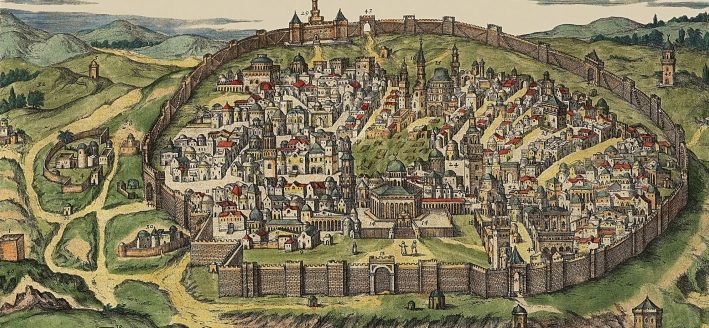

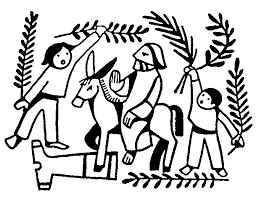
Jesus comes in riding on a donkey as the prophet Zechariah had foretold. People lay their cloaks before Him. Men and women cheered. Children sang. Jesus remained quiet. He knew that there would be a radical change in the way that most perceived Him. They were ready for a Messiah to rule them. They were not ready for a Messiah to suffer for them. And so, we come to that huge contrast, the contrast from palms to passion. We displayed this in our liturgy with the change of music and vestments, from white to red. The events we commemorate during Holy Week often re-occur in our own lives. One minute we are acclaimed, feted, made to feel altogether good about ourselves. We do have those times when people congratulate us for doing our job well, for getting good grades in school, or for some sport accomplishment, or an accomplishment in dance, music or other areas of fine arts. And then, suddenly, everything changes. Suddenly we are no longer that genius in the office, that brilliant student, that wonder on the athletic field. In this “What have you done for me lately?” world, we can find ourselves feted one moment and forgotten the next. Then when things go wrong, we wonder, “Where did the crowd go?” And we feel very much alone, as Jesus felt when only a handful of people were there to support him on the hill of Calvary. Jesus was there on the hill because he was true to Himself. He lived and died for the Kingdom of God. He lived and died to lead us to the Kingdom of God. Like the Lord, we can and must be true to ourselves. We have to realize that it is not the opinion of the masses that matter. What matters is that we are true to ourselves. If that brings us to our own cross, and it will, if that results in the crowd of supporters being reduced to just a handful of our closest friends and immediate family, and it will, so be it. Standing up for what is right and true, what is moral and just, is never going to be popular. What matters is that we are who we were created to be, reflections of God’s love in the world. If standing up for what is right and moral results in our being mocked and rejected, if there are times that we feel very alone in proclaiming and living our faith, then we are in good company. We need to be true to ourselves, our inner-selves, our spiritual selves. We need to be true to the image of God we were created to reveal to the world. We need to embrace our cross as the Lord embraced His Cross. And when we take those steps of courage, when we leap into a living faith, we need to remember that no matter what is happening around us, no matter whether we are feted or forgotten, the Lord embraces us. We remember the Lord’s Passion this week, uniting our own struggles to His. And we pray for the faith to recognize that the Lord sees us, knows our determination to live for Him, and is present to guide us through the cross to the joy of everlasting life • AE
[1] Cf. John 15:18
Fr. Agustin’s Schedule for Palm Sunday of the Lord´s Passion (2021)
Saturday, March 27, 2021.
4.00 p.m. Sacrament of Confession
5.30 p.m. English Mass @ St. Peter Prince of the Apostles Catholic Church.
Sunday, March 28, 2021.
9.00 a.m. English Mass @ St. Peter Prince of the Apostles Catholic Church.
11.00 a.m. English Mass @ St. Peter Prince of the Apostles Catholic Church.
5.30 p.m. English Mass @ St. Peter Prince of the Apostles Catholic Church.
Domingo de Ramos de la Pasión del Señor (2021)
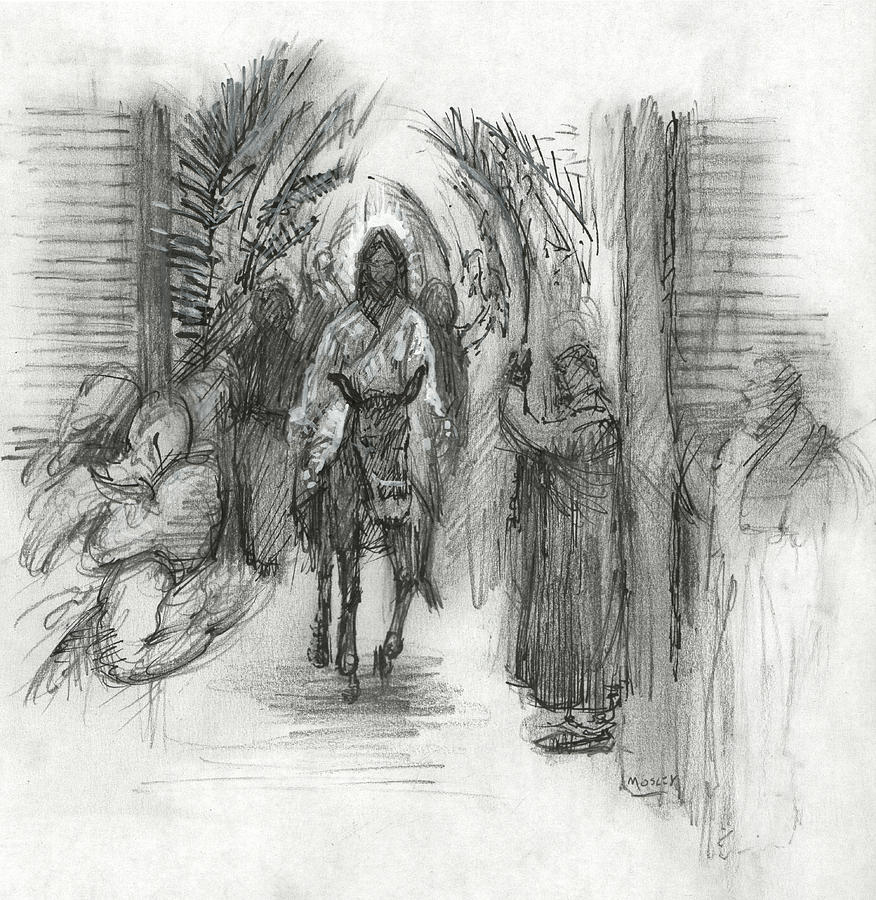
Si nos fijamos, el burro fue una de las pocas cosas que necesitó Jesús. Mandó a sus discípulos que se lo trajeran, «porque el Señor lo necesita»[1]. Jesús nunca pidió dinero, ni casa, ni comida. Por no pedir, no pidió ni que lo defendieran. Pidió, sí, un par de veces un poco de agua, a la vez que prometía veneros de agua viva. ¡Qué hermosa recompensa tendrán los que sepan ofrecer a los sedientos un vaso de agua fresca! Ahora Jesús necesita un burro. No pide un mulo o un caballo. El burro se adapta mejor, porque es paciente, es manso, es laborioso, es sencillo, es pequeño, es humilde. El burro carga con todo, como Jesús. Hay pinturas que simbolizan a Jesús como un elefante que lleva sobre sus lomos el peso del mundo. El burro vale para todos los trabajos, especialmente los humildes. Jesús se entrega a todo lo que el Padre le pide. El burro se deja conducir fácilmente. También Jesús se deja llevar enteramente de la mano del Padre. El burro no es violento, y aguanta muchos palos. Es lo que hizo Jesús en su pasión: aguantar. El burro no se presenta a concursos, ni se jacta de su trabajo, ni exige recompensas. Tampoco Jesús se presentó de manera gloriosa, sino que se ocultó en el más grande anonimato y se rebajó hasta la muerte de cruz. El burro tiene dos grandes orejas, porque está más dispuesto a escuchar que a rebuznar. Algo que va siempre muy bien con todo discípulo de Cristo. El evangelio nos da dos detalles fascinantes: «En él ningún hombre ha montado»[2]. El mismo dato lo recoge Lucas: «En él ningún hombre ha montado jamás»[3]. Este paseo de Jesús era por lo tanto una primicia, como si el burro estuviera hecho y preparado para esto. No estaba aún manchado por otras monturas y otros caminos. Estaba reservado para el Mesías y para la paz. Su misión era llevar en triunfo al princpe de la paz. Utilizamos con frecuencia la paloma como símbolo de la paz; quizá podíamos utilizar más el burro. Un detalle más. El último. Dice el evangelio, del burro, que «Luego lo devolverá»[4]. El Señor no quiere propiedades, y menos exigidas. Así que, terminada la procesión, los discípulos devolvieron el burro a sus dueños. Seguro que el burro echaría de menos tan buena montura. Hubiera sido maravilloso que en este burro nadie más hubiese montado. O, quizá, que lo montaran todos, todos los que llevaban en el corazón el mensaje de la paz. Recordando el asno, al que alude Jacob en su bendición a Judá[5], la liturgia siríaca hace un simbólico y precioso comentario: «Jacob ató un asno a una cepa de viña y esperó. Vino Zacarías, que lo desató y lo dio a su Señor» ¡Quién fuera como el burro del Domingo de Ramos! • AE
[1] Mc. 11, 3 [2] 11, 2 [3] 19, 3 [4] 11, 3 [5] Gn. 49, 11.
 LA MEDITACION DE LA ESPOSA