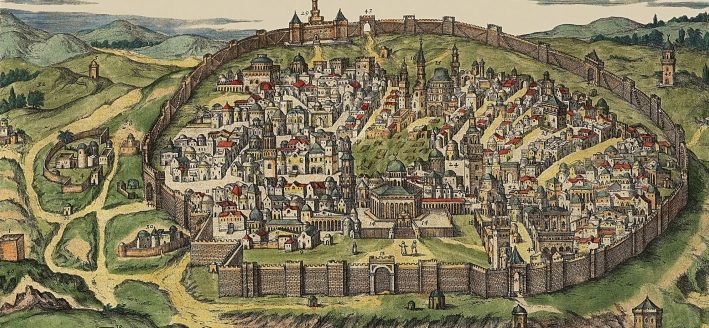
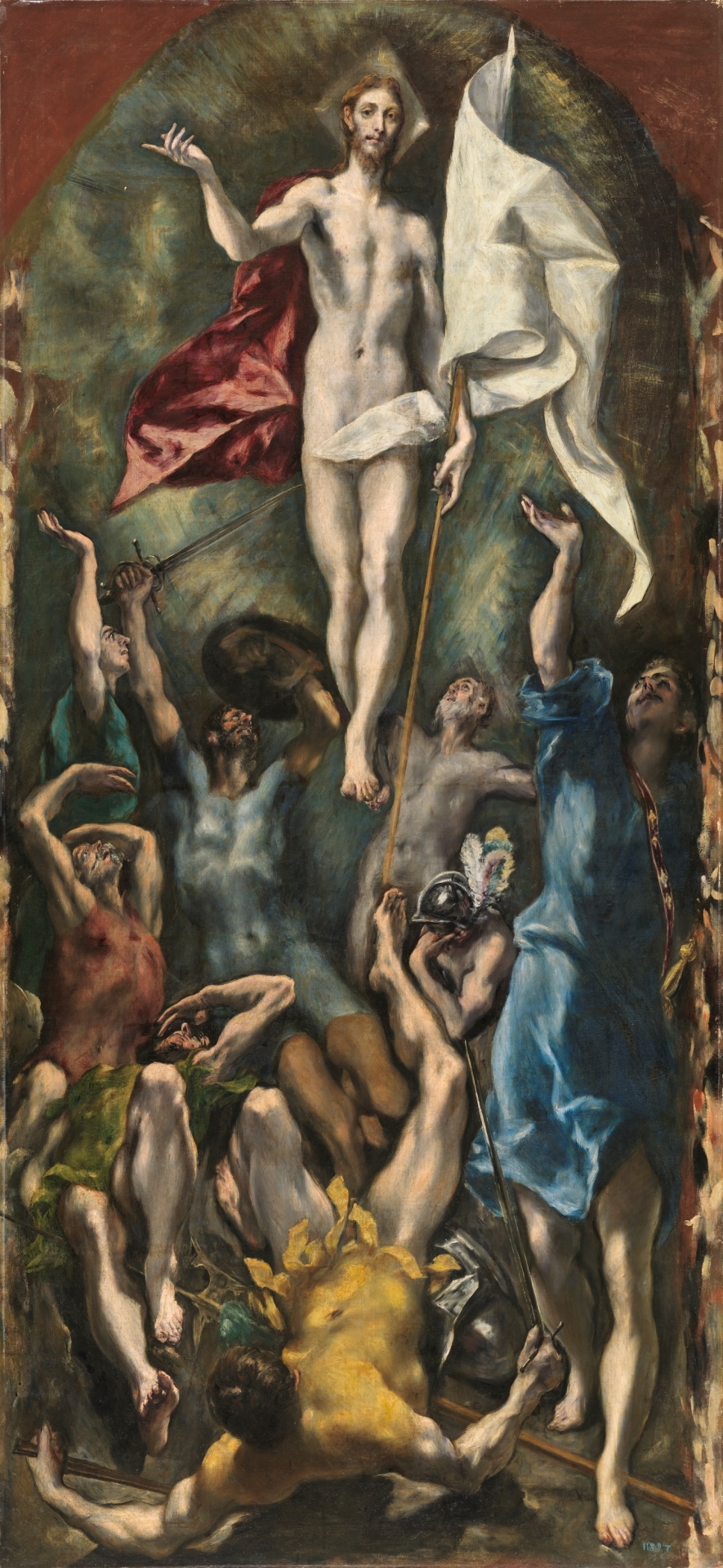
Christians, to the Paschal Victim
offer sacrifice and praise.
The sheep are ransomed by the Lamb;
and Christ, the undefiled,
hath sinners to his Father reconciled.
Death with life contended: combat strangely ended!
Life’s own Champion, slain, yet lives to reign.
Tell us, Mary: say
what thou didst see upon the way.
The tomb the Living did enclose;
I saw Christ’s glory as He rose!
The angels there attesting;
shroud with grave-clothes resting.
Christ, my hope, has risen:
He goes before you into Galilee.
That Christ is truly risen
from the dead we know.
Victorious King, Thy mercy show!
Amen. Alleluia.
With Christ on the way to the New World

In addition to attending the liturgical celebration of Easter, one of the best things we could do on resurrection morning is to listen to the New World Symphony, composed by Antonin Dvorak. The author was born in Bohemia, now part of the Czech Republic, in 1841. He became popular in Germany and then in England in the 1880’s. In 1892 he became the Director of the New York National Conservatory. During this time, he wrote his 9th Symphony which he entitled, From the New World. He wrote from America at a time when thousands and thousands of people from Ireland, Italy, Germany, and Poland were migrating from the homes their ancestors lived in for centuries to find a new life and a new world. There was the sea, the language, the search for a place to live, a job in a hostile job market. They were accustomed to receiving respect in their home towns and villages. They were belittled and insulted by many in America. Still, they endured all. Why? Well, because they wanted a better life for their children and grandchildren. They wanted their children to be able to break out of the silent caste system of Europe. So, they sacrificed their own positions of respect in their community, their own homes, their own countries, their futures, all for the sake of a new world for their children. Jesus the Christ longed for a New World for God’s children. He longed for a world where they would no longer be confined in a mortal prison by hatred, by paganism, by materialism. He grieved over people who were like sheep without a shepherd. Their lives were pointless. They wanted meaning but could not find meaning. In this way their lives were not that much different from the lives of many people of our time. Modern people spend millions of dollars on self-help books. They go to gurus. They give themselves over to modern forms of Buddhism, thinking that they can find happiness and peace within themselves. But they end up with nothing. They work much harder than they need to in order to make enough money to own everything this old world can produce. And they end with nothing of lasting value. Jesus wants to lead all of God’s children to a New World, a world which would give meaning and happiness to their lives. But the journey to the New World would take sacrifice. A Tremendous Sacrifice from a Tremendous Lover. And so, Jesus allowed the world to do its worse to Him. The terrible sacrifice took place on the cross on Good Friday. The New World was proclaimed on Easter Sunday. Those who accept Jesus would be given a new life, a spiritual life, an eternal life. The prophecy of Hosea is fulfilled. It is a prophecy that we seldom hear quoted but it means everything to us: “On the third day he will raise us up that we might live before Him”[1]. Jesus invites us to join Him on the journey to the New World. This journey demands that we also sacrifice. It demands that we reject the old, dead way of life. The journey demands that we accept being alone in a world full of mockers. They tell us that we are wasting our time, our money and our energy on religion. They say that fewer and fewer people are believing. We tell them that we would rather be in a minority with Jesus than in a majority that rejects Him. We suffer from others. We also suffer from our own selfishness. We suffer, we sacrifice, even to the point of death with Jesus. We endure much so we can have a New Life in the New World of the Lord not just for ourselves, but for our children. For if we do nothing more in our lives than lead our children to the Lord, then our lives have been a total success and have had infinite value. Our lives have meaning, and purpose and beauty because we are not satisfied with the shallow existence of materialism and self-gratification. Jesus has called us out of this darkness and death and given each of us the ability to make His presence real for others. If we just allow God to work through us, if we just strive to be that unique reflection of His love, He created each of us to be, then we will come out of the tomb of selfishness this world buries us in and live eternally. The tomb is empty, Mary Magdalene, sinner who lived it up and was dead in her sins. She found life by rejecting her sinful life. The tomb is empty Mary. But the world is full. The Savior Lives. May His life change the world. May we let His life change the world. For the world craves His New Life. And we need a New World • AE
[1] 6:2

Fr. Agustin’s Schedule for Easter Sunday of 2021

Sunday, April 4, 2021
9.00 a.m. English Mass @ St. Peter Prince of the Apostles
11.00 a.m. English Mass @ St. Peter Prince of the Apostles
DOMINGO DE PASCUA DE LA RESURRECCIÓN DEL SEÑOR
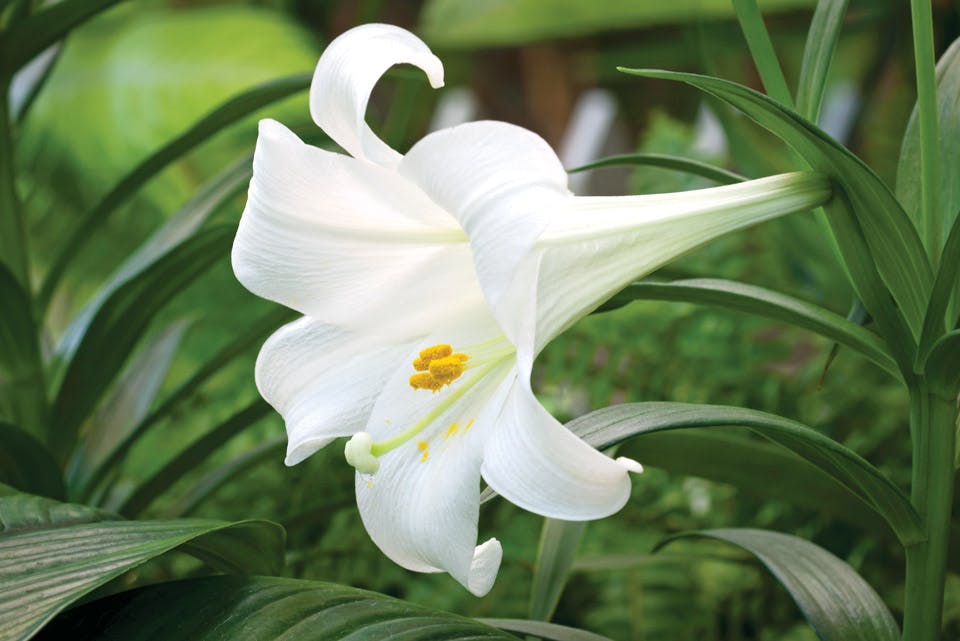
La bella flor que en el suelo
plantada se vio marchita
ya torna, ya resucita,
ya su olor inunda el cielo.
De tierra estuvo cubierto,
pero no fructificó
del todo, hasta que quedó
en un árbol seco injerto.
Y, aunque a los ojos del suelo
se puso después marchita,
ya torna, ya resucita,
ya su olor inunda el cielo.
Toda es de flores la fiesta,
flores de finos olores,
más no se irá todo en flores,
porque flor de fruto es ésta.
Y, mientras su Iglesia grita
mendigando algún consuelo,
ya torna, ya resucita,
ya su olor inunda el cielo.
Que nadie se sienta muerto
cuando resucita Dios,
que, si el barco llega al puerto,
llegamos junto con vos.
Hoy la cristiandad se quita
sus vestiduras de duelo.
Ya torna, ya resucita,
ya su olor inunda el cielo •
(Del Oficio de Laudes de la Liturgia de las Horas para el Domingo de Pascua)
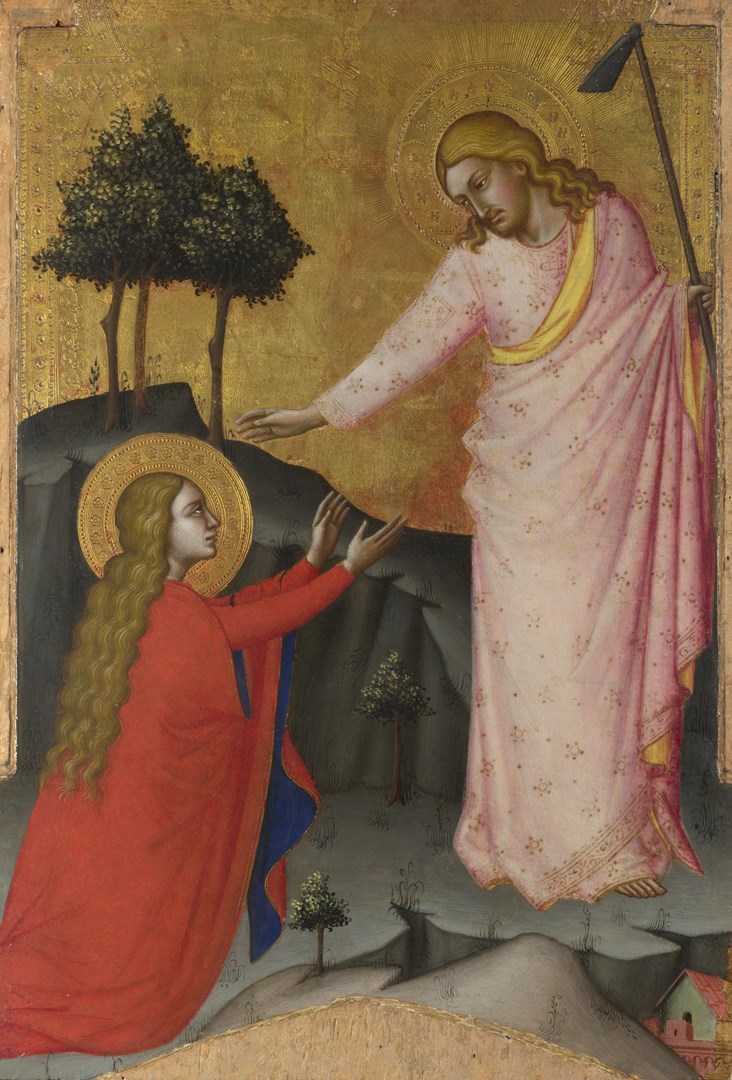
Con el evangelio de hoy, la liturgia nos dice qué necesitamos hacer para ver a Jesús como el Hombre Nuevo que es. Es el primer día de la semana, aún de madrugada, casi a oscuras, cuando la fe aún no ha iluminado nuestro día. Estamos, como Magdalena, confusos y llorosos, mirando con miedo el vacío de una tumba. Ese vacío interior que a veces nos invade: cansancio de vivir, acciones sin sentido, rutina. El vacío que se nos produce cuando estamos en crisis y los esquemas antiguos ya no tienen respuesta; cuando sentimos que tal acontecimiento o nueva doctrina nos quita eso seguro a lo que estábamos aferrados. Cuando tomamos conciencia de ello, nos asustamos, creyendo que se derrumba nuestro mundo bien armado. ¿Y Jesús? Nos lo han robado, justamente a nosotros que creíamos tenerlo tan seguro, tan bien conservado. Pensábamos que teníamos a Jesús para siempre, como si el tiempo se hubiera detenido para que nosotros pudiéramos gozar y recrearnos indefinidamente en ese mundo ya hecho y terminado. Pero sobreviene la crisis, cae ese mundo y Cristo desaparece. Y entonces pedimos ayuda, y Pedro y Juan comienzan a correr… ¿Será posible que Jesús no esté allí donde lo habíamos dejado debajo de una pesada piedra para que no escapara? Es la pregunta de la comunidad cristiana, atónita cuando algo nuevo sucede en el mundo o en la Iglesia, y debe recomponer sus esquemas. Pedro y Juan corren. Pedro, lo institucional de la Iglesia. Juan, el amor, el aspecto íntimo. El amor corre más ligero y llega antes, pero deja paso a la autoridad para que investigue y averigüe qué ha pasado. Pedro observa con detenimiento todo, pero no comprende nada, pero Juan, el discípulo a quien Jesús amaba, el que se mantuvo fiel junto a la cruz, el que vio cómo de su corazón salía sangre y agua, el que recibió a María como madre…, el Juan que compartió el dolor de Cristo, vio y creyó[1]. Intuyó lo que había pasado porque el amor lo había abierto más al pensamiento de Jesús. Pedro siempre había resistido a la cruz y al camino de la humillación; el orgullo lo había obcecado y no se decidía a romper sus esquemas galileos. Pocos días después, cuando junto al lago de Genesaret Jesús le pida el triple testimonio de amor -¿Me amas más que éstos?- y le proponga seguirlo por el mismo camino que conduce a la cruz, entonces Pedro sanará, y no solo eso sino que dará testimonio de ese Cristo resucitado que había comido y bebido con él después de la resurrección[2]. La lección del Evangelio es sencilla de comprender: sólo el amor puede hacernos ver a Jesús en su nueva dimensión; sólo quien primero acepta su camino de renuncia y de entrega, puede compartir su vida nueva. Inútil es, como Pedro, investigar, hurgar entre los lienzos, buscar explicaciones. La fe en la Pascua es una experiencia sólo accesible a quienes escuchan el Evangelio del amor y lo llevan a la práctica. El grano de trigo debe morir para dar fruto. Si no amamos, esta Pascua estará vacía, como aquella tumba. Si esta Pascua no nos hace más hermanos, nuestras palabras serán mentirosas. Si ni vivimos y crecemos en el amor, si no pasa «haciendo el bien y curando a los oprimidos[3], ¿cómo daremos testimonio de Cristo? • AE
[1] Cfr. Jn 20,1-9
[2] Cfr. Hech 10,34; 37-43.
[3] Idem.
 LA MEDITACION DE LA ESPOSA