
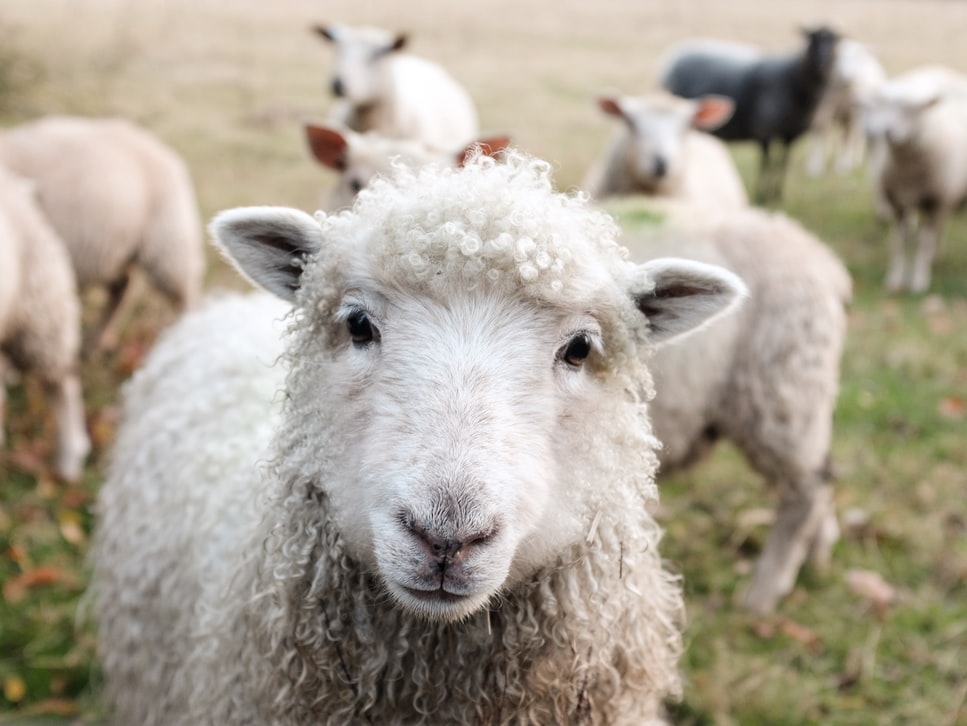
To remind us of the Lord’s concern for each one of us, to remind us that He rose from the dead to give His Life to all of us and to each of us, the liturgy of the Church presents to us today, Fourth Sunday of Easter, the Gospel of the Good Shepherd[1]. Jesus did not just die for mankind in general. He died for you. He died for me. He knows His sheep. He knows you. He knows me. In fact, He knows us better than we know ourselves. He knows everything that has affected our lives from the days when we were in our mothers’ wombs. He knows why we are more joyful or more deeply grieved than others in various situations. And He saves us from our sins. Each of us. You know, when I come upon that expression, “He saves us from our sins,” I’m tempted to limit this to something like “I can go to heaven because of the Blood of Jesus.” And that is true. But there is more, so much more to “He saves us from our sins.” By saving us from our sins, He delivers us from eternal death. We luxuriate in the Presence of Jesus Christ. We treasure this Presence. We want to remain in this Presence. We look forward to resting in His Presence forever. “May eternal rest come upon him or her,” is not just a prayer we make for others. Within it is the profound hope that we also will rest with Him. Every one of us is continually tempted to do really evil things, but giving into their temptations carries with it a huge cost. Giving in means giving up Jesus. And, by the Grace of God, we are just not going to do that. And yes, we are tempted to live a selfish lifestyle, use other people to satisfy our physical needs and behave more like animals than human beings. After all, the media presents this as normal. But for us, if hedonism is normal, we would rather not be normal. We are not going to sacrifice Jesus Christ for a few moments of pleasure. If TV and the movies portray it normal to be sinful, then we would rather be abnormal for the Lord. We would rather be crazy for Jesus in the eyes of an immoral world. And this is yet another way that He saves us from our sins. He saves us from sinning. He means too much to us for us to squander His Presence. He means too much to us for us to become presumptive, to think that, well, “I’ll sin now and ask Him to forgive me tomorrow.” Well, there may not be a tomorrow for us. What would we be like without Jesus? This is the question! Let’s us ask ourselves, and let us be honest. And then let us remember that we have the Lord. Because we value His Presence, we are protected from the physical and psychological dependencies that could easily take over our lives. Those who are sober addicts know this so well. Having the Lord in their lives results in their having an all-surpassing reason to fight off giving in to the addiction. The Lord told the parable of the merchant who found the pearl of great price. Everything was sold to purchase that pearl [2]. We have found the pearl of great price. Or perhaps, to put it better, the Pearl has found us! And now we, like the merchant, are willing to do whatever we can to hold onto that Pearl. He means more to us than anything the world can offer. Jesus Christ makes us want to be better than we are. Alleluia we proclaim. We are sheep. And the Good Shepherd has found us, every single one of us! • AE
[1] Jn 10:11-18.
[2] Cf Matthew 13:45–46

Fr. Agustin’s Schedule for the Fourth Sunday of Easter 2021.

Saturday, April 24, 2021
10.00 a.m. Reconciliation Service for Children @ Our Lady of Grace
4.30 p.m. Sacrament of Reconciliation @ St. Peter Prince of the Apostles
5. 30 p.m. Mass @ St. Peter Prince of the Apostles
Sunday April 25, 2021
9.00 a.m. Mass @ St. Peter Prince of the Apostles
11.00 a.m. Mass @ St. Peter Prince of the Apostles
5. 30 p.m. Mass @ St. Peter Prince of the Apostles
IV DOMINGO DE PASCUA
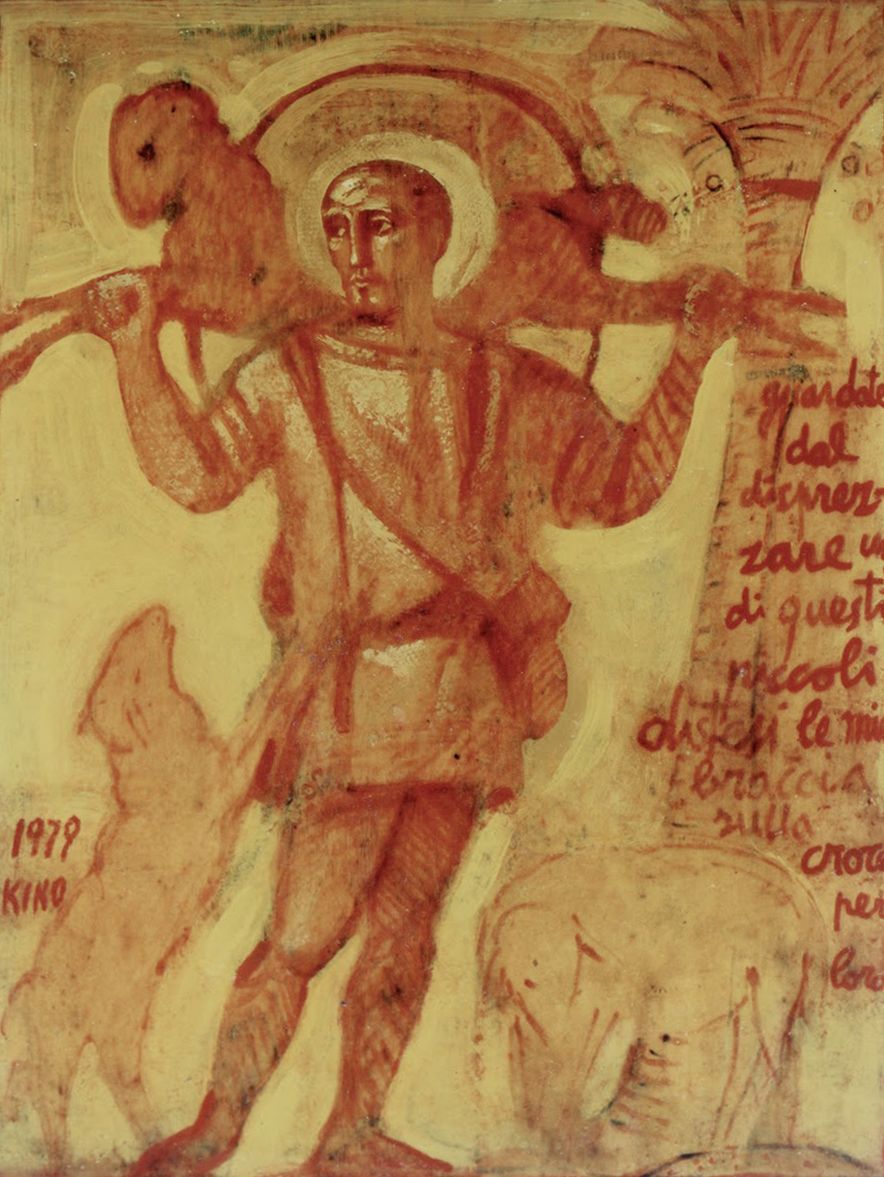
Creo que no somos del todo conscientes que muchas veces vivimos “relaciones de intercambio” donde, como decía Weber, parece “estar prohibido el amor” y el sacrificio. El intercambio se ha convertido en factor que determina muchas relaciones. Pareciera ser la principal regla de juego aquella que dice: “Yo te doy en la medida que tú me das”, y así el único principio ético consistiría en no engañar ni cometer fraude en ese intercambio. Por lo demás, uno puede dedicarse a conseguir toda clase de ventajas para sí mismo. Este principio de actuación mercantil no funciona sólo cuando nos intercambiamos artículos, servicios o favores. Es algo que llega a impregnar incluso las relaciones de los matrimonios, las parejas y los amigos, sin embargo, viviendo así estamos vaciando de amor y de amistad nuestras relaciones. Quien ama a una persona, se preocupa por su felicidad y busca antes que nada su bien. Quien, por el contrario, vive una relación mercantil, no se siente responsable del bien o la felicidad del otro; se limita a respetar sus derechos. En el fondo, no está unido amorosamente al otro, sino separado de él por su propio interés. En el amor lo decisivo es aprender a dar sin esperar a nada a cambio. Quiere, quiere, quiere, si tú quieres deveras que no te importe el por qué, que dice la sevillana esa tan bonita[1]. El que ama, sabe dar gratis. No da con el fin de recibir. Da porque ama, porque se siente dichoso al dar. Da de sí mismo, de su vida. Da lo que está vivo en él, su alegría, su fe, su escucha, su comprensión, su perdón. No se puede amar sin dar. Este amor es creador. Engendra fuerza para vivir, ayuda a crecer, crea y recrea continuamente a las personas y las parejas. Uno de los signos más claros de tal amor es la alegría que despierta en los que se aman, a pesar de los desacuerdos, conflictos y tensiones inevitables. Cuando el amor se vuelve triste es señal de que se está apagando, o de que está infectado de ese mercantilismo. Las palabras del Señor en el evangelio de este domingo, el cuarto dentro del tiempo de Pascua, podrían ayudarnos a hacer un silencioso y sereno examen de conciencia sobre este tema. Hoy Jesús nos habla del pastor bueno y del asalariado. Aparentemente los dos aman a las ovejas, sin embargo, uno busca recibir su salario -no le importan las ovejas y por ello las abandona- y el otro, el bueno, da su vida por las ovejas, porque las ama. Es justo en ese amor verdadero de Cristo Buen Pastor que podemos alimentar nuestra capacidad de amar; es ahí donde podemos purificar nuestras relaciones, para no caer en una vida puramente mercantil, y parecernos ¡ay! Un poquito más al Señor • AE
[1] https://www.youtube.com/watch?v=_H9C0_lGZG

 LA MEDITACION DE LA ESPOSA