
Wherever you go, I will follow,
Wherever you live is my home.
Though days be of blessing or sorrow,
Though house be of canvas or stone,
Though Eden be lost to the past,
Though mountains before us so vast,
You won’t be alone, I have promised
Wherever you go, I am here.
Whatever you dream, I am with you,
When stars call your name in the night.
Though shadows and mist cloud the future,
Together we bear their light.
And now together we stand
With only a promise in hand.
But lead where you dream: I will follow.
To dream with you is my delight.
And if you should fall, you will find me,
When no other friend can you claim,
If foes beat you down or betray you,
And if others desert you in shame.
If home and dreams aren’t enough,
And if you will run away from my love,
I’ll raise you from where you have fallen.
Faithful to you is my name.
And when you will die, I will be there
To sing you to sleep with a psalm,
I’ll sooth you with tales of our journey,
Your fears and your doubts I will calm.
We’ll live when this life done
Forever in mem’ry as one.
And we will be buried together,
To waken and to greet a new dawn.
Wherever you go, I will follow.
Behold! The horizon shines clear.
The possible gleams like a city:
Together we’ve nothing to fear.
So speak with words bold and true
The message my heart speaks to you.
You won’t be alone, I have promised.
Wherever you go, I am here •
Covenant Hymn by Melinda Kirigin-Voss.

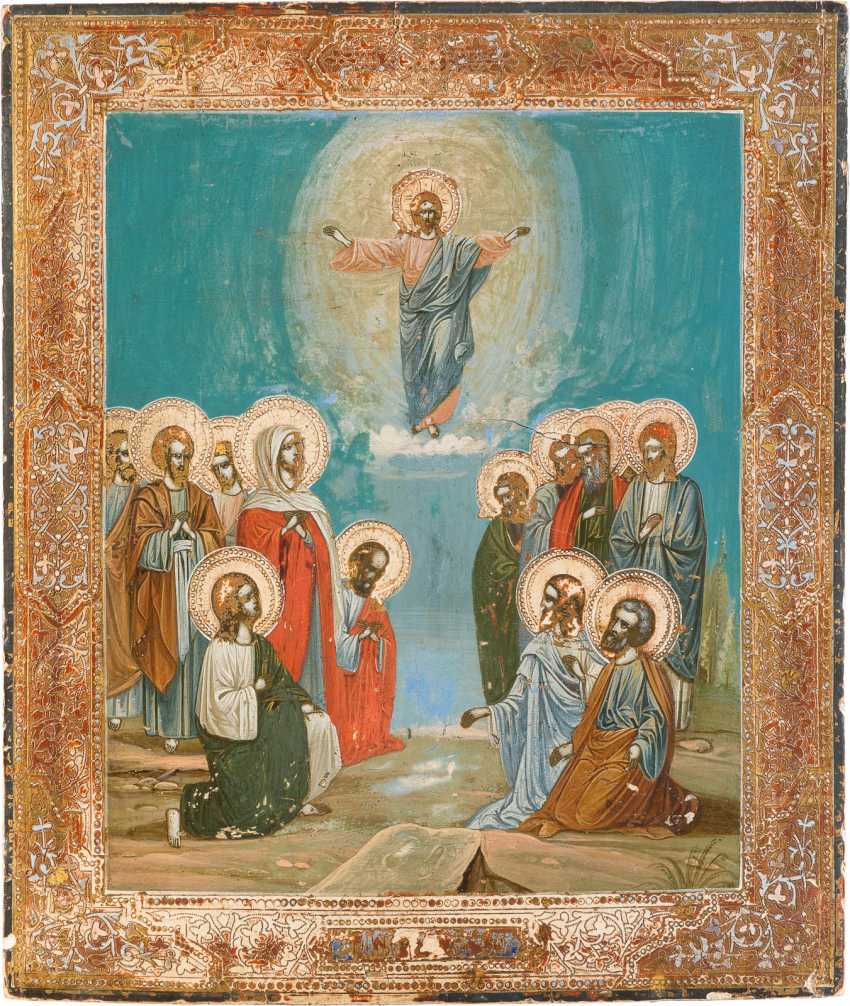
In some of the rural communities of our countries, ministers and their congregations take this passage literally. As a test of faith some will plunge their hands into a box of rattlesnakes, pull one out and hold it in front of the congregation. Some will survive. Some will die from the poison. Now these simple rural communities view the survivors as positive examples of the faith of the entire community[1]. They view those who are bit by the snakes or who die from the poison as examples of the weakness of the community’s faith. They are incorrect in interpreting Jesus’ words literally. He doesn’t want us to challenge him to heal us, nor does he want us to put ourselves in unnecessary peril. But they are correct in recognizing that faith in Jesus gives them the ability to conquer the evils of the world. And their communities are right when they credit success to the Lord and see failure as a result of their lack of faith. Allow me to say something brief about literal interpretations of the Bible. This form of fundamentalism demands that every word, every statement be believed exactly as it is written and read. For example, the fundamentalists would say that the world was created some 40,000 years ago because that is the date they best determine from Genesis. If you show them a fossil they would say that it is fake. They get so bogged down in the details that they miss the point of the message: God is the Creator. So, what was the message that Jesus was giving when he mentioned the signs of those who believed? The message was that they could fight and conquer evil in its worst forms. Jesus used snakes to represent the devil. His followers, those who believe in him, can take on and beat off the devil. He used poison to represent the evil of the world, not just a poisonous potion, but the poison that is hatred, the poison that is materialism, prejudice, the drug culture, the sex culture, polarization, seeing all who disagree with us as enemies, and on and on. Jesus said that his followers would be able to take on the poison of the world and defeat it. Then he ascended into heaven. Peter and the apostles didn’t grieve that he was gone. Mary Magdalene and the girls didn’t resume their crying. No, they were too busy! Instead they got to work and proclaimed the wonders and the beauties of Jesus’s life. The devil went after them and all who followed them in full battle array. He convinced others to torture them and expel them from their communities and friends. He talked some into killing them, but the devil didn’t win. He couldn’t stop the work of the Kingdom of God. They beat off the snake. All the evil of the world went to war against Jesus’ followers. The poisons that destroy the soul, that destroy life attacked them. The Christians didn’t go into hiding. They took on the poison of the world and found a life free of evil, a life of meaning, the Christian life. Jesus ascends to heaven and then says to us: «Get to work. Fight off the snake, the devil. Fight off poisons of the world. You can win these victories. You can win them because I really haven’t left you. I am with you. My spirit, the Holy Spirit, strengthens you». We all have poisons that we have to fight off in our lives. We all have our own demons. Some are of our own making. Some are imposed upon us by others or by situations beyond our control. One person wages a continual battle against alcohol. Another against drugs. One is fighting to be in Christian relationships with others. One must deal with the fact that her family is not what it should be. Another is suffering the terror of abuse. All of us are fighting selfishness. These and so many other demons and poisons of the world attack us, but they can’t beat us down. We will win against the evil of the world because we have the greatest weapon there ever was. We possess Jesus Christ! Jesus ascends into heaven and assumes his place as Lord of heaven and earth. When Jesus ascended into heaven, his followers went on offense. They didn’t cower in a room, afraid of what the enemies of God’s kingdom would do to them. Instead, they took the battle to the devil. They preached everywhere. That’s what we are all called to do. We are called to take the battle to the enemy. We are called to combat moral evil wherever it exists, within us and around us. We are called give people the Gospel, the good News. The Good News is this: there is a much better life than the one the world paints as ideal. There is a life where every action has meaning. There is a life of fulfillment. This life is the life of the Lord. That’s the Good News. Life is infinitely better when it is lived united to Jesus Christ. Snakes will attack for sure. But we, the people of the Ascended Lord will beat it all off. How? Well, the gospel explains how in its last words: « while the Lord worked with them and confirmed the word through accompanying signs»[2]. We don’t wage this war alone. We fight with the might of the Lord Jesus Christ. And with him on our side, how can we possibly lose? • AE
[1] “Snake handling”, also called “serpent handling”, is a religious rite observed in a small number of isolated churches, mostly in the United States, usually characterized as rural and part of the Holiness movement. The practice began in the early 20th century in Appalachia and plays only a small part in the church service. Participants are Holiness, Pentecostals, Charismatics, or other evangelicals. George Went Hensley (1880–1955) is often credited with introducing snake handling practices into the Church of God Holiness, an association of autonomous Christian Methodist congregations, founding the Dolly Pond Church of God in Birchwood, Tennessee, around 1910.
[2] Cf Mk 16:15-20

Fr. Agustin’s Schedule for the Solemnity of the Ascension of the Lord (2021)

Saturday, May 15, 2021
4.30 p.m. Sacrament of Reconciliation @ St. Peter Prince of the Apostles
5. 30 p.m. Mass @ St. Peter Prince of the Apostles
Sunday May 16, 2021
10.30 a.m. Mass @ Our Lady of Grace
12.00 p.m. Mass @ Our Lady of Grace
5. 30 p.m. Mass @ St. Peter Prince of the Apostles
Solemnidad de la Ascención del Señor (2021)
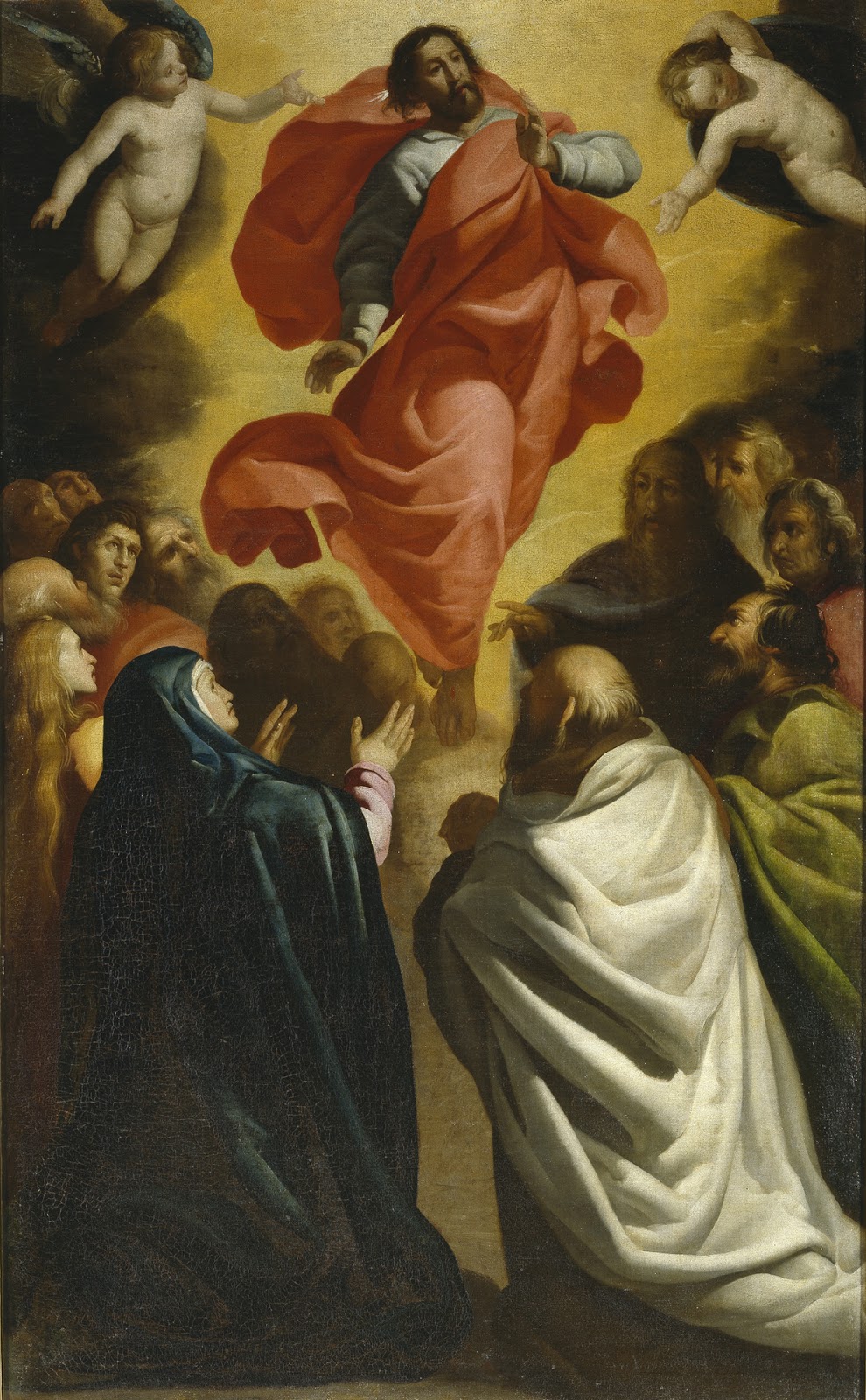
Es tan poca la atención que le ponemos a la Ascensión de Cristo, que su hondo significado nos pasa casi desapercibido. La Ascensión nos ofrece la clave para entender la dinámica del cristianismo después de la marcha del Señor Cristo y la pedagogía para vivir la fe de manera responsable y adulta. Para entender el significado de la Ascensión, hemos de recordar el diálogo entre Jesús y sus discípulos: «Yo me voy al Padre y vosotros estáis tristes… Sin embargo, os conviene que yo me vaya para que recibáis el Espíritu Santo»[1]. La tristeza y preocupación de los discípulos tiene una explicación. Desean seguridad: tener siempre junto a ellos a Cristo para que les resuelva los problemas o, al menos, les indique el camino seguro para encontrar la solución. Es la tentación de vivir la fe de manera protegida, infantil e irresponsable. La respuesta de Jesús cobra particular importancia en estos tiempos en que parece crecer en ciertos sectores de la Iglesia la tentación del inmovilismo, el miedo a la creatividad, la nostalgia por reproducir un determinado cristianismo, esa regresión al seno materno. La pedagogía de Cristo consiste en ausentarse para que pueda crecer la libertad de sus seguidores. Sólo les dejará la impronta de su Espíritu. Así hace el buen papá y el buen maestro: han de retirarse en un determinado momento y dejar sólo su inspiración para no ahogar la creatividad, sino permitir el crecimiento responsable y adulto. Siempre es tentador vivir de manera infantil la religión, sin mediación alguna de la propia conciencia, buscando en la letra del evangelio soluciones prefabricadas para nuestros tiempos o pretendiendo que la autoridad religiosa nos dicte sin ambigüedad y con precisión absoluta la doctrina que hemos de creer y las normas morales que hemos de cumplir. Este fideísmo infantil que raya en el fundamentalismo, y en el que la persona no ejercita su propia libertad, engendra, tarde o temprano, ateísmo pues llega un momento en el que el hombre, para ser responsable y adulto, siente la necesidad de eliminar al Dios de esa religión. Hoy celebramos la Ascensión del Señor, un momento estupendo para recordar que vivimos el tiempo del Espíritu, tiempo de creatividad y crecimiento responsable, ya que el Espíritu no nos da nunca recetas concretas para los problemas, pero cuando lo acogemos, nos hace capaces de ir buscando caminos nuevos al evangelio de Cristo • AE
[1] Cf Jn 16, 7

 LA MEDITACION DE LA ESPOSA