
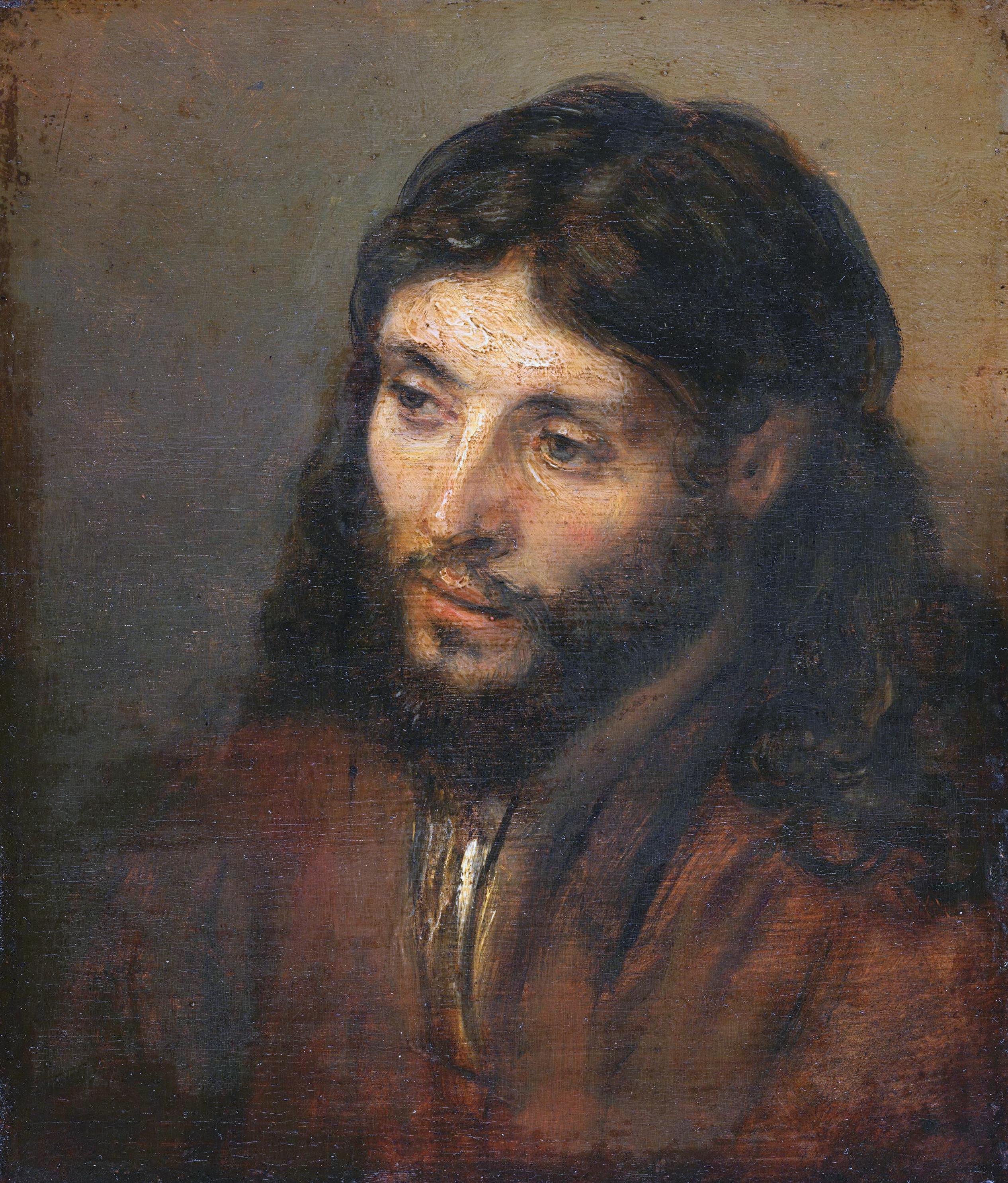
Jesus did not have cultural power like the scribes. He was not an educated intellectual. He also did not possess the sacred power of the temple priests. He was not a member of an honorable family, nor did he belong to the urban elites of Sephoris or Liberia’s. Jesus was a humble worker from an unknown village in Galilee. He had not studied in any rabbinical school. He was not dedicated to explaining the Law. He was not concerned with doctrinal discussions. He was never interested in temple rites. People saw him as a teacher who taught to understand and live life differently. According to Mark, when Jesus arrived in Nazareth accompanied by his disciples, his neighbors were surprised by two things: the wisdom of his heart and the healing power of his hands. It was what most attracted people. Jesus was not a thinker who explained complicated doctrines, but a prophet who communicated his experience of God and taught how to live under the sign of love. He was not an authoritarian leader who imposed his power, but someone who alleviated suffering around him. It didn’t take long for the people of Nazareth to discredit Jesus. They neutralized his presence with all kinds of questions, suspicions and misgivings. They did not allow themselves to be taught by him, nor did they open themselves to his healing force. Jesus could not bring them closer to God, nor heal them all as he would have liked. The point is that Jesus cannot be understood from the outside. We have to get in touch with him. The invitation today is to let him gradually introduce us into his life, his divine life! When we approach Jesus, he do not force us: he invites us to live in a new way, under his grace and mercy; we cannot forget this! But to experience his saving power, it is necessary to allow him to heal us: little, recovering inner freedom, being free from fears that paralyze us. Jesus continues today laying on his hands, but only those who believe in him can be healed • AE


O, beautiful, for spacious skies,
For amber waves of grain,
For purple mountain majesties
Above the fruited plain!
America! America!
God shed His grace on thee,
And crown thy good with brotherhood,
from sea to shining sea.
O, beautiful, for pilgrim feet
Whose stern, impassioned stress
A thoroughfare for freedom beat
Across the wilderness!
America! America!
God mend thine ev’ry flaw;
Confirm thy soul in self control,
thy liberty in law!
O, beautiful, for heroes proved
In liberating strife,
Who more than self their country loved
And mercy more than life!
America! America!
May God thy gold refine,
Til all success be nobleness,
and ev’ry gain divine!
O, beautiful, for patriot dream
That sees beyond the years,
Thine alabaster cities gleam
Undimmed by human tears!
America! America!
God shed His grace on thee,
And crown thy good with brotherhood,
from sea to shining sea!
Fr. Agustin’s Schedule for the Fourteenth Sunday in Ordinary Time.

Saturday, July 3, 2021
4.00 p.m. Sacrament of Reconciliation @ St. Dominic Catholic Church (main church)
5.00 p.m. Mass @ St. Dominic Catholic Church
Sunday, July 4, 2021
7.30 a.m. Mass @ St. Dominic Catholic Church
10.30 a.m. Mass @ St. Dominic Catholic Church
12.00 p.m. Mass @ St. Dominic Catholic Church
3.00 p.m. Mass (Spanish) @ St. Dominic Catholic Church

XIV Domingo del Tiempo Ordinario (Ciclo B)
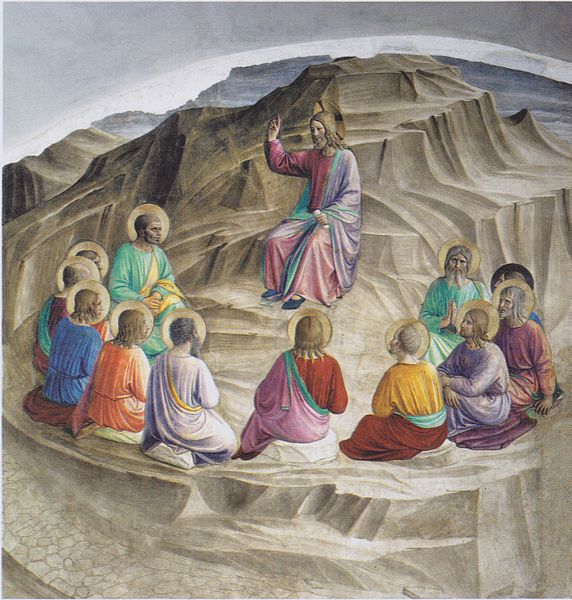
El relato no deja de ser sorprendente. Jesús fue rechazado precisamente en su propio pueblo, entre aquellos que creían conocerlo mejor que nadie. Llega a Nazaret, acompañado de sus discípulos, y nadie sale a su encuentro, como sucede a veces en otros lugares. Tampoco le presentan a los enfermos de la aldea para que los cure. Su presencia solo despierta en ellos asombro. No saben quién le ha podido enseñar un mensaje tan lleno de sabiduría. Tampoco se explican de dónde proviene la fuerza curadora de sus manos. Lo único que saben es que Jesús un trabajador nacido en una familia de su aldea. Todo lo demás «les resulta escandaloso». Jesús se siente « despreciado»: los suyos no le aceptan como portador del mensaje y de la salvación de Dios. Se han hecho una idea de su vecino Jesús y se resisten a abrirse al misterio que se encierra en su persona. Jesús les recuerda un refrán que, probablemente, conocen todos: «No desprecian a un profeta más que en su tierra, entre sus parientes y en su casa». Al mismo tiempo, Jesús «se extraña de su falta de fe». Es la primera vez que experimenta un rechazo colectivo, no de los dirigentes religiosos, sino de todo su pueblo. No se esperaba esto de los suyos. Su incredulidad llega incluso a bloquear su capacidad de curar: «no pudo hacer allí ningún milagro, sólo curó a algunos enfermos». Marcos no narra este episodio para satisfacer la curiosidad de sus lectores, sino para advertir a las comunidades cristianas que Jesús puede ser rechazado precisamente por quienes creen conocerlo mejor: los que se encierran en sus ideas preconcebidas sin abrirse ni a la novedad de su mensaje ni al misterio de su persona. ¿Cómo estamos acogiendo a Jesús los que nos creemos «suyos»? En medio de un mundo que se ha hecho adulto, ¿no es nuestra fe quizá infantil y superficial? ¿No vivimos demasiado indiferentes a la novedad revolucionaria de su mensaje? ¿No es extraña nuestra falta de fe en su fuerza transformadora? ¿No tenemos el riesgo de apagar su Espíritu y despreciar su Profecía? Esto mismo le preocupa a San Pablo: «No apaguéis el Espíritu, no despreciéis el don de Profecía. Revisadlo todo y quedaos sólo con lo bueno» (1 Tes 5, 19-21) ¿No necesitamos algo de esto los cristianos de hoy? • AE

 LA MEDITACION DE LA ESPOSA