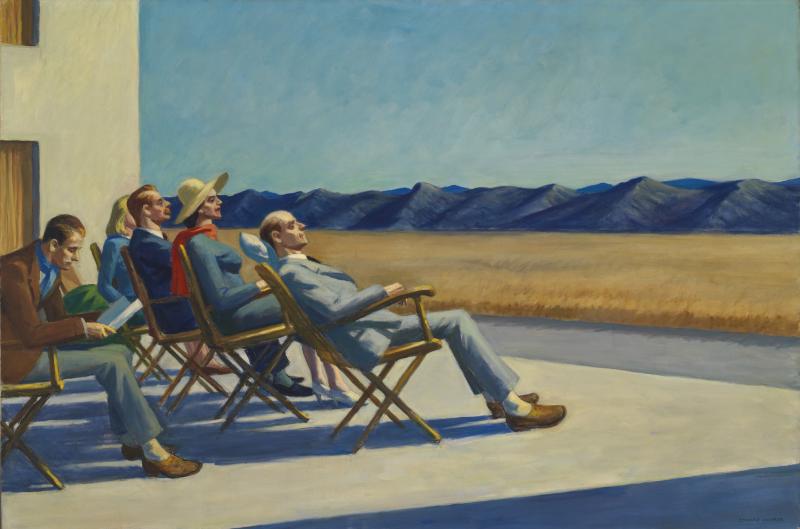
The Lord invites his apostles to rest a little. Perhaps the Liturgy is inviting us to consider how we rest. Making a good vacation is an art. Some people think that it is enough to organize the time wisely to get all that kind of enjoyment and fun. Well, it is not that easy! Few things are more painful than seeing people arrive on vacation with a battered spirit and body more tired than ever from the crazy rhythm of summer. You can live a pleasant vacation that, at the same time, improves our quality of life. Taking vacations is, above all, freeing oneself from the dependence and subjection of work to live in relaxation and rest. Some people need to continue their work in some way and are not comfortable without doing nothing. This is a mistake. Work is important, but it does not exhaust the meaning of our existence or reveal its most fundamental and hopeful dimension. The good Christian must learn to live freely and freely enjoying rest, quiet coexistence and joyful contact with nature. In other words: Time spent «doing nothing» is not wasted time, resting is far more than just inactivity. This summer distancing can help us find ourselves, get a clearer vision of our life and even being aware of mistakes and stuff that need to be corrected. Holidays generally offer the possibility of living more freely and creatively, but it is precisely this freedom and lack of daily routine that can create problems. Some people do not know how to «kill time», others need to schedule all their activities. The key lies in living creatively, enjoying free time in body and spirit, around nature and friends, enjoying music and art and real prayer life. There are many ways to hear the call of Jesus: «Come to a quiet place to rest a little.» We must not forget, however, that whoever does not love, cannot rest and rejoice. «Ubi caritas gaudet, ibi est festivitas», Saint John Chrysostom used to say, «where love awakens joy, there are festivities! • AE


Fr. Agustin’s Schedule for the Fifteenth Sunday in Ordinary Time
Sunday, July 11, 2021
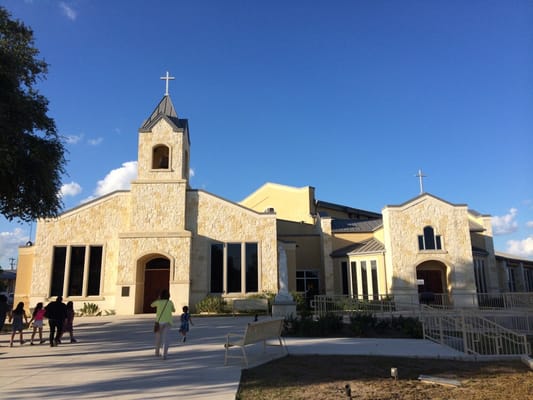
7.30 a.m. Mass (English) @ St. Dominic Catholic Church
10.30 a.m. Mass (English) @ St. Dominic Catholic Church
Dear friends, in these weeks of transition I am adapting to the schedule and customs of my new parish community. As you can see, on this weekend’s schedule, I don’t have an official confession schedule, but that doesn’t mean I’m not available. I always am! Please, if you need the Sacrament of Reconciliation, send me an e-mail (agusestrada@gmail.com) and we will find the best time to celebrate the Sacrament of joy. This applies even to every weekday. There is always time for a spiritual talk! Fr. Agustin
XVI Domingo del Tiempo Ordinario
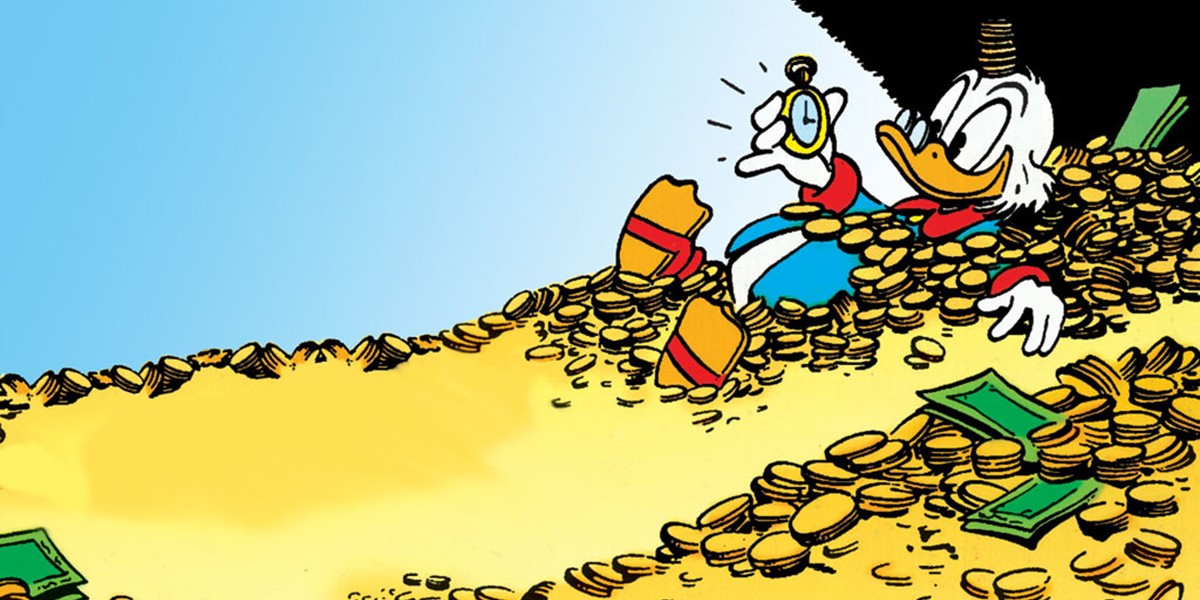
Los cristianos nos preocupamos mucho de que la Iglesia cuente con medios adecuados para cumplir eficazmente su tarea: recursos económicos, presencia social, plataformas de comunicacion eficientes. Nos parece lo más normal. Sin embargo, cuando Jesús envía a sus discípulos a prolongar su misión, no piensa en lo que deben llevar consigo, sino precisamente en lo contrario: lo que no deben llevar. El estilo de vida que les propone es tan desafiante y provocativo, que pronto las generaciones cristianas lo suavizaron. ¿Qué hemos de hacer hoy con estas palabras de Jesús?, ¿borrarlas del evangelio?, ¿olvidarlas para siempre?, ¿tratar de ser también hoy fieles a su espíritu? Jesús pide a sus discípulos que no tomen consigo dinero ni provisiones. Y es que el mundo nuevo que él busca no se construye con dinero. Su proyecto no lo sacarán adelante los ricos, sino gente sencilla que sepa vivir con pocas cosas porque han descubierto lo esencial: el reino de Dios y su justicia. No llevarán alforjas, al estilo de los filósofos que llevaban colgando del hombro una bolsa donde guardaban las limosnas para asegurarse el futuro. La obsesión por la seguridad no es buena. Desde la tranquilidad del bienestar no es fácil crear el reino de Dios como un espacio de vida digna para todos. Sus seguidores irán descalzos, como las clases más oprimidas de Galilea. No llevarán sandalias. Tampoco túnica de repuesto para protegerse del frío de la noche. La gente los debe ver identificados con los últimos. Si se alejan de los pobres, no podrán anunciar la Buena Noticia de Dios a los más necesitados. Para quienes seguimos a Jesus, cosa buena es perder el poder, la seguridad y el prestigio social, todo eso que con tanto celo atesoramos cuando la Iglesia lo dominaba todo. Perderlo practicamente todo podria ser una bendición si nos conduce a una vida más fiel al Senor y a su evangelio. El poder no transforma los corazones; la seguridad del bienestar nos aleja de los pobres; el prestigio nos llena de nosotros mismos. Jesús imaginaba a sus seguidores de otra manera: liberados de ataduras, identificados con los últimos, con la confianza puesta totalmente en Dios, curando a los que sufren, buscando para todos la paz. Sólo así se introduce en el mundo su proyecto. Este fin de semana podriamos deternos en esto, y pedirle a Jesus su luz para entenderlo • AE

LIBROS PARA EL VERANO (2021)

No sé si Jesús, que recomendaba a sus discípulos “llevar un bastón para el camino», tambien aconsejaría hoy a los suyos un buen libro como compañero de viaje. Anyways, el descanso del verano puede ser buena ocasión para una lectura reposada y relajante que oxigene nuestro espíritu. Aquí dejo unas pocas ideas; un modesto servicio de orientación. Comienzo por sugerir los libros de Phil Bosmans. Pueden ser una inyección de energía, serenidad y alegría de vivir para quienes se sientan cansados interiormente y desalentados: La alegría de vivir; Sí a la vida; El derecho al amor; Las flores del bien. Todos estan publicados por Ediciones 29. Entre la inmensa literatura existente sobre la oración, me decido por dos pequeños libros de Jean Lafrance porque pueden conducir espontáneamente al lector a un clima de oración: Cuando oréis, decid Padre y La oración del corazón. Ambos en Ediciones Narcea. Para quienes buscan a Dios en el interior mismo de la vida, apunto dos preciosos libros del pensador rumano Ladislao Boros, el segundo de carácter meditativo: Experimentar a Dios en la vida (Herder); Encontrar a Dios en el hombre (Ed. Sígueme). A quien desee conocer una buena síntesis de la fe católica escrita, recomiendo sin dudar La fe de los católicos de B. Chenu y F. Coudreau (Ed. Sígueme). Es una obra extensa, pero de fácil lectura. Cada edad tiene sus problemas peculiares. Quienes rondan los cincuenta no se arrepentirán de leer el sugerente librito La mitad de la vida como tarea espiritual de A. Grün (Ed. Narcea). Y para los de edad un poquito más avanzada, un sabroso libro: Nuestros abuelos de A. Francia (Ed. Paulinas) A leer! • AE


 LA MEDITACION DE LA ESPOSA