

Sadly, it seems that when it comes to religion, many people resort to relativism. They decide that they can determine what is a teaching of the Church, or what they feel is moral or immoral. You see this reflected in today’s Gospel. In this the third of five weeks on the Sixth Chapter of John, people who have heard Jesus say that He is the bread that has come down from heaven do not want to listen to his teaching. Now this is after they had witnessed his multiplying the loaves and fish. This is after they heard about his walking on the water. This is after they had learned about the great signs Jesus worked in healing people. He had a wonderful teaching for them. He was offering them the gift of His Body and Blood. But they did not want to hear it. They had decided for themselves who this Jesus was. “To me, the Jesus is just one of us. He can’t be giving us a new teaching,” they said using the Ad Hominem argument, the attack on the person instead of considering the statement that person made. And so, they refused to hear Jesus explain that their prophets had predicted that they would be taught by God. They would not consider that Jesus’ wonders were signs that He had come from the Father. They were not open to hear that those who believed in Him would have eternal life. They scoffed at His declaration that He is the Bread of Life. They did not want to hear that those who eat this bread will live forever. They had decided for themselves what they would believe. As a result, they rejected Jesus, His Teaching, and His Gift of eternal life. Many people are held captive to what Pope Emeritus Benedict XVI called the Dictatorship of Relativism. They decide for themselves what the truths of our faith are or what they should or should not do to live the Christian life. They may not say those words, but we witness this in people who treat Holy Communion as a sacramental instead of as a sacrament. A sacramental is a devotional object or practice to remind us of some aspect of our faith. Signing ourselves with holy water is a sacramental. It reminds us of our baptism. Receiving ashes at the beginning of Lent is a sacramental. This practice reminds us of our dependence on God. Sacramentals are useful but are totally optional. The Eucharist is not a sacramental. It is a sacrament! It is the real presence of Jesus Christ uniting His Body and Blood to us and presenting us with Him to the Father. Holy Communion is the Bread of Life that we need to eat to have eternal life. Yet, some people will treat communion as a sacramental, an option that may or may not be received. So, they say, “To me Holy Communion is something I do when I go to Church, but it is not necessary for me to receive it; so, I do not attend Mass every Sunday.” People simply relegate the teaching of Jesus Christ as inferior to their own perception of the truths of the faith. They are bound by the dictatorship of relativism. This also takes place in the Church’s teachings on morality. Some people will say, “To me there is nothing wrong with two people who love each other having marital relations outside of marriage even though they are married to other people.” They refuse to accept the Church’s teaching #Magisterium on fidelity in marriage because it does not fit their own perception of morality. The “to me this teaching means….,” or “to me this or that is moral or immoral,” are the same faulty ways of understanding and living the faith that are reflected in today’s Gospel. My brother, my sister: it is not up to us to decide what faith and morality is or is not. It is our duty and responsibility to learn what the Church teaches and to follow these dictates. Period. Does this sound too radical? It certainly is, but the following of Christ is radical! In doing this we are protecting ourselves from the relativism that renders all teaching superfluous, even that teaching which emanates from Christ Himself. May this weekend we find a little moment to meditate on this • AE

Nineteenth Sunday in Ordinary Time

Fr. Agustin’s will be out of town during the Nineteenth Sunday in Ordinary Time and he will resume his regular schedule on Monday August 9, 2021 with the 8.30 a.m. Mass.
XIX Domingo del Tiempo Ordinario (Ciclo B)
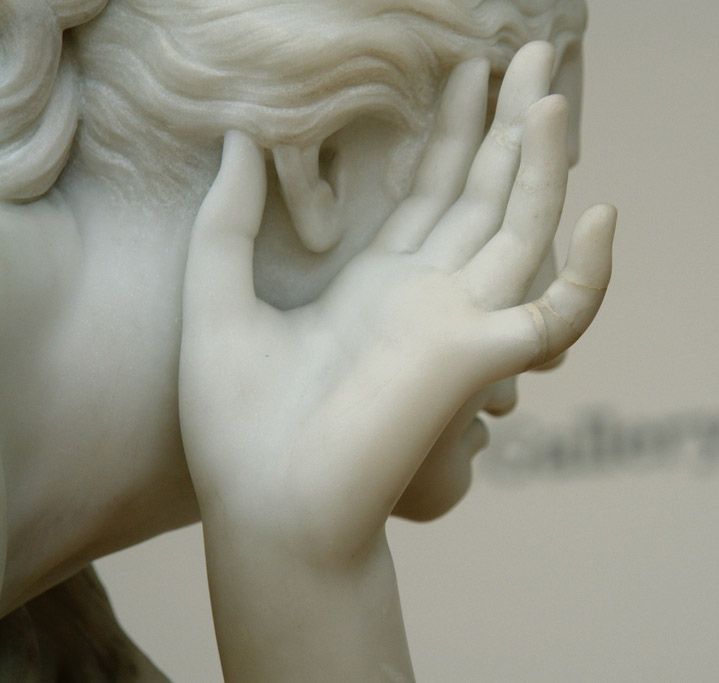
La incredulidad no es, como más de algun@ ha llegado a pensar, una «deformación perversa del espíritu», o algo propio de hombres malvados y retorcidos que pretenden enfrentarse con Dios. No. La incredulidad es una tentación que siempre estará presente en nuestra vida, y que empieza a echar raíces en nuestro corazón desde el momento mismo en que decidimos caminar de espaldas a Dios. Vivimos en una sociedad donde creer en Dios es como anticuado, como algo poco importante y fácil arrinconar en algún lugar muy secundario de nuestra vida. Lo sencillo es vivir como si Él no existiera ¿Qué puede significar hoy para muchos hombres y mujeres la invitación de Jesús a escuchar al Padre? Los que nos decimos creyentes hemos ido perdiendo la capacidad para escuchar a Dios. No es que Dios no hable, sino que llenos de ruido, posesiones y autosuficiencia, no sabemos ya percibir su voz. Esta es la mayor de nuestras tragedias porque al no escucharlo, lo echamos de nuestra conciencia. Cada vez más intentamos ocultarnos a su mirada amorosa. Preferimos otros dioses con quienes vivir con más tranquilidad. El Concilio Vaticano (¡siempre tan criticado!) nos recordaba que «la conciencia es el núcleo más secreto y el sagrario del hombre, en el que se siente a solas con Dios, cuya voz resuena en el recinto más íntimo de aquélla»[1]. Cuando perdemos la capacidad de escuchar la voz de Dios en el fondo de nuestra conciencia, corremos el riesgo de gritar colectivamente afirmaciones muy solemnes sobre el amor, la justicia, la solidaridad y honestidad, pero sin darles luego cada uno un contenido práctico en nuestras propias vidas, y así vivimos fracturados. Este domingo, en nuestro rato de oración, podríamos pedir al Espíritu de Dios que nos regale su luz y su sabiduría para no olvidar que vamos construyendo nuestra vida no tanto en los acontecimientos ruidosos sino en esas horas calladas en las que Él nos habla y nos invita a ser dóciles, obedientes. A confiar en Él • AE
[1] Constitución Pastoral Gaudium et Spes, sobre la Iglesia en el mundo actual, n. 16.

 LA MEDITACION DE LA ESPOSA