
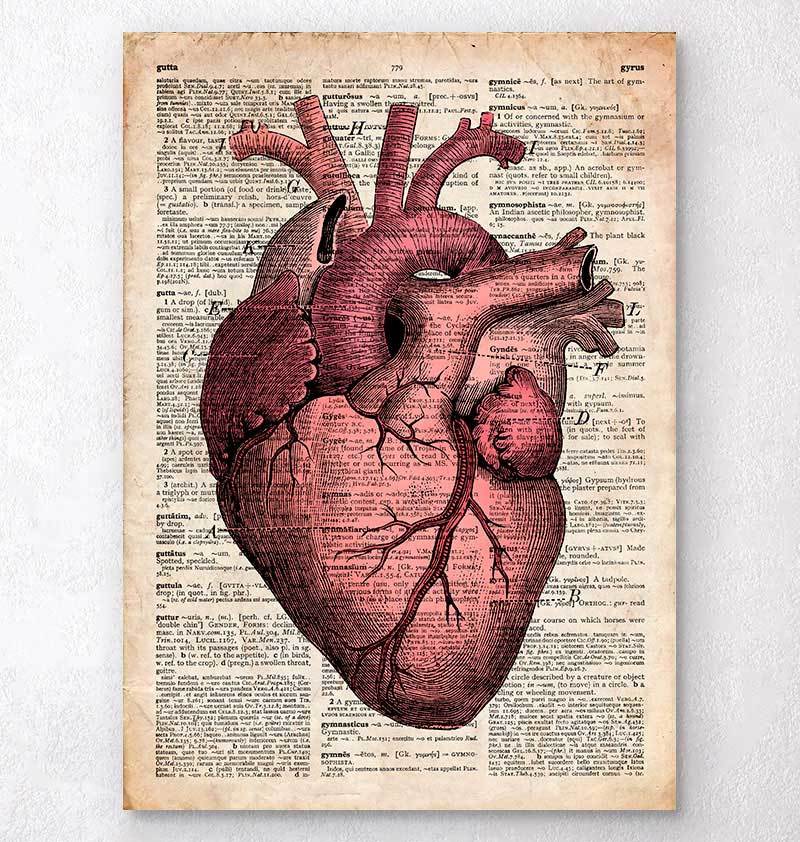
We are back to St. Mark again. As you notice, we have left the Bread of Life — the five lovely, wonderful Sundays dedicated to Jesus, our Bread of Life and Light of the World — and now we’re back to basics with the gospel of St. Mark that is going to take us through the rest of the year in this Gospel[1]. And as Mark is, one thing can be said: he’s very practical. In today’s gospel, Jesus confronted the Pharisees because of their hypocrisy. They never observed the law that they multiplied for their people. This is a dangerous way of life that we (especially, priest and religious, the modern-day Pharisees), must be careful of. We must not live a hypocritical life, or even make life difficult for others. Furthermore, by saying that: “What comes out of a man is what defiles him,” the Lord is inviting us to do a deep examination of conscience. The malicious intentions, the hatred, pride, the corrupt tendencies we harbor in our heart are really what define and make us who we are. They are the vices that make us bad. We must evict them before they rock our spiritual boat. They are the real and hidden enemies that we must fight and defeat daily. The quality of our life is measured by the quality of our heart and mind. If our mind and heart are poisoned and sick, our body would be sick a thousand time more, even without one knowing it. So, the most important thing that God needs from us is a pure heart as Christ taught us: “Blessed are the pure in heart, for they shall see God”[2]. And the best way to be faithful to God’s command is to allow our hearts to be transformed by the grace of God. So, rather than pay excessive attention to the letters of the law and physical purity, let us pay attention and ponder on St. Paul’s advice: “Let your hearts be inwardly transformed, so that you will know the will of God”[3]. God’s will is his law. It must motivate us to love others, and to avoid evil. It must evoke true repentance and a sincere will to forgive others. It must keep us firm in faith. Above all, it must move us pursue only what is good, just, noble and holy. Easy? No. Impossible? No way! With the grace of God everything is possible! • AE
[1] When it comes to the Sunday Scripture readings, we have the three cycles A, B and C. These are sometimes called the Year of Matthew (Cycle A), the Year of Mark (Cycle B), and the Year of Luke (Cycle C). [2] Mt 5, 8. [3] Rom 12, 2.

Fr. Agustin’s Schedule for Twenty-second Sunday in Ordinary Time

Sunday, August 29, 2021.
7.30 a.m. English Mass @ St. Dominic Catholic Church
10.00 a.m. English Mass @ St. Dominic Catholic Church
XXII Domingo del Tiempo Ordinario (Ciclo B)
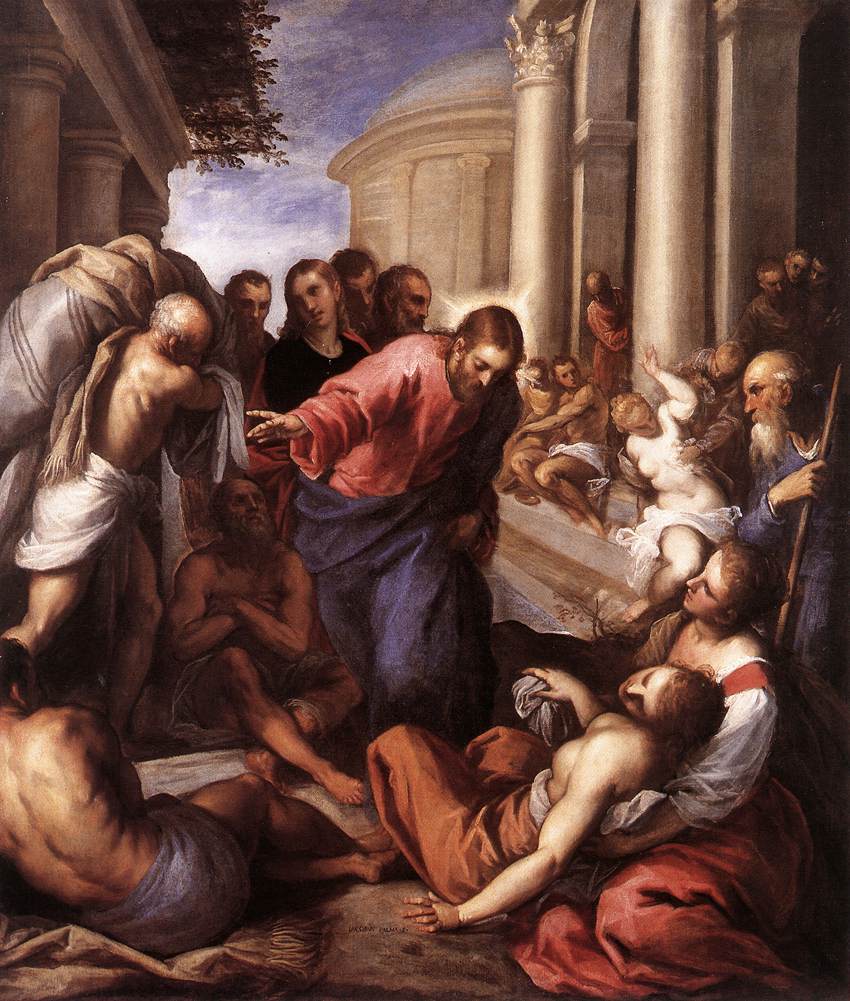
P. Giovane, Cristo curando al paralítico de la piscina de Betsaida (1592), óleo sobre tela, Museo de la Academia (Venecia).
Los primeros cristianos recordaban a Jesús, no como un hombre religioso, sino como un profeta y, desde luego, alguien cercano a los enfermos y a los oprimidos, como alguien que no vivía la observancia de la ley por encima de las personas, un hombre -que era Dios- que buscaba siempre hacer la voluntad de su Padre. Marcos, el evangelio más antiguo, presenta a Jesús en conflicto con los sectores piadosos de la sociedad judía. Entre sus críticas más radicales hay que destacar dos: el escándalo de una religión vacía de Dios, y el pecado de sustituir su voluntad, que sólo pide amor, por tradiciones humanas. En el evangelio de este domingo, Jesús cita al profeta Isaías: «Este pueblo me honra con los labios, pero su corazón está lejos de mí. El culto que me dan está vacío porque la doctrina que enseñan son preceptos humanos»[1], diciendo después dónde está la trampa: «Dejan a un lado el mandamiento de Dios para aferraros a la tradición de los hombres»[2]. Éste es el pecado en el que con tanta frecuencia caemos: una vez que hemos establecido nuestras normas y tradiciones las colocamos en el lugar que sólo debe ocupar Dios. Las respetamos por encima incluso de Su voluntad. No dejamos pasar la más mínima prescripción, aun cuando vaya contra la ley del amor. Seamos sinceros: honramos a Dios con los labios, pero a veces nuestro corazón está lejos de él; recitamos el Credo, pero creemos lo que nos conviene; cumplimos ritos, pero no hay una obediencia interior a Dios. Y es asín que poco a poco nos vamos olvidando de Dios, para luego olvidar que lo hemos olvidado. En otras palabras: empequeñecemos el evangelio para no tener que convertimos demasiado. Orientamos caprichosamente la voluntad de Dios hacia lo que nos interesa y olvidamos su exigencia absoluta de amor. Pasa el tiempo y ya no echamos en falta a Jesús; olvidamos qué es mirar la vida con sus ojos. En nuestro rato de oración en algún momento del fin de semana podríamos pedirle al Espíritu de Dios la claridad que necesitamos para distinguir lo esencial de lo accidental; la fuerza para cumplir la Ley de Dios lo mejor que nos sea posible, pero sin lastimar nunca la ley del amor • AE
[1] Mc 7, 1-8. 14-15. 21- [2] Ídem.

 LA MEDITACION DE LA ESPOSA