
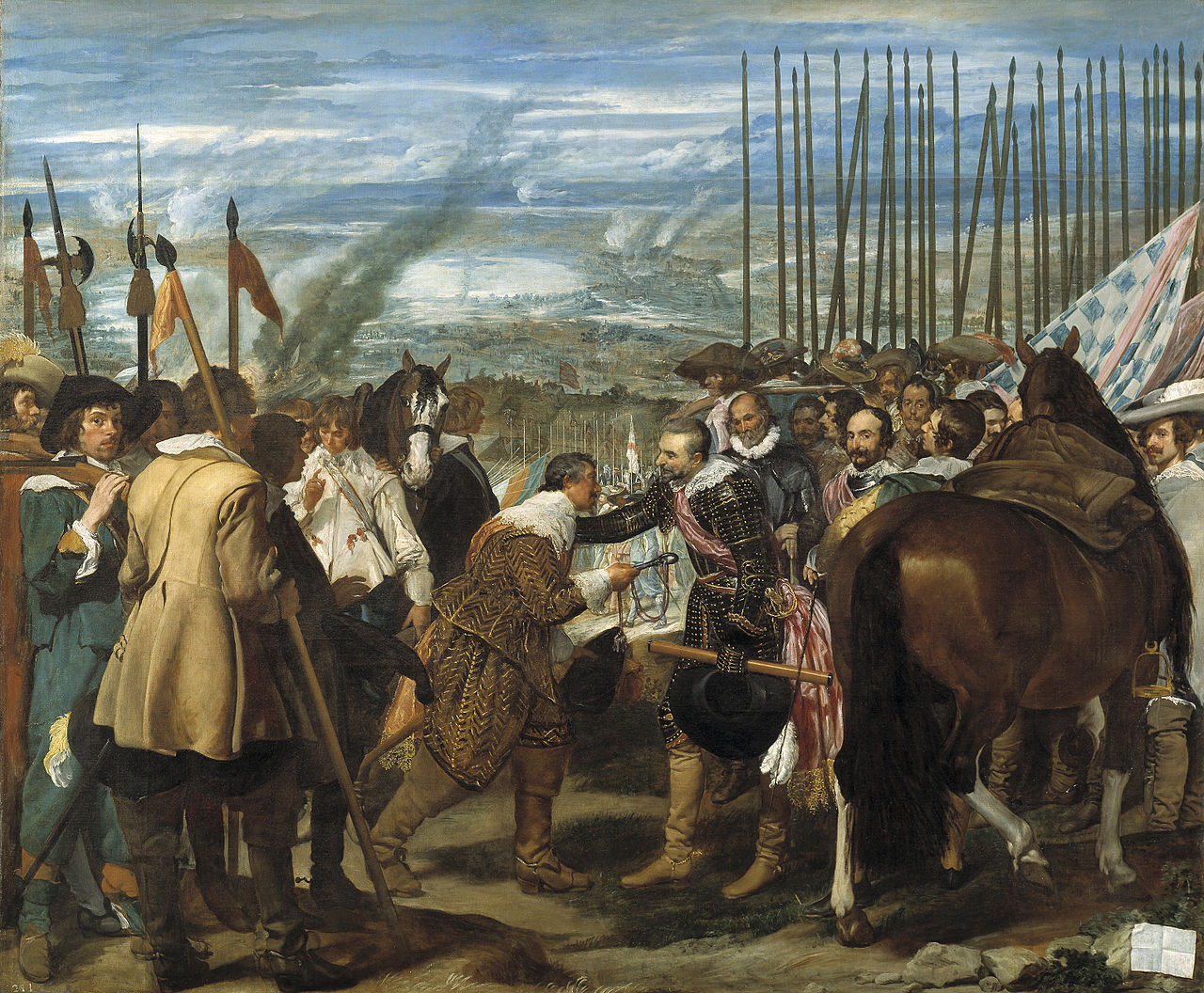
In today’s second reading from the first chapter of Paul’s Letter to the Philippians, Paul’s words are a wonderful gift to the fledgling Christian community at Philippi[1]. He says how much he loved them and how much more, infinitely more, God loves them, so if we want to give someone a really great gift, what we should give them what Paul gave the Philippians, the love of Christ! It is easy to be hard and cold towards people, even at Christmas time. We can give gifts that say nothing more than, «I am fulfilling an obligation.» We can step in our anger and our upset over what has happened in the past. Or we can give the gift of the Lord’s love. If we continue to love someone, even if that person has hurt us, even if that person does not respond to our love, we will give a lasting gift. Maybe the person will remain determined to refuse our love, but God’s love is powerful. The person who has experienced the love of God cannot help but recognize it. This is how we are called to love. This is the gift we are called to give. Perhaps, if we swallow our pride and allow ourselves to love others, we can join the prophet Baruch of our first reading[2]. He spoke to the Jews who were in exile in Babylon. These people knew that they had brought their suffering on themselves. Like Baruch we need to say to those who are hurting in the own self-inflicted pain: «[Jerusalem], take off your robe of mourning and misery; put on the splendor of glory from God forever.» Perhaps, if we set our anger aside, we can join John the Baptist in preparing the way for the Lord into someone’s heart[3]. There is nothing greater that we can give anyone than sincerely loving them as the Lord loves them. The love of the Lord is selfless, sacrificial, and complete. His love is selfless. It is difficult to love in this way, being selfless. This type of love demands that we ignore what the other person thinks about us. We all have people in our lives who respond to our being kind and caring with something like: «So, what got into you?» or «Don’t think that I’m going to forget the past just because you are being nice today.» It is really difficult to take ourselves and our feelings out of the equation and just allow God to love through us. But we are not important. He is. The Love of the Lord is sacrificial. It is also difficult to love in a sacrificial way. It is difficult to put someone before ourselves, particularly when that person scorns us. But that is what Jesus did on the cross. He put everyone before Himself, including those people who mocked and attacked him. He forgave those people who crucified Him, even the brutal executioners. When Jesus commanded us to take up our crosses and follow Him, He was telling us to love like He loved, even though this type of love, sacrificial love, carries a heavy cost. So, how can we give anything more at Christmas than to let people know that they also are loved? They are loved by us, and they are loved by God. What greater gift can we give to others than our prayers that they may grow in the love of the Lord every day of their lives? This is a wonderful time of year. More than any other time of year, we realize the great joy of Christianity: We live wrapped in the arms of our loving God, our God who calls us to join Him in loving His people • AE
[1] Cf Phil 1:4-6, 8-1 [2] Cf Bar 5:1-9[3] Cf Lk 3:1-6

Fr. Agustin Schedule for the Second Sunday of Advent

Saturday, December 4, 2021.
3.00 p.m. Sacrament of Reconciliation
5.00 p.m. English Mass @ St. Dominic Catholic Church
Sunday, December 5, 2021.
7.30 a.m. English Mass @ St. Dominic Catholic Church
10.00 a.m. @ St. Dominic Catholic Church
II Domingo de Adviento (Ciclo C)
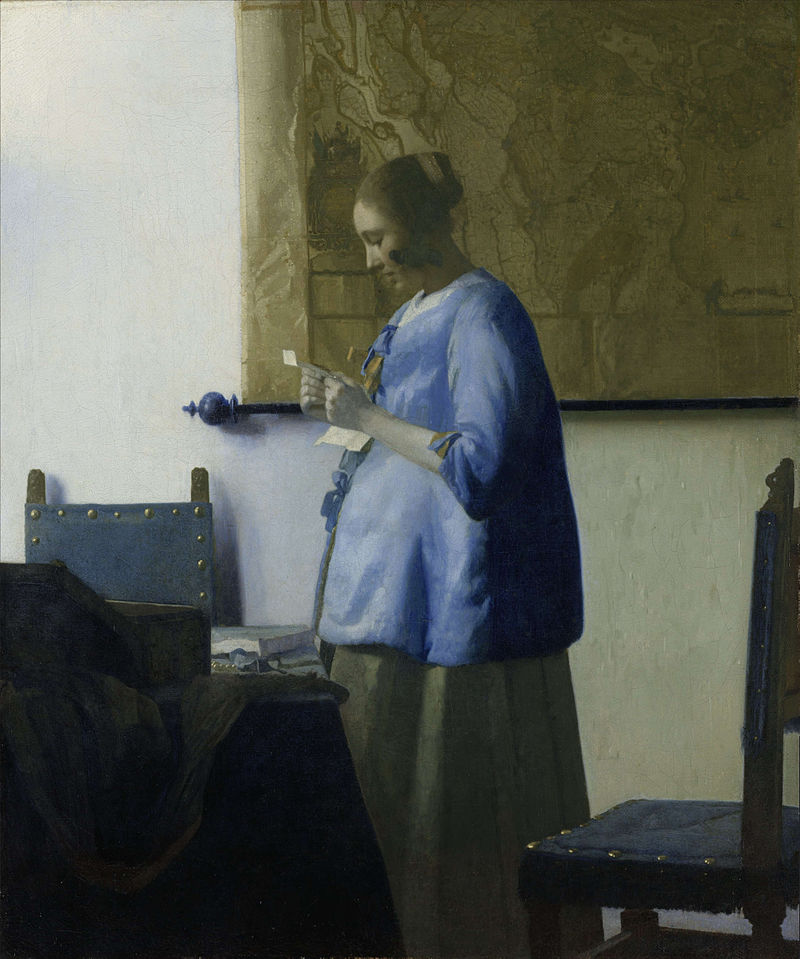
Dentro de cada uno de nosotros hay un mundo casi inexplorado que muchos hombres y mujeres no llegan siquiera a sospechar. Viven sólo desde fuera. Ignoran lo que se oculta en el fondo de su ser. No es el mundo de los sentimientos o los afectos. No es el campo de la sicología o la psiquiatría. Es un país más profundo y misterioso. Se llama interioridad. Ahí es donde nace la pregunta más simple y elemental del ser humano: ¿Quién soy yo? Y las demás (preguntas) que brotan sin cesar: ¿De dónde vengo? ¿Por qué estoy en la vida? ¿Para qué? ¿En qué terminará todo esto? Son preguntas que nos colocan inmediatamente ante el misterio. De todo esto sabemos poco; quizá lo único cierto es que caminamos por la vida como a oscuras. Mucha gente no tiene hoy tiempo ni humor para hacerse estas preguntas. Bastante hace uno con vivir, trabajar, sacar adelante una familia y enfrentarse con un poco de ánimo a los problemas de cada día. Y, ciertamente, para adentramos en ese mundo de las preguntas últimas de la vida, se necesita una cierta calma y silencio. La agitación, las prisas o el exceso de actividad impiden al ser humano escucharse hacia adentro. Nos hace falta todos los días, como dice bellamente P. Loidi, «un buen rato de inactividad para adentramos descalzos en nuestro mundo interior». La mejor manera de adentrarnos es meditando en las palabras de Juan el Bautista en el evangelio de este domingo, y junto a él preparar los caminos del Señor, es decir, hacer silencio interior y escuchar esas preguntas, sencillas pero profundas, que brotan desde nuestro interior, estando más atentos al misterio que nos envuelve y penetra por todas partes. San Anselmo lo decía de manera maravillosa: «Ea, hombrecillo, deja un momento tus ocupaciones habituales, entra un instante en ti mismo, lejos de tus pensamientos. Arroja fuera de ti las preocupaciones agobiantes; aparta de ti tus inquietudes trabajosas. Dedícate algún rato a Dios y descansa siquiera un momento en su presencia»[1] • AE
[1] Cfr. Proslogion, n. 1; El texto completo puede leerse aquí: Anselmo, obispo de Canterbury: Proslogion, 1 (vatican.va)
El Mesías

El Mesías, (en inglés, Messiah), es un oratorio en inglés compuesto por Georg Friedrich Händel en 1741, con un texto bíblico recopilado por Charles Jennens de la Biblia del rey Jacobo. Su estreno tuvo lugar en Dublín el 13 de abril de 1742. Un año después se presentó en Londres. Después de una acogida de público inicial modesta, el oratorio ganó popularidad y finalmente se convirtió en una de las obras corales más conocidas e interpretadas con mayor frecuencia en la música occidental. Händel se había ganado su reputación en Inglaterra, donde vivía desde 1712, gracias a sus composiciones de ópera italiana. Se pasó al oratorio en inglés en la década de 1730 en respuesta a los cambios de gusto del público. La obra comienza, en la Parte I, cantando las profecías de Isaías que hacen referencia al Mesías. La anunciación a los pastores es la única escena tomada de los Evangelios. Händel escribió El Mesías para conjuntos vocales e instrumentales modestos, con arreglos opcionales para muchos de los efectivos. En los años posteriores a su muerte, se adaptó la obra para la interpretación a una escala mucho mayor, con orquestas y coros gigantes. En otros esfuerzos por actualizarlo, se revisó y amplió su orquestación por, entre otros, Wolfgang Amadeus Mozart (Der Messias). A finales del siglo xix y principios del xx, la tendencia ha sido reproducir con una mayor fidelidad las intenciones originales de Händel, aunque las producciones del «gran Mesías» continúan en aumento. Escuchar El Mesías en estos días de Adviento y en ésta fantástica versión le hace mucho bien al espiritu • AE
 LA MEDITACION DE LA ESPOSA