

This Sunday’s Gospel once more presents John the Baptist. He is the one who pointed to Jesus and called him the Lamb of God. He was the one who lived as a radical prophet, wearing animal skins and eating locusts and demanding a radical change in the way people lived. Our generation likes to close an eye to this aspect of John’s life, but it is this aspect, this demand for continual and radical change, that fascinated the people of the centuries. In today’s Gospel the people gather around John and ask, «What is it that we should do?» Not what should others do to prepare for the Kingdom. Not how should the government change to prepare for the Kingdom. Not how should the Temple worship change to prepare for the Kingdom, but, simply and perhaps more difficult, what shall we do? John told the people to be charitable. They should give the poor their surplus. The tax collectors are told to be honest, not using their position to enrich themselves. The soldiers are told to stop harassing and intimidating people. John the Baptist challenged the people to be lovable. He also challenges us. He challenges us to adopt a whole new attitude in life, an attitude of sacrificial love. This is the love that others will witness in us as a sign that the Kingdom of God is near. St. Paul put it this way to the Philippians. «Let your gentleness be known to everyone, for the Lord is near.» So, what is it we should do to prepare for the Lord? The first thing we should do is to look at how we treat other people and then make and effort to be kind, considerate and lovable. The second thing on our to do list should be to ask for God’s help and forgiveness for those times that we go out of our way not to be lovable. Christmas can be the most hypocritical day of the year when we go through the motions of being at peace with all while at the same time we are still looking for ways to repay insult with insult, upset with upset, nastiness with nastiness. Anger for things that others have said to me or done to me swells up in me when I least expect it and wants to boil over in rage. Now if I am warm and fuzzy with those who have occasioned this anger while I am looking for an opportunity to repay them for their viciousness, I am a hypocrite. John the Baptist was a radical. He called people to make a radical change in their lives. Sometimes we let the sentimentality of Christmas get in the way of our the call of the prophet. Christmas is about a radical change in the world and a radical change in ourselves. Maybe we cannot forget a hurt. But we have no right to let that hurt continually destroy us. We enter into the realm of sin when we let the actions of others be an excuse for our joining them in breaking charity. What shall we do? Well, we need to develop and nurture our prayer lives. We need to make the time to speak to the Lord, giving him at least fifteen minutes a day. Actually, we are not giving the Lord anything. We are making this time for ourselves to come closer to the one who is calling us. I’m sure that all of you, particularly our busy parents with little ones at home, would say, «Come on Father, you have got to be kidding. I am so busy with things that I have to accomplish, how do you think that I am going to squeeze in another half hour in this busiest of seasons.» If something is really important, we make the time for it. It makes no difference how busy we are. This is important. We need to be with the Lord everyday, even if it means getting up a bit earlier or going to sleep a bit later. «Rejoice,» Church tells us on this, Gaudete, or Rejoice Sunday, rejoice in the Lord who is about to come • AE

Fr. Agustin Schedule for the Third Sunday of Advent (Gaudete Sunday)

12.30 p.m. English Mass @ St. Dominic Catholic Church
3.00 p.m. Misa en Español @ St. Dominic Catholic Church
III Domingo de Adviento (Domingo Gaudete)
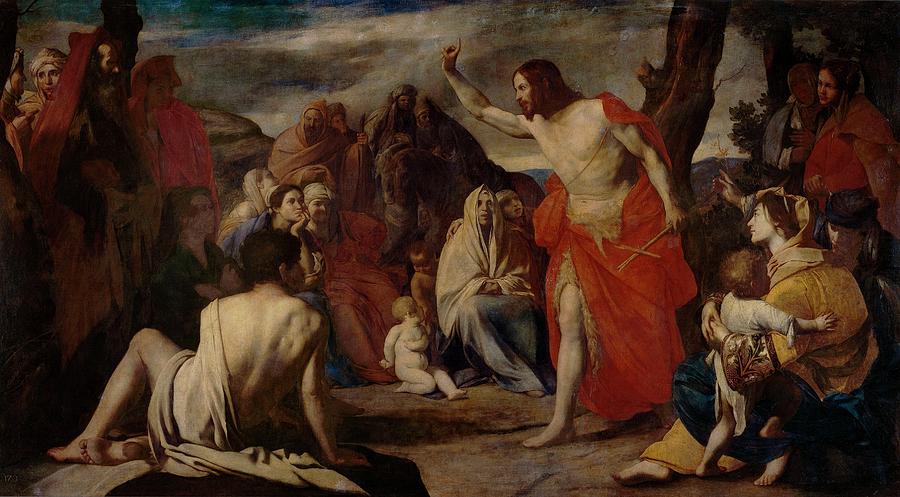
La Palabra del Bautista desde el desierto tocó el corazón de quienes lo escuchaban. Su llamada a la conversión y al inicio de una vida más fiel a Dios despertó en muchos de ellos una pregunta concreta: ¿Qué debemos hacer? Es la pregunta que brota siempre en nosotros cuando escuchamos una llamada radical pero no sabemos cómo concretar nuestra respuesta. El Bautista no les propone ritos religiosos ni tampoco normas ni preceptos. No se trata propiamente de hacer cosas ni de asumir deberes, sino de ser de otra manera, vivir de forma más humana, de usar algo que está ya en nuestro corazón: el deseo de una vida más justa, digna y fraterna. Lo más decisivo y realista es abrir nuestro corazón a Dios mirando atentamente a las necesidades de los que sufren. El Bautista sabe resumirles su respuesta con una fórmula genial por su simplicidad y verdad: «El que tenga dos túnicas, que las reparta con el que no tiene; y el que tenga comida, haga lo mismo». Así de simple. ¿Qué podemos decir ante estas palabras quienes vivimos en un mundo donde más de un tercio de la humanidad vive en la miseria luchando cada día por sobrevivir, mientras nosotros seguimos comprando compulsivamente? Y ¿qué podemos decir los cristianos ante esta llamada tan sencilla y tan humana? ¿No hemos de empezar a abrir los ojos de nuestro corazón para tomar conciencia más viva de esa insensibilidad y esclavitud que nos mantiene sometidos a un bienestar que nos impide ser más humanos? Mientras nosotros seguimos preocupados, y con razón, de muchos aspectos del momento actual del cristianismo, no nos damos cuenta de que quizá vivimos cautivos de una religión burguesa. El cristianismo, tal como nosotros lo vivimos, no parece tener fuerza para transformar la sociedad del bienestar. Al contrario, es ésta la que está desvirtuando lo mejor de la religión de Jesús, vaciando nuestro seguimiento a Cristo de valores tan genuinos como la solidaridad, la defensa de los pobres, la compasión y la justicia.Por eso hemos de valorar y agradecer mucho más el esfuerzo de tantas personas que se rebelan contra este cautiverio, comprometiéndose en gestos concretos de solidaridad y cultivando un estilo de vida más sencillo, austero y humano. Mas cristiano, en una palabra • AE
 LA MEDITACION DE LA ESPOSA