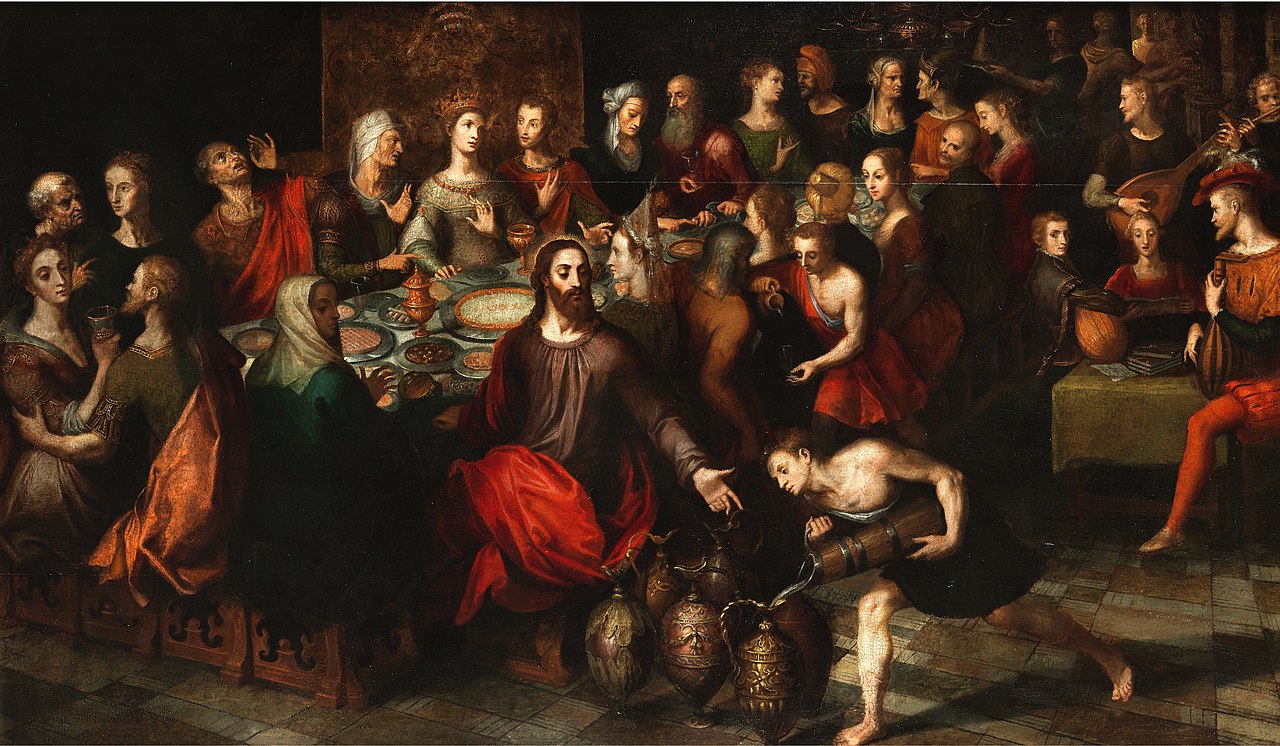
At the wedding feast of Cana Jesus turned water into wine. This was the beginning of the hour, the time of the Lord’s passion, death and resurrection. Events would now rush towards that evening when instead of changing water into wine, Jesus would change wine into His Blood, Holy Thursday. Events would rush to that afternoon when the Body and Blood of the Lord would be sacrificed on the cross, Good Friday. Events would rush to that morning when all would be offered the New Life of Lord, Easter Sunday. This is the Lord’s hour, his time to redeem us. The changing of water into wine, the beginning of the hour, teaches us about sacrifice and its meaning in our Christian life. Those marriages that seek the Lord as their Center are seeking to love as He loved, to love with a sacrificial love. The husband must put his wife before himself. The wife must put her husband before herself. The needs of their children must come before the needs of the parents. This is sacrificial love, expressed countless times in the daily routine of the Catholic family. All Christians are called to sacrificial love whether this love is expressed within a marriage or within the life of the committed Catholic single. The great gift of marriage is that the married are continually challenged with ways to love sacrificially. Occasions present themselves daily whether it is doing the shopping or laundry, changing the baby, getting the child to soccer or dance and working harder to provide better. All are expressions of sacrificial love which are the routine of marriage. All are ways of living the sacrament of marriage. Today, as we remember the presence of the Lord at the wedding feast of Cana, we pray that all of our married couples may celebrate the Presence of Christ in the little churches that are their Catholic homes • AE

Fr. Agustin Schedule for the Second Sunday in Ordinary Time

Sunday, January 16, 2022.
12.30 a.m. English Mass
3.00 p.m. Misa en Español
II Domingo del Tiempo Ordinario (Ciclo C)
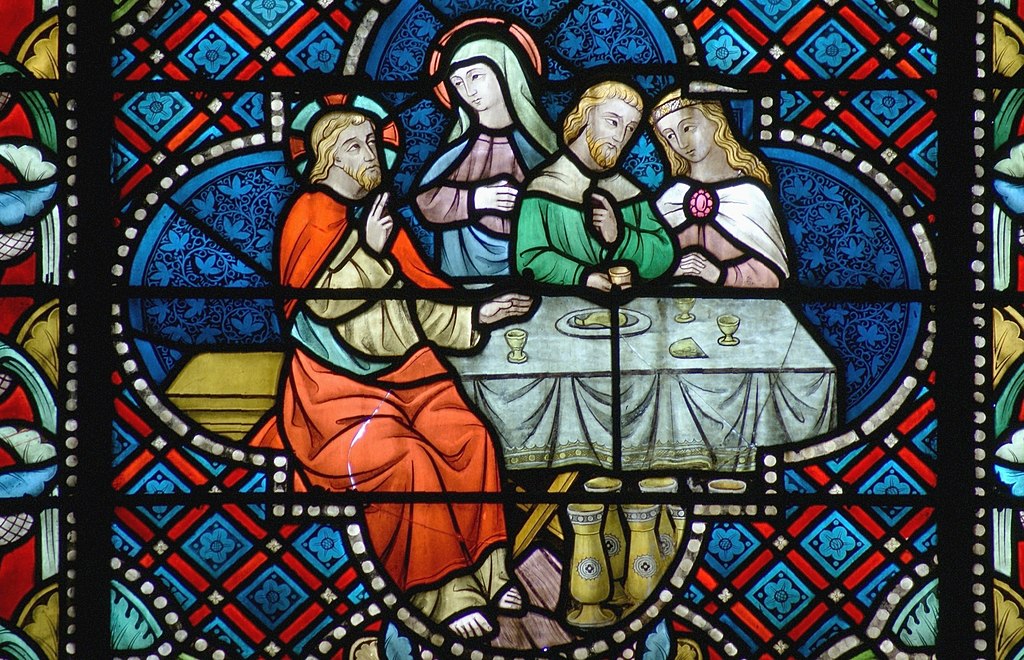
El evangelio de éste domingo, el segundo del Tiempo Ordinario, habla de una boda en Caná de Galilea, una pequeña aldea de montaña, a quince kilómetros de Nazaret. Sin embargo, la escena tiene un carácter claramente simbólico. Ni la esposa ni el esposo tienen rostro: no hablan ni actúan. El único importante es un invitado que se llama Jesús. Las bodas eran en Galilea la fiesta más esperada y querida entre las gentes del campo. Durante varios días, familiares y amigos acompañaban a los novios comiendo y bebiendo con ellos, bailando danzas de boda y cantando canciones de amor. De pronto, la madre de Jesús le hace notar algo terrible: no les queda vino. ¿Cómo van a seguir con la celebración? El vino es indispensable en una boda. Para aquellas personas el vino era además el símbolo más expresivo del amor y la alegría. «Lo decía la tradición: el vino alegra el corazón del hombre». Lo cantaba la novia a su amado en un precioso canto de amor: «Tus amores son mejores que el vino». ¿Qué puede ser una boda sin alegría y sin amor?, ¿qué se puede celebrar con el corazón triste y vacío de amor? En aquel sitio había seis tinajas de piedra. Están colocadas allí, de manera fija. En ellas se guarda el agua para las purificaciones. Representan la piedad religiosa de aquellas personas que trataban de vivir puros ante Dios. Jesús transforma el agua en vino. Su intervención va a introducir amor y alegría en aquella religión. Esta es su primera aportación. Los cristianos de hoy ¿Cómo podemos pretender seguir a Jesús sin cuidar más entre nosotros la alegría y el amor?, ¿qué puede haber más importante que esto en la Iglesia y en el mundo?, ¿hasta cuándo podremos conservar en tinajas de piedra una fe triste y aburrida?, ¿para qué sirven todos nuestros esfuerzos, si no somos capaces de introducir amor en nuestra religión? Nada puede ser más triste que decir de una comunidad cristiana: no les queda vino • AE
 LA MEDITACION DE LA ESPOSA