
Ash Wednesday (2022)

Today’s gospel warns us to pray in private, to give alms in private, to fast in private. It is very ironic then that we are gathered here today in a public place of worship to get our foreheads marked with ashes for the entire world to see. It seems that Matthew does not want us showing the world that we are fasting, praying, giving alms, yet we will leave here today with ashes on our foreheads, for all of us to see. What are we to make of this admonition to pray, fast, and give alms in private? Lent is a time to grow closer to the Lord Jesus. It is a time for deepening our prayer, intensifying our support of the body of Christ, and growing closer to the Jesus who hears all of our prayers. We will grow closer to the Lord by praying the most intimate, deep-down prayers that we have. These prayers that we share with the Lord in privacy tend to be the prayers that are closest to our hearts. We are not tempted to shout these prayers out on the street corner because they are prayers between ourselves and God. These are our most intimate prayers, and this sharing of our most intimate prayer with God will bring us closer to our Lord Jesus. It is like with any close friend we have, when we trust this person with most intimate fears, hopes, dreams, and weaknesses, we will grow closer to that person. The same thing happens with Jesus when we share these intimate private prayers with him in the security of our own private room. What are your deepest, most intimate concerns? What keeps you up at night or worried during the day? Bring them today in the privacy of your own heart here before the Lord. But we are not in a private place right now. We are sitting in a public place of worship. Perhaps we take this chance to learn a little bit about the Church as the people of God. The Church, as a group of people in Christ, is the place where we can safely share these intimate prayers. This is what Church means for us today–a place where we come together as God’s people willing to bring our private prayers together and place them before each other and the Lord. It is a tremendous act of trust to belong to such a body as this Church. We all come to this place because we will not be judged on the basis of our most secret and most profound prayer. We trust that all here have such prayers, and we draw strength from the courage of one another to be here in public, praying to God with our most private affairs. And so we come together today, though we are signed outwardly with marks of ashes, with our hearts are full of the prayers that are most important to us. We come together as the body of Christ trusting in one another and in the Lord as we make our Lenten journey following Christ •AE


Fr. Agustin Schedule for Ash Wednesday of 2022

8.30 a.m. Holy Mass with distribution of Ashes (English)

6.00 p.m. Holy Mass with distribution of Ashes (Bilingual)


Miércoles de Ceniza (2022)

Durante muchos años ciertas espiritualidades –o escuelas de espiritualidad o movimientos- la llegada del miércoles de ceniza equivale a empezar algo triste. Y no es así. Por otro lado, en medio de la sociedad en la que nos movemos y de la que no podemos ni debemos desaparecer o sustraernos, la Cuaresma no significa mucho. La Liturgia –que es, en palabras del Papa, un oasis en el que nos podemos refugiar para llenar las alforjas- nos invita a que acojamos bien la palabra áspera de los profetas y del mismo Señor con todo lo que exige: una separación de la vida cómoda pero que no perdamos la alegría y la sencillez. El tiempo de Cuaresma que comenzamos hoy con la imposición de la ceniza es un tiempo precioso para estar más cerca de la Palabra de Dios. Del Miércoles de Ceniza al Domingo de Ramos tenemos decenas de lecturas, salmos, oraciones, prefacios, etc. Durante éstas cinco semanas el Señor nos hablará de que debemos enfrentar las tentaciones, ponernos en camino, buscar el agua viva, que es posible curar de nuestra ceguera y finalmente resucitar con Él. En la liturgia de cada día también es abundante el alimento espiritual que podemos encontrar. Si buscamos un propósito para esta cuaresma, he aquí uno muy sencillo: poner más atención a la palabra de Dios en la Misa. El tiempo de Cuaresma es una llamada vigorosa a la santidad y esto exige que hagamos un sereno y serio balance espiritual, una revisión de lo que hasta hoy es nuestra vida, dejando entrar la luz del Espíritu de Dios hasta lo más profundo, con confianza, con alegría con sencillez. Quizá hemos tomado poca conciencia de lo mucho que nos aleja de los demás –de la familia y de la propia comunidad- el pecado.

Señor Jesús,

no sólo me he alejado de ti,

sino de mí.

Tráeme a mí,

para que pueda llegar hasta ti.

Hazme conocer mis tinieblas

para que busque tu luz.

Y es que, si me observo mejor, tendré ganas de cambiar, de cambiarme. Eso es lo que indica la que es quizá la palabra clave de todo este tiempo que nos regala la Iglesia: convertirse, sabiendo que es importante no decir eso de: “Yo quiero convertirme” pues eso nunca ha transformado a nadie. Hemos de tomar más bien la decisión de mirar al Señor y de escucharle. Haciéndolo sentiremos el deseo sereno y fuerte de ser mejores. Éste primer encuentro con la Cuaresma –la imposición de la ceniza- nos ayuda a guardar silencio, a centrarnos en lo importante y darnos cuenta de que la llamada sigue siendo la misma: ¿das de verdad limosna, sí o no? Y esto quiere decir: ¿compartes con los otros y vas a compartir más aún durante esta cuaresma?; ¿rezas o no rezas, y estás dispuesto a rezar más durante esta cuaresma?; ¿aceptarás una vida más ascética para salir de la comodidad… y también para poder compartir un poco más? No hay nada que nos impida escoger otros esfuerzos, otros progresos; no faltan sugerencias para ello en el evangelio. Lo que debe animarnos y hasta entusiasmarnos es que una cuaresma tomada así, en serio, puede marcar profundamente nuestra vida •AE


Eighth Sunday in Ordinary Time (Cycle C) 

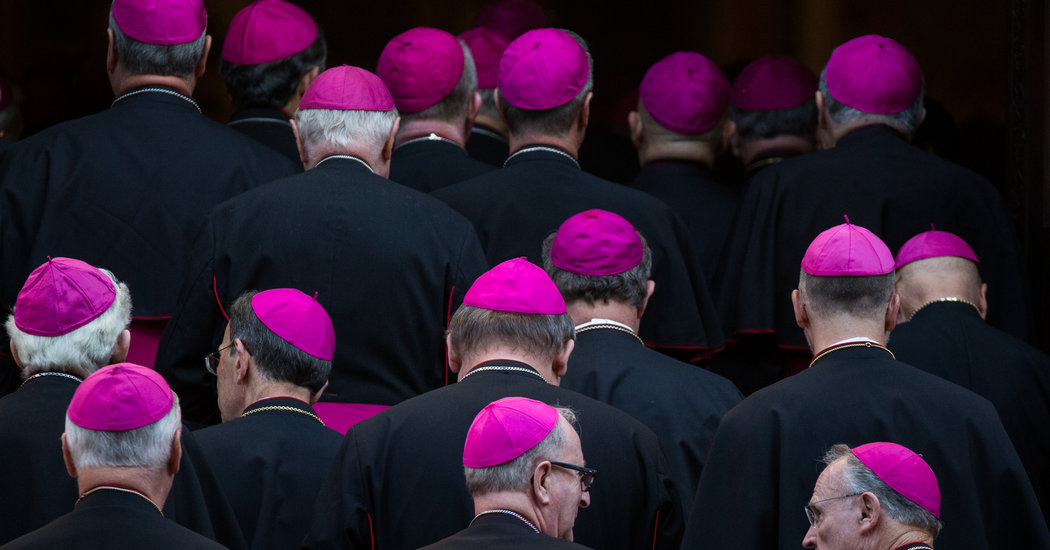
Bishops entering a meeting of the Synod of Bishops held in Rome

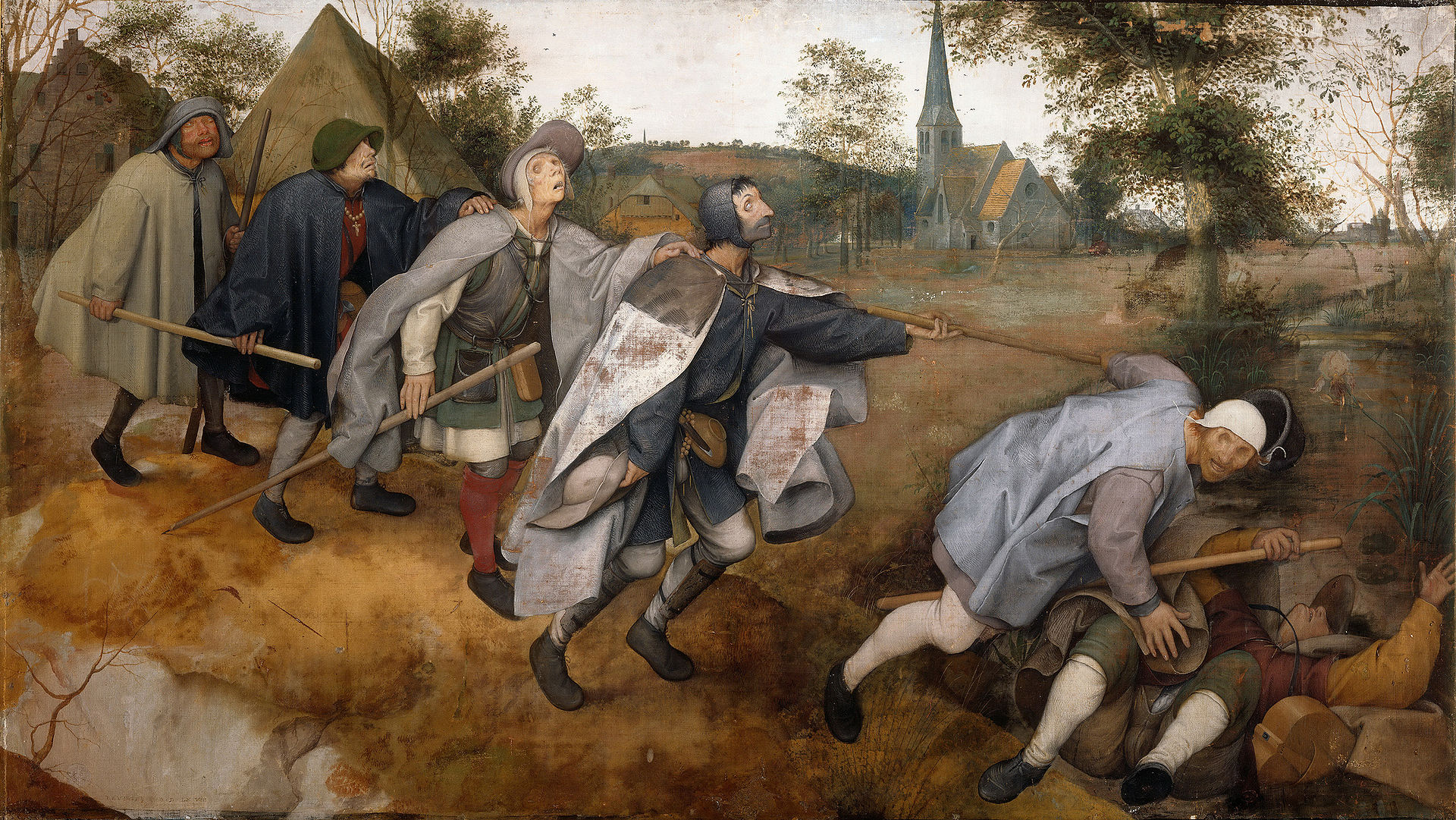
This is the Eighth Sunday of Ordinary Time. Usually, Lent would have begun by now, but this year it is late. Also, when we return to ordinary time in June, we usually begin with the 9th or 10th Sunday of the year, so poor number 8 rarely is celebrated. The readings for today are full of aphorisms. An aphorisms is an adage, or a tersely phrased statement of the truth. The first one the Lord mentions today has always seemed mysterious and fascinating to me, and reminds me of one of my favorite works of art. «Can a blind man act as a guide to a blind man. Will they not both fall into a ditch?» People cannot teach until they have learned. This is true in every aspect of life, but particularly in the Church. In the Catholic Church we are blessed with a teaching authority. This authority is often given the Latin word for teacher and called the Magisterium. The magisterium consists in the Pope, the Bishops, theologians and consultants. The duty of the magisterium is to set the course for us to relate our faith and morals to the evolving times. We take this for granted because most of us have always been Catholic and have always had the body of our faith presented in a rather neat package. But dogmatic statements didn’t just happen. They evolved over many centuries as the Church continues to grow in its understanding of itself. When, as all human beings, we have times of doubt, or times that we have difficulty understanding what we believe or why we believe, we have to go to books and knowledgeable people in the area. We also have to go to our knees and pray to Holy Spirit to help us grow in faith. The blind cannot lead the blind. That is why we have been gifted with the Holy Spirit. That is why we have the magisterium, and it would be very good if we had an attitude of deep respect and reverence before him. Today I ask myself, in the silence of prayer, how often I pay attention to the voice of the Pope and the bishops •AE


Fr. Agustin Schedule for Eight Sunday in Ordinary Time

Saturday, February 26, 2022

11.00 p.m. Sacrament of Baptism for Sloan Elizabeth Perlman @ St. Peter Prince of the Apostles

 2.30 p.m. Sacrament of Matrimony for Luis and Yvonne @ St. Dominic (main Church)

3.45p.m. Sacrament of Reconciliation @ St. Dominic (Confessional) 

5.00 p.m. English Mass @ St. Dominic

Sunday, February 27, 2022

7.00 a.m. English Mass @ St. Dominic

10.30 a.m. English Mass @ St. Dominic


VIII Domingo del Tiempo Ordinario (Ciclo C)

Pieter Brueghel el Viejo, La parábola de los ciegos (1568), Témpera sobre lienzo, Museo Capodimonte, Nápoles (Italia)

En una sociedad dañada por tantas injusticias y abusos, en ambientes donde crecen las zarzas de los intereses y las mutuas rivalidades y donde brotan tantos espinos de odios y agresividad ¿Qué podemos hacer los cristianos para sanar un poco la convivencia social tan dañada? Quizá podríamos empezar por no hacer a nadie la vida más difícil de lo que ya es, viviendo de tal manera que al menos junto a nosotros la vida sea más humana y llevadera, tratando de no envenenar el ambiente con nuestro pesimismo, nuestra amargura y agresividad. Quizá podríamos crear en nuestro entorno relaciones basadas en confianza y cordialidad, desarrollando la capacidad de comprensión: que aquellos con quienes convivimos sepan que, hagan lo que hagan y por muy graves que sean sus errores, siempre encontrarán en nosotros alguien que los comprenderá y ayudará a mejorar. No despreciando nadie, ni siquiera interiormente, es un buen comienzo. El perdón podría ser otra fuente de esperanza en nuestra sociedad. Las personas que no guardan rencor ni alimentan de manera insana el odio o la venganza, sino que saben perdonar desde dentro, siembran esperanza en el mundo. Junto a esas personas siempre crecerá la vida. No se trata de cerrar los ojos al mal y a la injusticia; podríamos recordar las palabras del apóstol: «No te dejes vencer por el mal; antes bien, vence al mal con el bien.» La manera más sana de luchar contra el mal en una sociedad tan dañada en algunos valores humanos es hacer el bien sin devolver a nadie mal por mal[1] •AE

[1] Rm 12, 17-18


Seventh Sunday in Ordinary Time (Cycle C) 

How do we as Christians deal with the negativity, and the absolute hatred we experience in our present political climate? This is the topic on which we could meditate a little, in the light of the Liturgy of the Word this Sunday. Consider this: there is a famous billboard that hangs along a congested highway. People stuck in bumper to bumper traffic, going 5 miles an hour, look up and read “You aren’t stuck in traffic. You are traffic!” That’s a great insight! We distance ourselves from a problem, whether it is our politics, our churches, the ecological problems on our planet, or most anything else. We are not, as we want to think, stuck in a bad political climate wherein we can no longer talk to each other and live respectfully with each other. Rather we ourselves have become so rigid, arrogant, and sure of ourselves that we can no longer respect those who think differently than we do. We are a bad political climate and not just stuck in one. We are not separate from the events that make up the world news each day. Rather, what we see written large in the world news each night so often reflects what’s going on hidden inside of us. When we see instances of injustice, bigotry, racism, greed, violence, murder and war on our newscasts we rightly feel moral indignation. It’s healthy to feel that way, but it’s not healthy to naively think that it’s only others and not us, who are the problem. When we are honest we have to admit that to some degree we are complicite in all these things, perhaps not in their crasser forms, but in subtler, though very real, ways. The fear and paranoia that are at the root of so much conflict in our world are not foreign to us. We too find it hard to accept those who are different from us. We too cling to privilege and do most everything we can to secure and protect our comfort. The evening news so often shows in a large way what is inside our hearts. What’s in the macrocosm is also in the microcosm. In many ways we are not just viewers of the evening news, we are complicit in it. The old catechisms were right when they told us that there’s no such a thing as a truly private act, that even our most private actions affect everyone else. The private is political. Everything affects everything. The first take-away from this is obvious: When we find ourselves stuck in traffic, metaphorically and otherwise, we need to admit our own complicity and resist the temptation to simply blame others. But there’s another important lesson here too: We are never healthier than when we are confessing our sins; in this case, confessing that we are traffic and not just stuck in traffic. The way of the Lord is radically different than the way of man. We have been given the grace to choose the way of the Lord. St. Paul reminds us in today’s second reading that we are children of both the first Adam and the New Adam. The first Adam was physical. His ways were the ways of the world. The New Adam, Jesus Christ, gave us His Spiritual Life. We belong to the New Adam. We belong to Jesus Christ. May His ways be our ways •AE


Fr. Agustin Schedule for Seventh Sunday in Ordinary Time

Saturday, February 19, 2022

11.00 a.m. Sacrament of Matrimony @ St. Dominic (Chapel) 

2.30 p.m. XV Celebration for Arianna Nevarez @ St. Dominic (main Church)

3.45 p.m. Sacrament of Reconciliation @ St. Dominic (Confessional) 

Sunday, February 20, 2022

12.30 p.m. English Mass @ St. Dominic

3.00 p.m. Spanish Mass @ St. Dominic


VII Domingo del Tiempo Ordinario (Ciclo C)

¿Por qué vivimos secretamente insatisfechos? ¿Por qué la vida se nos puede volver monótona, trivial, insípida? ¿Qué nos falta a los cristianos para encontrar de nuevo la alegría de vivir? Quizá aprender a amar gratis a alguien. Estamos llamados a amar desinteresadamente; si no lo hacemos se nos va haciendo un vacío interior que nada ni nadie puede llenar. Las palabras del Señor en el evangelio de este domingo, el séptimo dentro del Tiempo Ordinario, podrían darnos cierto norte y devolvernos la alegría de vivir. ¿Vivir despreocupado de todos, reducido a mi trabajo, mi profesión o mi oficio, impermeable a los problemas de los demás, ajeno a los sufrimientos de la gente, es realmente una vida? Vivimos en una sociedad en donde es difícil aprender a amar gratuitamente. Casi siempre preguntamos: ¿Para qué sirve? ¿Es útil? ¿Qué gano con esto? Todo lo calculamos y lo medimos. Nos hemos hecho a la idea de que todo se obtiene comprando y vendiendo, y así corremos el riesgo de convertir todas nuestras relaciones en puro intercambio de servicios. Pero, el amor, la amistad, la acogida, la solidaridad, la cercanía, la confianza, la lucha por el débil, la esperanza, la alegría interior no se obtienen con dinero. Son algo gratuito, que se ofrece sin esperar nada a cambio exepto la alegría de ver el crecimiento del otro. Los primeros cristianos, al hablar del amor utilizaban la palabra ágape, precisamente para subrayar más esta dimensión de gratuidad, en contraposición al amor entendido sólo como eros, y que tenía para muchos una resonancia de interés y egoísmo. Entre nosotros hay personas que sólo pueden recibir un amor gratuito, pues apenas tienen nada que poder devolver a quien se les quiera acercar. Personas solas, maltratadas por la vida, incomprendidas por casi todos, empobrecidas por la sociedad, sin apenas salida en la vida. Aquel gran hombre que fue Mons. Hélder Câmara -y que subía de lo que hablaba- lo decía con palabras duras: «Para liberarte de ti mismo lanza un puente más allá del abismo que tu egoísmo ha creado. Intenta ver más allá de ti mismo. Intenta escuchar a algún otro, y, sobre todo, prueba a esforzarte por amar, en vez de amarte a ti solo» •AE


Sixth Sunday in Ordinary Time (Cycle C)

Edward Hopper, Rooms by the Sea (1951), Oil on canvas, Art Gallery, Yale University.

In today’s Gospel we hear the beatitudes. But they are not the beatitudes we are used to. They are not the nine beatitudes from the Gospel of Matthew. There are only four beatitudes. And these are followed by four woes. Today’s Gospel is from the Gospel of Luke, Instead of “Blessed are the poor in spirit for theirs is the Kingdom of heaven,” we hear, “Blessed are you who are poor, for yours is the Kingdom of God.” Luke is telling those who are poor, hungry, weeping, hated, excluded, insulted, and denounced that they are blessed. And he is telling those who are not suffering, those who are rich, filled with food, laughing, and treated with respect that they will suffer. What are we to make of this? Is it good to be poor? Should we, like St. Francis of Assisi, throw away all our possessions and become beggars? Well, that cannot be what the Lord is saying. After all, if everyone became a beggar, there would be nobody to beg from. God created all the wonderful things of the world. Does God want us to suffer for enjoying his gifts? That cannot be correct either. So what is this all about? This has less to do with material possessions as it has to do with the person who possesses them. It really has a lot to do with us and our present situation in society. We need to be open to God to let him into our lives. If we make room for God, we will make room for others in our lives. We need to be open to God to let him into our lives. How can we be open to God, though, when we have so much else on our minds? So many of us, beginning with me, are glued to our devices. I have no idea how many times I look at my iPhone on an average day, but I can assure you that I would be embarrassed to know that number. We, you and I, need to regulate our use of devices not because they are bad, but because they can take up time in our lives and space in our hearts that could be occupied by the One who loves each of us and calls us to love. You and I need to be available for prayer and in that way being out of ourselves. We cannot reach out to others if we are all wrapped up in ourselves. The principle running through all the beatitudes in Luke is this: we are blessed if we do not cram ourselves full, leaving no room for that which matters. We are blessed if we allow ourselves to have that wonderful empty space that can become a spacious home for God and for other human beings. There is only one reality, only one Being who can give us the bread of life, who can satisfy our deep hunger for love. Blessed are we if we let go of all that is cluttering our lives. Then we can fly into the arms of our Divine Lover. Then we can be lovers •AE


Fr. Agustin Schedule for Sixth Sunday in Ordinary Time

Saturday, February 12, 2022

12.00 p.m. Sacrament of Baptism for Isabella Mena @ St. Dominic

Sunday, February 13, 2022

7.30 a.m. English Mass @ St. Dominic

10.00 a.m. English Mass @ St. Dominic


VI DOMINGO DEL TIEMPO ORDINARIO (CICLO C)

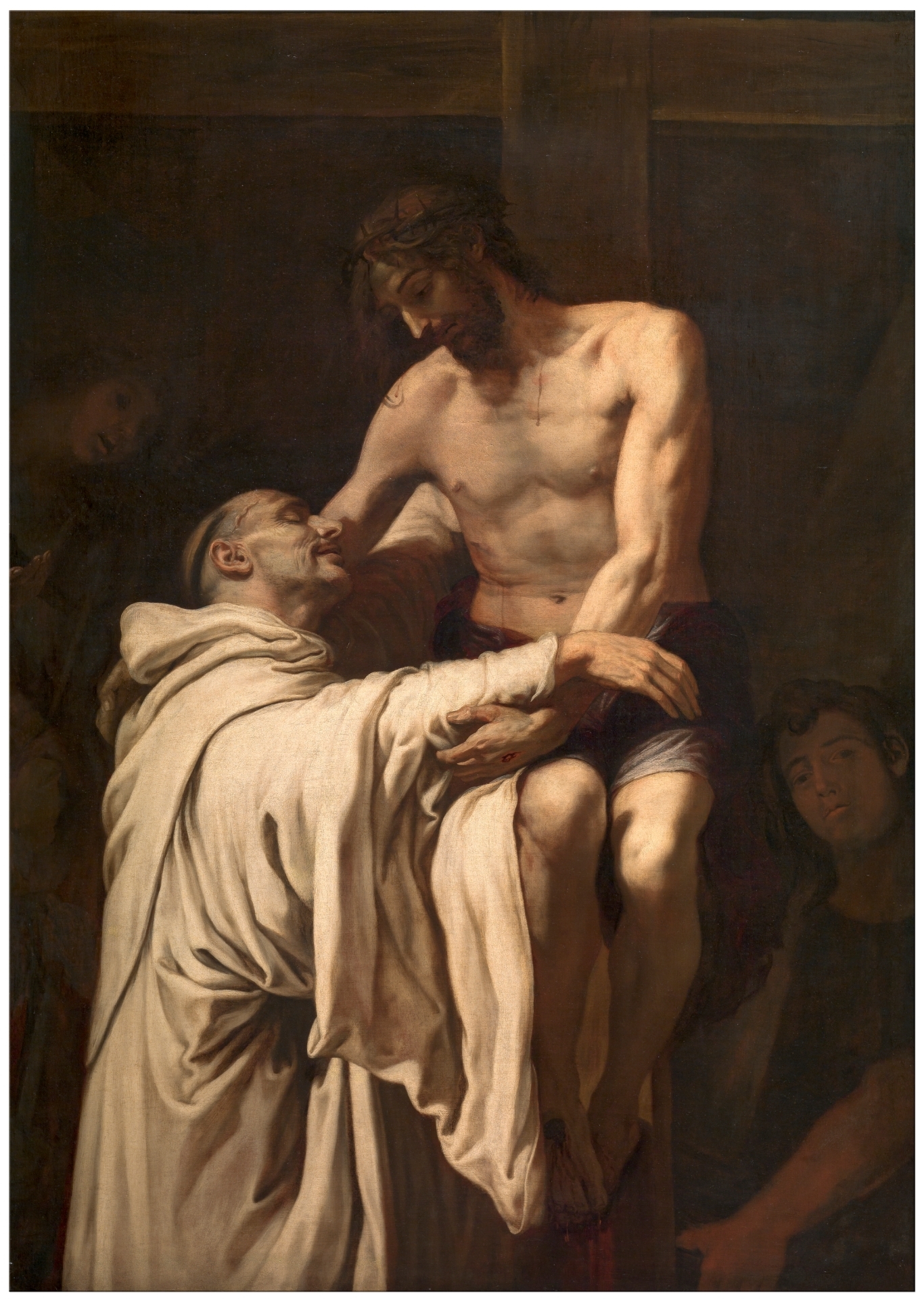
F. Ribalta, Cristo abrazando a San Bernardo (1625), óleo sobre tela, Museo Nacional del Prado (Madrid)

Las palabras del Señor en el evangelio de hoy son desconcertantes. Estas bienaventuranzas, en la versión de san Lucas, no son una invitación al optimismo ingenuo o a la felicidad fácil, sino una llamada a vivir el sufrimiento, el mal o la persecución en la paciencia y el gozo de la esperanza. Tarea no sencilla, desde luego. Esa paciencia no es fruto de un ejercicio ascético que nos enseña a vivir las pruebas sin derrumbarnos. Es más bien una paciencia que descansa en la paciencia misma de Dios que nos acompaña en el dolor de manera silenciosa, pero buscando siempre nuestro bien. Dios no se impacienta ante los brotes del mal o de la injusticia, porque para él no hay prisa ni miedo al fracaso final. Dios sabe esperar. Y es esa mirada paciente de Dios, cargada de ternura infinita hacia todos los hombres, los que sufren y los que hacen sufrir, la que pone consuelo y estímulo en el creyente. Lo mismo que en la paciencia de Dios, también en la paciencia del creyente debe haber siempre amor. Un amor al ser humano, que es más fuerte que cualquier presencia del mal o de las tinieblas. En realidad, ningún mal por cruel y poderoso que sea, puede impedirnos seguir abiertos al amor. Y el amor —no lo olvidemos— es la única promesa y garantía de felicidad final. Esta paciencia cristiana no es una actitud pasiva o resignada. Es fuerza para no dejarnos vencer por la desesperanza, y estímulo para cumplir nuestra misión con entereza y fidelidad. Esa aquello que leemos en la Carta a los Hebreos: «Necesitáis paciencia en el sufrimiento para cumplir la voluntad de Dios y conseguir así lo prometido»[1]. Y esa paciencia del creyente se alimenta de la confianza en Dios y del abandono en sus manos. Dios, deseado y amado por encima de todo, es el que renueva las fuerzas del hombre que sufre y pone en su corazón una paz que el mundo entero no puede dar. La Carta de Santiago dice que son felices a aquellos que sufrieron con paciencia[2]. Y es que, al final, la felicidad no proviene del bienestar o del éxito, sino de la fe en el Crucificado que desde la resurrección nos dice a todos: «He abierto ante ti una puerta que nadie puede cerrar, porque, aunque tienes poco poder, has guardado mi Palabra»[3].

[1] 10, 36. [2] 5, 11. [3] Ap 3, 8.


Fifth Sunday in Ordinary Time (Cycle C) 

Hans Holbein the Younger, The Vision of Isaiah, engraving, Private Collection.

The first reading today is on the call of Isaiah, the second on the call of Paul, and the Gospel on the call of Peter and his coworkers and how did these people feel when they realized that they were in the presence of God. They all felt unworthy of God. Initial feeling of personal unworthiness could be a sign that a soul has seen God. That is why humility is said to be the first and primary virtue in authentic spirituality. The feeling of personal worthiness and competence, not to talk of the feeling of self-righteousness and spiritual superiority, could be a sign that the soul has neither seen nor known God. When the soul confesses its sinfulness and inadequacy before God, God reaches out and absolves the sinner and renders him or her competent to serve Him. In the case of Isaiah, one of the seraphs touched his lips with a burning coal taken from the altar of the temple and said to him, “Now that this has touched your lips, your guilt has departed and your sin is blotted out” (1). In the case of Simon Peter, Jesus said to him, “Do not be afraid; from now on you will be catching people” (2). We see that their qualification for the work of God does not come from them but from God. It is not their personal achievement; it is God’s grace. That is why Paul could say, “But by the grace of God I am what I am” (3). Beyond the feeling of personal unworthiness, there is another quality that the three people who are called to do God’s work in today’s readings have in common, and that is the availability to do God’s will and the readiness to follow His directives. When we follow the guidance of the Lord in our lives, we achieve results that will blow our minds. This is what we see in Peter’s miraculous catch of fish. He and his men toiled all night long and caught nothing. They were relying on their own competence as seasoned fishermen and following their own minds as to where and how to throw the net. The result, in one word, was failure. But when they followed the Lord’s guidance which, humanly speaking, did not make much sense (fishermen did not set the net in broad daylight), the result was a resounding success. Today, as always, the good Lord continues to ask: “Whom shall I send, and who will go for us?” The Lord still needs messengers, men and women who, like Isaiah, will proclaim the Good News of God’s love in the temple, or who, like Paul, will announce it in foreign lands to the ends of the earth, or who, like Peter, will speak up for God in the workplace and bring their coworkers and business partners to know and follow the Lord. If we feel unworthy and incompetent for the work of God, know that it is only people who feel that way that God can use. All that remains is for you to take the risk and say, “Here am I; send me!” The Lord himself will see to it that He renders you fit for the job He wants you to do for Him, as He did with Isaiah, with Paul, and with Peter •AE

(1) Isaiah 6:7 (2) Luke 5:10 (3) 1 Corinthians 15:10


Fr. Agustin Schedule for Fifth Sunday in Ordinary Time

Saturday, February 5, 2022

Sacrament of Reconciliation 3.30 pm – 5.00 p.m.

5.00 p.m. English Mass @ St. Dominic

Sunday, February 6, 2022

12.30 p.m. English Mass @ St. Dominic

3.00 p.m. Spanish Mass @ St. Dominic 


V Domingo del Tiempo Ordinario (Ciclo C) 

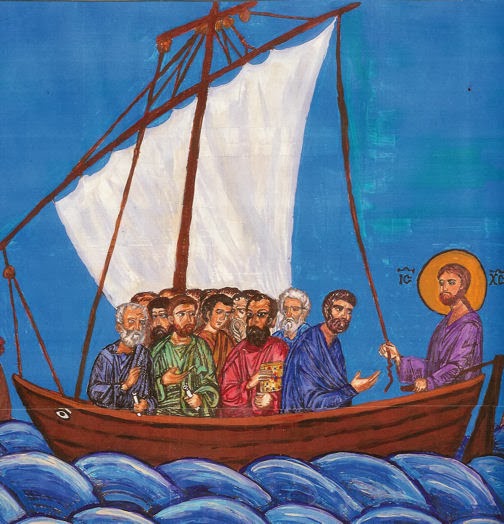
Artista anónimo, Jesús y los apóstoles en la barca.

La Liturgia de la Palabra nos presenta este fin de semana a tres personajes maravillosos: Isaías, Pablo y Pedro. Pedro es un hombre de fe que ama a Jesús lo mejor que puede. Sorprendido por la pesca tan grande se arroja a los pies de Jesús y con le pide que se aparte de el: reconoce ante él su pecado y su absoluta indignidad. Y lo mejor de todo es que Jesús no se asusta de tener junto a sí a un discípulo pecador. Al contrario: si se siente pecador, Pedro podrá comprender mejor el mensaje de perdón y acogida que Jesús tiene para los pecadore. “Desde ahora, serás pescador de hombres”, le dice Jesús, y con ello le quita el miedo a ser un discípulo pecador y lo asocia a su misión de reunir y convocar a hombres y mujeres de toda condición a entrar en el proyecto salvador de Dios. Hoy me pregunto por qué la Iglesia se resiste tanto a reconocer sus pecados y confesar su necesidad de conversión. La Iglesia es de Jesucristo, pero ella no es Jesucristo. A nadie puede extrañar que en ella haya pecado. La Iglesia es santa porque vive animada por el Espíritu Santo de Jesús, pero es pecadora porque no pocas veces se resiste a ese Espíritu y se aleja del evangelio. El pecado está en los creyentes y en las instituciones; en la jerarquía y en el pueblo de Dios; en los pastores y en las comunidades cristianas. Todos necesitamos conversión. Es muy grave habituarnos a ocultar la verdad pues nos impide comprometernos en una dinámica de conversión y renovación. Por otra parte, ¿no es más evangélica una Iglesia frágil y vulnerable que tiene el coraje de reconocer su pecado, que una institución empeñada inútilmente en ocultar al mundo sus miserias? ¿No son más creíbles nuestras comunidades cuando colaboran con Cristo en la tarea evangelizadora, reconociendo humildemente sus pecados y comprometiéndose a una vida cada vez más evangélica? ¡Tenemos tanto qué aprender de Pedro reconociendo su pecado a los pies Jesús! •AE