

The first reading today is on the call of Isaiah, the second on the call of Paul, and the Gospel on the call of Peter and his coworkers and how did these people feel when they realized that they were in the presence of God. They all felt unworthy of God. Initial feeling of personal unworthiness could be a sign that a soul has seen God. That is why humility is said to be the first and primary virtue in authentic spirituality. The feeling of personal worthiness and competence, not to talk of the feeling of self-righteousness and spiritual superiority, could be a sign that the soul has neither seen nor known God. When the soul confesses its sinfulness and inadequacy before God, God reaches out and absolves the sinner and renders him or her competent to serve Him. In the case of Isaiah, one of the seraphs touched his lips with a burning coal taken from the altar of the temple and said to him, “Now that this has touched your lips, your guilt has departed and your sin is blotted out” (1). In the case of Simon Peter, Jesus said to him, “Do not be afraid; from now on you will be catching people” (2). We see that their qualification for the work of God does not come from them but from God. It is not their personal achievement; it is God’s grace. That is why Paul could say, “But by the grace of God I am what I am” (3). Beyond the feeling of personal unworthiness, there is another quality that the three people who are called to do God’s work in today’s readings have in common, and that is the availability to do God’s will and the readiness to follow His directives. When we follow the guidance of the Lord in our lives, we achieve results that will blow our minds. This is what we see in Peter’s miraculous catch of fish. He and his men toiled all night long and caught nothing. They were relying on their own competence as seasoned fishermen and following their own minds as to where and how to throw the net. The result, in one word, was failure. But when they followed the Lord’s guidance which, humanly speaking, did not make much sense (fishermen did not set the net in broad daylight), the result was a resounding success. Today, as always, the good Lord continues to ask: “Whom shall I send, and who will go for us?” The Lord still needs messengers, men and women who, like Isaiah, will proclaim the Good News of God’s love in the temple, or who, like Paul, will announce it in foreign lands to the ends of the earth, or who, like Peter, will speak up for God in the workplace and bring their coworkers and business partners to know and follow the Lord. If we feel unworthy and incompetent for the work of God, know that it is only people who feel that way that God can use. All that remains is for you to take the risk and say, “Here am I; send me!” The Lord himself will see to it that He renders you fit for the job He wants you to do for Him, as He did with Isaiah, with Paul, and with Peter •AE
(1) Isaiah 6:7 (2) Luke 5:10 (3) 1 Corinthians 15:10

Fr. Agustin Schedule for Fifth Sunday in Ordinary Time

Saturday, February 5, 2022
Sacrament of Reconciliation 3.30 pm – 5.00 p.m.
5.00 p.m. English Mass @ St. Dominic
Sunday, February 6, 2022
12.30 p.m. English Mass @ St. Dominic
3.00 p.m. Spanish Mass @ St. Dominic
V Domingo del Tiempo Ordinario (Ciclo C)
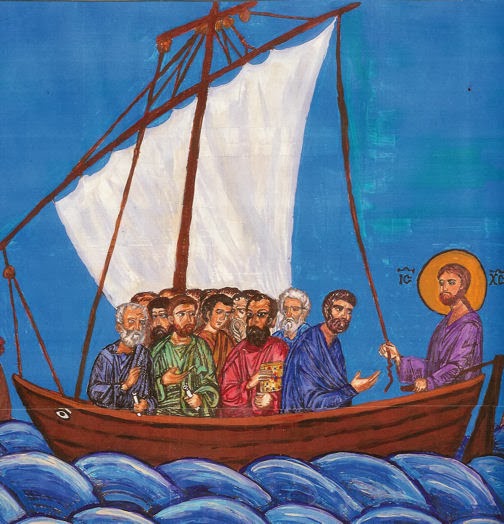
La Liturgia de la Palabra nos presenta este fin de semana a tres personajes maravillosos: Isaías, Pablo y Pedro. Pedro es un hombre de fe que ama a Jesús lo mejor que puede. Sorprendido por la pesca tan grande se arroja a los pies de Jesús y con le pide que se aparte de el: reconoce ante él su pecado y su absoluta indignidad. Y lo mejor de todo es que Jesús no se asusta de tener junto a sí a un discípulo pecador. Al contrario: si se siente pecador, Pedro podrá comprender mejor el mensaje de perdón y acogida que Jesús tiene para los pecadore. “Desde ahora, serás pescador de hombres”, le dice Jesús, y con ello le quita el miedo a ser un discípulo pecador y lo asocia a su misión de reunir y convocar a hombres y mujeres de toda condición a entrar en el proyecto salvador de Dios. Hoy me pregunto por qué la Iglesia se resiste tanto a reconocer sus pecados y confesar su necesidad de conversión. La Iglesia es de Jesucristo, pero ella no es Jesucristo. A nadie puede extrañar que en ella haya pecado. La Iglesia es santa porque vive animada por el Espíritu Santo de Jesús, pero es pecadora porque no pocas veces se resiste a ese Espíritu y se aleja del evangelio. El pecado está en los creyentes y en las instituciones; en la jerarquía y en el pueblo de Dios; en los pastores y en las comunidades cristianas. Todos necesitamos conversión. Es muy grave habituarnos a ocultar la verdad pues nos impide comprometernos en una dinámica de conversión y renovación. Por otra parte, ¿no es más evangélica una Iglesia frágil y vulnerable que tiene el coraje de reconocer su pecado, que una institución empeñada inútilmente en ocultar al mundo sus miserias? ¿No son más creíbles nuestras comunidades cuando colaboran con Cristo en la tarea evangelizadora, reconociendo humildemente sus pecados y comprometiéndose a una vida cada vez más evangélica? ¡Tenemos tanto qué aprender de Pedro reconociendo su pecado a los pies Jesús! •AE
 LA MEDITACION DE LA ESPOSA