
In today’s Gospel we hear the beatitudes. But they are not the beatitudes we are used to. They are not the nine beatitudes from the Gospel of Matthew. There are only four beatitudes. And these are followed by four woes. Today’s Gospel is from the Gospel of Luke, Instead of “Blessed are the poor in spirit for theirs is the Kingdom of heaven,” we hear, “Blessed are you who are poor, for yours is the Kingdom of God.” Luke is telling those who are poor, hungry, weeping, hated, excluded, insulted, and denounced that they are blessed. And he is telling those who are not suffering, those who are rich, filled with food, laughing, and treated with respect that they will suffer. What are we to make of this? Is it good to be poor? Should we, like St. Francis of Assisi, throw away all our possessions and become beggars? Well, that cannot be what the Lord is saying. After all, if everyone became a beggar, there would be nobody to beg from. God created all the wonderful things of the world. Does God want us to suffer for enjoying his gifts? That cannot be correct either. So what is this all about? This has less to do with material possessions as it has to do with the person who possesses them. It really has a lot to do with us and our present situation in society. We need to be open to God to let him into our lives. If we make room for God, we will make room for others in our lives. We need to be open to God to let him into our lives. How can we be open to God, though, when we have so much else on our minds? So many of us, beginning with me, are glued to our devices. I have no idea how many times I look at my iPhone on an average day, but I can assure you that I would be embarrassed to know that number. We, you and I, need to regulate our use of devices not because they are bad, but because they can take up time in our lives and space in our hearts that could be occupied by the One who loves each of us and calls us to love. You and I need to be available for prayer and in that way being out of ourselves. We cannot reach out to others if we are all wrapped up in ourselves. The principle running through all the beatitudes in Luke is this: we are blessed if we do not cram ourselves full, leaving no room for that which matters. We are blessed if we allow ourselves to have that wonderful empty space that can become a spacious home for God and for other human beings. There is only one reality, only one Being who can give us the bread of life, who can satisfy our deep hunger for love. Blessed are we if we let go of all that is cluttering our lives. Then we can fly into the arms of our Divine Lover. Then we can be lovers •AE

Fr. Agustin Schedule for Sixth Sunday in Ordinary Time

Saturday, February 12, 2022
12.00 p.m. Sacrament of Baptism for Isabella Mena @ St. Dominic
Sunday, February 13, 2022
7.30 a.m. English Mass @ St. Dominic
10.00 a.m. English Mass @ St. Dominic
VI DOMINGO DEL TIEMPO ORDINARIO (CICLO C)
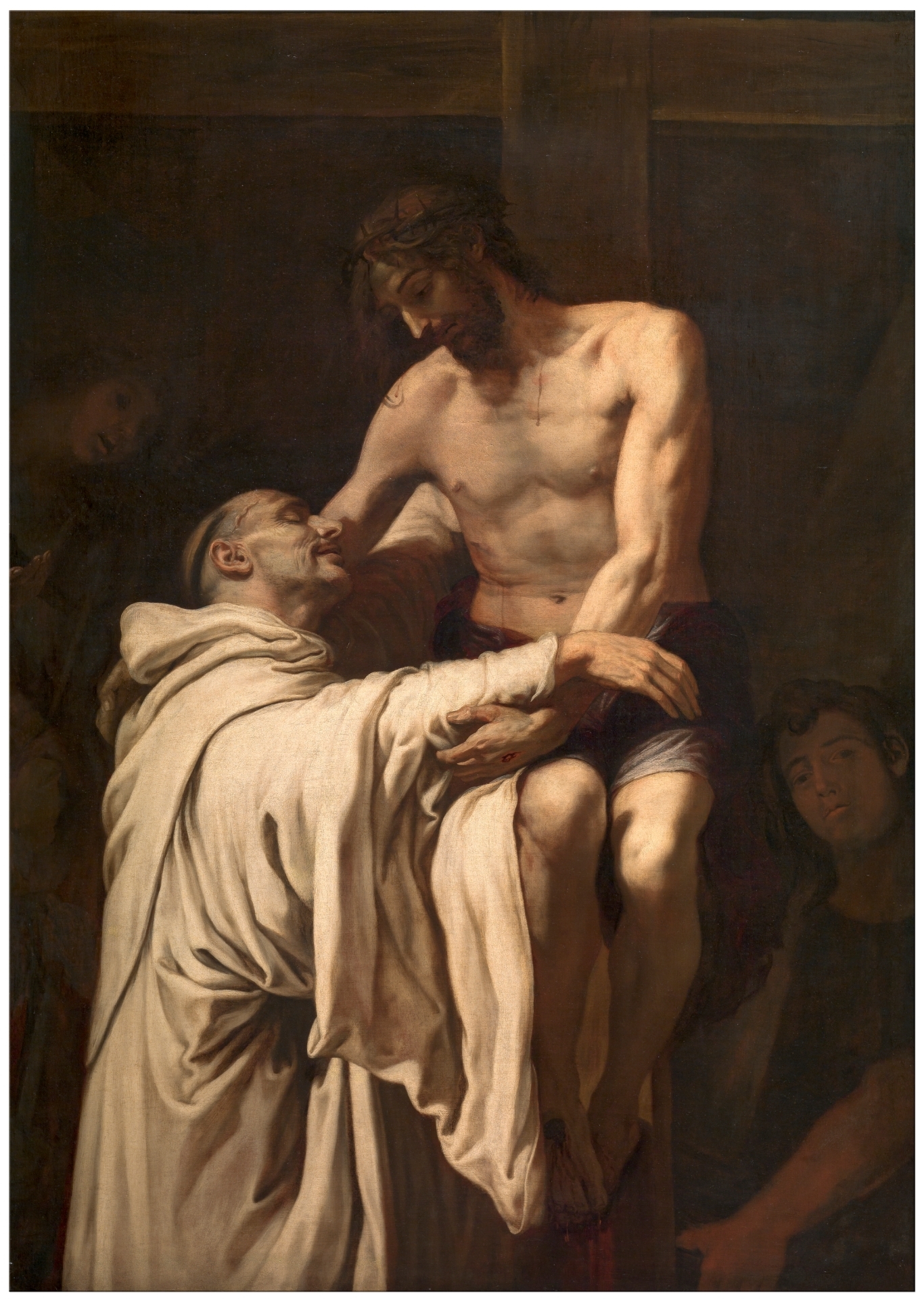
Las palabras del Señor en el evangelio de hoy son desconcertantes. Estas bienaventuranzas, en la versión de san Lucas, no son una invitación al optimismo ingenuo o a la felicidad fácil, sino una llamada a vivir el sufrimiento, el mal o la persecución en la paciencia y el gozo de la esperanza. Tarea no sencilla, desde luego. Esa paciencia no es fruto de un ejercicio ascético que nos enseña a vivir las pruebas sin derrumbarnos. Es más bien una paciencia que descansa en la paciencia misma de Dios que nos acompaña en el dolor de manera silenciosa, pero buscando siempre nuestro bien. Dios no se impacienta ante los brotes del mal o de la injusticia, porque para él no hay prisa ni miedo al fracaso final. Dios sabe esperar. Y es esa mirada paciente de Dios, cargada de ternura infinita hacia todos los hombres, los que sufren y los que hacen sufrir, la que pone consuelo y estímulo en el creyente. Lo mismo que en la paciencia de Dios, también en la paciencia del creyente debe haber siempre amor. Un amor al ser humano, que es más fuerte que cualquier presencia del mal o de las tinieblas. En realidad, ningún mal por cruel y poderoso que sea, puede impedirnos seguir abiertos al amor. Y el amor —no lo olvidemos— es la única promesa y garantía de felicidad final. Esta paciencia cristiana no es una actitud pasiva o resignada. Es fuerza para no dejarnos vencer por la desesperanza, y estímulo para cumplir nuestra misión con entereza y fidelidad. Esa aquello que leemos en la Carta a los Hebreos: «Necesitáis paciencia en el sufrimiento para cumplir la voluntad de Dios y conseguir así lo prometido»[1]. Y esa paciencia del creyente se alimenta de la confianza en Dios y del abandono en sus manos. Dios, deseado y amado por encima de todo, es el que renueva las fuerzas del hombre que sufre y pone en su corazón una paz que el mundo entero no puede dar. La Carta de Santiago dice que son felices a aquellos que sufrieron con paciencia[2]. Y es que, al final, la felicidad no proviene del bienestar o del éxito, sino de la fe en el Crucificado que desde la resurrección nos dice a todos: «He abierto ante ti una puerta que nadie puede cerrar, porque, aunque tienes poco poder, has guardado mi Palabra»[3].
[1] 10, 36. [2] 5, 11. [3] Ap 3, 8.
 LA MEDITACION DE LA ESPOSA