

How do we as Christians deal with the negativity, and the absolute hatred we experience in our present political climate? This is the topic on which we could meditate a little, in the light of the Liturgy of the Word this Sunday. Consider this: there is a famous billboard that hangs along a congested highway. People stuck in bumper to bumper traffic, going 5 miles an hour, look up and read “You aren’t stuck in traffic. You are traffic!” That’s a great insight! We distance ourselves from a problem, whether it is our politics, our churches, the ecological problems on our planet, or most anything else. We are not, as we want to think, stuck in a bad political climate wherein we can no longer talk to each other and live respectfully with each other. Rather we ourselves have become so rigid, arrogant, and sure of ourselves that we can no longer respect those who think differently than we do. We are a bad political climate and not just stuck in one. We are not separate from the events that make up the world news each day. Rather, what we see written large in the world news each night so often reflects what’s going on hidden inside of us. When we see instances of injustice, bigotry, racism, greed, violence, murder and war on our newscasts we rightly feel moral indignation. It’s healthy to feel that way, but it’s not healthy to naively think that it’s only others and not us, who are the problem. When we are honest we have to admit that to some degree we are complicite in all these things, perhaps not in their crasser forms, but in subtler, though very real, ways. The fear and paranoia that are at the root of so much conflict in our world are not foreign to us. We too find it hard to accept those who are different from us. We too cling to privilege and do most everything we can to secure and protect our comfort. The evening news so often shows in a large way what is inside our hearts. What’s in the macrocosm is also in the microcosm. In many ways we are not just viewers of the evening news, we are complicit in it. The old catechisms were right when they told us that there’s no such a thing as a truly private act, that even our most private actions affect everyone else. The private is political. Everything affects everything. The first take-away from this is obvious: When we find ourselves stuck in traffic, metaphorically and otherwise, we need to admit our own complicity and resist the temptation to simply blame others. But there’s another important lesson here too: We are never healthier than when we are confessing our sins; in this case, confessing that we are traffic and not just stuck in traffic. The way of the Lord is radically different than the way of man. We have been given the grace to choose the way of the Lord. St. Paul reminds us in today’s second reading that we are children of both the first Adam and the New Adam. The first Adam was physical. His ways were the ways of the world. The New Adam, Jesus Christ, gave us His Spiritual Life. We belong to the New Adam. We belong to Jesus Christ. May His ways be our ways •AE

Fr. Agustin Schedule for Seventh Sunday in Ordinary Time

Saturday, February 19, 2022
11.00 a.m. Sacrament of Matrimony @ St. Dominic (Chapel)
2.30 p.m. XV Celebration for Arianna Nevarez @ St. Dominic (main Church)
3.45 p.m. Sacrament of Reconciliation @ St. Dominic (Confessional)
Sunday, February 20, 2022
12.30 p.m. English Mass @ St. Dominic
3.00 p.m. Spanish Mass @ St. Dominic
VII Domingo del Tiempo Ordinario (Ciclo C)
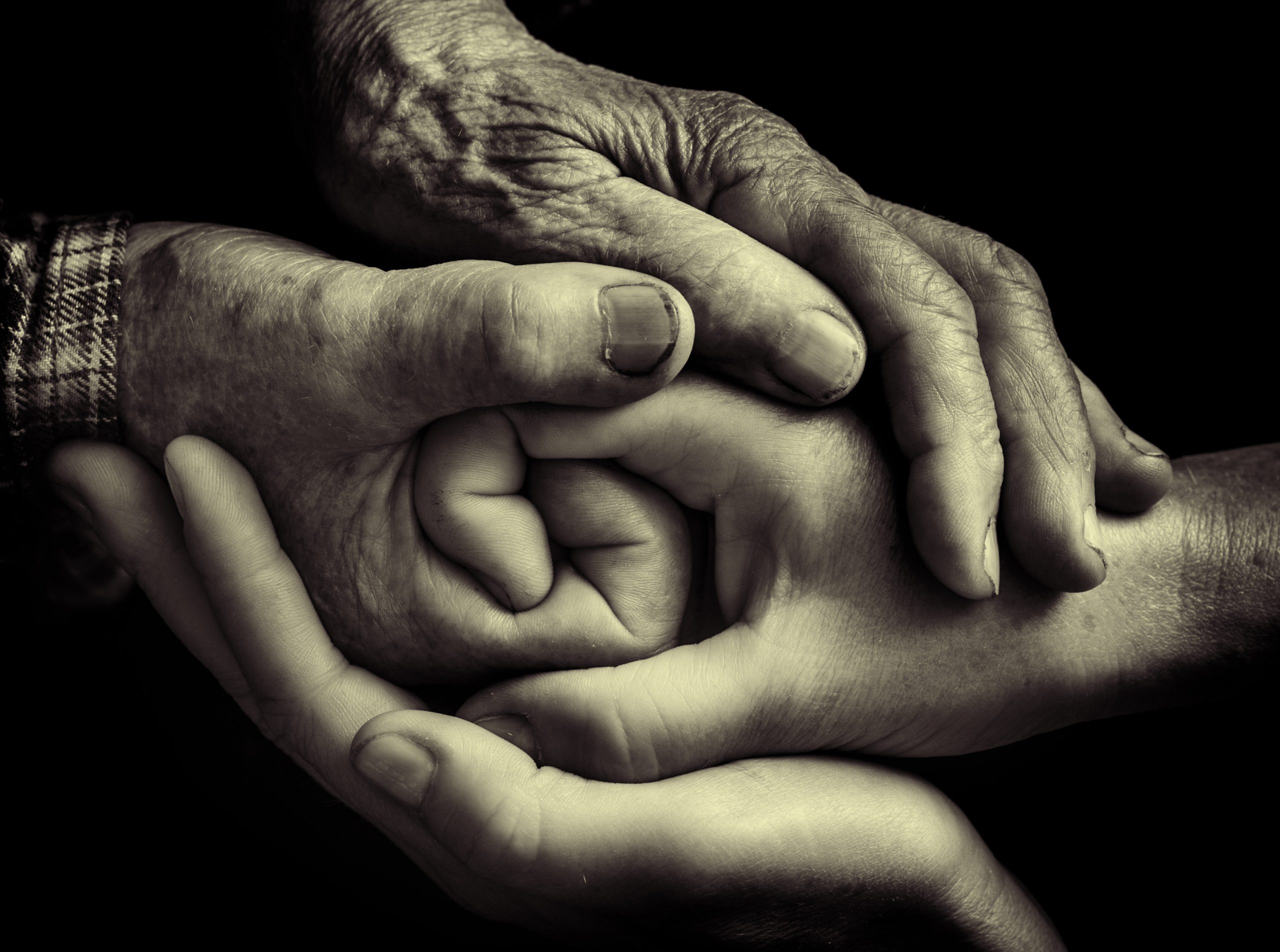
¿Por qué vivimos secretamente insatisfechos? ¿Por qué la vida se nos puede volver monótona, trivial, insípida? ¿Qué nos falta a los cristianos para encontrar de nuevo la alegría de vivir? Quizá aprender a amar gratis a alguien. Estamos llamados a amar desinteresadamente; si no lo hacemos se nos va haciendo un vacío interior que nada ni nadie puede llenar. Las palabras del Señor en el evangelio de este domingo, el séptimo dentro del Tiempo Ordinario, podrían darnos cierto norte y devolvernos la alegría de vivir. ¿Vivir despreocupado de todos, reducido a mi trabajo, mi profesión o mi oficio, impermeable a los problemas de los demás, ajeno a los sufrimientos de la gente, es realmente una vida? Vivimos en una sociedad en donde es difícil aprender a amar gratuitamente. Casi siempre preguntamos: ¿Para qué sirve? ¿Es útil? ¿Qué gano con esto? Todo lo calculamos y lo medimos. Nos hemos hecho a la idea de que todo se obtiene comprando y vendiendo, y así corremos el riesgo de convertir todas nuestras relaciones en puro intercambio de servicios. Pero, el amor, la amistad, la acogida, la solidaridad, la cercanía, la confianza, la lucha por el débil, la esperanza, la alegría interior no se obtienen con dinero. Son algo gratuito, que se ofrece sin esperar nada a cambio exepto la alegría de ver el crecimiento del otro. Los primeros cristianos, al hablar del amor utilizaban la palabra ágape, precisamente para subrayar más esta dimensión de gratuidad, en contraposición al amor entendido sólo como eros, y que tenía para muchos una resonancia de interés y egoísmo. Entre nosotros hay personas que sólo pueden recibir un amor gratuito, pues apenas tienen nada que poder devolver a quien se les quiera acercar. Personas solas, maltratadas por la vida, incomprendidas por casi todos, empobrecidas por la sociedad, sin apenas salida en la vida. Aquel gran hombre que fue Mons. Hélder Câmara -y que subía de lo que hablaba- lo decía con palabras duras: «Para liberarte de ti mismo lanza un puente más allá del abismo que tu egoísmo ha creado. Intenta ver más allá de ti mismo. Intenta escuchar a algún otro, y, sobre todo, prueba a esforzarte por amar, en vez de amarte a ti solo» •AE

 LA MEDITACION DE LA ESPOSA