
The Ascension of the Lord (2022)

We have just heard the beautiful beginning of the book of the Acts of the Apostles, and there is a wonderful reproach: «Men of Galilee, why do you stare up into the sky. This Jesus who has been taken up into heaven will return the same way.»[1] And the angels say to us, “People, stop wasting your time pining for the Lord, and instead get to work continuing his mission.» The call of Christianity is immediate. There is a whole world of people longing for lasting peace, for meaning in life, longing for dignity, the dignity that only He can give. We can’t decide to go into action at some other time, some later on. Jesus calls us into ministry now. Many times, the call comes through people who need us to reach out to them with a word or gesture when our minds might be on other things. Like children and Teens who ask the most important questions at the least opportune time, we are often called into ministry when we are quite busy with some other situation. Parents are hurrying to get dressed to attend a catholic gala or a meeting and a thirteen-year-old decides that this is a good time to ask something about smoking marijuana. We are trying to complete a job at work, and a co-worker stops by and mentions that since the baby was born, his wife goes into periods where she can’t stop crying. He needs help with this very personal situation. The Lord’s time is often not our time. But we have to get into action. We cannot and should not waste the Lord’s time. The number of disciples would not be limited to the eleven who remained faithful to Christ. All who believe in Him would be called to proclaim the Gospel of Christ to the world. That includes us. We need to get into the action. Christians have to be people of action. We were not given the Holy Spirit for our own wellbeing. We were given the Spirit to use the Power of God to bring others to Christ. We are given the Spirit to do battle for the Kingdom. There is a war going on. It is the war against evil. We need to be engaged. We need to do battle every day. We cannot, as the kids say, zone out, looking at the sky, waiting for the Lord to come back and do something. We need to fight the darkness that terrorizes the world. We need to fight the evil that reduces people to numbers, which leads some to treat others as less than human. We need to be people of the light, the Light of Christ. We need to be People of Dignity, the Dignity of Sons and Daughters of God. «Stop looking up at the sky,» the two witnesses call out to us. Jesus has ascended into heaven so we can receive the Spirit. Now, we need to fight for the Kingdom of God. We need to fight against the darkness. We need to kick open the door that binds others in slavery. We need to proclaim Jesus Christ with our lives. So many people long to understand the reason for their existence. So many people are seeking meaning for their lives. So many people are looking for dignity! Dignity is here. It has been given to us. We are to give it to others. We are witnesses to exaltation of the Lord. We are witnesses to Dignity. We are sons and daughters of God. We are who He says we are • AE

[1] Cf. Acts 1:1-11


Fr. Agustin Schedule for the solemnity of The Ascension of the Lord (2022)

Saturday May 28, 2022

9.30 a.m. Altar Server Training

11.00 a.m. Marriage preparations sessions.

3.30 p.m. Sacrament of Reconciliation (Confessional)

5.00 p.m. Holy Mass (English Mass @ Main Church)

Sunday May 22, 2022

12.30 p.m. Holy Mass (English Mass @ Main Church)

3.00 p.m. Misa en Español (@ Main Church)


Solemnidad de la Ascensión del Señor (2022)
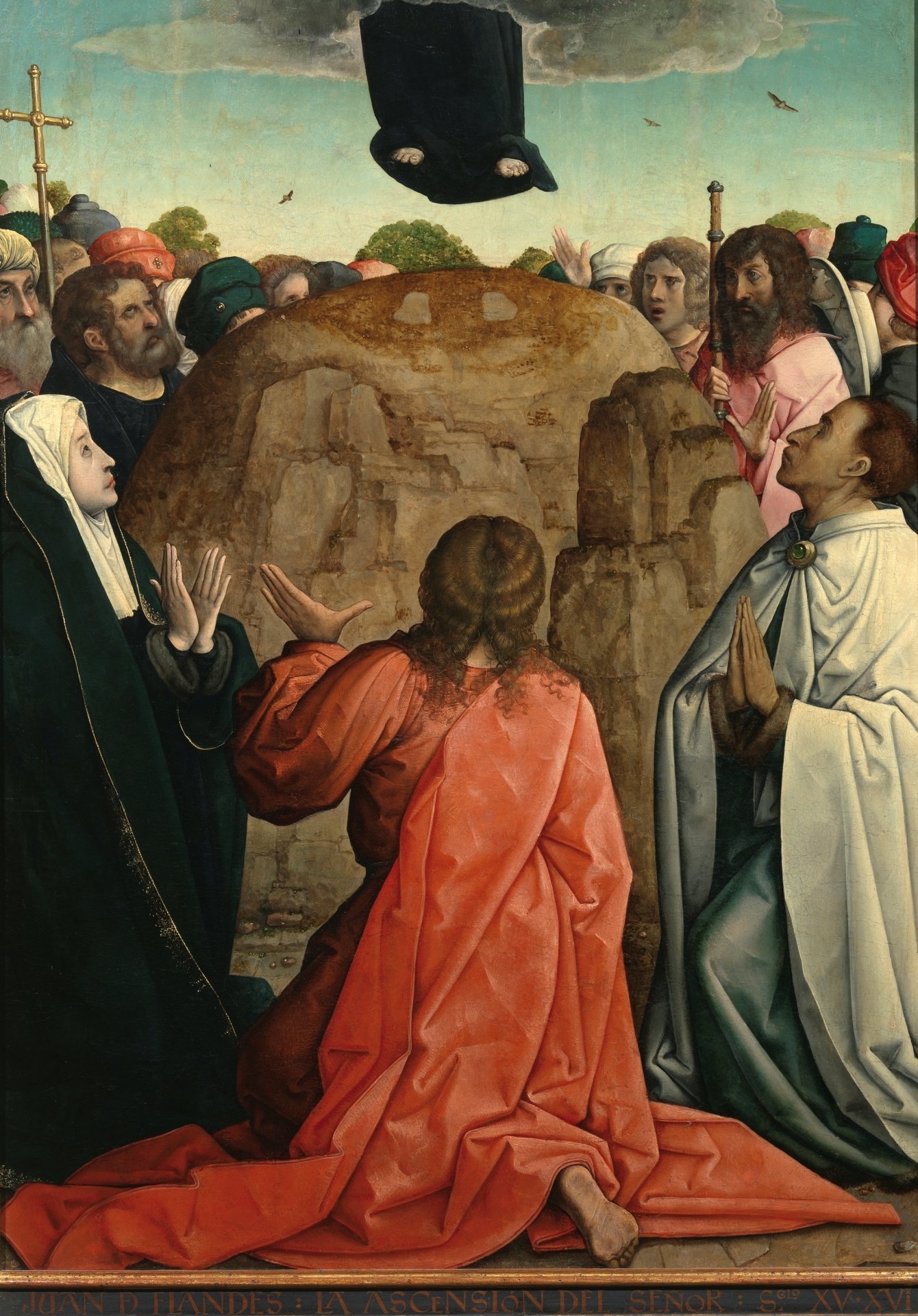
Juan de Flandes, La Ascención del Señor (1514), óleo sobre madera, Museo Nacional del Prado (Madrid)

El evangelio de este domingo nos dice que Jesús vuelve a su Padre «bendiciendo» a sus discípulos. Es su último gesto. Jesús deja tras de sí su bendición. Los discípulos responden al gesto de Jesús marchando al templo llenos de alegría. Y estaban allí «bendiciendo» a Dios. La bendición es una práctica enraizada en casi todas las culturas. El judaísmo, el islam y el cristianismo le han dado siempre una gran importancia. Bendecir es, antes que nada, desear el bien a las personas que vamos encontrando en nuestro camino. Querer el bien de manera incondicional y sin reservas. Querer la salud, el bienestar, la alegría, todo lo que podría ayudarles a vivir con dignidad. Cuanto más deseamos y afirmamos el bien para todos, más posible es su manifestación. Bendecir es aprender a vivir desde una actitud básica de amor a la vida y a las personas. El que bendice elimina de su corazón otras actitudes poco sanas como la agresividad, el miedo, la hostilidad o la indiferencia. No es posible bendecir y, al mismo tiempo, vivir condenando, rechazando, odiando. Bendecir es desearle a alguien el bien desde lo más hondo de nuestro ser, aunque no seamos la fuente de la bendición, sino solo sus testigos y portadores. El que bendice no hace sino evocar, desear y pedir la presencia bondadosa del Creador, que es la fuente de todo bien. Por eso, sólo se puede bendecir en actitud gozosa y agradecida a Dios. La bendición hace bien al que la recibe y al que la práctica. Quien bendice a otros se bendice a sí mismo. La bendición queda resonando en su interior como una plegaria silenciosa que va transformando su corazón, haciéndolo más bueno y noble. Nadie puede sentirse bien consigo mismo mientras siga maldiciendo a alguien en el fondo de su ser. Esta fiesta de la Ascensión pues es una invitación sencilla y alegre a ser portadores y testigos de la bendición de Cristo el Señor a toda la humanidad, sin distinción, imitando a ese Dios que hace salir el sol sobre buenos y malos[1] • AE

[1] Cfr. Mt 5, 45.


Sixth Sunday of Easter (Cycle C)

Today’s Gospel takes the dwelling of God on earth to a deeper level. He is not just among us. He is within us. He is within us as a worshiping Body, the Church. He is within us in the union of all believers into the Mystical Body of Christ. He is all this and much more. He is within each of us. We can speak to God all day, not addressing ourselves to some being “out there somewhere,” not even addressing ourselves to “the man upstairs.” We can speak to God within us. The founders of our country were mostly Deists. They believed in a God who is removed from the ordinary events of human life. For them God was only involved if there was something significant going on. They saw the Revolution as a significant event and called upon God to help free the colonies from the British and form a new country where people would govern themselves. That’s why they put “In God We Trust,” on our currency. But Washington, Franklin, Hamilton and Jefferson, among others, did not really believe that God would be concerned with the affairs of their personal lives. Perhaps that might explain the lack of morality displayed by many of the men who so piously made “In God we trust,” the motto of our country. Prayer for them was… only a matter of a community worship, a formal event #Sad They did not view prayer as a daily communication with God. They professed to be Christian, but they did not recognize Christ in their daily lives. Big deal. The Gospel tells us that Jesus is the Good Shepherd, the One who cares for each of us. He dwells within us. He nurtures us with the Eucharist. God is not out there. He is in here. Wherever we go, we bring God with us. Whatever we do, we do together with Him. He is not just “the man upstairs.” He is “the presence within.” There are many ways that God is present in the world. Some ways that God is present are deeper, more intense than other ways. The deepest, most intense presence of the Lord is in the Eucharist, the Blessed Sacrament. We need this presence. We take this presence within us, at least once a week. We pray before this presence when we enter into Eucharistic adoration here at St. Dominic. We offer this presence as the sacrificial victim to the Father every time we celebrate and attend Mass. We need this presence to sustain the other ways that the Lord is present in our lives. The second deepest, intense presence of God in the world is in the Word of God, Sacred Scripture. The bible is not just a book (even though the word bible means book). Deep within the words of the Bible is the Word of God. That is why we read the Bible and are changed and molded by the words on which we meditate[1]. In short: We, Christians, have been chosen by our Savior to be people of the new presence of God. This presence exists in many ways in the world and in many degrees of intensity. It’s greatest intensity is in the Eucharist and then in all the sacraments. Next is the Word of God in the Bible. There is a deep presence also in the Church, and in the Mystical Body of Christ. There is also a presence within each of us. This is the presence our Gospel for today, sixth Sunday of Easter, proclaims. This presence is the indwelling of God. May we cherish and nourish this presence ever day of our lives and may we give a real testimony of our love relationship with Jesus • AE

[1] Hebrews 4:12


Fr. Agustin Schedule for the Sixth Sunday of Easter (2022)

Saturday May 21, 2022

9.30 a.m. Sacrament of Baptism for Luca R. Corcoran

11.00 a.m. Marriage preparations sessions.

3.30 p.m. Sacrament of Reconciliation (Confessional)

5.00 p.m. Holy Mass (English Mass @ Main Church)

Sunday May 22, 2022

7.30 a.m. Holy Mass (English Mass @ Main Church)

10.00 a.m. Holy Mass (English Mass @ Main Church)


VI Domingo de Pascua (Ciclo C)

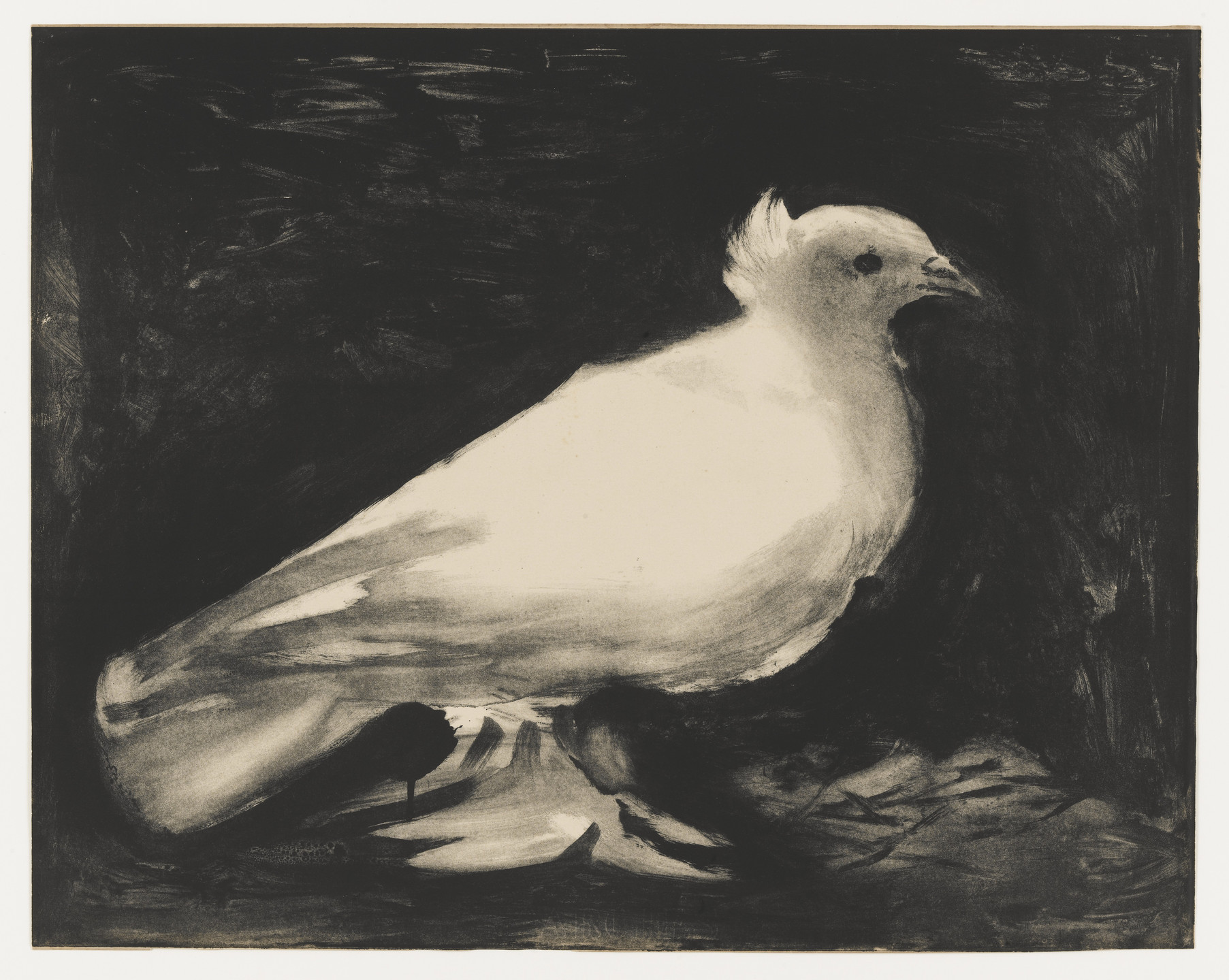
P. Picasso, La Paloma (La Colombe)1949, Museo de Arte Moderno (MOMA), New York.

Siguiendo la costumbre judía, los primeros cristianos se saludaban deseándose mutuamente la paz. Pax, era el saludo cordial. No era un saludo rutinario y convencional. Para ellos tenía un significado más profundo. En una carta que Pablo escribe hacia el año 61 a una comunidad cristiana de Asia Menor, les manifiesta su gran deseo: “Que la paz de Cristo reine en vuestros corazones”. Esta paz no hay que confundirla con cualquier cosa. No es una ausencia de conflictos y tensiones. Tampoco una sensación de bienestar o una búsqueda de tranquilidad interior. Según san Juan, es el gran regalo de Jesús, la herencia que ha querido dejar para siempre en sus seguidores. Así dice Jesús: “La paz les dejo mi paz les doy”[1]. Sin duda, recordaban lo que Jesús había pedido a sus discípulos al enviarlos a construir el reino de Dios: En la casa en que entréis, decid primero: paz a esta casa[2]. Para humanizar la vida, lo primero es sembrar paz, no violencia; promover respeto, diálogo y escucha mutua, no imposición, enfrentamiento y dogmatismo. Así, ¿Por qué es tan difícil la paz? ¿Por qué volvemos una y otra vez al enfrentamiento y la agresión mutua? Hay una respuesta primera, tan elemental y sencilla, que desafortunadamente no tomamos en serio: sólo los hombres y mujeres que poseen paz pueden ponerla en la sociedad. No cualquiera puede sembrar paz. Con el corazón lleno de resentimiento, intolerancia y dogmatismo se puede movilizar a la gente, pero no es posible aportar verdadera paz a la convivencia. Nos ayuda a acercar posturas y a crear un clima amistoso de entendimiento, mutua aceptación y diálogo. ¿Quién tiene la paz de Cristo? Aquel que busca el bien de todos, no excluye a nadie, que respeta las diferencias, no alimenta la agresión, que fomenta lo que une. Hoy, desde la Iglesia de Cristo ¿Qué estamos aportando? ¿Concordia o división? ¿Reconciliación o enfrentamiento? Si quienes nos llamamos cristianos no llevamos la paz en el corazón, ¿qué llevamos? ¿Miedos, intereses, ambiciones, irresponsabilidad? • AE

[1] Cfr Jn 14, 27 [2] Cfr Lc 10, 5.


Fifth Sunday of Easter (Cycle C)

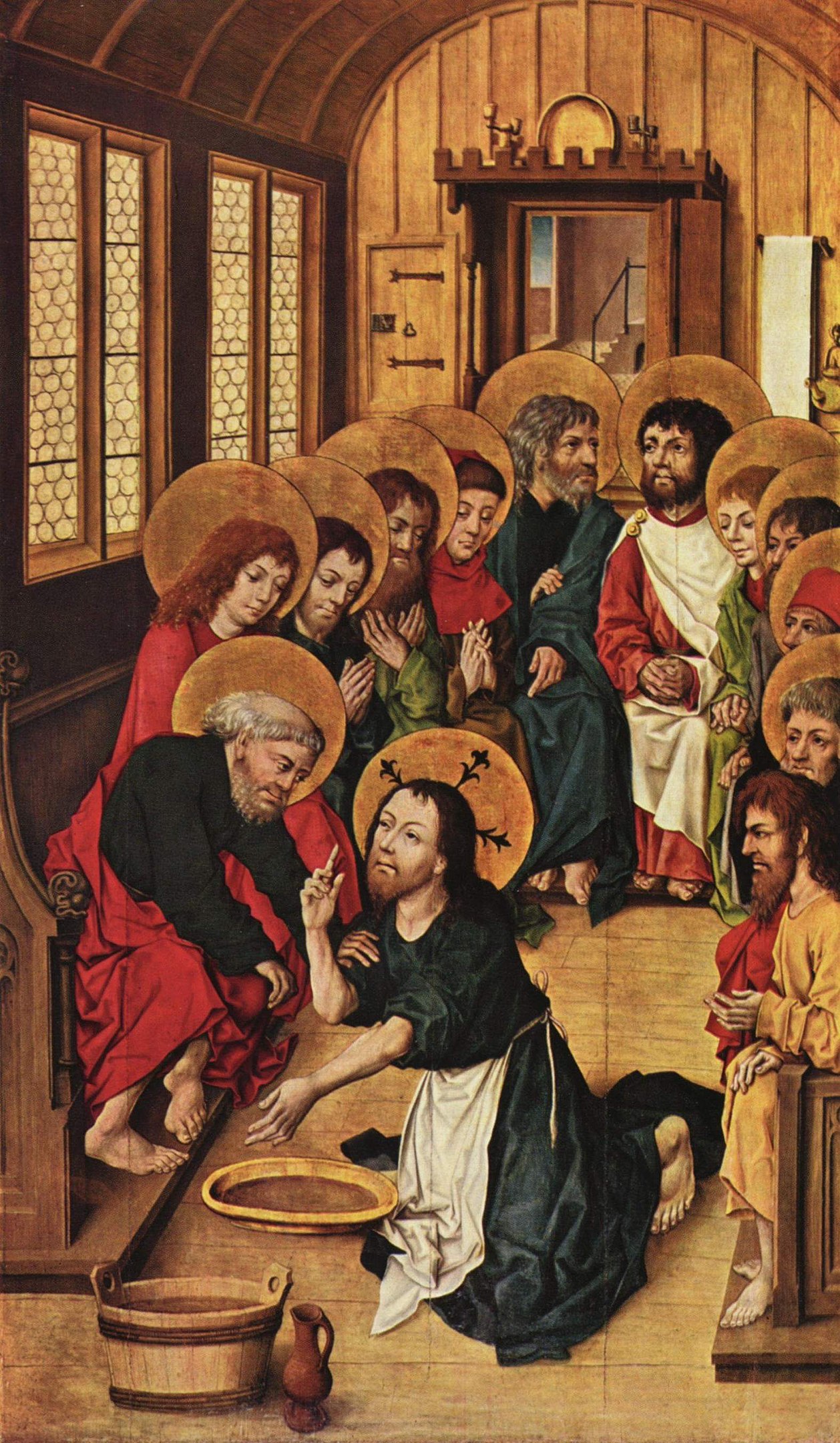
Meister des Hausbuches, Christ Washing the Feet of the Apostles (1475), Gemäldegalerie (Berlin)

Behold, I make all things New,” the One who sits on the Throne said in the second reading from the Book of Revelations. The old order has passed away. There will be a new heaven, a new earth, a new Jerusalem. This theme of newness is continued in today’s Gospel where Jesus says, “I give you a new commandment: love one another.” There is to be a new relationship with God, and a new relationship with each other. Who do we think that we are that we can just talk to the Almighty Creator of the Universe every day and that He will hear us and respond to us? Who do we think we are? Well, we are who He made us to be. We are His Daughters and Sons! Daughters of God, Sons of God, we are sacred, holy to God. He loves us as a Father loves his children. Of course we can talk to Him all day! And just as good parents love it when their children confide in them, God loves us when we confide in Him. We all feel that we are not good enough. But God makes us good enough. He makes us better than we are, infinitely better than we are. He makes all things new. There is also a new way of living experienced in the way we Christians treat each other and reach out to those in the world around us. “This is how all will know that you are my disciples, if you love one another.” So, the greatest proof of our faith is not a theological or philosophical argument that can be made to defend the faith or some individual dogma, or belief of the faith. The greatest proof of our faith is found in the way we treat each other and the way that we reach out to all others. The vast majority of the people whom I have witnessed coming into the faith, have done so because they want to be part of this Community of Love. The Eucharist is certainly a great draw for them because they want to share this special presence of God with the Catholic community, but the sacramental presence only makes sense to them when they experience the sacrificial love of the Lord in the way that Christians treat each other. Before he gave them the Eucharist, Jesus washed the feet of His disciples and then told them to do the same thing. People experience others being kind, loving and good and say, “I want to be part of that.” This type of love is not the way of the world. It is the Way of Jesus Christ, the Way of the One who has made all things new. Our faith is ever ancient and ever new. It began 2,000 years ago when the Holy Spirit of the Father and the Son, empowered the disciples on Pentecost Sunday to proclaim the Gospel of Christ to the whole world. It is renewed every time each of us renews our relationship with God and lives this relationship in the way we treat others. “See, I make all things new.” in our personal prayer this morning we could say to the Lord: «Thank you, Lord, for making us your Daughters and Sons. Thank you, Lord, for making us sacred, holy. Thank you, Lord, for leading us to make your love real in the world by loving one another. Thank you, Lord, for Easter. Thank you, Lord, for making all things new» • AE


Fr. Agustin Schedule for the Fifth Sunday of Easter (2022)

Saturday May 14, 2022

2.30 p.m. Sacrament of Baptism for Guillermo Salcedo, Jr.

4.00 p.m. Sacrament of Reconciliation (Confessional)

5.00 p.m. Holy Mass (English Mass @ Main Church)

Sunday May 15, 2022

7.30 a.m. Holy Mass (English Mass @ Main Church)

10.00 a.m. Holy Mass (English Mass @ Main Church)


V Domingo de Pascua (Ciclo C)

(La fotografía es cortesía de Annie Spratt)

Los cristianos empezaron a crecer en número en medio de una sociedad en la que había distintos términos para expresar lo que nosotros llamamos hoy amor. La palabra más usada era philia que designaba el afecto hacia una persona cercana y se empleaba para hablar de la amistad, el cariño o el amor a los parientes y amigos. Se hablaba también de eros para designar la inclinación placentera, el amor apasionado o sencillamente el deseo orientado hacia quién produce en nosotros goce y satisfacción. Los primeros cristianos abandonaron prácticamente esta terminología y pusieron de moda otra palabra casi desconocida: ágape, a la que dieron un contenido nuevo y original. No querían que se confundiera con cualquier cosa el amor inspirado en Jesús. De ahí su interés en formular bien el mandamiento nuevo, el del amor: «Os doy un mandato nuevo: que os améis unos a otros como yo os he amado». El estilo de amar de Jesús es inconfundible. No se acerca a las personas buscando su propio interés o satisfacción, su seguridad o bienestar. Sólo parece interesarse en hacer el bien, acoger, regalar lo mejor que él tiene, ofrecer amistad, ayudar a vivir. Lo recordarán así años más tarde en las primeras comunidades cristianas: «Pasó toda su vida haciendo el bien». El amor de Jesus -y por ende el de los cristianos- tiene un carácter servicial. Jesús se pone al servicio de quienes lo pueden necesitar más. Hace sitio en su corazón y en su vida a quienes no tienen sitio en la sociedad ni en la preocupación de las personas. Defiende a los débiles y pequeños, a los que no tienen poder para defenderse a sí mismos, a los que no son grandes o importantes para nadie. Se acerca a quienes están solos y desvalidos, los que no tienen a nadie. Entre nosotros, hoy, lo habitual es amar a quienes nos aprecian y quieren de verdad, ser cariñosos y atentos con nuestros familiares y amigos y al mismo tiempo ¡ay! vivir indiferentes hacia quienes sentimos como extraños y ajenos a nuestro pequeño mundo de intereses. O quienes no piensan como nosotros. Es más, parecería que lo políticamente corrrecto es vivir rechazando y excluyendo a quienes nos rechazan o excluyen. Sin embargo -y este es el punto en el que quiza podríamos detenernos un momento el día de hoy hoy en nuestro momento de oración personal- lo que le distingue al cristiano, al verdadero seguidor de Jesús, no es cualquier amor, sino precisamente ese tipo de amor que consiste en saber acercarse a quienes nos pueden necesitar y que, además, no lo van a agradecer o valorar. Es ahi donde podemos medir la calidad de nuestro amor • AE

Fourth Sunday of Easter (Cycle C)

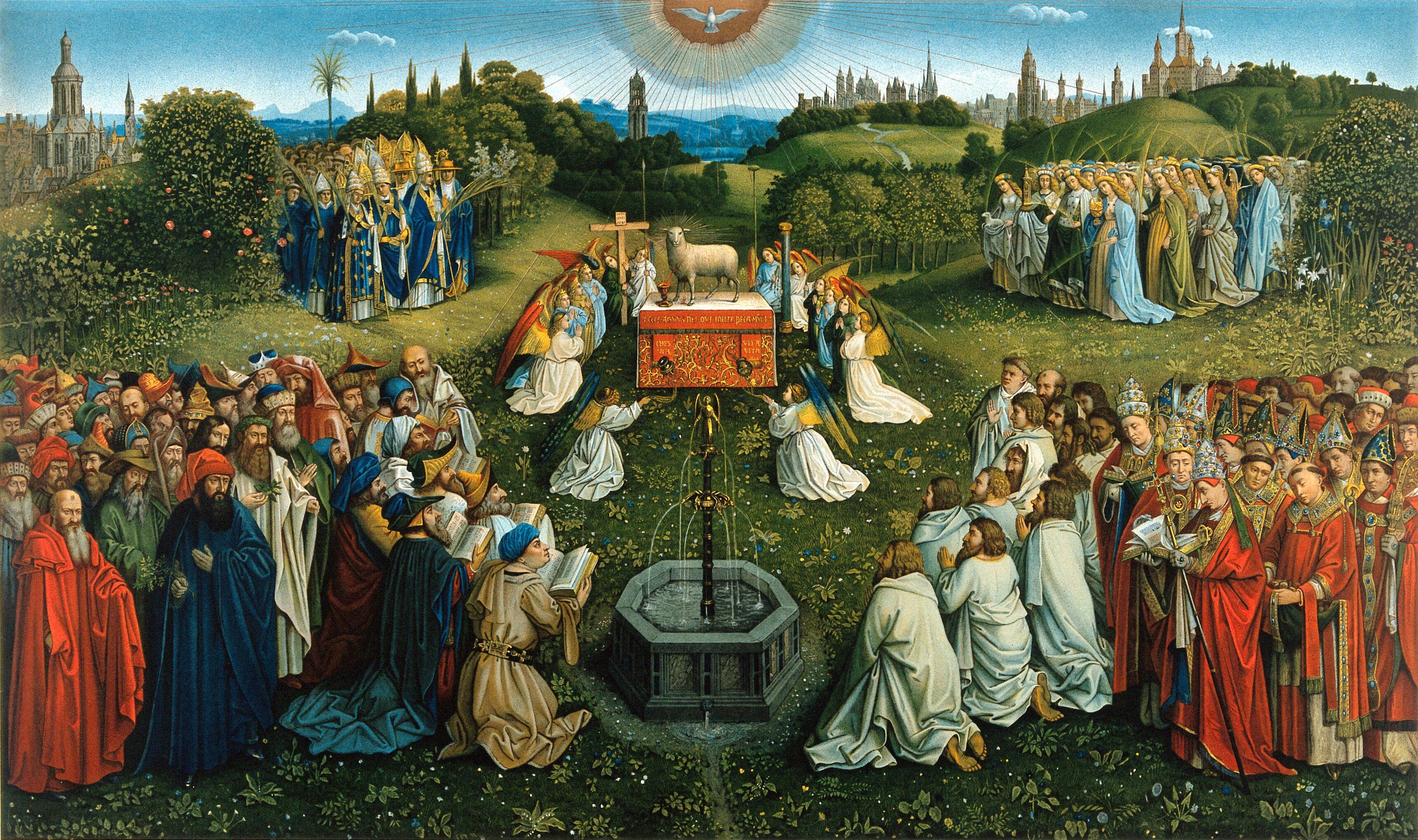
J. Van Eyck, The Ghent Altarpiece. Adoration of the Lamb (detail) (1423), oil on panel, St. Bavo Cathedral, Ghent (Belgium)

We are surrounded by people. We are continually waiting in line– the grocery store, the bank, the Chick-fil-a drive thru, etc. There are so many people at work. So many people in school. We are part of the crowd; we are the traffic; and yet we are alone. God understand each of us. He sees the unique reflections of His Image and Likeness He created each of us to be. He knows our spiritual potential. And He offers us the ability to live in His Presence. And He knows that we are not alone. He loves each of us too much to let us be alone. Still, the feeling of loneliness needs to be confronted by each of us. Each person had to work out their salvation with the Lord. I recently saw a wonderful opera entitled Dialogues des Carmelites, Dialogues of the Carmelites. This was about the 16 Carmelite nuns who were guillotined on July 17, 1794, during the Reign of Terror into which the French Revolution degraded. All the Carmelites did was live a cloistered life of prayer and work. But they did not dissolve their monastery when ordered to do so. They remained praying, remained loyal to the Church, and for that they were executed. They went to the guillotine singing the Salve Regina and kept singing as each was murdered from the oldest to the youngest–their voices fading into the last saint’s solo. The point of the opera is that each had to make that choice, and it was a difficult choice. The main role was Sr. Blanche, a woman full of fear but who was determined not to allow her fear to hold her back. Picture these women, with the crowds screaming, the sixteen together, yet each very much alone. All of the martyrs presented in the second reading, those who have washed their baptismal robes in the Blood of the Lamb, all of the martyrs had to work out their salvation with the Lord[1]. My favorites, Agnes, Perpetua, Felicity, Thomas More, all of them had to confront their fear, and work out their salvation with the Lord. The martyrs had to work out their salvation, and so do we. We may not be called to sacrifice our lives, but we are called to live in such a way that we give witness to the reality of Christ’s Kingdom. We know what the Lord wants of each of us. How? We can listen, listen to His Voice. In the Gospel Jesus says that He knows His sheep and His sheep recognize his voice. We are His sheep. When we look deep within ourselves, we can hear the Lord’s voice. He is calling each of us to be that unique person He created each of us to be. He is calling us to listen to our consciences. He is calling us to look for companions who will support us, not lead us into lives of dissipation. Positive influences can support our desire to be the best person we can be. This is not just an instruction for Teens though. All of us need a Christian, Catholic support group. But with all this said, you and I are alone. Alone, alone in a crowd. Yes, sort of. Well not really. We are never really alone when we are determined to serve our God. He always walks with us. And like the martyrs, we need to realize that we are alone for others. We embrace giving witness to Jesus Christ. That is what being a martyr means after all. We have a responsibility to others to choose Christ and live this choice. Just as we have been strengthened by the martyrs choice, we need to strengthen others by our determination to stand firm for the Lord no matter what the personal cost might be. If we feel alone in living our Christianity, we need to remember that we are alone for others. We pray today for the grace to continue to work out our response to God’s grace, our salvation, for ourselves and for all who need the witness of our determination to follow Christ • AE

[1] Rev 7:9, 14b-17


Ego sum pastor bonus, alleluia,
et cognosco oves meas, alleluia,
et cognoscunt me meae, alleluia.
(John 10:14)

I am the good shepherd, alleluia,
and I know my sheep, alleluia,
and mine know me, alleluia.

Fr. Agustin Schedule for the Fourth Sunday of Easter (2022)

Sunday May 8, 2022

10.00 a.m. Holy Mass (English Mass @ Main Church)

12.30 p.m. Holy Mass (English Mass @ Main Church)

3.00 p.m. Holy Mass (Misa en Español @ Main Church) y celebración de Primeras Comuniones


IV Domingo de Pascua (Ciclo C)

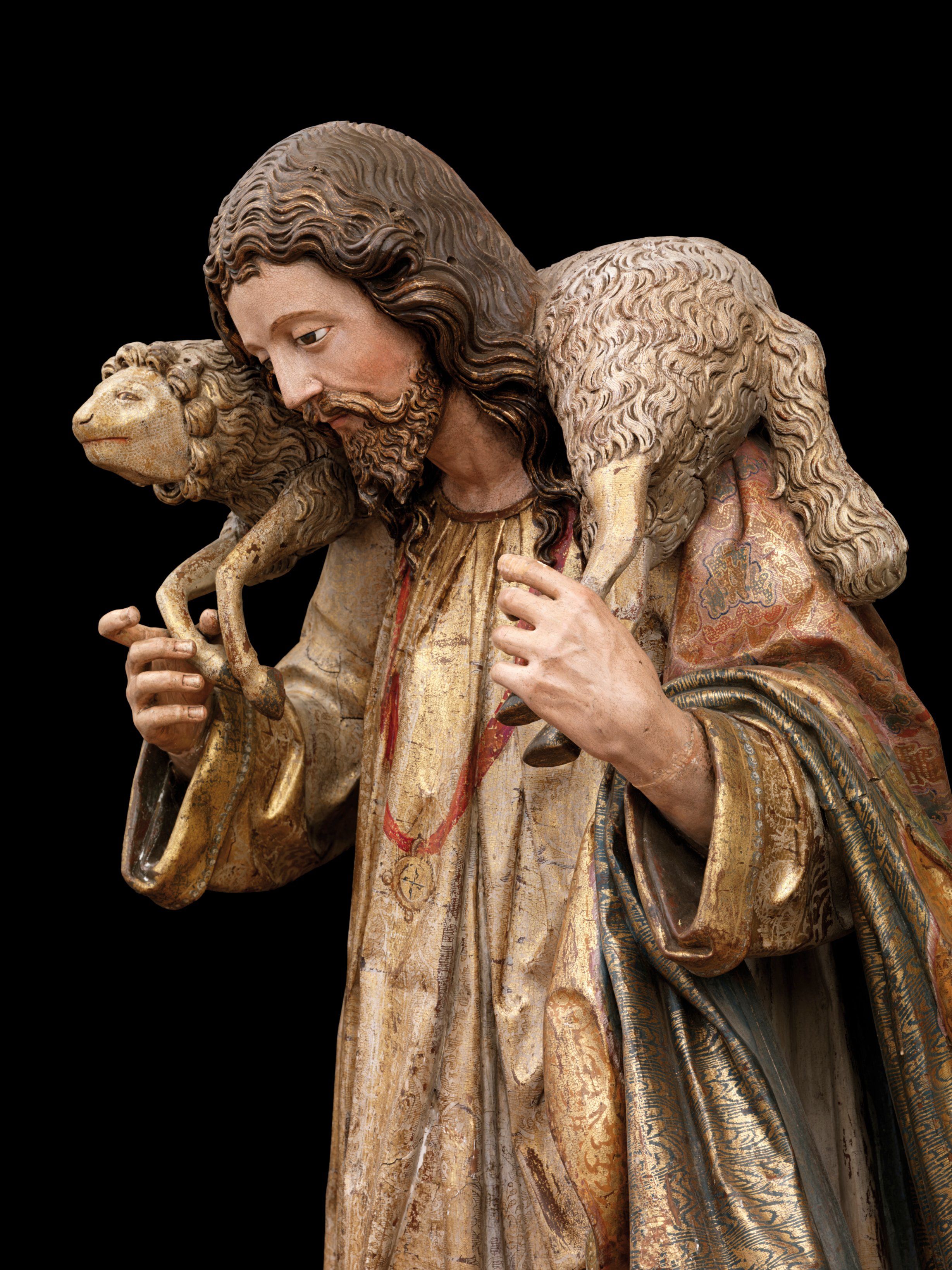
Anónimo, Jesus el Buen Pastor, (S. XVII), madera policromada, Museo Nacional del Virreinato (Tepozotlán, México)

Se pueden hacer toda clase de estudios y diagnósticos. Lo cierto es que el mundo necesita hoy savia nueva para vivir. Las iglesias andan buscando aliento y esperanza. Mucha gente alrededor del mundo reclama justicia y pan. Occidente ya no sabe cómo salir de esa tristeza mal disimulada que ningún bienestar logra ocultar. El problema no es sólo de cambios políticos ni de renovaciones teológicas -aunque mucho ayuden- sino del estilo de vida. Hoy más que nunca estamos necesitados de algo parecido a ese fuego que Jesús encendió en su paso por la tierra: su mística, su lucidez, su pasión por el ser humano. Necesitamos personas como él, palabras como las suyas, esperanza y amor como los suyos. Necesitamos volver a Jesús. Desde el inicio, los cristianos vieron que él podía guiar a los seres humanos. El evangelio de éste domingo nos presenta a Jesús como el pastor capaz de liberar a las ovejas del aprisco donde se encuentran encerradas para sacarlas afuera, a un país nuevo de vida y dignidad. El camina por delante marcando el camino a quienes lo quieran seguir. Jesús no impone nada. No fuerza a nadie. Llama a cada uno por su nombre. Para él no hay masas. Cada uno tiene nombre y rostro propio. Cada uno ha de escuchar su voz sin confundirla con la de extraños que no son sino ladrones que quitan luz y esperanza. Esto es lo decisivo: no escuchar voces extrañas, huir de mensajes que no vienen de Galilea. Siempre que la Iglesia ha buscado renovarse, se ha desencadenado una vuelta a Jesús para seguir de nuevo sus pasos. Como se ha recordado tantas veces, sígueme es la primera y la última palabra de Jesús a Pedro. Pero volver a Jesús no es tarea exclusiva del Papa ni de los obispos. Todos los creyentes somos responsables. Para volver a Jesús no hay que esperar ninguna orden. Francisco de Asís, entre otros muchos, no esperó a que la Iglesia de su tiempo tomara no se qué decisiones. Él mismo se convirtió al evangelio y comenzó la aventura de seguir a Jesús de verdad. ¿A qué tenemos que esperar para despertar entre nosotros una pasión nueva por el evangelio y por Jesús y así vivir como cristianos? ¡El Espíritu de Dios nos ayude éste domingo, el cuarto dentro del tiempo de Pascua, a respondernos esta importante pregunta • AE