

Today’s Gospel takes the dwelling of God on earth to a deeper level. He is not just among us. He is within us. He is within us as a worshiping Body, the Church. He is within us in the union of all believers into the Mystical Body of Christ. He is all this and much more. He is within each of us. We can speak to God all day, not addressing ourselves to some being “out there somewhere,” not even addressing ourselves to “the man upstairs.” We can speak to God within us. The founders of our country were mostly Deists. They believed in a God who is removed from the ordinary events of human life. For them God was only involved if there was something significant going on. They saw the Revolution as a significant event and called upon God to help free the colonies from the British and form a new country where people would govern themselves. That’s why they put “In God We Trust,” on our currency. But Washington, Franklin, Hamilton and Jefferson, among others, did not really believe that God would be concerned with the affairs of their personal lives. Perhaps that might explain the lack of morality displayed by many of the men who so piously made “In God we trust,” the motto of our country. Prayer for them was… only a matter of a community worship, a formal event #Sad They did not view prayer as a daily communication with God. They professed to be Christian, but they did not recognize Christ in their daily lives. Big deal. The Gospel tells us that Jesus is the Good Shepherd, the One who cares for each of us. He dwells within us. He nurtures us with the Eucharist. God is not out there. He is in here. Wherever we go, we bring God with us. Whatever we do, we do together with Him. He is not just “the man upstairs.” He is “the presence within.” There are many ways that God is present in the world. Some ways that God is present are deeper, more intense than other ways. The deepest, most intense presence of the Lord is in the Eucharist, the Blessed Sacrament. We need this presence. We take this presence within us, at least once a week. We pray before this presence when we enter into Eucharistic adoration here at St. Dominic. We offer this presence as the sacrificial victim to the Father every time we celebrate and attend Mass. We need this presence to sustain the other ways that the Lord is present in our lives. The second deepest, intense presence of God in the world is in the Word of God, Sacred Scripture. The bible is not just a book (even though the word bible means book). Deep within the words of the Bible is the Word of God. That is why we read the Bible and are changed and molded by the words on which we meditate[1]. In short: We, Christians, have been chosen by our Savior to be people of the new presence of God. This presence exists in many ways in the world and in many degrees of intensity. It’s greatest intensity is in the Eucharist and then in all the sacraments. Next is the Word of God in the Bible. There is a deep presence also in the Church, and in the Mystical Body of Christ. There is also a presence within each of us. This is the presence our Gospel for today, sixth Sunday of Easter, proclaims. This presence is the indwelling of God. May we cherish and nourish this presence ever day of our lives and may we give a real testimony of our love relationship with Jesus • AE
[1] Hebrews 4:12

Fr. Agustin Schedule for the Sixth Sunday of Easter (2022)

Saturday May 21, 2022
9.30 a.m. Sacrament of Baptism for Luca R. Corcoran
11.00 a.m. Marriage preparations sessions.
3.30 p.m. Sacrament of Reconciliation (Confessional)
5.00 p.m. Holy Mass (English Mass @ Main Church)
Sunday May 22, 2022
7.30 a.m. Holy Mass (English Mass @ Main Church)
10.00 a.m. Holy Mass (English Mass @ Main Church)
VI Domingo de Pascua (Ciclo C)
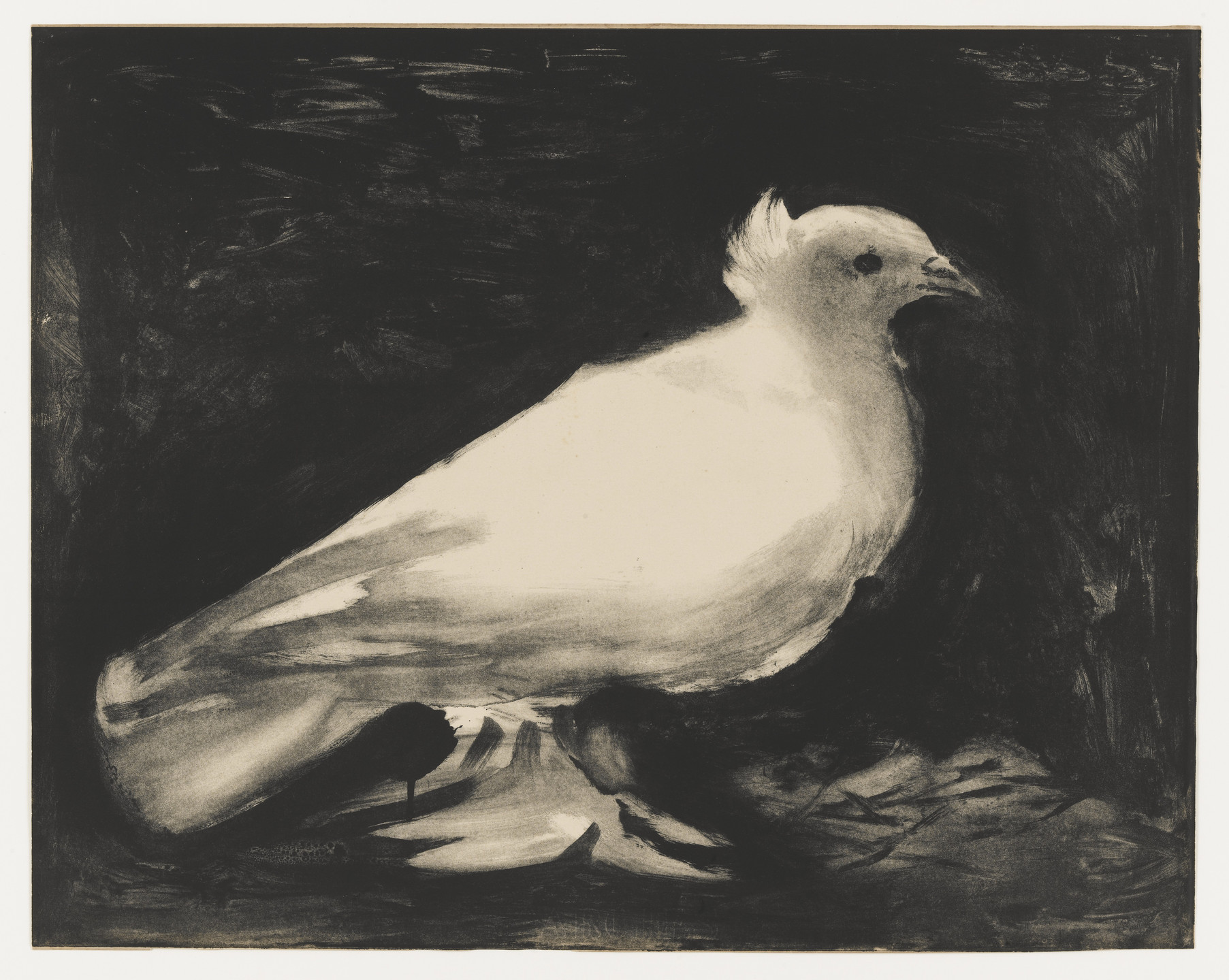
Siguiendo la costumbre judía, los primeros cristianos se saludaban deseándose mutuamente la paz. Pax, era el saludo cordial. No era un saludo rutinario y convencional. Para ellos tenía un significado más profundo. En una carta que Pablo escribe hacia el año 61 a una comunidad cristiana de Asia Menor, les manifiesta su gran deseo: “Que la paz de Cristo reine en vuestros corazones”. Esta paz no hay que confundirla con cualquier cosa. No es una ausencia de conflictos y tensiones. Tampoco una sensación de bienestar o una búsqueda de tranquilidad interior. Según san Juan, es el gran regalo de Jesús, la herencia que ha querido dejar para siempre en sus seguidores. Así dice Jesús: “La paz les dejo mi paz les doy”[1]. Sin duda, recordaban lo que Jesús había pedido a sus discípulos al enviarlos a construir el reino de Dios: En la casa en que entréis, decid primero: paz a esta casa[2]. Para humanizar la vida, lo primero es sembrar paz, no violencia; promover respeto, diálogo y escucha mutua, no imposición, enfrentamiento y dogmatismo. Así, ¿Por qué es tan difícil la paz? ¿Por qué volvemos una y otra vez al enfrentamiento y la agresión mutua? Hay una respuesta primera, tan elemental y sencilla, que desafortunadamente no tomamos en serio: sólo los hombres y mujeres que poseen paz pueden ponerla en la sociedad. No cualquiera puede sembrar paz. Con el corazón lleno de resentimiento, intolerancia y dogmatismo se puede movilizar a la gente, pero no es posible aportar verdadera paz a la convivencia. Nos ayuda a acercar posturas y a crear un clima amistoso de entendimiento, mutua aceptación y diálogo. ¿Quién tiene la paz de Cristo? Aquel que busca el bien de todos, no excluye a nadie, que respeta las diferencias, no alimenta la agresión, que fomenta lo que une. Hoy, desde la Iglesia de Cristo ¿Qué estamos aportando? ¿Concordia o división? ¿Reconciliación o enfrentamiento? Si quienes nos llamamos cristianos no llevamos la paz en el corazón, ¿qué llevamos? ¿Miedos, intereses, ambiciones, irresponsabilidad? • AE
[1] Cfr Jn 14, 27 [2] Cfr Lc 10, 5.
 LA MEDITACION DE LA ESPOSA