

Vanity of vanities, says Qoheleth, the Preacher from the Book of Ecclesiastes, our first reading for this Sunday[1]. Vanity of Vanities. We kill ourselves, and for what? For that which are useless in relationship to the real priorities of life. We really are strange. We all know that you can’t take it with you. But we all tend to jump on an opportunity to benefit financially even if this opportunity demands that we withdraw from our family life. And what do we do when we have that extra edge? We build a new silo to hold our wealth. Vanity of Vanities says Qoheleth. Qoheleth has a message for our society, the same message the Lord is teaches in the form of today’s parable. The message is: keep your priorities straight in life. If our treasure is in heaven, if we work for that which is spiritual, mainly if we build on the sacrificial love of the Lord, then we will be able to embrace the Lord’s love in eternity. But if our treasures are mundane. If we have denied sacrificial love for the sake of acquiring more stuff, then we won’t have anything to take with us in eternity, nor will we have the capacity to accept and enjoy God’s love. So, the goal of life, our Christian life, is to be eternally happy, not temporarily happy. Without God all life is meaningless. But with God, every aspect of our lives proclaims the reason for our creation: to know him, to love him, to serve him. This is the point, and this weekend is a wonderful opportunity to do interior silence, deep soul-searching -examination on conscience- and make a couple of resolutions that lead us to live a simpler, more sober, more selfless life. Freer from so much vanity • AE
[1] Ecc 1:2; 2:21-23

Summer reading
Fr. Agustin Schedule for the Eighteenth Sunday in Ordinary Time St. Dominic Catholic Church

Saturday July 30, 2022
3.30 p.m. Sacrament of Reconciliation (Confessional)
5.00 p.m. (English Mass @ Main Church)
Sunday July 31, 2022
7.30 a.m. Holy Mass (English Mass @ Main Church)
10.00 a.m. Holy Mass (English Mass @ Main Church)
XVII Domingo del Tiempo Ordinario (Ciclo C)
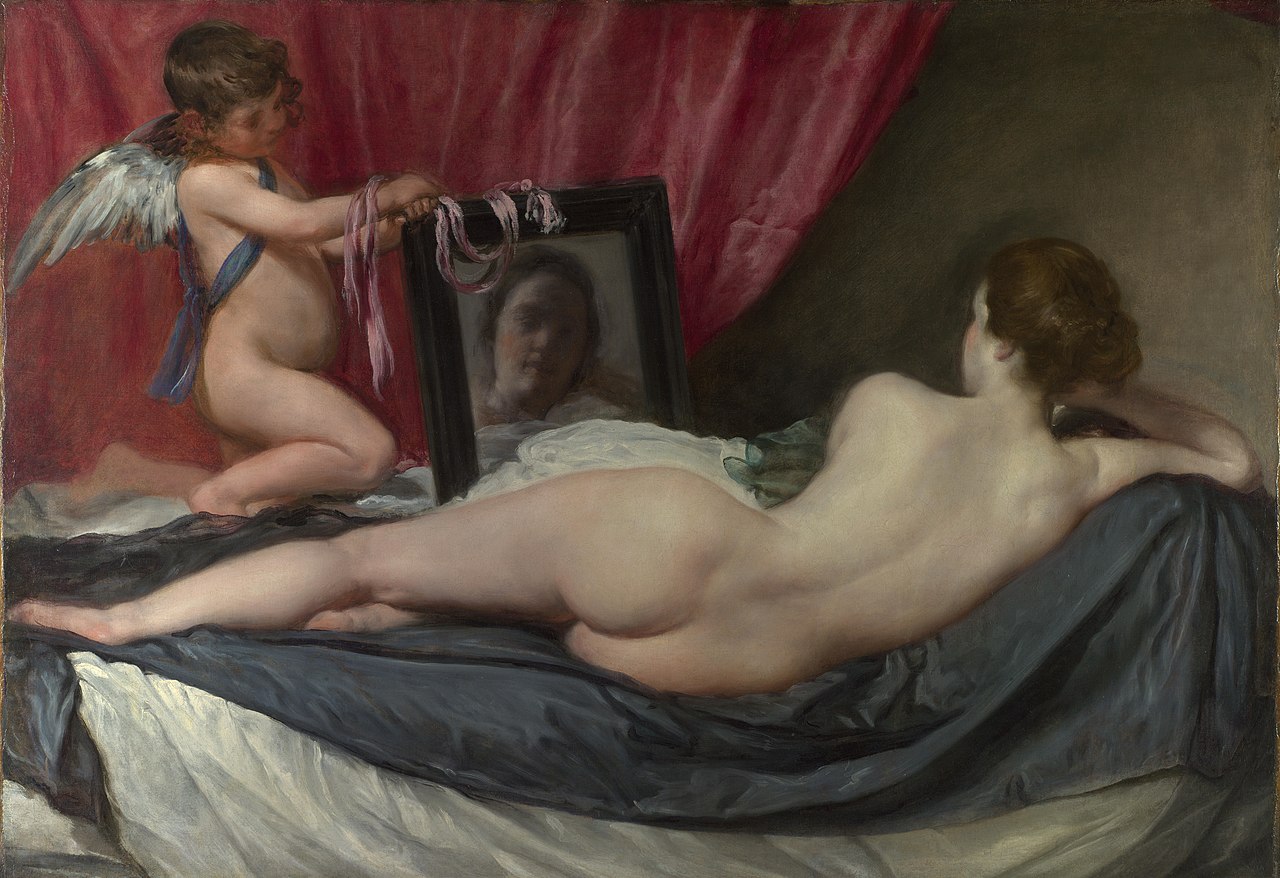
«Date como magnate», es un poco la consigna del hombre rico de la parábola evangélica de este domingo. Y también el ideal de no pocos. Hace mucho que la sociedad moderna ha institucionalizado el consumo: casi todo se orienta a disfrutar de productos, servicios y experiencias siempre nuevas. La consigna del bienestar es clara: Date como magnate. A través del marketing se nos ofrece es juventud, elegancia, seguridad, feminidad o virilidad, naturalidad, poder, vitalidad. La vida la hemos de alimentar en el consumo. Y desde luego el mundo de la moda, que se ha convertido en el guía principal de la sociedad moderna. Ya no son las religiones ni las ideologías las que orientan los comportamientos de la mayoría. La publicidad y la seducción de la moda van sustituyendo a la Iglesia, la familia o la escuela. Es la moda la que nos enseña a vivir y a satisfacer todo aquello que anhela el corazón. Lo mismo sucede con la seducción de los sentidos y el cuidado de lo externo. Hay que atender el cuerpo, la línea, el peso, la gimnasia. Hay que seguir de cerca los programas de consejos médicos y culinarios. Hay que aprender a sentirse bien con uno mismo y con los demás; hay que saber moverse de manera hábil en el campo del sexo: conocer todas las formas de posible disfrute, gozar y acumular experiencias nuevas. Desde luego sería un error condenar por completo esta sociedad que ofrece tantas posibilidades para cuidar las diversas dimensiones del ser humano y para desarrollar una vida integral e integradora. Pero no sería menos equivocado dejarse arrastrar sin prudencia por cualquier moda o reclamo reduciendo la existencia a puro bienestar material. La parábola de hoy nos invita a descubrir la insensatez que se puede encerrar en este planteamiento de la vida. Para acertar en la vida no basta pasarlo bien. No somos solamente animales hambrientos de placer y bienestar. Fuimos creados para cultivar el espíritu, conocer la amistad y la ternura, experimentar el misterio de lo transcendente, agradecer la vida, vivir la solidaridad. Ganamos poco o nada llevándonos las manos a la cabeza y lamentado lo mal que van las cosas. Lo importante es actuar de manera inteligente y buscar un buen balance. Ya lo decían los maestros medievales: in medio, virtus: en medio, ahí está la virtud • AE

LECTURAS PARA EL VERANO
 LA MEDITACION DE LA ESPOSA