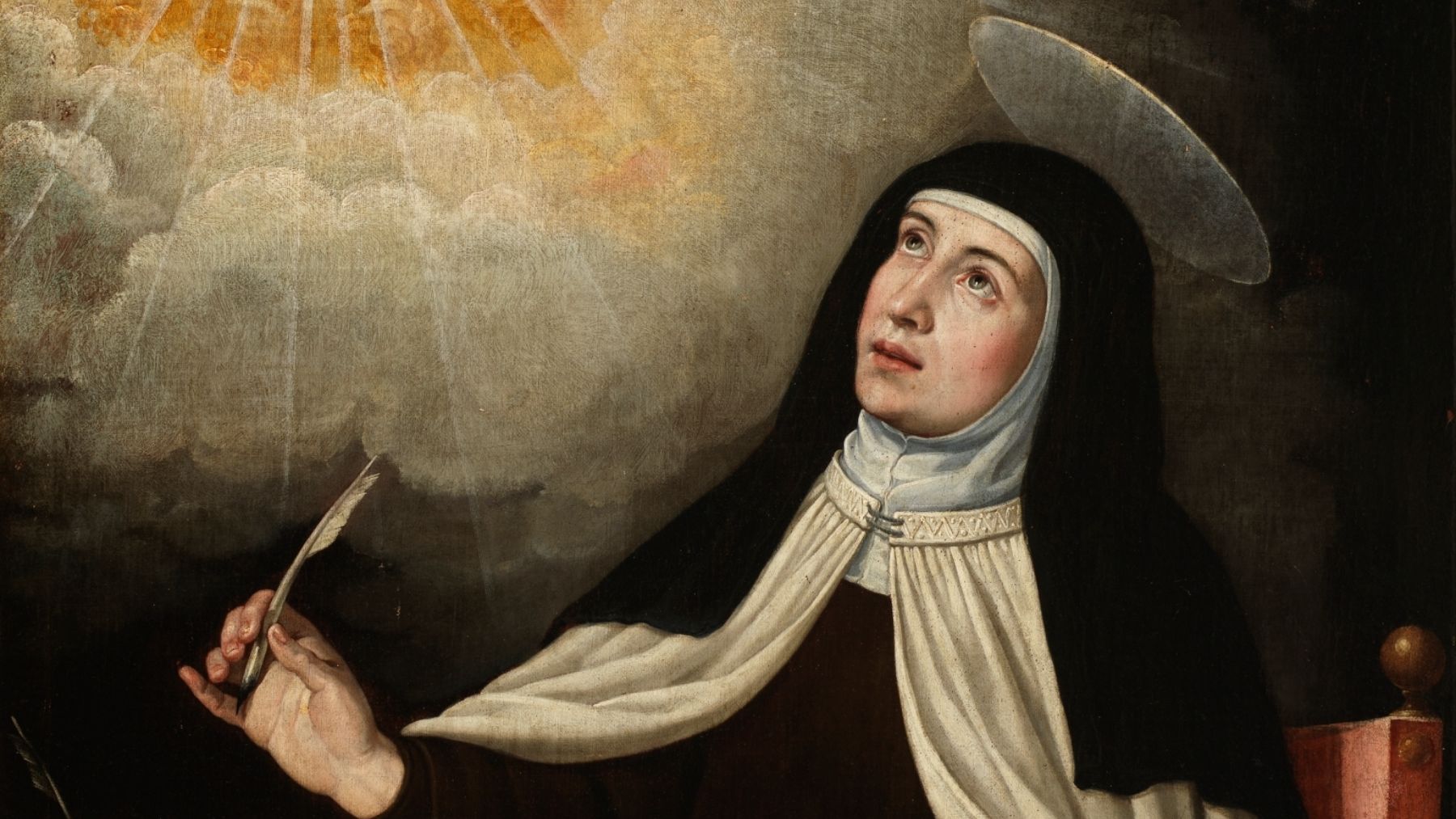
There is a story told by St. Teresa of Jesus, the founder of the Discalced Carmelites, that one time during prayer she complained to the Lord that she had so many trials. Our Lord answered her that that was the way he treated his friends, burden them with trials. She immediately replied, «No wonder you have so few friends». In response to a question whether only few will be saved, Jesus answered, “Strive to enter through the narrow gate, for many, I tell you, will attempt to enter but will not be strong enough.» You probably noticed that in big schools and buildings there is a narrow gate. There is a wide gate for the cars. There is also a narrow gate for individual persons. The structure of this narrow gate is such that it allows only one person at a time to pass through conveniently. This is also what Jesus meant. We are to strive to pass through this narrow gate where only one person passes through at one time. In John´s gospel Jesus speaks twice that he is the gate. In other words it is Jesus himself through whom we pass through. And we do this one by one, not in a group. This means that individually we enter his life, his thoughts, his desires. This is nothing else than becoming friends with him. He says that we strive to pass through him. The word used to translate the word «strive» here is the one from where we get the English word «agonize». This is the word used to describe an athlete struggling with all his strength to compete for a prize. In other words Jesus is telling us to strive with all our might, with all the strength that we have to be his friend, to enter into his life, his way of thinking, speaking, and acting. This is because there are so many things alluring us away from devoting our whole life for Jesus: our family, our friends, our work, our recreation, etc. The Letter to the Hebrews in our second reading tells us that this is a painful process, the putting on of Christ in our life. But it is a condition for us to get saved both from the evils of this present life and those of the life to come. We know that only a few do this. Most of us are contended with discharging our religious obligations and doing what we can to avoid sins. But Jesus is not content with this. He wants us to so desire him with all our strength to be his friend that we can truly say with the psalmist: «Whom have I in heaven but you? and there is none upon earth that I desire besides you» • AE
Fr. Agustin Schedule for the Twenty-First Sunday in Ordinary Time St Dominic Catholic Church (San Antonio, TX)

Saturday August 20, 2022
3.30 p.m. Sacrament of Reconciliation (Confessional)
5.00 p.m. (English Mass @ Main Church)
Sunday August 21, 2022
7.30 a.m. Holy Mass (English Mass @ Main Church)
10.00 a.m. Holy Mass (English Mass @ Main Church)
XXI Domingo Del Tiempo Ordinario (Ciclo C)
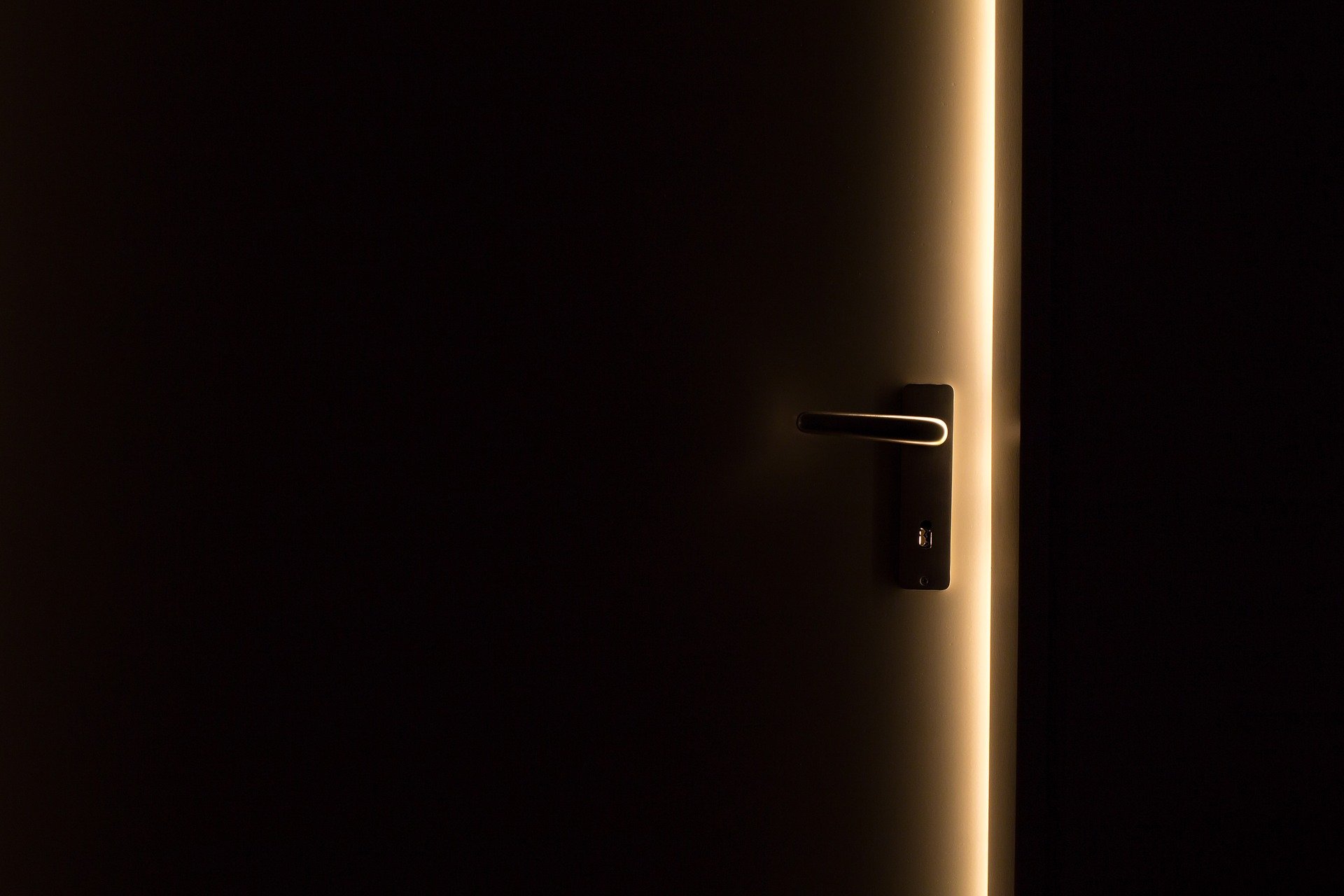
Esta de la puerta estrecha es sin duda, una de las frases más duras de Jesús para los oídos del hombre contemporáneo ¿Qué puede significar hoy esta exhortación evangélica? ¿hay que volver de nuevo a un cristianismo tenebroso y amenazador?, ¿hemos de entrar otra vez por el camino de un moralismo estrecho? Aunque la sociedad permisiva parece olvidarlo, el esfuerzo y la disciplina son absolutamente necesarios para alcanzar la madurez personal. No hay otro camino. Si alguien pretende lograr su realización por el camino de lo agradable y placentero, pronto descubrirá que cada vez es menos dueño de sí mismo y de sus actos. Nadie alcanza en la vida una meta realmente valiosa sin renuncia y sacrificio. Esta renuncia no ha de ser entendida como una manera tonta de hacerse daño a sí mismo privándose de la dimensión placentera que entraña el vivir saludable. Se trata de asumir las renuncias necesarias para vivir de manera intensa y positiva. Así, la verdadera vida es armonía. Armonía entre lo que creo, lo que pienso y lo que hago. No siempre es fácil esta armonía personal. Vivir de manera coherente con uno mismo exige renunciar a todo lo que entorpece o impide esa armonía. Pero, sin esta renuncia, la persona no crece. La vida es también verdad. Tiene sentido cuando la persona ama la verdad, la busca y camina tras ella. Pero esto exige esfuerzo y disciplina; renunciar a tanta mentira y autoengaño que desfigura nuestra persona y nos hace vivir en una realidad falsa. La vida es amor. Quien vive encerrado en sus propios intereses, esclavo de sus ambiciones, podrá lograr muchas cosas, pero su vida es un fracaso. Naturalmente, el amor exige renunciar a egoísmos, envidias y resentimientos. Pero, sin esta renuncia no hay amor, y sin amor no hay crecimiento de la persona. La vida es regalo pero es tarea. Ser humano es una dignidad pero es también un trabajo. No hay crecimiento sin desprendimiento; no hay libertad sin sacrificio; no hay vida sin renuncia. Uno de los errores más colosales de la sociedad permisiva es confundir la felicidad con la facilidad. La advertencia del Señor en el evangelio de hoy, pues es importante: Sin renuncia no se gana ni esta vida ni la eterna • AE
 LA MEDITACION DE LA ESPOSA