
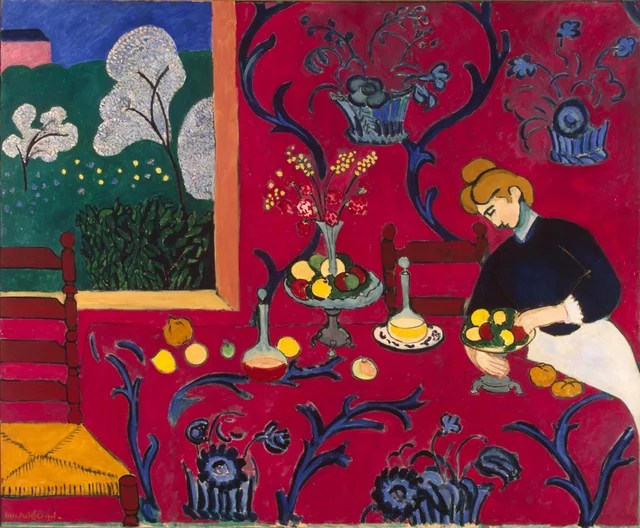
In today’s Gospel The Lord is not playing Miss Manners. He’s not giving lessons in proper etiquette. He is teaching us the proper way to view ourselves and others. He is teaching us about honor, respect, and, particularly, about humility. The Banquet table in the first part of the Gospel is the Table of the Lord. We are invited to the celebration of God’s Kingdom. Our joy should be that we are invited to this meal. We cannot be concerned with comparing ourselves to the other guests. We are told that we shouldn’t think so highly of ourselves that we put ourselves over other people. Symbolically, we shouldn’t move to the best seat at the banquet thinking that we are so much better than everyone else. Are we better than others because we are here at Mass right now and others are not planning on worshiping this weekend? Is that how the Lord wants us to think? Of course not. I, and I am sure you, run into many people who assert their high spirituality, greater than all others, save those who share their particular experiences. They are part of a particular prayer movement or a spiritual group, or they have visited shrines, they join a traditionalist parish and consider themselves the “faithful Catholics” as in real Catholics opposed to the rest of us. They insinuate, or even say directly: “I’m sorry that you haven’t made this movement, joined this group or visited that shrine. You are really missing out here.” And in this way purport to be so much better than everyone else. What they are in fact saying is, «You haven’t made this movement, you haven’t visited this shrine, well, you’re just not up there, spiritually.» A truly holy person would never belittle the faith-life of another person. The first dinner instruction encourages us to recognize who we are before the Lord, not to be concerned with making believe we are better than others. The second part of the gospel does not speak about the Table of the Lord, but refers to honoring people for favors to come later. The Christian attitude should be to care genuinely for others, not try to buy them. If we are concerned with whom they are, not what they can do for us, then we are honoring the Lord who is present within them. Put both dinner instructions together and we have, simply enough: recognize the presence of the Lord in ourselves and in others and honor that presence. This is Christian humility. Humility is rejoicing in whom we are and who others are before the Lord. If we live this way then we, the humble, will be exalted by the Lord • AE

Fr. Agustin Schedule for the Twenty-Second Sunday in Ordinary Time
St. Dominic Catholic Church

Saturday August 27, 2022
3.30 p.m. Sacrament of Reconciliation (Confessional)
5.00 p.m. (English Mass @ Main Church)
Sunday August 28, 2022
12.30 p.m. Holy Mass (English Mass @ Main Church)
3.00 p.m. Santa Misa en Español (Final del Retiro de ACTS)
XXII Domingo del Tiempo Ordinario (Ciclo C)
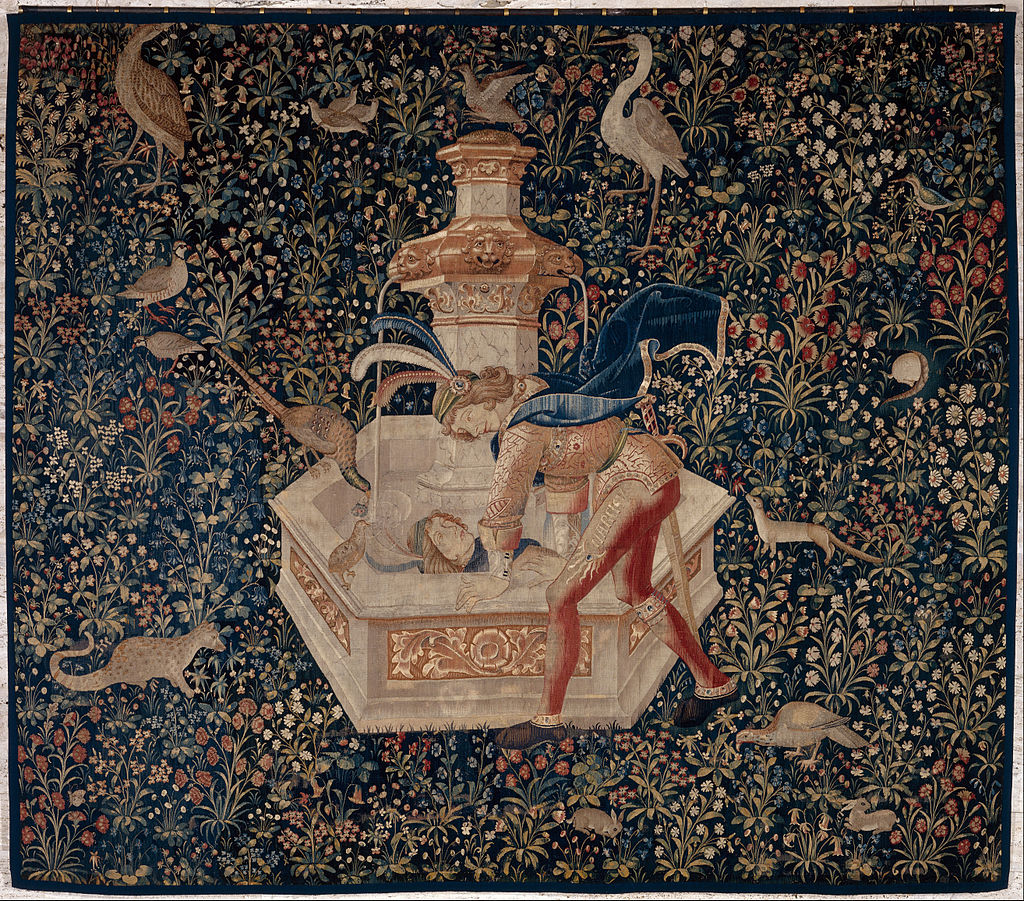
A finales de los años setenta, CH. Lasch escribió La cultura del narcisismo (1979), un libro que podría ayudarnos a entender mejor que el individualismo al que tanto se nos invita, en realidad no es autoafirmación, sino pérdida de identidad, vacío interior y empobrecimiento. Basta tomar nota de algunos de sus rasgos. La personalidad narcisista centra al individuo sobre sí mismo. La meta casi única es el propio bienestar y el equilibrio emocional. Fuera problemas. Lo importante es vivir en paz y tranquilo evitando lo que pueda complicarnos las cosas. En consecuencia, se vive a distancia de aquello que pueda comprometer. No se toma en serio lo que puede significar exigencia y esfuerzo comprometido. Se habla de derechos, pero poco o nada de obligaciones. El individuo defiende por encima de todo su interés personal, y así el resultado es empobrecedor. La persona no crece ni despliega sus posibilidades. Busca seguridad y bienestar. Toda su identidad consiste en vivir cómodamente en cada momento. Todo vale con tal de vivir bien: creencias de cualquier tipo, religión «a la carta», ética de conveniencia, etc. Los problemas personales se magnifican y así poco a poco se cae en la apatía e indiferencia ante los sufrimientos de los demás. El evangelio de este domingo evangelio invita a ver la vida de otra manera: «Hay más alegría en dar que en recibir». Una frase absolutamente contracultural, sin embargo la experiencia nos dice que es verdad para aquel que tenga un espíritu suficientemente humano y que busque verdaderamente seguir al Señor. Más contrarias aún al espíritu de los tiempos son las palabras recogidas por el evangelio de Lucas: «Cuando des un banquete, invita a los pobres, lisiados, cojos y ciegos: dichoso tú porque no pueden pagarte». Reconozcámoslo: tenemos miedo a la verdadera felicidad porque creemos que ésta se encuentra sólo en el placer y no en la entrega generosa. Sin embargo, la sabiduría de ser feliz supone la libertad de desprenderse. Hay una dicha que sólo conoce quien sabe dar sin recibir nada a cambio, amar a fondo perdido. Todo lo contrario a lo que el mundo nos dice, pero todo ello profundamente humano y gratificante y del color del camino de Cristo • AE

 LA MEDITACION DE LA ESPOSA