
The Lord uses a word that is shocking coming from Him or from any of His followers. That word is hate. This word has no place in Christianity. We cannot allow it to be used in our lives. We can feel strongly opposed to someone or to something, but we cannot hate that person or that thing. Hate is the antithesis of love. So, in today’s Gospel we hear the Lord using that word. How are we to understand this? Is Jesus telling us that to be his disciples we have to be people of hate? That simply does not follow. Many times Jesus spoke using apocalyptical concepts and language. Here the Lord uses extreme phrases and concepts to catch people’s attention, to get them emotionally involved. So, what is the Lord saying? Simply, he is saying that in comparison to our love for Him, all other love must be so inferior that it can be called the opposite of love. Who are you? Who am I? At our best, we are unique reflections of the love of God. Anything, anyone that prevents us from being that reflection of God’s love is unworthy of our true identity. So, therefore, no one and nothing can stand in the way of our love of God. When we fall into sin, serious sin, we become disjointed. We feel like we have been torn apart. We feel like we are not ourselves. And we are correct. When we fall into serious sin, we destroy our very identity. We sacrifice being sons and daughters of God for a lesser, insignificant love, the love of ourselves. That is why today’s difficult passage where the Lord uses the word hate is immediate followed by His command: “Whoever does not carry his own cross and come after me cannot be my disciple.” Following the Lord demands the total sacrifice of ourselves for Him. This is difficult. This is a cross, a cross we gladly embrace because there is no greater good in life than union with God. So, like the man constructing the tower or the king contemplating war, we have to use our intelligence to complete the work of building up that portion of the Body of Christ that each of us has been created to make real in the world. This takes determination. This take drive. We have to have the determination and the drive to be the people each of us has been called to be. We have to have the determination and the drive to be true to our identities. Anything that prevents us from our own unique ways of following the Lord is unworthy of who we are. When St. Perpetua’s father pleaded with her to save her life and renounce Christ, she responded, “But father, look at that pot. You cannot say it is not a pot. I cannot give up who I am. I am a Christian.” And so are we. Anything that keeps us from being who we really are, well, that we must hate • AE

SUMMER IS ALMOST OVER (To read more!)
Schedule for the Twenty-Third Sunday in Ordinary Time
St Dominic Catholic Church (San Antonio, TX)

Saturday September 3, 2022
3.30 p.m. Sacrament of Reconciliation (Confessional)
5.00 p.m. (English Mass @ Main Church)
Sunday September 4, 2022
7.30 a.m. Holy Mass (English Mass @ Main Church)
10.00 a.m. Holy Mass (English Mass @ Main Church)
XXIII Domingo del Tiempo Ordinario (Ciclo C)
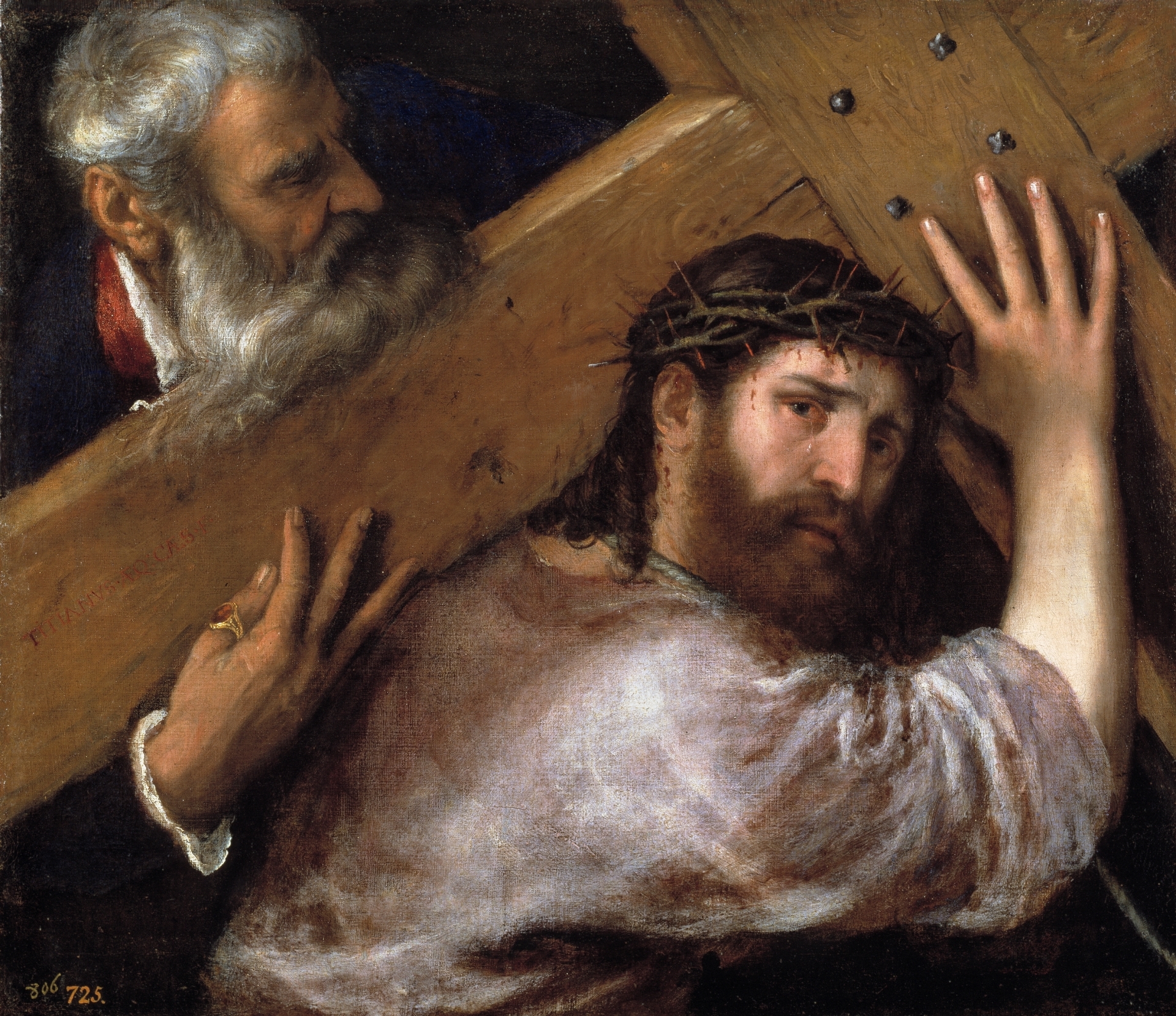
Tarde o temprano, a todos nos toca sufrir. Una enfermedad grave, un accidente inesperado, la muerte de un ser querido, desgracias y desgarros de todo tipo, nos obligan un día a tomar postura ante el sufrimiento. ¿Qué hacer? Algunos se limitan a rebelarse. Es una actitud explicable: protestar, sublevarse ante el mal. Pero, por lo general, esta reacción intensifica todavía más el sufrimiento. La persona se crispa y exaspera. Es fácil terminar en el agotamiento y la desesperanza. Otros se encierran en el aislamiento. Viven replegados sobre su dolor relacionándose sólo con sus penas. No se dejan consolar por nadie. No aceptan alivio alguno. Ese es un camino difícil de recorrer, no se sabe bien dónde podría terminar. Otros adoptan la postura de víctimas y viven compadeciéndose de sí mismos. Necesitan mostrar sus penas a todo el mundo. Es una manera de manipular el sufrimiento, que nunca ayudará a la persona a madurar. La actitud del creyente es diferente. El cristiano no ama el sufrimiento, no lo busca, no lo quiere ni para los demás ni para sí mismo. Siguiendo los pasos de Jesús, lucha con todas sus fuerzas por arrancarlo del corazón de la existencia. Pero, cuando es inevitable, carga la cruz en comunión con el Crucificado. Esta aceptación del sufrimiento no consiste en doblegarnos ante el dolor porque es más fuerte que nosotros. Eso sería estoicismo o fatalismo, pero no actitud cristiana. No se trata tampoco de buscar explicaciones artificiosas considerándolo todo castigo, prueba o purificación que Dios nos envía. Dios no es ningún sádico que encuentra un placer especial en vernos sufrir. Tampoco tiene por qué exigirlo, como a pesar suyo, para que quede satisfecho su honor o su gloria. El cristiano ve en el sufrimiento una experiencia en la que, unido a Cristo, puede vivir su verdad más auténtica. El sufrimiento sigue siendo malo, pero precisamente por eso, se convierte en la experiencia más realista y honda para vivir la confianza radical en Dios y la comunión con los que sufren. Vivida así, la cruz es lo más opuesto al pecado. ¿Por qué? Pecar es buscar egoístamente la propia felicidad rompiendo con Dios y con los demás, y cargar la cruz junto a Jesús, como Simón de Cirene, es exactamente lo contrario: es abrirse confiadamente al Padre y solidarizarse con los hermanos, precisamente en la ausencia de felicidad • AE
¿Qué leer?

 LA MEDITACION DE LA ESPOSA