

It is amazing how astute we can be when making business deals. Whether it’s buying a used car or selling a house, all of us learn how to get the most for our money. This is not something new. It’s part of human nature to get the best deal possible. Jesus was aware of this. The parable he told in today’s gospel is about that exactly. The Lord’s point is that we often demonstrate our intelligence, but we don’t apply this intelligence to the one thing that really matter: our eternal salvation. Consider the number of times we’ve sat down and worked out how we can use our talents to be better Christians. Consider the number of times we’ve plotted out how we can foster the practice of our faith in our families. Consider the number of times we’ve thought out how we can put ourselves in situations which would avoid moral problems we’ve had in the past. If we were to add up the minutes spent a month doing this and compare them to the minutes a month spent working out our financial deals, would there be any comparison at all? “You cannot serve God and mammon,” the reading concludes. Basically, the Lord is telling us, «You have the intelligence, use it. Use it to fulfill the mission you assumed when I called you to be my disciples. We must be as resourceful and dedicated in the ways of God as we are in the ways of commerce and politics. Jesus’ parable challenges us to be as eager and ingenious for the sake of God’s reign, to be as ready to use our time and money to accomplish great things for the Gospels as we are to secure our own happiness. We cannot be successful in life by ourselves. But we are not alone. God did not create us and then abandon us. Jesus did not just call us to follow Him and then leave us to our own devices. God gives us His Holy Spirit to empower us. He strengthens us with His Word and His very Body and Blood. He gives us the courage to stand up for the poor, the vulnerable, those about to be born, those being treated poorly by others. Today, in our prayer time, in the silence of our hearts, we could ask the Lord to help us to use our ingenuity to promote His Kingdom • AE

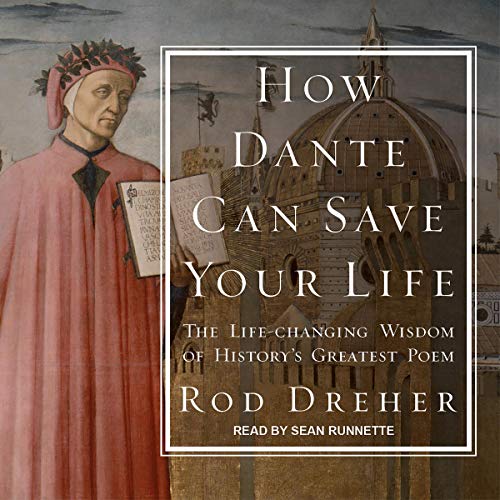
BOOKS? HERE SOME

Schedule for the Twenty-Fifth Sunday in Ordinary Time
St Dominic Catholic Church (San Antonio, TX)

Saturday September 17, 2022
3.30 p.m. Sacrament of Reconciliation (Confessional)
5.00 p.m. (English Mass @ Main Church)
Sunday September 18, 2022
7.30 a.m. Holy Mass (English Mass @ Main Church)
10.00 a.m. Holy Mass (English Mass @ Main Church)
XXV DOMINGO DEL TIEMPO ORDINARIO (CICLO C)

No podéis servir a Dios y al Dinero». Es la sentencia que mejor refleja la actitud de Jesús ante el dinero. Hablamos mucho de la crisis religiosa provocada por el racionalismo contemporáneo, pero olvidamos que el alejamiento de Dios tiene su origen en el poder seductor del dinero. Según Jesús, quien se ata al dinero termina alejándose de Dios. El evangelio no denuncia tanto el origen inmoral de las riquezas conseguidas de manera injusta cuanto el poder que el dinero tiene de deshumanizar a la persona separándola del Dios vivo. Las palabras de Jesús buscan por tanto que tomemos conciencia de la gran diferencia que hay entre el señorío de Dios y el del dinero. No se puede ser fiel a Dios y vivir esclavo del dinero. La riqueza tiene un poder subyugador irresistible. Cuando el individuo entra en la dinámica del ganar siempre más y del vivir siempre mejor, el dinero termina sustituyendo a Dios y exigiendo obediencia absoluta. En esa vida ya no reina el Dios que pide amor y solidaridad, sino el dinero que sólo mira el propio interés. En el evangelio el término «dinero» viene designado con el término de «mammona», y este aparece cuatro veces en el Nuevo Testamento y siempre en boca de Jesús. Se trata de un término que proviene de la raíz aramea «aman» (confiar, apoyarse) y significa cualquier riqueza en la que el individuo apoya su existencia. El pensamiento de Jesús aparece así con más claridad: cuando una persona hace del dinero la orientación fundamental de su vida, su único punto de apoyo y su única meta, la obediencia al Dios verdadero se diluye. La razón es sencilla. El corazón del individuo atrapado por el dinero se endurece. Tiende a buscar sólo su propio interés, no piensa en el sufrimiento y la necesidad de los demás. En su vida no hay lugar para el amor desinteresado y la solidaridad. La consecuencia es que no hay lugar para un Dios Padre de todos. El mensaje evangélico no ha perdido actualidad pues restituye al dinero su verdadero valor y su carácter humano. También hoy es un error hacer del dinero el valor absoluto de la existencia. ¿Qué humanidad puede encerrarse en quien sigue acaparando más y más, olvidado absolutamente de quienes padecen necesidad? • AE

PARA LEER


 LA MEDITACION DE LA ESPOSA