The parable in today’s gospel warns us to be concerned about being isolated. We have to be careful, or our possessions will isolate us from the community. It is easy for us to form the mentality that what we have is totally and only ours. It is easy to assume that we have no obligation to others. This does not just refer to financial wealth. It refers to anything we might possess. But does the community have a right to that which belongs to you and belongs to me? Didn’t we work hard for our positions of authority, or for the wonderful things we want to provide for our families? How can the community make a claim to what is mine? Ultimately, all that we have belongs to someone else. That someone else is God. We are all stewards of His creation. Again, this does not just refer to possessions, it refers to intelligence, to artistic talent, to the ability to lead, etc. All that we have is ultimately God’s. It flows from Him and is only beneficial to us if it leads back to Him. We are all going to be called to give an account for all that we have been given. So, we cannot allow our possessions to isolate us from the community. The great American spiritual writer of the last century, Thomas Merton, wrote: “No man goes to heaven alone.” No woman either. We all receive our salvation as members of a community, the Body of Christ. So, should we trust our government to add to our taxes to help the poor? Not necessarily. Our obligation to the poor does not oblige us to put our trust in organizations that are often inept, incompetent, and sometimes even corrupt. What should we do then? We need to follow the lead of the universal Church. When he was named pope, the first words that Jorge Maria Bergoglio, the new Pope Francis, heard was a cardinal telling him, “Please remember the poor.” Our wonderful Catholic Church continually reaches out to the poor and suffering throughout the world. It is not relevant to the Church whether the suffering are Christian or not. An American Cardinal was once asked why the Church puts so much effort into helping those who may not be Catholic. He responded, “We don’t help them because they are Catholic. We help them because we are Catholic.” Nor is it is not relevant to the Church whether those suffering have brought the pain on themselves. What matters is that the Church has a responsibility to aid the suffering. The Church would not be Catholic if it did not exercise its responsibility to the total community of the world. The word catholic means universal. The Church can never be content as long as one brother or one sister cries out in vain for bread or justice or love. Along with warning us to be careful less our possessions lead us to blindness or being isolated, the parable of the Rich Man and Lazarus warns us to be careful or our possessions will lead us to faithlessness. The one true need that we have in life is the need for purpose, for meaning for our existence. Purpose and meaning can only be found in God. But to possess God means that we have to look beyond all that is mundane. Sometimes we fight this call to love. It is too demanding for us. So, what do we do? We hide behind our stuff. We want to find meaning in the amount we have accumulated. We let our material possessions define us. We condemn ourselves to a life of futility. We condemn ourselves to our own hells. Maybe, though, if someone were to rise from the dead, we would change our priorities. Maybe if someone were to rise from the dead we would be infinitely more concerned with the spiritual than we are with the physical. Maybe if someone were to rise from the dead we would use our gifts, our talents, our intelligence, our possessions, to reach out to the presence of God in others. “If only someone were to rise from the dead, my brothers would change their lives,” cried the Rich Man. But someone has risen from the dead. He has called us to have faith in Him instead of faith in our possessions. His name is Jesus. And we are here today to ask Him to help us to be Christians • AE

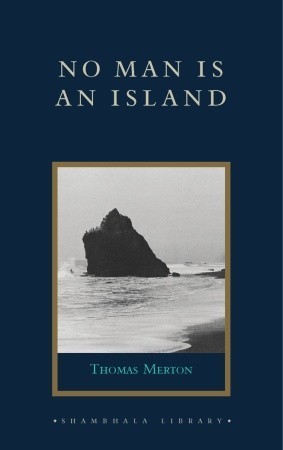
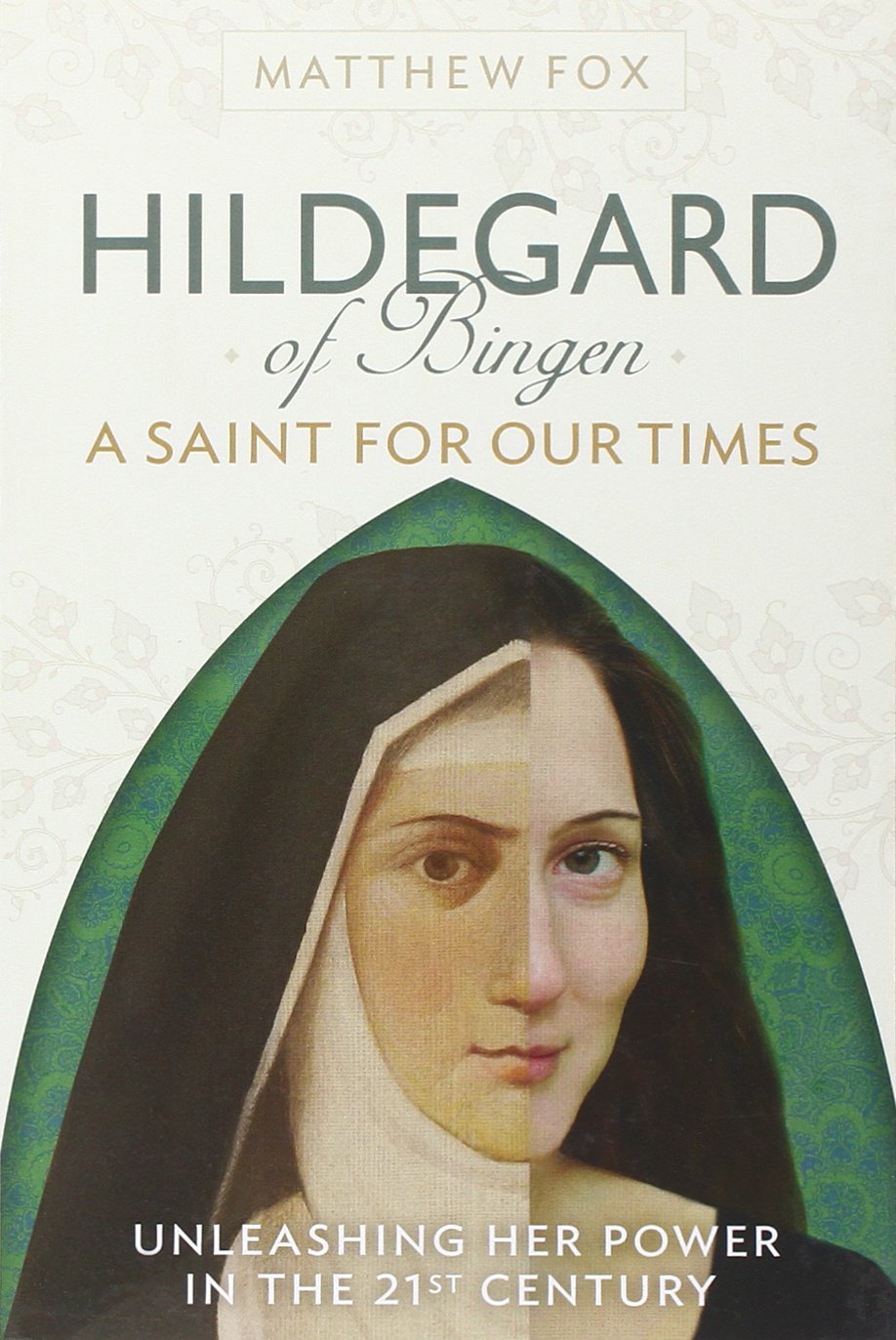
What is there to read?
Schedule for the Twenty-Sixth Sunday in Ordinary Time
St Dominic Catholic Church (San Antonio, TX)

Saturday September 24, 2022
2.30 p.m. Sacrament of Marriage for Ricardo and Erika (@ Main Church)
3.30 p.m. Sacrament of Reconciliation (@ Confessional)
5.00 p.m. (English Mass @ Main Church)
Sunday September 24, 2022
7.30 a.m. Holy Mass (English Mass @ Main Church)
10.00 a.m. Holy Mass (English Mass @ Main Church)
XXVI DOMINGO DEL TIEMPO ORDINARIO (CICLO C)
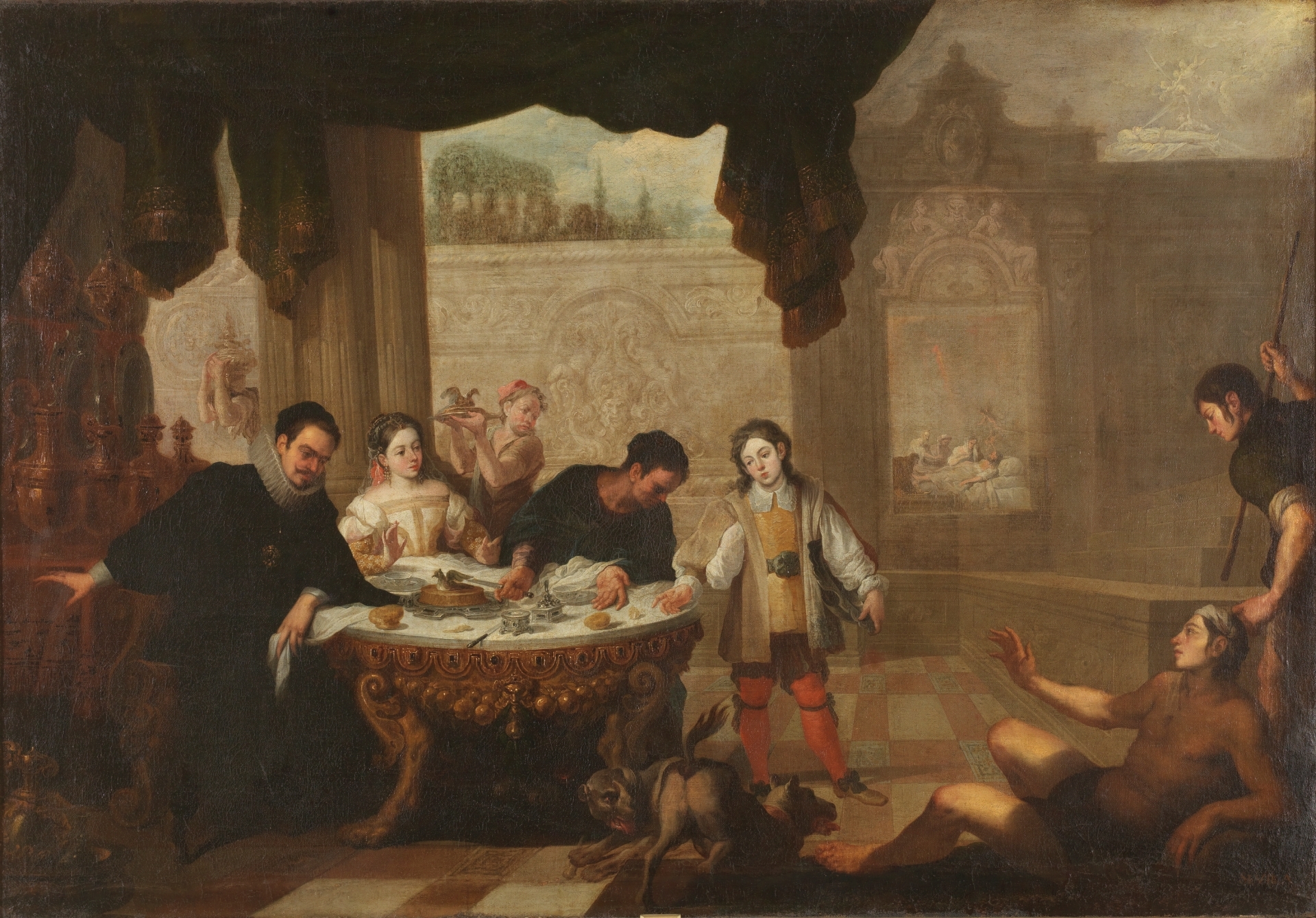
La parábola parece narrada para nosotros. Jesús habla de un rico poderoso. Sus vestidos de púrpura y lino indican lujo y ostentación. Su vida es una fiesta continua. Sin duda, pertenece a ese sector privilegiado que vive en Tiberíades, Séforis o Jerusalén. Son los que poseen riqueza, tienen poder y disfrutan de una vida fastuosa. Muy cerca, echado junto a la puerta de su mansión está un mendigo. No está cubierto de lino y púrpura, sino de llagas. No sabe lo que es una fista. No le dan ni de lo que tiran de la mesa del rico. Sólo los perros callejeros se le acercan a lamerle las llagas. No posee nada, excepto un nombre, Lázaro. La escena es muy incómoda. El rico lo tiene todo. No necesita ayuda alguna de Dios. No ve al pobre. Se siente seguro. Vive en la inconsciencia total. ¿Se parece a nosotros? Lázaro, por su parte, es un ejemplo de pobreza total: enfermo, hambriento, excluido, ignorado por quien le podría ayudar. Su única esperanza es Dios. ¿Se parece a tantos millones de hombres y mujeres hundidos en la miseria? La mirada penetrante de Jesús está desenmascarando la realidad. Las clases más poderosas y los estratos más míseros parecen pertenecer a la misma sociedad, pero están separados por una barrera casi invisible: esa puerta que el rico no atraviesa nunca para acercarse a Lázaro. Jesús no pronuncia palabra alguna de condena. Es suficiente desenmascarar la realidad. Dios no puede tolerar que las cosas queden así. Es inevitable el vuelco de esta situación. Esa barrera que separa a los ricos de los pobres se puede convertir en un abismo infranqueable y definitivo. El obstáculo para hacer un mundo más justo somos los ricos que levantamos barreras cada vez más seguras para que los pobres no entren en nuestro país, ni lleguen hasta nuestras residencias, ni llamen a nuestra puerta. Dichosos los seguidores de Jesús que rompen barreras, atraviesan puertas, abren caminos y se acercan a los últimos. Ellos encarnan al Dios que ayuda a los pobres • AE

¿Qué tenemos para leer?
 LA MEDITACION DE LA ESPOSA