Solemnity of All Saints (2022)

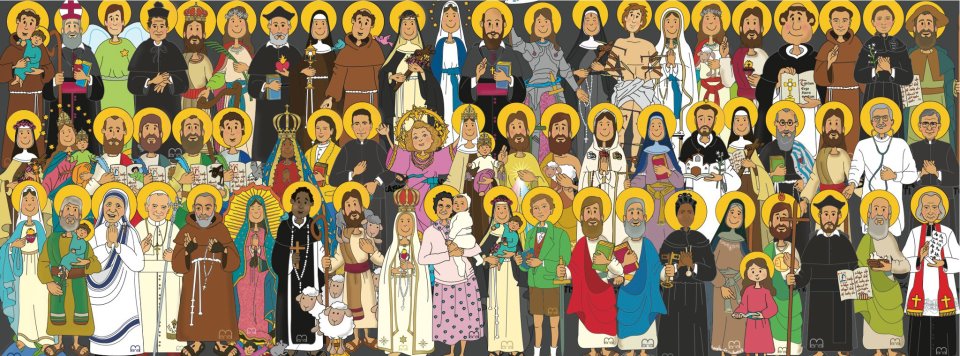
Today, at the celebration of All Saints, the Beatitudes show us the path that leads to the Kingdom of God and to happiness: the path of humility, compassion, meekness, justice and peace. To be a saint is to walk on this road. Let us now focus on two aspects of this way of life. Two aspects that are proper to this saintly way of life: joy and prophecy. Joy. Jesus begins with the word “Blessed”. It is the principal proclamation, that of an unprecedented happiness. Beatitude, holiness, is not a life plan made up only of effort and renunciation, but is above all the joyful discovery of being God’s beloved sons and daughters. And this fills you with joy. It is not a human achievement, it is a gift we receive: we are holy because God, who is the Holy One, comes to dwell in our lives! It is He who gives holiness to us. For this we are blessed! The joy of the Christian, then, is not a fleeting emotion or a simple human optimism, but the certainty of being able to face every situation under God’s loving gaze, with the courage and strength that come from Him. The saints, even in the midst of many tribulations, have experienced this joy and have borne witness to it. Without joy, faith becomes a rigorous and oppressive exercise, and risks ailing with sadness. Let us consider this word: ailing with sadness. Evagrius Ponticus, a desert Father, said that sadness is “a worm that burrows into the heart”, which corrodes life. Today is a great time to do examination of conscience; time to ask ourselves this: are we joyful Christians? Am I a joyful Christian or not? Do we spread joy or are we dull, sad people, with a funeral face? Remember that there is no holiness without joy! The second aspect: prophecy. The Beatitudes are addressed to the poor, the afflicted, those who hunger for justice. It is a message that goes against the grain. Indeed, the world says that in order to have happiness you must be rich, powerful, always young and strong, and enjoy fame and success. Jesus overturns these criteria and makes a prophetic proclamation – and this is the prophetic dimension of holiness – the true fullness of life is achieved by following Jesus, by putting His Word into practice. And this means another poverty, that is, being poor inside, hollowing oneself to make room for God. Those who believe themselves to be rich, successful and secure base everything on themselves and close themselves off from God and their brothers and sisters, while those who know that they are poor and not self-sufficient remain open to God and to their neighbour. And they find joy. The Beatitudes, then, are the prophecy of a new humanity, of a new way of living: making oneself small and entrusting oneself to God, instead of prevailing over others; being meek, instead of seeking to impose oneself; practising mercy, instead of thinking only of oneself; committing oneself to justice and peace, instead of promoting injustice and inequality, even by connivance. Holiness is accepting and putting into practice, with God’s help, this prophecy that revolutionises the world. So, today we can ask ourselves: do I bear witness to the prophecy of Jesus? Do I conform to the comforts of life and to my own laziness, assuming that everything is fine if it is fine with me? Do I bring to the world the joyful newness of Jesus’ prophecy or the usual complaints about what is wrong? Questions that are good for us to ask ourselves. May our Lady, the blessed Virgin Mary, Queen of All Saints, give us something of her soul, that blessed soul that joyfully magnified the Lord, who “has put down the mighty from their thrones, and exalted those of low degree” • AE


Fr. Agustin Schedule for the Solemnity of All Saints (2022)

& The Commemoration of All the Faithful Departed (2022)
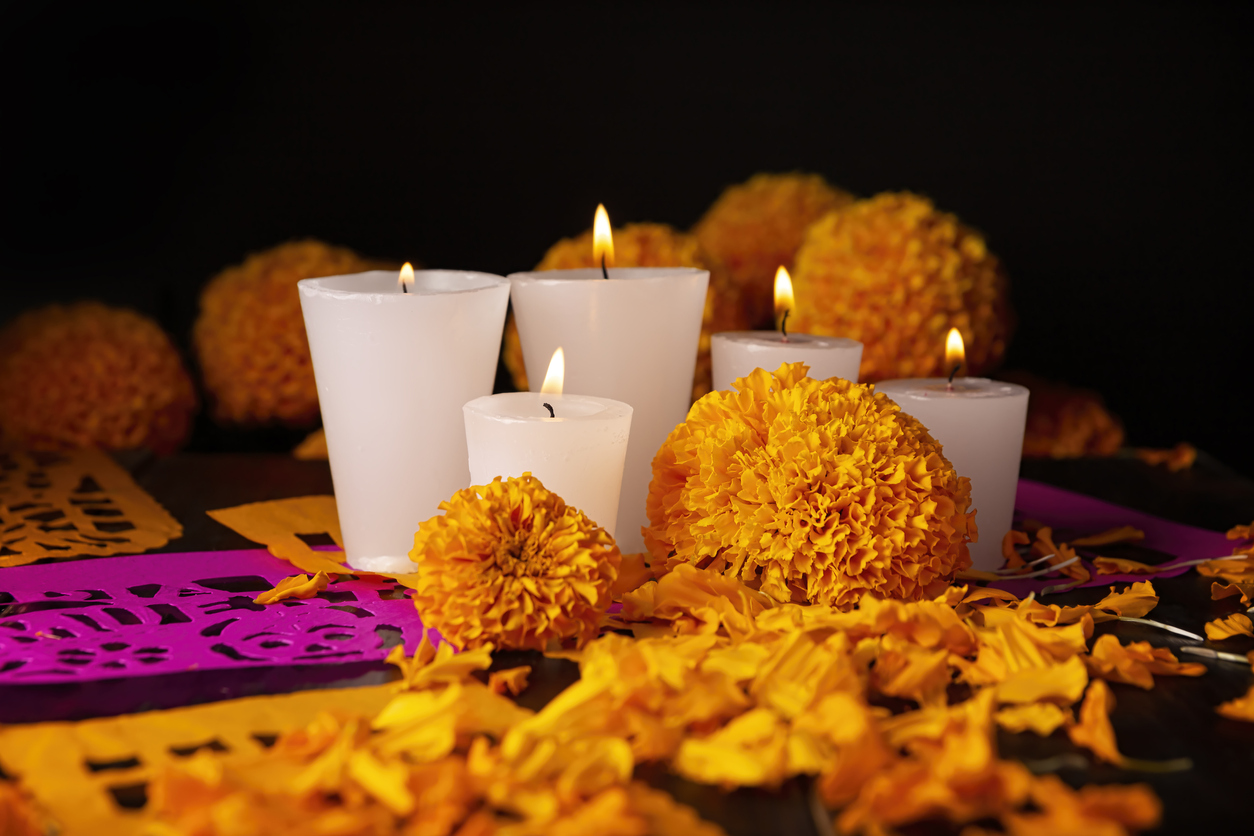
Candles with Cempasuchil flower (Marigol; Tagetes erecta) and Papel Picado. Decoration traditionally used in altars for the celebration of the day of the dead in Mexico.

Monday October 31, 2022

8.30 a.m. Regular (daily) Mass

6.00 p.m. Vigil Mass

Tuesday November 1, 2022

8.30 a.m. Regular (daily) Mass

6.00 p.m. Mass

Wednesday November 2, 2022

8.30 a.m. Regular (daily) Mass

6.00 p.m. Mass


SOLEMNIDAD DE TODOS LOS SANTOS (2022)
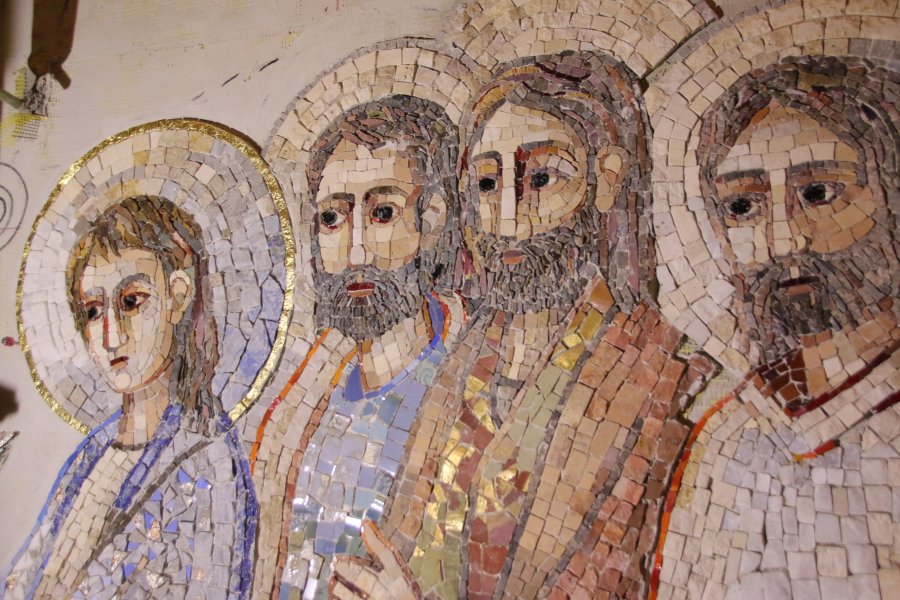
Nadie sabemos dar una respuesta demasiado clara cuando se nos pregunta por la felicidad. ¿Qué es de verdad la felicidad? ¿En qué consiste realmente? ¿Cómo alcanzarla? ¿Por qué caminos? Ciertamente no es fácil acertar a ser feliz. No se logra la felicidad de cualquier manera. No basta conseguir lo que uno andaba buscando. No es suficiente satisfacer los deseos. Cuando uno ha conseguido lo que quería, descubre que está de nuevo buscando ser feliz. También es claro que la felicidad no se puede comprar. No se la puede adquirir en ninguna tienda, y lo mismo sucede con la alegría, la amistad o la ternura. Con dinero sólo podemos comprar apariencia de felicidad #fake Por eso, hay tantas personas tristes en nuestras calles. La felicidad ha sido sustituida por el placer, la comodidad y el bienestar. Pero nadie sabe cómo devolverle al hombre de hoy el gozo, la libertad, la experiencia de plenitud. Quizá es que tenemos nuestras propias bienaventuranzas pero que no son las de Jesús. Suenan así: Dichosos los que tienen una buena cuenta corriente, los que se pueden comprar el último modelo, los que siempre triunfan, a costa de lo que sea, los que son aplaudidos, los que disfrutan de la vida sin escrúpulos, los que se desentienden de los problemas. Pero Jesús tiene otra manera de pensar y de ver las cosas. Jesus ha dado un vuelco total a nuestra manera de entender la vida y nos ha descubierto que estamos corriendo en dirección contraria. Hay otro camino verdadero para ser feliz, que a nosotros nos parece falso e increíble. La verdadera felicidad es algo que uno se la encuentra de paso, como fruto de un seguimiento sencillo y fiel a Jesús. ¿En qué creer? ¿En las bienaventuranzas de Jesús, o en los reclamos de felicidad de nuestra sociedad? Tenemos que elegir entre estos dos caminos. O bien, tratar de asegurar nuestra pequeña felicidad y sufrir lo menos posible, sin amar, sin tener piedad de nadie, sin compartir… O bien, amar… buscar la justicia, estar cerca del que sufre y aceptar el sufrimiento que sea necesario, creyendo en una felicidad más profunda. Uno se va haciendo creyente cuando va descubriendo prácticamente que el hombre es más feliz cuando ama, incluso sufriendo, que cuando no ama y por lo tanto no sufre por ello. Es una equivocación pensar que estamos llamados a vivir fastidiados o siendo profundamente infelices. Ser cristiano es buscar la verdadera felicidad por el camino señalado por Jesús. Una felicidad que comienza aquí, aunque alcanza su plenitud en el encuentro final con Dios. Hoy celebramos a todos aquellos que están justo ahí: junto a Dios y felices para siempre • AE


Thirty-first Sunday in Ordinary Time (Cycle C)

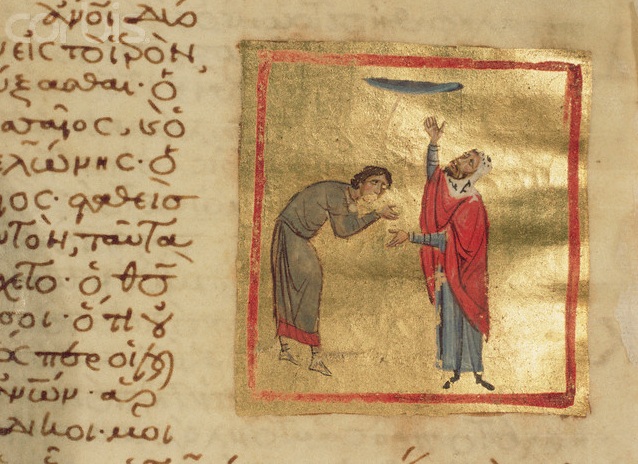
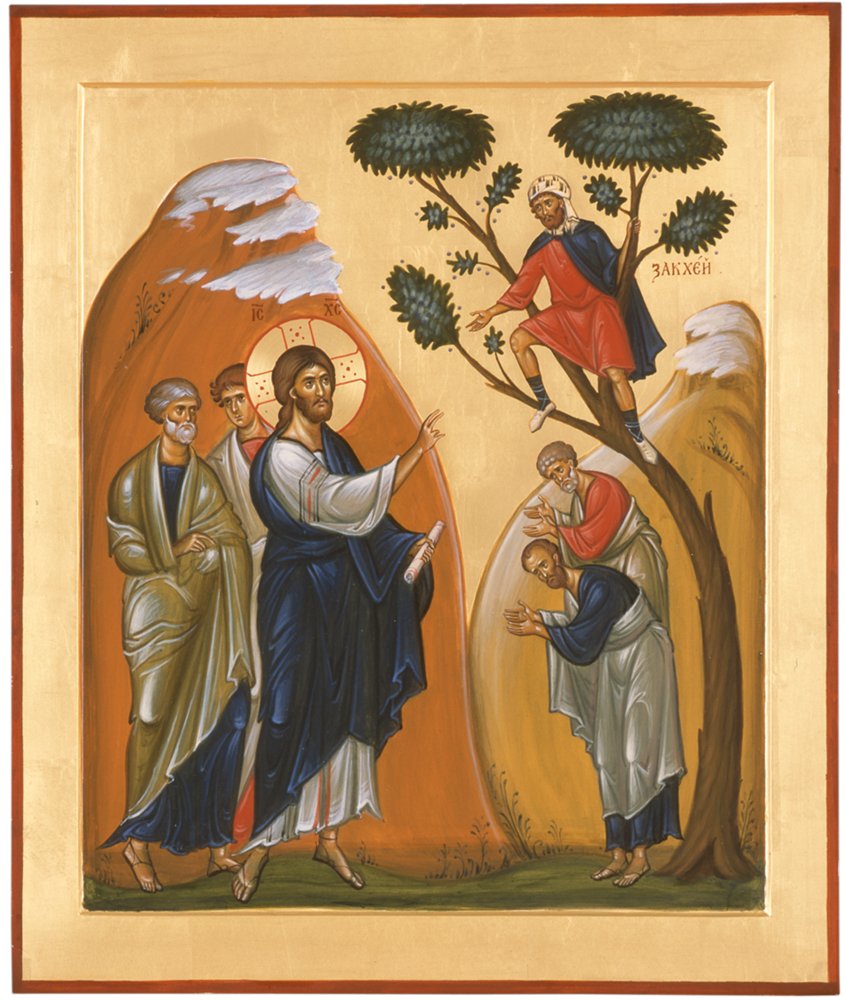
Traditional Greek Orthodox icon depicting the meeting between Jesus and Zacchaeus the publican

Zacchaeus, the little tax collector of today’s Gospel was lost. He was rejected by his own people for cashing in on the Roman occupation and collecting taxes for the enemy, keeping an ample amount for himself. He hid behind his riches. But he was a lost soul. And then one day he heard a crowd coming. They were there to greet this Jesus, this Messiah. Zacchaeus was initially nothing more than curious. He climbed a tree to get a glimpse of the great man. But then Jesus stopped under the tree and called him. The Good Shepherd found the lost sheep and Zacchaeus was lost no longer. Jesus had found him, and he responded. He now found himself in Jesus Christ. Perhaps some of us have had times that we have been lost. We go to Church every week, and that is a very good thing. But sometimes we are just going through the motions. We stand and sit and kneel and sing. The hardest times for us are often the quiet times. That is a sure sign that something is very wrong. It is hard to hide non Christian behavior when it is only ourselves and the Lord. Those are the times when our consciences are telling us: I’m lost. Maybe, I shouldn’t even be here. But we are here. We are in Church. Perhaps when we walked through the doors of the Church we have taken the first step to see who this Jesus is. Walking through the doors of the Church is, for many, like climbing the sycamore tree to get a glimpse of Jesus. We certainly don’t expect Jesus to single us out from the crowd of worshipers. But he does. He stands under the tree that every single person has climbed in his life, the tree that many of us are still looking down from, and he says, «Judy, Frank, Shirley, Bill, Agustin, Zacchaeus, come down from there. I want to stay in your house tonight and from now on.» Now, we are faced with what is really an easy decision: do we want Him in our house, in our soul? It is going to cost us. We are going to have to abandon that which has no place in our house, in our lives. But it is an easy decision. Nothing can surpass the all encompassing joy of having the Lord in our lives. We may have been lost in a crowd. But he searched for us and called to us, by name. And we responded. And we have found ourselves in Jesus Christ. This is simply an amazing Grace! • AE


Fr. Agustin Schedule for the Thirty-first Sunday in Ordinary Time

ST. DOMINIC CATHOLIC CHURCH

Saturday, October 29, 2022.

2.30 p.m. Sacrament of Matrimony Ramirez-Flores

3.30 p.m. Sacrament of Reconciliation

5.00 p.m. Holy Mass (English)

Sunday, October 30, 2022.

7.30 a.m. Holy Mass (English)

10.00 a.m. Holy Mass (English)


XXXI Domingo del Tiempo Ordinario (Ciclo C)

François Dubois, La Noche de San Bartolomé (1572) óleo sobre tela, Museo Cantonal de Bellas Artes de Lausana (Suiza)

El evangelio no se puede transmitir de cualquier forma. Jesús lo hacía con un estilo inconfundible. La escena del evangelio de este domingo, el XXXI del Tiempo Ordinario es un ejemplo maravilloso. Zaqueo es un tipo al que todos juzgan sin piedad: es un pecador, per para Jesús es sencillamente una persona que anda perdida y justo por eso lo busca con su mirada, le llama por su nombre y le ofrece su amistad personal: comerá en su casa, le escuchará, podrán dialogar. Acogido, respetado y comprendido por Jesús, aquel hombre decide reorientar su vida. La actuación de Jesús es sorprendente. Nadie veía en él al representante de la Ley, sino al profeta compasivo que acogía a todos con el amor entrañable del mismo Dios. No parecía preocupado por la moral, sino por el sufrimiento concreto de cada persona. No se le veía obsesionado por defender su doctrina, sino atento a quien no acertaba a vivir de manera sana. No caminaba por Galilea en actitud de conquista. No imponía ni presionaba. Se ofrecía, invitaba, proponía un camino de vida sana. Sabía que la semilla podía caer en terreno hostil y su mensaje ser rechazado. No se sentía agraviado. Seguía sembrando con la misma actitud de Dios que envía la lluvia y hace salir su sol sobre todos sus hijos, sin importar si son buenos y malos. ¿A dónde con todo esto? A una idea sencilla pero compleja: Ya no podremos ser una Iglesia poderosa, segura y autoritaria, que pretende imponerse a todos. Quizá somos una Iglesia más sencilla, vulnerable y débil. Esa Iglesia deshilachada de la que tanto nos ha hablado el Santo Padre Francisco. No tendriamos que preocupamos de defender nuestro prestigio y poder sino volvernos más humanos y tratar de sintonizar mejor con los que sufren #conexión Así, estaríamos en mejores condiciones para comunicar el Evangelio. Es inútil endurecer nuestra predicación e intensificar nuestros lamentos y condenas, viviendo de puros «anatema sit!». En menos palabras: tendríamos que aprender de Jesús a conjugar tres verbos decisivos: acoger escuchar y acompañar, y así descubrir que el Evangelio lo comunican los creyentes en cuya vida resplandece el amor compasivo de Dios. Sin esto, todo lo demás es inútil. Infecundo. Y muy triste • AE


Thirtieth Sunday in Ordinary Time (Cycle C)

Anonymous, The image of pharisee and publican, illumination, Byzantine, 2nd half 12th century, Athens, National Library.

Jesus told the story today of two men. Both came to the Temple to see God. The arrogant man was convinced that it was wonderful that God and others could see him. This story leads us to consider two facets: seeing and being seen as it relates to our presence in Church. There is the aspect of other people seeing us here and our seeing who else is here, and there is the aspect of seeing God and being seen by God. If we come to Church because we want others to see us, then we are using God to advance our stature in the community. A second negative aspect that can result from seeing others is our making a judgment on others. We might see someone and in the recesses of our minds think, “What is he doing here? What is she doing here? Probably he or she is trying to make up for being so mean, for being unfaithful, for being dishonest. Well, the nerve of him or her for coming to Church.” We all know that it is wrong for us to judge others. It is doubly wrong to judge others for coming to Church. Many times, most of the time, when we judge others, we are simply transferring the negative feeling we have about ourselves onto others. Transference is an ugly thing. We have to fight off negative thoughts about others in the same way that we fight off any bad thought. I find the best way to do that is to say to myself, “Lord Jesus, have mercy on me a sinner.” Then the occasion of sin become an occasion for prayer. We beat the devil at his own game. The only person that we should come to Church to see and be seen by is God. Maybe there are times, perhaps many times, that we come before Him feeling like that man in the back of the Temple area, with a deep recognition of our sins. We want to fall on our knees, like Peter, saying “Leave me Lord, for I am a sinful man.” We need to be realistic and come before the Lord with a keen awareness of our sinfulness. This is the reason why our Masses begin with a penitential rite. We begin Mass with a reminder of our sinfulness. We express this in a beautiful way: “Lord, have mercy, Christ have mercy, Lord have mercy,” and then we continue Mass entering into a deeper relationship with Him, the Holy One. So, my brother, my sister, it is a good thing to see and be seen. It is a good thing to see God, but it is much better to be seen by the One who loves us • AE


Thirtieth Sunday in Ordinary Time

St Dominic Catholic Church (San Antonio, TX)

Fr. Agustin is out of town; the parish continues with its usual weekend schedule.

Saturday 22, 2022
4.00 p.m. Sacrament of Reconciliation (Confessional)
5.00 p.m. (English Mass @ Main Church)


Sunday October 23, 2022
7.30 a.m. Holy Mass (English Mass @ Main Church)
10.00 a.m. Holy Mass (English Mass @ Main Church)
12.00 p.m. Holy Mass (English Mass @ Main Church)
3.00 p.m. Santa Misa En Español (Iglesia principal)


XXX Domingo del Tiempo Ordinario (Ciclo C)

Esta es sin duda una de las parábolas más desconcertantes de Jesús. Un piadoso fariseo y un publicano, es decir, un recaudador de impuestos deshonesto, suben al templo a orar. ¿Cómo reaccionará Dios ante dos personas de vida moral y religiosa tan diferente y opuesta? El fariseo ora de pie, segur, sin temor alguno. Su conciencia no le acusa de nada. No es hipócrita. Además, lo que dice es verdad: cumple fielmente la ley e incluso la sobrepasa. No se atribuye a sí mismo mérito alguno, sino que todo lo agradece: «Oh Dios, te doy gracias». Si este hombre no es santo, ¿quién va a ser? Seguro que puede contar con la bendición de Dios. El otro, el publicano se queda en un rincón. No se siente cómodo en aquel lugar santo. No es su sitio. Ni siquiera se atreve a levantar los ojos del suelo. Se golpea el pecho y reconoce su pecado. No promete nada. No puede dejar su trabajo ni devolver lo que ha robado. No puede cambiar de vida. Sólo le queda abandonarse a la misericordia de Dios: «Oh Dios, ten compasión de mí que soy pecador». Nadie querría estar en su lugar. Dios no puede aprobar su conducta. De pronto, Jesús concluye su parábola con una afirmación desconcertante: «Pues bien, yo les aseguro que éste bajó a su casa justificado y aquél no». A los oyentes se les rompen todos sus esquemas. ¿Cómo puede hablar de un Dios que no reconoce al piadoso y, por el contrario, concede su gracia al pecador? ¿No está Jesús jugando con fuego? ¿Será verdad que, al final, lo decisivo no es la vida religiosa de uno, sino la misericordia insondable de Dios? Si es verdad lo que dice Jesús, ante Dios no hay seguridad para nadie, por muy santo que se crea. Todos tenemos que apelar a su misericordia. Cuando uno se siente bien consigo mismo, apela a su propia vida y no siente necesidad de más. Cuando uno se ve acusado por su conciencia y sin capacidad para cambiar, sólo siente necesidad de acogerse a la misericordia de Dios y sólo a la misericordia. Sí: hay algo fascinante en Jesús. Es tan desconcertante su fe en la misericordia de Dios que no es fácil creer en él. Los que mejor lo entendemos somos aquellos que a ratos no tenemos fuerzas para salir de un estilo de vida lejano al evangelio • AE


+ LECTURAS

Twenty-ninth Sunday in Ordinary Time (Cycle C)

T. Brigstocke, Moses with His Arms Supported by Aaron and Hur, oil on canvas, Aberystwyth University, School of Art Gallery and Museum

There is a novel set in a small village in Scotland. It was about an ex convict and the teenage sister that he was raising. He had gone to prison for a violent crime, but was released after seven years, when his parents died in a car accident and his sister was only fourteen. He had served most of his sentence and the prison officials were very pleased not just with his avoiding trouble, but with the fact that he had sincerely embraced religion. He was an ardent evangelical Christian. When he left prison to take care of his sister, he immediately joined a group of determined Christians. He had prayer meetings over his parents’ home, now his and his sister’s home. He took over his father’s job. He did his best to be loving and kind to his sister. It was all new to him, being both big brother and father, but he prayed for her and asked his prayer friends to continue to support him, to help him hold his hands up in prayer. She, on the other hand, wanted nothing to do either with his new found religious life or with his determination to get her to join him in prayer. She was going through a lot of her own problems. She felt he was domineering her. She knew how to get him upset. He panicked when she ran away from home, even though she was nearby at a girl friend’s house. She came back during one of his prayer meetings and kicked up a fuss when he told her to go to her room and stay there. She yelled and screamed from her room and was horrible, vulgar and obscene. He finally had enough, and went up to her room to try to reason with her. She got worst. He lost it. He hit her. Then he gave up. He went down to the prayer meeting and threw all his friends out of his house, literally and physically. He threw out his cross, bibles, etc. He decided that he was a violent man and God couldn’t help him. He gave up. When I saw that movie, I said, “I’ve been there. I know that feeling. The feeling that somehow or other, I am not that good. I will never be good enough.” I know the feeling that says, “I should just give up.” I know the temptation to forget what God did to the Amalekites when Moses refused to give up. Perhaps you have been there too. Perhaps you also know the temptation to give up and give in. Perhaps you also think that there are times you are too weak to continue the fight for the Lord, which is really the fight for yourself, for your own spiritual life. These are the times in our lives when we are the weakest. These are the times in our lives when it is the easiest for the forces of evil outside of us and within us to dominate us. These are the times in our lives when we need prayer more than ever. Today’s reading reassure us. Persist in prayer. A setback can lead to a strengthening, a knowledge of a new situation that needs to be avoided. A revelation that God is infinitely stronger than you are or than I am. He will not give up on me or on you. We can’t give up on ourselves. With the help of Aaron and Hur, Moses persevered in prayer and Joshua defeated the forces that were attacking the people of Israel. It was really God who defeated the Amalekites. Not Joshua. It is really God who will defeat our enemies, not us. We just need to keep praying, trusting and doing our part to put up the good fight. Our community, the Christian Community, is helping us hold up our hands in prayer. Jesus has told us to persevere in prayer, and he will defeat the Amalekites, in whatever shape they take when they attack us. That’s for sure! • AE


Schedule for the Twenty-Ninth Sunday in Ordinary Time

St Dominic Catholic Church (San Antonio, TX)

Saturday October 15, 2022

3.30 p.m. Sacrament of Reconciliation (Confessional)

5.00 p.m. (English Mass @ Main Church)

Sunday October 16, 2022

7.30 a.m. Holy Mass (English Mass @ Main Church)

10.00 a.m. Holy Mass (English Mass @ Main Church)

3.00 p.m. Santa Misa en Español (iglesia principal)


XXIX Domingo del Tiempo Ordinario (Ciclo C)

Existen muchos libros sobre la oración. Están escritos por maestros espirituales de gran experiencia, creyentes que pasan muchas horas recogidos ante Dios. Son grandes orantes, capaces de estar en silencio contemplativo ante el Misterio. Su experiencia estimula y orienta la oración de no pocos creyentes. Sin embargo, hay otras muchas formas de orar que no aparecen en estos libros y que, sin duda, Dios escucha, entiende y acoge con amor. Es la oración de la mayoría, la que nace en los momentos de apuro o en las horas de alegría intensa. La oración de la gente sencilla, la oración de quienes ya no saben muy bien si creen o no. Oración humilde y pobre, nacida casi sin palabras desde lo hondo de la vida. La oración con minúscula.  ¿Cómo no va a entender Dios las lágrimas de esa madre humillada y sola, abandonada por su esposo y agobiada por el cuidado de sus hijos, que pide fuerza y paciencia sin saber siquiera a quién dirige su petición? ¿Cómo no va escuchar el corazón afligido de ese enfermo, alejado hace ya muchos años de la práctica religiosa, que mientras es conducido a la sala de operaciones empieza a pensar en Dios sólo porque el miedo y la angustia le hacen agarrarse a lo que sea, incluso a ese Dios abandonado hace tiempo? ¿Cómo va a ser Dios indiferente ante el gesto de ese hombre que olvidó hace mucho las oraciones aprendidas de niño y que ahora sólo sabe encender una vela delante de una imagen de la santísima Virgen, mirarla con angustia y marcharse triste y apenado porque a su esposa le han pronosticado sólo unos meses de vida? ¿Cómo no va a acoger la alegría de esos jóvenes padres, bastantes despreocupados de la religión, pero que agradecen sorprendidos el regalo de su primer hijo? Cuando Jesús invita a orar sin desanimarse no está pensando probablemente en una oración profunda nacida del silencio interior y la contemplación. Nos está invitando a aliviar el peso o la dureza de la vida…. recordando que tenemos un Padre. Algunos lo hacen con palabras confiadas de creyente, otros con fórmulas repetidas durante siglos por muchas generaciones, otros desde un corazón que casi ha olvidado la fe. A todos escucha Dios con amor. A todos. De esto podemos estar seguros • AE


Twenty-eighth Sunday in Ordinary Time (Cycle C)

Cicero, the famous Roman scholar once wrote, «Gratitude is not only the greatest of virtues, but the parent of all others.»  This Sunday’s gospel narrative reminds us that gratitude is a rare virtue indeed. The virtue of gratitude is the ability to express our thankful appreciation in word or deed, to the person whose words or actions have benefited us in some way.  The truly humble and noble person will always be grateful for the benefits received.  Ingratitude is an ugly sin. How can the virtue of gratitude be acquired? Fundamentally, cultivating the spirit of gratitude requires us to develop humility.  We need to understand that everything that we have and everything that we are is a gift.  Next Thanksgiving Day, very soon by the way, we might begin by taking out a pad of paper and a pen and making a list of all of the wonderful gifts that we receive each day of our entire life, all that God has done for us. There is a great story. A man in Budapest who goes to the rabbi and complains, «Life is unbearable. There are nine of us living in one room. What can I do?»  The rabbi answers, «Take your goat into the room with you.»  The man is incredulous, but the rabbi insists. «Do as I say and come back in a week.» A week later the man comes back looking more distraught than before. «We cannot stand it,» he tells the rabbi. «The goat is filthy.» The rabbi then tells him, «Go home and let the goat out. And come back in a week.» A radiant man returns to the rabbi a week later, exclaiming, «Life is beautiful. We enjoy every minute of it now that there’s no goat — only the nine of us.» The virtue of gratitude can be expressed in very simple ways.  We should always express our gratitude. The phrase «thank you» should be a common part of our daily vocabulary. G. K. Chesterton once said: «You say grace before meals.  All right.  But I say grace before the concert and the opera, and grace before I open a book, and grace before sketching, painting, swimming, fencing, boxing, walking, playing, dancing and grace before I dip the pen in the ink.» He also said, «When we were children we were grateful to those who filled our stockings at Christmas time.  Why are we not grateful to God for filling our stockings with legs?» Gratitude is the most exquisite form of courtesy.» The virtue of gratitude is very important. However it is equally important that we serve others with a spirit of detachment.  We must not look for recognition or earthly glory.  We must continue to love others without seeking anything in return. The Lord calls us to give of ourselves unconditionally and seek as our only reward eternal life in heaven. This is true Christianity. Any other posture is simply rooted in egotism. The standard of greatness for Christianity is not earthly glory, but the Cross of Jesus Christ • AE

OUR LADY OF HOLY ROSARY

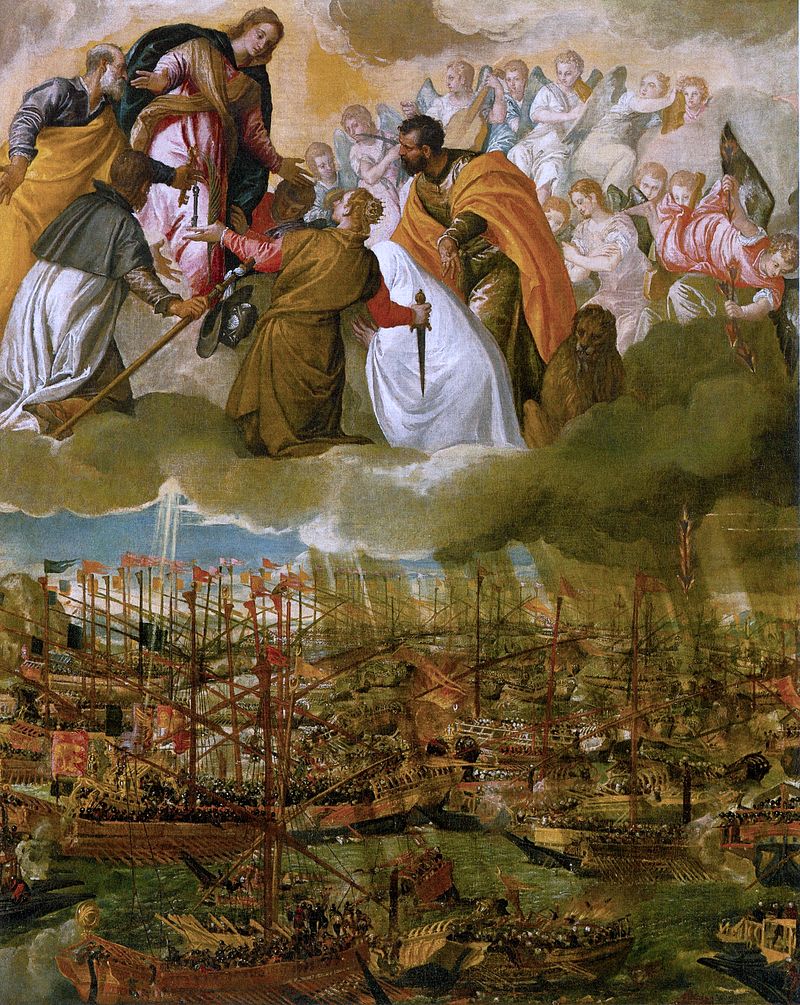
The Battle of Lepanto by Paolo Veronese

The Feast of Our Lady of the Rosary, formerly known as Feast of Our Lady of Victory and Feast of the Holy Rosary is celebrated on 7 October, the anniversary of the decisive victory of the combined fleet of the Holy League of 1571 over the Ottoman navy at the Battle of Lepanto. After about five hours of fighting on the northern edge of the Gulf of Corinth, off western Greece, the combined navies of the Papal States, Venice and Spain managed to stop the Ottoman navy, slowing the Ottoman advance to the west and denying them access to the Atlantic Ocean and the Americas. If the Ottomans had won, there was a real possibility that an invasion of Italy could have followed so that the Ottoman sultan, already claiming to be emperor of the Romans, would have been in possession of both New and Old Rome. Pius V instituted the feast of Our Lady of Victory in order to commemorate the victory at Lepanto, which he attributed to the Blessed Virgin Mary


Food for Thought


Schedule for the Twenty-Eight Sunday in Ordinary Time

St Dominic Catholic Church (San Antonio, TX)

Saturday October 8, 2022

3.30 p.m. Sacrament of Reconciliation (Confessional)

5.00 p.m. (English Mass @ Main Church)

Sunday October 9, 2022

10.00 a.m. Holy Mass (English Mass @ Main Church)

12.30 p.m. Holy Mass (English Mass @ Main Church)

3.00 p.m. Santa Misa en Español (iglesia principal)


XXVIII Domingo del Tiempo Ordinario (Ciclo C)

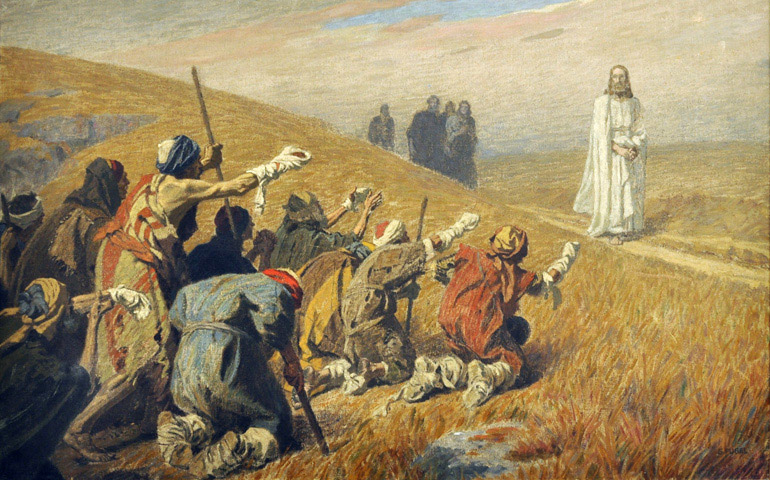
G. Fugel, Cristo y los leprosos, óleo sobre tela, Museo Diocesano de Freising (Alemania)

Hay quienes caminan por la vida con aire triste y pesimista. Su mirada se fija siempre en lo desagradable y desalentador. No tienen ojos para ver que, a pesar de todo, la bondad abunda más que la maldad. No saben apreciar tantos gestos nobles, hermosos y admirables que suceden todos los días en cualquier parte del mundo. Tal vez lo ven todo negro porque proyectan sobre las cosas su propia oscuridad. Otros viven siempre en actitud crítica. Se pasan la vida observando todo lo negativo que hay a su alrededor. Nada escapa a su juicio. Se consideran personas lúcidas, perspicaces y objetivas. Sin embargo, nunca alaban, admiran o agradecen. Lo suyo es destacar el mal y condenar a las personas. Hay quien hace el recorrido de la vida indiferente a todo. Estos solo tienen ojos para lo que pueda servir a sus propios intereses. No se dejan sorprender por nada gratuito, no se dejan querer ni bendecir por nadie. Encerrados en su mundo, bastante tienen con defender su pequeño bienestar cada vez más triste y egoísta. De su corazón no brota nunca el agradecimiento. Hay quienes viven de manera monótona y aburrida. Su vida es pura repetición: el mismo horario, el mismo trabajo, las mismas personas, la misma conversación. Nunca descubren un paisaje nuevo en sus vidas. Nunca estrenan día nuevo. Nunca sucede algo diferente que renueve su espíritu. No saben descubrir ni amar de manera nueva a las personas. Su corazón no conoce la alabanza. Para vivir de manera agradecida, lo primero es reconocer la vida como buena. Mirar el mundo con amor y simpatía. Purificar la mirada cargada de negativismo, pesimismo o indiferencia para apreciar todo lo que hay de bueno, hermoso y admirable en las personas y en las cosas. Saber disfrutar de lo que vamos recibiendo de manera gratuita e inmerecida. Cuando san Pablo dice que «hemos sido creados para alabar la gloria de Dios» está diciendo cuál es el sentido y la razón más profunda de nuestra existencia. En el evangelio de este domingo el Señor se extraña de que sólo uno de los leprosos vuelva dando gracias y alabando a Dios». Es el único que ha sabido sorprenderse por la curación y reconocerse agraciado ¡Quién fuera como él! • AE


¿Lecturas En Otoño?