
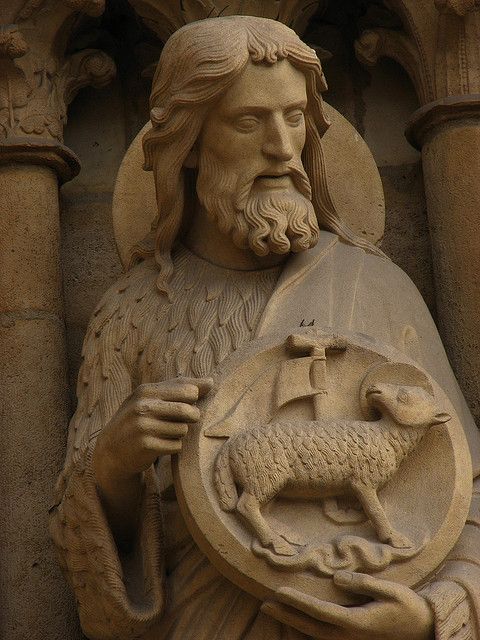
Anonymous artist, John the Baptist pointing the Lamb of God, façade of Notre Dame Cathedral (Paris)
Every time that we prepare for holy Communion, we hear the priest say, “Behold the Lamb of God who takes away the sins of the world.” What do we mean by this? Are we merely speaking figuratively or is there a concrete application of this concept to reality here in the twenty-first century? Throughout human history, there have been multiple attempts to heal society, to take away the sins of the world. I want to begin today by pointing out three of these attempts from the last century. All three were complete failures. The first was prohibition. In the beginning of the century, it was clear to many people that alcohol abuse was destroying people, families and society. Criminal behavior, wife and child abuse, homelessness and unemployment were all blamed on alcohol. Prohibition was seen as the lamb that would eliminate the sin of the world. In 1933, prohibition was repealed. This attempt to take away sins of the world was a failure. The second was communism. The communists saw inequality in society between the rich and the poor and claimed that the poor were doing all the work and the rich were getting all the benefits. Their solution was to take the property of the rich and distribute it throughout the country. All would be equal comrades. What they ended up doing was destroying all incentives for people to work as well as create a rich political caste. This attempt to eliminate the sins of the world and heal society was a complete failure. The third was relativism. The end of the last century saw a movement mostly in the western world to eliminate guilt through a rejection of morality. We still are experiencing this movement. Relativism has become common as many claim that there are no universal truths. Political correctness has become gospel. John looked at Jesus and said, “Here is the one who takes away the sins of the world.” John was referring to the Suffering Servant of Isaiah who would sacrifice his life to win his people from the power of the devil, from sin. He was pointing to Jesus, declaring that Jesus, whose name means God Saves, is in fact the Savior. “You have been sanctified in Christ Jesus and called to be holy,” St. Paul tells the Corinthians in today’s second reading. If we stay united to Christ, then He, the Savior, will heal the ills of society through us. If we instead put our trust in other people, we will be disappointed and will not become vehicles of healing. There is a saying that sometimes people look for love in all the wrong places. Well, similarly, many people look for deliverance from evil in all the wrong places. As a result, eyes are closed to gross immorality. We all feel overburdened by the ills of society, and the pressure of living a just moral life among those who give lip service to religion. Mankind cannot solve its own problems. It can make attempts, but ultimately, mankind will fail. Only Jesus can save us. He is the Lamb of God who takes away the sins of the world. We need to look to Jesus for healing, and for redemption from sin. We put our trust in the Lord. We are People of God. We are holy, sanctified by Jesus Christ. We unite our ever decision to Him. We need to listen to John the Baptist and behold the Lamb of God. We need to recognize the power of the Lord. He and he alone rescue us from sin • AE

New Year, New Readings

Fr. Agustin´s Schedule for the Second Sunday in Ordinary Time

Saturday, January 14, 2023
12.00 p.m. Commissioning Mass @ San Fernando
3.30 p.m. Sacrament of Reconciliation (Confessional)
Sunday January 15, 2023
7.30 a.m. Holy Mass (English)
10.00 a.m. Holy Mass (English)
12.30 p.m. Holy Mass (English)
II Domingo del Tiempo Ordinario (Ciclo A)
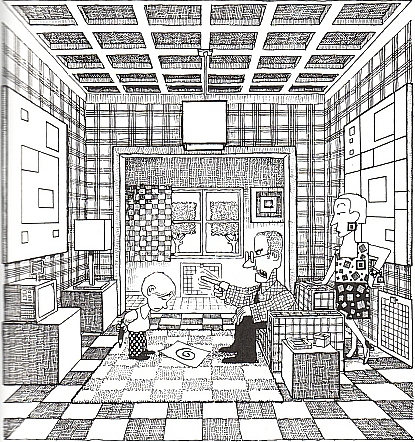
(La ilustración es de Joaquín Salvador Lavado Tejón, mejor conocido bajo el seudónimo de Quino)
Son bastantes las personas que llevan en el fondo de su alma la caricatura de un Dios desfigurado que tiene muy poco que ver con el verdadero rostro del Dios que se nos ha revelado en Jesús. Dios sigue siendo para ellos el tirano que impone su voluntad caprichosa, nos complica la vida con toda clase de prohibiciones y nos impide ser todo lo felices que nuestro corazón anhela. Todavía no han comprendido que Dios no es un dictador, celoso de la felicidad del hombre, controlador implacable de nuestros pecados, sino una mano tendida con ternura, empeñada en quitar el pecado del mundo. Son bastantes los que necesitan liberarse de un grave malentendido. Las cosas no son malas porque Dios ha querido que sean pecado. Es, exactamente, al revés. Precisamente porque son malas y destruyen nuestra felicidad, son pecado que Dios quiere quitar del corazón del mundo. A los hombres se nos olvida, con frecuencia, que, al pecar, no somos sólo culpables, sino también víctimas. Cuando pecamos, nos hacemos daño a nosotros mismos, nos preparamos una trampa trágica, pues agudizamos la tristeza de nuestra vida, cuando precisamente creíamos hacerla más feliz. No olvidemos la experiencia amarga del pecado. Pecar es renunciar a ser humanos, dar la espalda a la verdad, llenar nuestra vida de oscuridad. Pecar es matar la esperanza, apagar nuestra alegría interior, dar muerte a la vida. Pecar es aislamos de los demás, hundirnos en la soledad. Pecar es contaminar la vida, hacer un mundo injusto e inhumano, destruir la fiesta y la fraternidad. Por eso, cuando Juan nos presenta a Jesús como el que quita el pecado del mundo, no está pensando en una acción moralizante, una especie de saneamiento de costumbres. Está anunciándonos que Dios está de nuestro lado frente al mal. Que Dios nos ofrece la posibilidad de liberamos de nuestra tristeza, infelicidad e injusticia. Que Dios nos ofrece su amor, su apoyo, su alegría, para liberamos del mal. El cristianismo sólo puede ser vivido sin ser traicionado, cuando se experimenta a Jesucristo como liberación gozosa que cambia nuestra existencia, perdón que nos purifica del pecado, respiro ancho que renueva nuestro vivir, todos los días • AE

Año Nuevo, Nuevas Lecturas

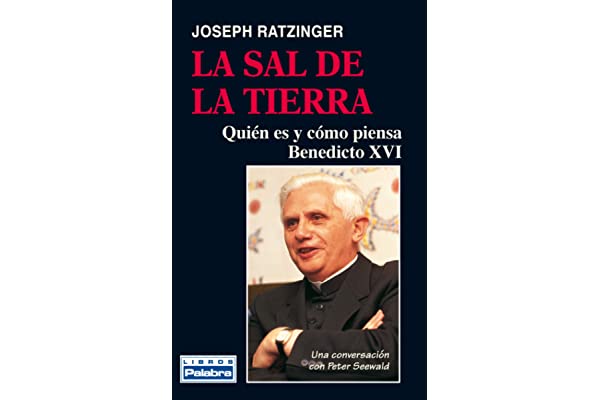
¡GRACIAS, SANTO PADRE, GRACIAS!

Se marchó un gran hombre. Uno que mantuvo una actitud de fondo toda su vida: «Respeto la providencia y no me interesa saber de qué herramientas se sirve», dijo en una ocasión; y luego, en un texto de 1997, escribió: «No me dedico a planificar (en realidad nunca lo he hecho), sino que me dejo simplemente llevar por la divina providencia. Y, en realidad, no me ha ido mal así, aunque todo haya salido de forma muy distinta de como yo me lo imaginaba». Benedicto XVI era una de esas personas que dicen lo que piensan y hacen lo que dicen. No era un político. Para él no había una próxima elección, sino solo el juicio final, por lo que, para entenderlo, no sirven los esquemas simples izquierda-derecha o progresista-conservador. El Papa alemán aparece como un personaje que se acabó imponiendo por su bondad, su sencillez, su capacidad de alegrarse por las cosas más mínimas, su disposición para escuchar, su talante siempre calmado y la valentía serena con la que siempre supo afrontar los problemas. Intelectualmente fueron asombrosas la solidez y coherencia de su pensamiento, su enorme categoría intelectual y su don, trabajado durante años, para exponer las cosas con extraordinaria claridad y siempre lejos de cualquier radicalismo. Sí, Benedicto XVI era un gigante. En algún momento se dirigió a quienes lo elegirían en el cónclave: «Todos los hombres quieren dejar una huella que permanezca, pero lo que permanece no es ni el dinero, ni los edificios, ni los libros, pues todo desaparece, y, al fin, lo único que permanece eternamente es el alma humana, el hombre creado por Dios para la eternidad. Por tanto, el fruto que permanece es todo lo que hemos sembrado en las almas humanas: el amor, el conocimiento, el gesto capaz de tocar el corazón; la palabra que abre el alma a la alegría del Señor». ¡Gracias, y al cielo con él! • AE

 LA MEDITACION DE LA ESPOSA