First Sunday of Lent (Cycle A)

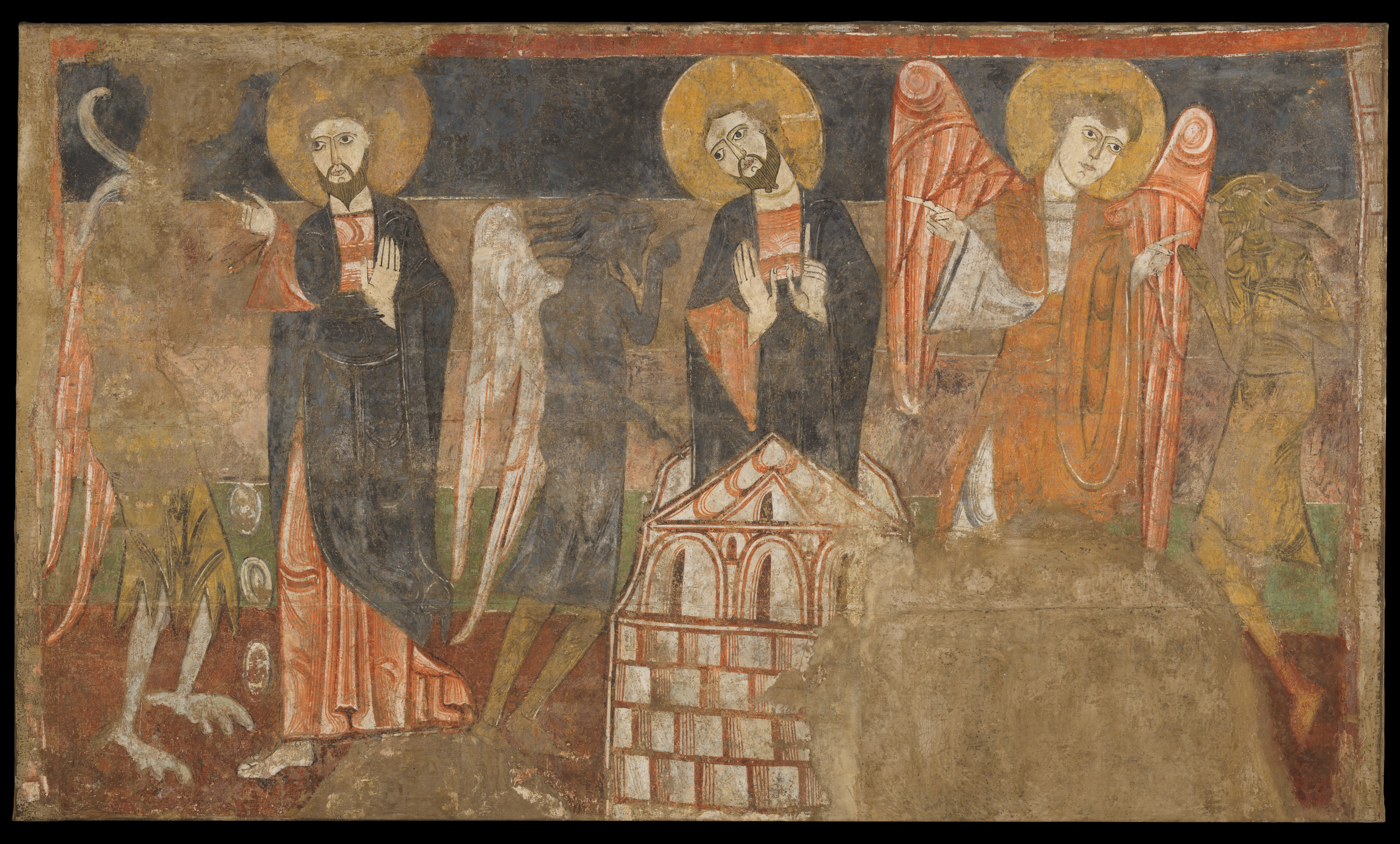
Anonymous artist, The Temptations of Christ in the Desert (1128), Fresco transferred into canvas, The Cloisters at the Metropolitan Museum of Art (New York)

We are all tempted to sin. That is part of life. But we can defeat temptation. In some ways we all experience each of the temptations that the devil put before the Lord. The devil wanted Jesus to trust in His own power, rather than the Father. He wanted him to change rocks into bread. We also are tempted to trust in ourselves instead of trust in God. We cannot fall for the temptation to think that we can do everything ourselves. We have to trust in God. We have to have faith. Yes, we must do our best to provide for our future that of our loved ones, but, ultimately, we rely on the Lord to care for us. We can resist the temptation to push God out of our lives. This call to faith is not always that easy. In fact, it is usually quite difficult. It is quite difficult to spend so much time and energy on a child, or on a situation, for example a career, and then trust the future to God rather than to ourselves. It is tempting to think that we do not need God. In fact, that is the temptation of the atheistic elements of the world. The so-called intellectual elite often mock people of faith, belittling us for believing in God and asserting that they have wonderful lives without God. And then they write books about the quiet desperation of everyday man. We cannot allow these fools to sway us. We know that we need God. Daily. We cannot survive without God. We cannot be happy without Him. And we cannot live forever without Him. Like Jesus’ second temptation, we are tempted to force God into action instead of simply trusting in Him to care for us. We may not be standing on the edge of a building deciding that God must save us if we jump, but we may be toying with that which can destroy us, alcohol, sex, drugs, etc, and think, erroneously, that if we fall God will catch us. We may be living on the edge. It is presumption to think that God will take care of us if we live rejecting the way of life he has given us. God is All-Merciful, true, but He is also All Just. We trust in God, but, as Jesus told the devil, we don’t put God to a test. We have to resist the temptation to live life on the edge because if we slip, we fall into eternal death. And like Jesus, we can fight the temptation to be bought by the world. The devil tempts us to join those who do evil, tune down or turn off our consciences, and reap wealth beyond our imaginations. There is a lot of money to be made working in the low industries of our society, a lot of money to be made cheating our way to the top of the business world, but we refuse to sell our souls to the devil. We live for One and One only. We live for our Heavenly Father, not for ourselves. So, the goal of our lives is not to amass a fortune. The goal of our lives is to live for God. We have bought into the Kingdom, not sold our souls to the world, or to the devil, often the same thing. At the end of the Gospel Satan left Jesus, and the angels came to help Him. There are angels here. How many are in our parish? How many angels are in our homes? The angels are our protectors and our spiritual care givers. They will minister to us also as we join the Lord in the fight against evil. Let us not forget that we are warriors in the battle of the Lord against the power of the devil. We don’t fight alone. The Lord and His forces fight with us. We ask the Lord today to protect us from the temptations of the world, lead us not into temptation, and to deliver us from evil. And we trust in God for we know that we are loved; for as St. Paul says in the First Letter to the Corinthians, we have been purchased, and at what a price! • AE


• St. Dominic Catholic Church •

First Sunday of Lent 2023

Saturday February 25, 2023

4.00 p.m. Sacrament of Reconciliation

5.00 p.m. Holy Mass

Sunday February 26, 2023

7.30 a.m. Holy Mass

10.00 a.m. Holy Mass

12.30 p.m. Holy Mass

3.00 p.m. Misa en Español


I Domingo de Cuaresma (Ciclo A)

Lo propio de nuestra sociedad consumista es que no sólo consumimos lo necesario para la vida, sino que consumimos sobre todo y fundamentalmente bienes superfluos. Éste es un hecho que, además, mueve la política y la economía. Lo importante, segun esta mentalidad, es aumentar el crecimiento y subir el nivel de consumo. Todo gira en torno a este consumo de bienes superfluos. Los seres humanos hemos aprendido a cifrar el éxito, la felicidad y hasta la personalidad en poseer tal modelo de coche o vestir con tal marca. Es el modo natural de vivir. En este consumo vivimos, nos movemos y existimos. Pero, ¿sabemos lo que estamos haciendo?, ¿queremos seguir consumiendo de esta manera?, ¿es éste el mejor estilo de vida?, ¿no nos interesa cambiar y humanizar un poco más nuestra vida? Tal vez, lo primero es tornar conciencia de lo que estamos haciendo. Es un primer paso, pero importante. ¿Por qué compro tantas cosas?, ¿es para estar a la altura mis amigos?, ¿para demostrarme a mí mismo y a los demás que soy alguien y que quede claro que he triunfado? Podemos preguntamos también si somos libres o esclavos. ¿Soy dueño de mis decisiones, o termino comprando lo que me dicta la publicidad?, ¿tengo lo que me ayuda a vivir de manera digna y dichosa, o estoy llenando mi vida de cosas inútiles? Nos hemos de preguntar, sobre todo, si este consumismo tan irresponsable nos parece justo. Ya nada es bastante para vivir bien. Seguimos creando y creando necesidades siempre nuevas, sin sentirnos satisfechos. Mientras tanto, millones de seres humanos no tienen lo necesario para sobrevivir. ¿Qué pensar de todo esto? ¿No es injusto y estúpido? No sólo de pan vive el hombre, dice Jesús en el evangelio de hoy, una verdad que necesitamos volver escuchar una y otra vez. Este primer domingo del tiempo de Cuaresma nos trae, sí, preguntas incómodas, pero necesarias. Vitales • AE


ASH WEDNESDAY 2023

Some consider tattoos to be an art, a form of personal expression. For others, it signifies belonging to a particular group — being part of the fraternity, for example, or even a gang. For others, it is a countercultural statement. But all of it, in some way, relates to what we are about to experience today, Ash Wednesday. Because, in a sense, we are about to receive a tattoo, a marking on our brows — an emblem that is not a decoration, but a declaration. It declares three things: First, these ashes declare we are human. That we are dust and one day we will be dust again.  These ashes tell anyone who sees them that we know the clock is ticking, that our time is limited. They declare that we know this much: one day, we will be gone. Secondly, they declare that because we are human, we are sinners. Flawed. Weak. We are not beautiful, perfect creatures. We bear the stain of sin. Thirdly, these ashes declare that because we are human and sinners, we have work to do.  We want to do it while we can. And the work begins here and now. It is the great work of reforming our lives to make ourselves ready for Easter, and the bright hope of the Resurrection.  These ashes declare that we want to be better than we are, through prayer, fasting and almsgiving. These ashes are also a very public declaration that we are works in progress. They remind anyone who sees them that we are more than just people who follow Jesus Christ. We are people who intend to spend these 40 days trying to live more like him — remembering daily what he gave for us, so that we can give more to others. That giving can and should be more difficult than just giving up chocolate or skipping dessert. As I said: We have work to do. So, where do we begin? Try this: forgive someone who has done you wrong. Pray for someone you hate. Reach out to someone who is ignored or disliked — whether it’s at work, at school, at home.  Let them know they have purpose and dignity. Visit someone who is lonely. Reconcile with someone you are alienated from — whether it’s a friend, a neighbor… or God. Especially God. Celebrate the sacrament of reconciliation with the Father who loves us. Go to confession. Pray that we each become better than we are. Because these marks we bear say that much. They tell the world that we are trying to be people who are more like Christ. People of sacrifice, of surrender, of selflessness, of love. But also people who want to move beyond the dusty ashes of Lent to feel anew the fire of the Easter Vigil. Finally, remember how we are starting Lent. Remember what these ashes mean. Because tomorrow, these marks should be more than a smudge on the pillow. They should leave a lasting mark on each of us — a silent reminder of our call to holiness, our call to be people on fire. Our call to conversion — conversion lived out with hope and trust in God’s mercy, and our own desire to be better tomorrow than we are today. It’s just that simple. And just that hard. These ashes are not a decoration, but a declaration. A declaration of our humanity, our weakness — but also our hope. They matter. We need to make them make a difference. In ourselves • AE


SOME READINGS FOR LENT


• St. Dominic Catholic Church •

Schedule for Ash Wednesday 2023

6.30 a.m. Liturgy of the Word and distribution of ashes

8.30 a.m. Holy Mass and distribution of Ashes

12.00 p.m. Liturgy of the Word and distribution of ashes

3.00 p.m. Liturgia de la Palabra e imposición de la ceniza

6.00 p.m. Holy Mass and distribution of Ashes (bilingual)

8.00 p.m. Liturgy of the Word and distribution of ashes


MIERCOLES DE CENIZA (2023)

Con la primera de las lecturas de hoy, Miércoles de Ceniza, la liturgia nos invita a hacer cambios en nuestro corazón. Podríamos hoy recordar aquel sencillo pensamiento de Fray Luis de Granada. Decía el autor castellano que debiéramos tener un corazón de hijo para con Dios, un corazón de madre para con los demás y un corazón de juez para con nosotros mismos.  Aqui hay una triple idea para el camibo que hoy iniciamos. Porque ¿cuál es la realidad de nuestro corazón? La realidad es que lo tenemos todo cambiado: tenemos un corazón de siervo para con Dios, de juez para con los demás, de madre para con nosotros mismos. Y así nos van las cosas. Siervos. Por mucho que le digamos Padre, acudimos a Dios con desconfianza, con cierto (o mucho) temor, con ciertas o muchas exigencias. De siervos a hijos. Que el Señor nos cambie ese atemorizado corazón, que nos haga  sentirnos gozosos y confiados en su presencia, que seamos capaces de ponernos en sus manos incondicionalmente. Un corazón de niño ante su Padre, que no le discute nada, que no le exige nada, que no le regatea nada. Un corazón que se siente inundado en cada momento por un amor poderoso y gratuito. Juez. Parece que todos hemos nacido con esta vocación. Nos encanta juzgar a los otros,  lo que hacen y dejen de hacer, lo que dicen y dejen de decir, lo que sienten o dejen de  sentir. Juzgamos hasta lo que piensan, que no siempre responde a lo que dicen. Y nuestros juicios son hirientes, tajantes, condenatorios. Nos complace ver el lado negativo de los demás. Los miramos fríamente y desde lejos, todo con lupa. Decimos que lo mejor es pensar mal. Repartimos a boleo premios y castigos; los primeros, pocos; los segundos, en abundancia. De juez a madre. Esto sí que sería un cambio de corazón. Las madres no juzgan a sus  hijos, porque los miran entrañablemente, porque los conocen profundamente, porque los  miran con el corazón. Ellas lo comprenden todo, porque aman. Tienen una paciencia infinita, porque esperan. Es el corazón que más se parece al de Dios. Si tuviéramos un  corazón de madre para los demás, las relaciones humanas serían comprensivas y  cordiales, nos sentiríamos seguros los unos de los otros, no tendríamos necesidad de  mentir y ser hipócritas. Si tuviéramos corazón de madre, nuestras relaciones se llenarían de luz. Madre. Para con nosotros mismos somos muy complacientes y benévolos. Nos parece que no hacemos nada malo, y si tenemos algún fallo es más bien sin  querer. Nos perdonamos enseguida. Algunas cosas que nos echan en cara, es porque no nos conocen; en el fondo somos buenos. Lo que pasa es que yo soy así, es mi temperamento y mi manera de ser. Yo no tengo pecado. De madre a juez. Nos convendría pues algo más de rigor y de exigencia para con nosotros mismos. Y escuchar más a los demás y aceptar sus juicios. Nos convendría que, si no somos capaces de conocernos y exigirnos, alguien nos ayudara a juzgarnos bien, con justicia pero también con amor, hemos de saber comprendernos, valorarnos y perdonarnos. Como vemos, en fin, el trabajo es mucho y la necesidad de reorganizar nuestro interior, apremiante ¡Manos a la obra! • AE


LECTURAS DE CUARESMA


Seventh Sunday in Ordinary Time (Cycle B)

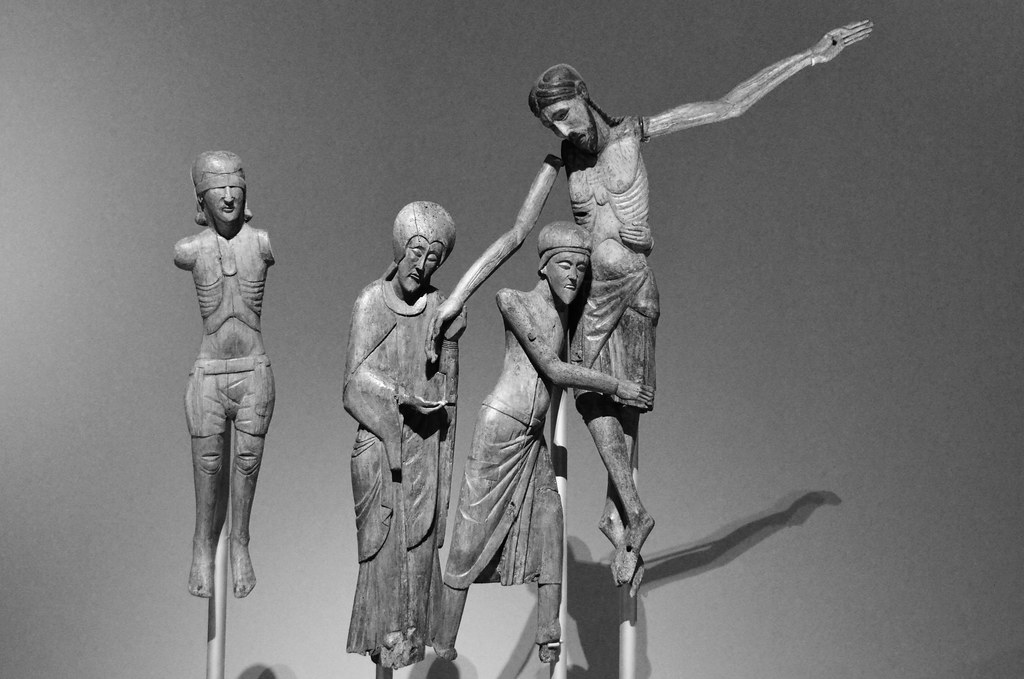
Descent from the Cross, 12th century, Romanesque Art (From left to right the thief Dimes, the Virgin Mary Joseph of Arimatea and Christ. There are missing the thief Gestes and St. John and Nicodem)

Hatred kills. That’s for sure. Wars demonstrate this. There are people who hate other people and who do everything they can to eliminate the other people. There are atrocities taking place every day. They’re two victims of hatred: the person who is physically hurt and the person who hates. The foremost victim of hatred is the person who hates. Hatred transforms a person from a compassionate human being to a person whose main concern is to seek vengeance on someone who the person feels has wronged them. Life is consumed with the desire for retaliation and reprisal. Maybe this vengeance will not be seen in a physical attack. It very well may result in a verbal attack or a destruction of another person’s reputation. The fact is that the person who hates has transformed his or her life. This person cannot be the loving person Christ called him or her to be. Hatred kills. If God is love, then how can a Christian hate? The Christian who hates is sacrificing Christianity for the sake of the hate. Again, the Christian who hates is the first victim of hate. Hatred kills. We have got to let go of the past. We cannot let the past destroy us. We can still love those who have hurt us. In fact, we have to love them. Perhaps it was with tongue in cheek that St. Paul tells us and the Romans to love our enemies because it will drive them crazy: «if your enemies are hungry, feed them; if they are thirsty, give them something to drink; for by doing this you will heap burning coals on their heads.» (Romans12:20). What drives them crazy is that it is difficult to respond to kindness with nastiness. Many will continue to try to be nasty, but it isn’t easy. Still, the call to love those who hurt us does not mean that we should seek their company so we can endure further hurt. Sometimes it is just the best thing to have less contact with someone who has caused us bad feelings. The important thing to consider today is that we limit our contact not to hurt the other person, but to control the feelings within us which can lead to the destruction of our own lives through hatred. We cannot let hatred kill us. We are invited to live and love in the same way that Christ did. Let us raise our eyes and look at the crucifix • AE


Fr. Agustin´s Schedule for the Seventh Sunday in Ordinary Time

Saturday February 18, 2023

3.00 p.m. Sacrament of Reconciliation (Confessional)

Sunday February 19, 2023

7.30 a.m. Holy Mass (English)

10.00 a.m. Holy Mass (English)


VII Domingo del Tiempo Ordinario (Ciclo A)

Diego Velázquez, La Rendición de Breda (1634), óleo sobre tela, Museo Nacional del Prado (Madrid). La obra representa el momento en que Justino de Nassau rindió la ciudad de Breda, en 1625, a las tropas españolas al mando del general Ambrosio Spínola, que aparece recibiendo las llaves de la ciudad de manos de su enemigo.

Amen a sus enemigos, hagan el bien a los que los odian y rueguen por los que los persiguen ¿Qué podemos hacer los creyentes de hoy ante estas palabras de Jesús? ¿Suprimirlas del Evangelio? ¿Borrarlas del fondo de nuestra conciencia? ¿Dejarlas para tiempos mejores? No cambia mucho la postura básica de los hombres ante el enemigo, es decir, ante alguien de quien sólo se han de esperar daños y peligros. Lisias, en el siglo V antes de Cristo) decía algo que, sin duda, sería bien acogida en nuestros tiempos: «Considero como norma establecida que uno tiene que procurar hacer daño a sus enemigos y ponerse al servicio de sus amigos.» Por eso, hemos de destacar todavía más la importancia del amor al enemigo, in duda el punto más radical de todo el mensaje del Señor. Cuando Jesús habla del amor al enemigo no está pensando en un sentimiento de afecto y cariño hacia él (philia), menos todavía en una entrega apasionada (eros), sino en una apertura radicalmente humana, de interés positivo, por la persona del enemigo (agapè). El hombre es humano cuando el amor está en la base de toda su actuación. Y ni siquiera la relación con los enemigos debe ser una excepción. Quien es humano hasta el final, descubre y respeta la dignidad humana del enemigo por muy desfigurada que se nos pueda presentar. Y no adopta ante él una postura excluyente de maldición, sino una actitud positiva de interés real por su bien. Quien quiera ser cristiano y actuar como tal en el contexto de violencia generado entre nosotros ha de vivir todo este conflicto sin renunciar a amar, cualquiera que sea su posición política o ideológica. Este amor cristiano al enemigo parece casi imposible en el clima en el que vivimos hoy en día. Sólo recordar las palabras evangélicas puede resultar irritante para algunos. Y, sin embargo, es necesario hacerlo si queremos vemos libres de la deshumanización que generan el odio y la venganza. Hay dos cosas que los cristianos podemos y debemos recordar hoy en medio de esta sociedad, aun a precio de ser rechazados. Amar al delincuente injusto y violento no significa en absoluto dar por buena su actuación injusta y violenta. Por otra parte, condenar de manera tajante la injusticia y crueldad de la violencia terrorista no debe llevar necesariamente al odio hacia quienes la instigan o llevan a cabo • AE


Sixth Sunday in Ordinary Time (Cycle A)

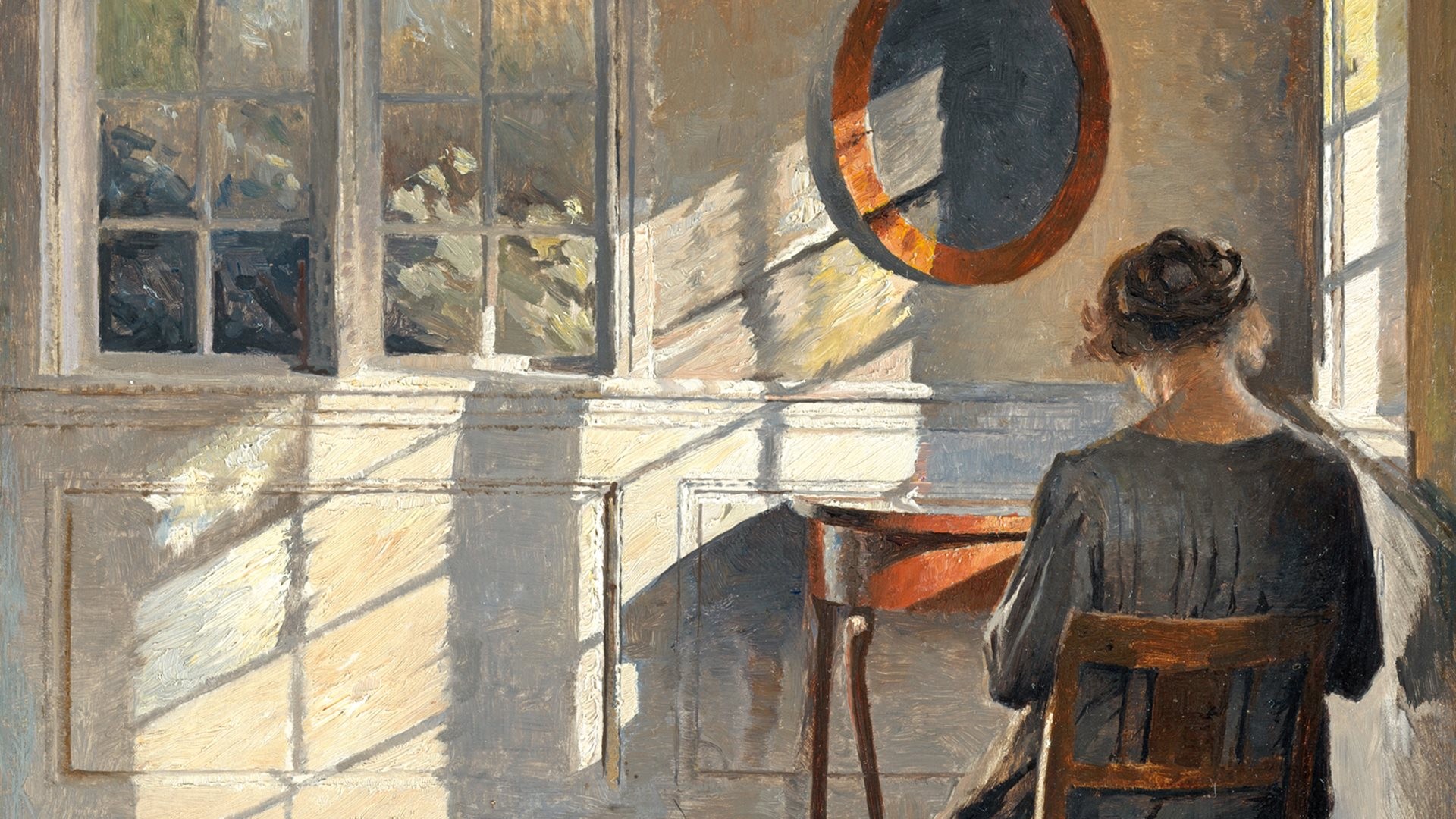
Wilhelm Hammershøi, Rest (1905), oil on canvas, Musee d´Orsay (Paris)

Today’s gospel has provoked much debate among biblical scholars about what Christ meant when he says: “I have not to come to abolish the Law; but to fulfil it.” Jesus is right when he says this. The Old Testament stands firm, fulfilled and has reached its perfection in Christ. The Greek word for “fulfill” is “pleroo.” It also means “to full” or “to complete.” In light of today’s gospel, it means to fulfill what was predicted in the Old Testament. Christ fulfilled the Law (Torah) through the sacrifice of himself. Therefore, He is now the fullness of the Law. To obey him, is to obey the Law. Therefore, Christ’s treaty is against the hypocrisy of the Pharisees and the Sadducees of this present age who interpret the law falsely to the detriment of the people. It is a treaty against fake prophets, and teachers who falsely declare, “thus says the Lord,” in order to intimidate and exploit people. It is a treaty against those make life difficult for others in God’s name, while they have no regard for the law of Christ. Finally, it is a treaty against the Pharisees of our time who pay much attention to the letters of the law but neglect the Spirit of the Law. The Lord came that we might have life and have it in full. He came that we might be free. He is the fullness of the Law and life. To obey him is to have life and happiness in full. Our quiet prayer today could be a deep, honest examination of conscience, asking ourselves what our position is before the Law of God, obedience? arrogance? ignorance? humility? May the Spirit of God give us a little of his light to understand better! • AE


SOME READINGS


Fr. Agustin´s Schedule for the Sixth Sunday in Ordinary Time

St. Dominic Catholic Church

Saturday, February 11, 2023

10.00 a.m. Sacrament of Baptism for Sergio David Maiorano @ Our Lady of Grace Catholic Church

3.30 p.m. Sacrament of Reconciliation (Confessional)

Sunday, February 12, 2023

12.30 p.m. Holy Mass

3.00 p.m. Holy Mass (en Español)


VI Domingo del Tiempo Ordinario (Ciclo A)

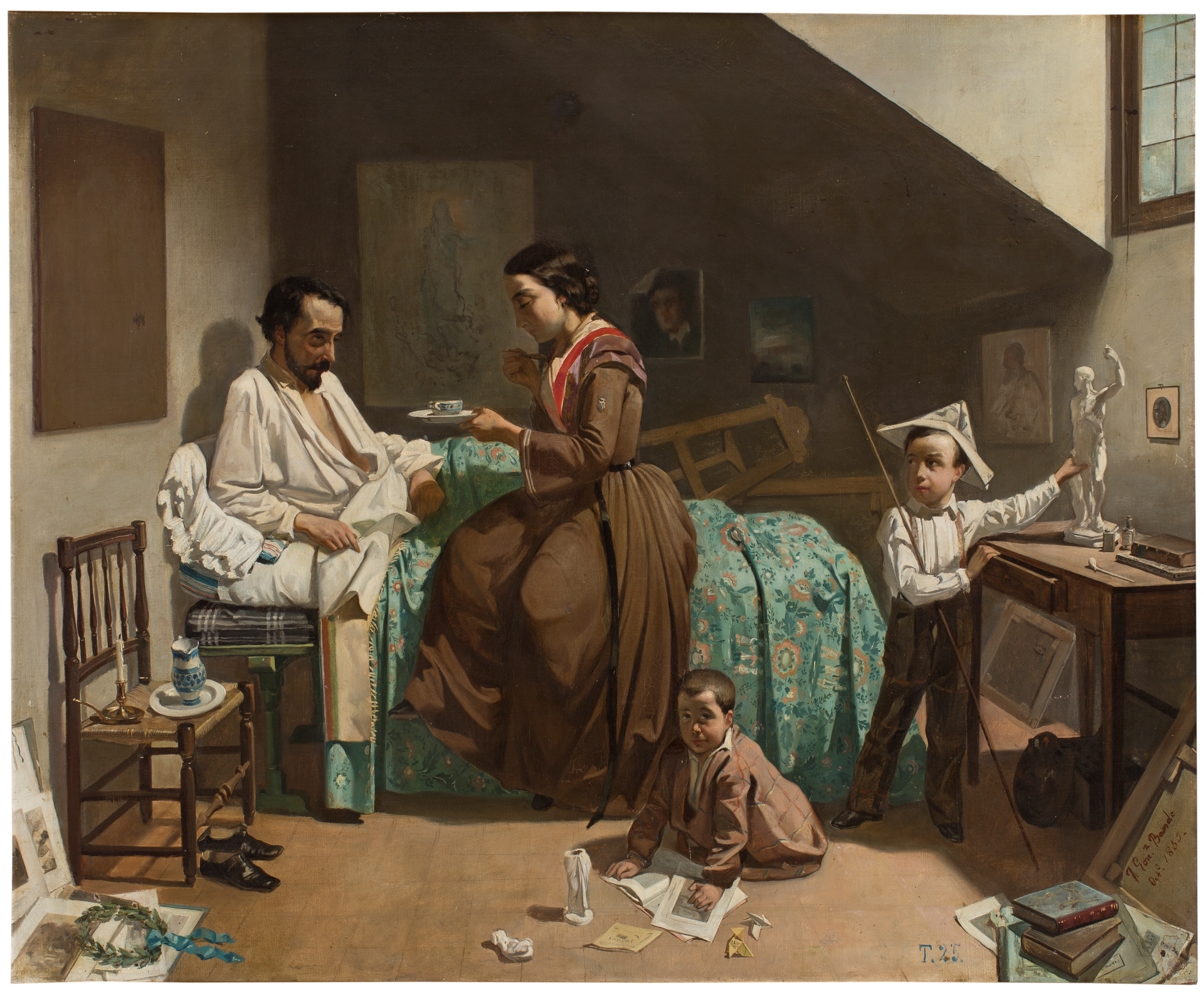
J. González Bande, El camino de la gloria artística (1855), óleo sobre lienzo, Museo Nacional del Prado (Madrid)

Los judíos de la época del Señor con frecuencia hablaban con orgullo de la Ley de Moisés. Era el mejor regalo que habían recibido de su Dios. En todas las sinagogas la guardaban con veneración en un lugar especial. En esa Ley podían encontrar cuanto necesitaban para ser fieles a Dios. Jesús, sin embargo, no vive centrado en la Ley. No se dedica a estudiarla ni a explicarla a sus discípulos. No se le ve nunca preocupado por observarla de manera, digamos, escrupulosa. Ciertamente, no invita a nadie a ir en contra de la ley, pero ésta no ocupa ya un lugar central en su corazón. Jesús busca la voluntad del Dios desde otro punto de vista. El Dios de Jesús es un Dios que trata de abrirse camino entre los hombres para construir con ellos un mundo más justo y fraterno. Esto lo cambia todo. Así la ley no es ya lo decisivo para saber qué espera Dios de nosotros. Lo primero es buscar el reino y su justicia». Los fariseos y letrados se preocupan de observar rigurosamente las leyes, pero descuidan el amor y la justicia. Jesús se esfuerza por introducir en sus seguidores otro espíritu: «si vuestra justicia no es mejor que la de los escribas y fariseos, no entraréis en el reino de Dios». Hay que superar el legalismo que se contenta con el cumplimiento literal de leyes y normas. Cuando se busca la voluntad del Padre con la pasión con que la busca Jesús, se va siempre más allá de lo que dicen las leyes. Para caminar hacia ese mundo más humano que Dios quiere para todos, lo importante no es contar con personas observantes de leyes, sino con hombres y mujeres que se parezcan a él. Aquel que no mata, cumple la Ley, ciertamente, pero si no arranca de su corazón la agresividad hacia su hermano, no se parece a Dios. Aquel que no comete adulterio, cumple la Ley, pero si desea egoístamente la esposa de su hermano, no se asemeja a Dios. En estas personas reina la Ley, pero no Dios; son observantes, pero no saben amar; viven correctamente, pero no construirán un mundo más humano. Hemos de escuchar bien las palabras de Jesús: «No he venido a abolir la Ley y los profetas, sino a dar plenitud». No ha venido a echar por tierra el patrimonio legal y religioso del Antiguo Testamento. Ha venido a dar plenitud, a ensanchar el horizonte del comportamiento humano, a liberar la vida de los peligros del legalismo. Nuestra fe cristiana será más fuerte y sólida cuando aprendamos a vivir las leyes, normas, preceptos y tradiciones como los vivía Jesús: buscando ese mundo más justo y fraterno que quiere el Padre • AE


MAS LECTURAS


Fifth Sunday in Ordinary Time (Cycle A)

“You are the Light of the world,” we heard in today’s Gospel. We are the world’s hope. We carry within us the joy of Jesus, the unsurpassable wisdom of the Lord. We are also the Salt of the Earth. In these days of football playoffs, many of us have stocked up on snacks. Now just about everything on the junk food pyramid needs salt. Popcorn without salt, fritos without salt, potato chips without salt, french fries without salt and many other snacks would be rather…tasteless! Think of what these foods are–mostly just greased up potatoes or corn. Salt tends to make ordinary things extraordinary. When we live out faith, the humdrum occurrence of everyday life which so bothered those people fed up with life, now become extraordinary ways of approaching God. St. Theresa of Liseaux would say there is nothing too little that we could do for the Lord. The little things we do for people give meaning and purpose to life. We have the ability to put flavor into existence. We are called to be the salt of the earth. How can we do this? How can we live faith lives wherever we are? Well, we have to keep in contact with God. We have to pray daily as well as join the scriptural and sacramental worship of our parish community. We have to look for the little ways that we can be kind to others. So many times people will look at the goodness of a neighbor, or a parent or child and say, “He did not do extraordinary things. He did ordinary things in an extraordinary way. His actions were a prayer. He was the salt of the earth. We are the salt of the earth. We are the light of the world. We have been called to make the Lord present. Let us ask the Lord this morning for the strength to live our faith • AE


Fr. Agustin´s Schedule for the Fifth Sunday in Ordinary Time

Saturday February 4, 2023

3.30 p.m. Sacrament of Reconciliation (Confessional)

5.00 p.m. Holy Mass (English)

Sunday February 5, 2023

7.30 a.m. Holy Mass (English)

10.00 a.m. Holy Mass (English)

12.30 p.m. Holy Mass (English)


V Domingo Del Tiempo Ordinario (Ciclo A)

Los seres humanos tendemos a aparecer ante los demás como más inteligentes, más buenos y más nobles de lo que realmente somos. Nos pasamos la vida tratando de ocultar nuestros defectos para aparentar ante los demás y, antes ante nosotros mismos, una perfección que no poseemos. Los psicólogos dicen que esta tendencia se debe al deseo de afirmarnos ante nosotros mismos y ante los demás para defendernos de su posible superioridad. Nos falta la verdad de las buenas obras y llenamos nuestra vida de palabrería. No somos capaces de dar a nuestros hijos un ejemplo de vida digna, y nos pasamos los días exigiéndoles lo que nosotros no vivimos. No somos coherentes con nuestra fe cristiana, y tratamos de justificarnos criticando a quienes han abandonado la práctica religiosa. No somos testigos del evangelio, y nos dedicamos a predicarlo a otros. Tal vez, hayamos de comenzar por reconocer pacientemente nuestras limitaciones e incoherencias, para poder presentar a los demás sólo la verdad de nuestra vida. Si tenemos el coraje de aceptar nuestra mediocridad, nos abriremos más fácilmente a la acción de ese Dios que puede transformar todavía nuestra vida. Jesús habla del peligro de que la sal se vuelva sosa. Para ser sal de la tierra, lo importante no es el activismo, la agitación, el protagonismo superficial, sino las buenas obras que nacen del amor a ese Dios que actúa en nosotros. Con qué atención deberíamos escuchar hoy en el interior de la Iglesia estas palabras de San Juan de la Cruz: «Adviertan, pues, aquí los que son muy activos y piensan ceñir el mundo con sus predicaciones y obras exteriores, que mucho más provecho harían a la Iglesia y mucho más agradarían a Dios… si gastasen siquiera la mitad de ese tiempo en estarse con Dios en oración». De lo contrario, «todo es martillear y hacer poco más que nada, y a veces nada, y aun a veces daño». En medio de tanta actividad y agitación, ¿dónde están nuestras buenas obras»?  El Señor decía a sus discípulos: «Alumbre vuestra luz a los hombres para que vean vuestras buenas obras y den gloria al Padre». Pues eso • AE