

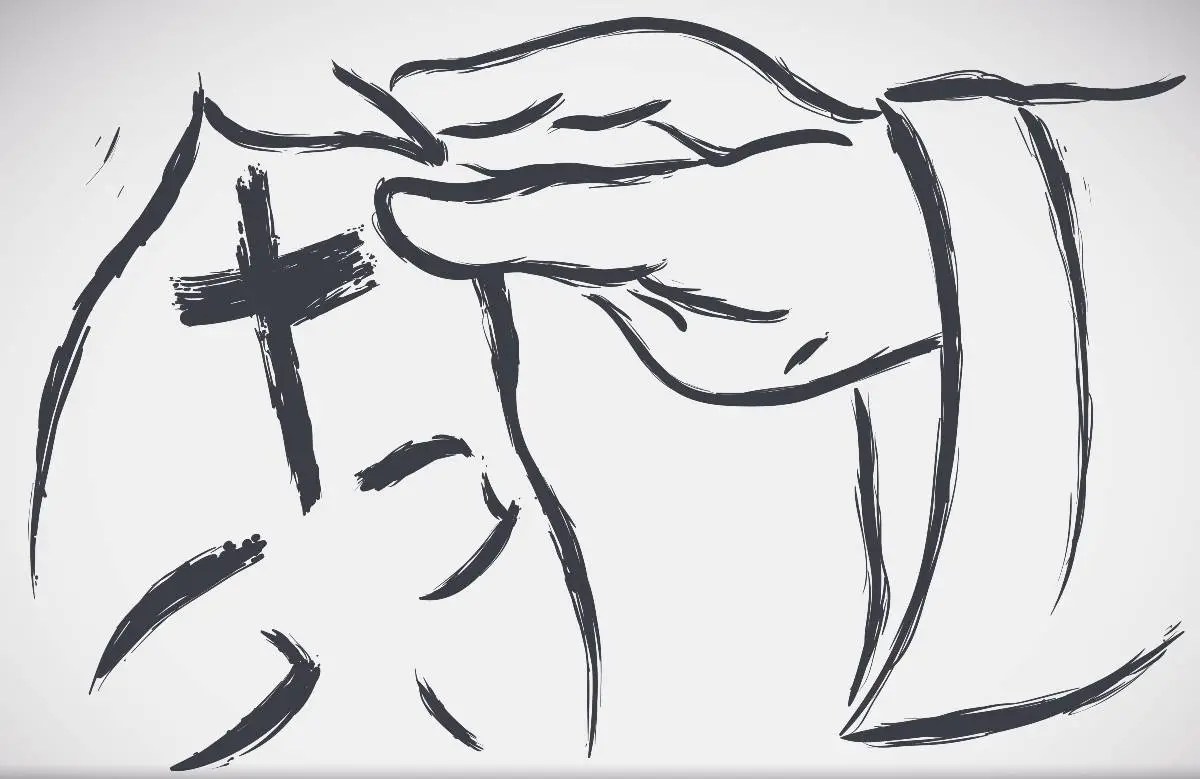
Some consider tattoos to be an art, a form of personal expression. For others, it signifies belonging to a particular group — being part of the fraternity, for example, or even a gang. For others, it is a countercultural statement. But all of it, in some way, relates to what we are about to experience today, Ash Wednesday. Because, in a sense, we are about to receive a tattoo, a marking on our brows — an emblem that is not a decoration, but a declaration. It declares three things: First, these ashes declare we are human. That we are dust and one day we will be dust again. These ashes tell anyone who sees them that we know the clock is ticking, that our time is limited. They declare that we know this much: one day, we will be gone. Secondly, they declare that because we are human, we are sinners. Flawed. Weak. We are not beautiful, perfect creatures. We bear the stain of sin. Thirdly, these ashes declare that because we are human and sinners, we have work to do. We want to do it while we can. And the work begins here and now. It is the great work of reforming our lives to make ourselves ready for Easter, and the bright hope of the Resurrection. These ashes declare that we want to be better than we are, through prayer, fasting and almsgiving. These ashes are also a very public declaration that we are works in progress. They remind anyone who sees them that we are more than just people who follow Jesus Christ. We are people who intend to spend these 40 days trying to live more like him — remembering daily what he gave for us, so that we can give more to others. That giving can and should be more difficult than just giving up chocolate or skipping dessert. As I said: We have work to do. So, where do we begin? Try this: forgive someone who has done you wrong. Pray for someone you hate. Reach out to someone who is ignored or disliked — whether it’s at work, at school, at home. Let them know they have purpose and dignity. Visit someone who is lonely. Reconcile with someone you are alienated from — whether it’s a friend, a neighbor… or God. Especially God. Celebrate the sacrament of reconciliation with the Father who loves us. Go to confession. Pray that we each become better than we are. Because these marks we bear say that much. They tell the world that we are trying to be people who are more like Christ. People of sacrifice, of surrender, of selflessness, of love. But also people who want to move beyond the dusty ashes of Lent to feel anew the fire of the Easter Vigil. Finally, remember how we are starting Lent. Remember what these ashes mean. Because tomorrow, these marks should be more than a smudge on the pillow. They should leave a lasting mark on each of us — a silent reminder of our call to holiness, our call to be people on fire. Our call to conversion — conversion lived out with hope and trust in God’s mercy, and our own desire to be better tomorrow than we are today. It’s just that simple. And just that hard. These ashes are not a decoration, but a declaration. A declaration of our humanity, our weakness — but also our hope. They matter. We need to make them make a difference. In ourselves • AE
SOME READINGS FOR LENT
• St. Dominic Catholic Church •
Schedule for Ash Wednesday 2023
6.30 a.m. Liturgy of the Word and distribution of ashes
8.30 a.m. Holy Mass and distribution of Ashes
12.00 p.m. Liturgy of the Word and distribution of ashes
3.00 p.m. Liturgia de la Palabra e imposición de la ceniza
6.00 p.m. Holy Mass and distribution of Ashes (bilingual)
8.00 p.m. Liturgy of the Word and distribution of ashes
MIERCOLES DE CENIZA (2023)

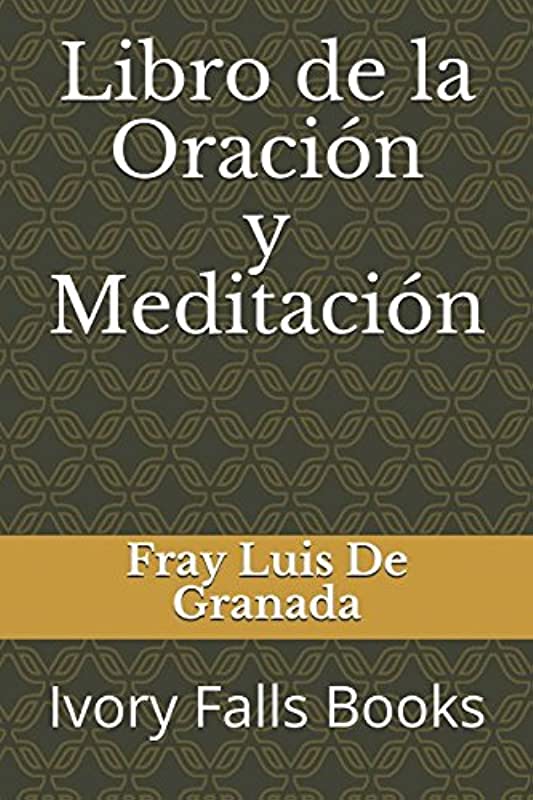
Con la primera de las lecturas de hoy, Miércoles de Ceniza, la liturgia nos invita a hacer cambios en nuestro corazón. Podríamos hoy recordar aquel sencillo pensamiento de Fray Luis de Granada. Decía el autor castellano que debiéramos tener un corazón de hijo para con Dios, un corazón de madre para con los demás y un corazón de juez para con nosotros mismos. Aqui hay una triple idea para el camibo que hoy iniciamos. Porque ¿cuál es la realidad de nuestro corazón? La realidad es que lo tenemos todo cambiado: tenemos un corazón de siervo para con Dios, de juez para con los demás, de madre para con nosotros mismos. Y así nos van las cosas. Siervos. Por mucho que le digamos Padre, acudimos a Dios con desconfianza, con cierto (o mucho) temor, con ciertas o muchas exigencias. De siervos a hijos. Que el Señor nos cambie ese atemorizado corazón, que nos haga sentirnos gozosos y confiados en su presencia, que seamos capaces de ponernos en sus manos incondicionalmente. Un corazón de niño ante su Padre, que no le discute nada, que no le exige nada, que no le regatea nada. Un corazón que se siente inundado en cada momento por un amor poderoso y gratuito. Juez. Parece que todos hemos nacido con esta vocación. Nos encanta juzgar a los otros, lo que hacen y dejen de hacer, lo que dicen y dejen de decir, lo que sienten o dejen de sentir. Juzgamos hasta lo que piensan, que no siempre responde a lo que dicen. Y nuestros juicios son hirientes, tajantes, condenatorios. Nos complace ver el lado negativo de los demás. Los miramos fríamente y desde lejos, todo con lupa. Decimos que lo mejor es pensar mal. Repartimos a boleo premios y castigos; los primeros, pocos; los segundos, en abundancia. De juez a madre. Esto sí que sería un cambio de corazón. Las madres no juzgan a sus hijos, porque los miran entrañablemente, porque los conocen profundamente, porque los miran con el corazón. Ellas lo comprenden todo, porque aman. Tienen una paciencia infinita, porque esperan. Es el corazón que más se parece al de Dios. Si tuviéramos un corazón de madre para los demás, las relaciones humanas serían comprensivas y cordiales, nos sentiríamos seguros los unos de los otros, no tendríamos necesidad de mentir y ser hipócritas. Si tuviéramos corazón de madre, nuestras relaciones se llenarían de luz. Madre. Para con nosotros mismos somos muy complacientes y benévolos. Nos parece que no hacemos nada malo, y si tenemos algún fallo es más bien sin querer. Nos perdonamos enseguida. Algunas cosas que nos echan en cara, es porque no nos conocen; en el fondo somos buenos. Lo que pasa es que yo soy así, es mi temperamento y mi manera de ser. Yo no tengo pecado. De madre a juez. Nos convendría pues algo más de rigor y de exigencia para con nosotros mismos. Y escuchar más a los demás y aceptar sus juicios. Nos convendría que, si no somos capaces de conocernos y exigirnos, alguien nos ayudara a juzgarnos bien, con justicia pero también con amor, hemos de saber comprendernos, valorarnos y perdonarnos. Como vemos, en fin, el trabajo es mucho y la necesidad de reorganizar nuestro interior, apremiante ¡Manos a la obra! • AE
LECTURAS DE CUARESMA

 LA MEDITACION DE LA ESPOSA