Fourth Sunday of Easter (Cycle A)

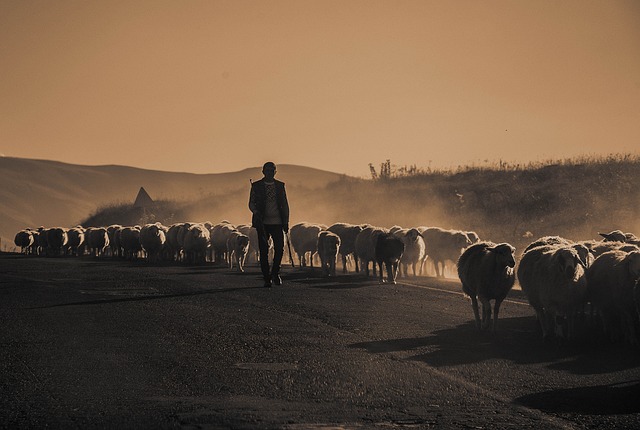
In a world where so many people are looking for a voice to lead them, there is only one voice that matters. World leaders and all politicians for that matter attract people fanatically dedicated to them, but at best their voices lead only to limited solutions to the complex problems of life. The voice that matters is the Voice of the Lord. There are many voices in the world. We have to listen carefully for the voices that are coming from the Lord and for the voices that are not the voice of our shepherd. There is the voice that says, «You can do this or that now. Everyone is doing this. Join in. What makes you think that you are different?» Or, perhaps the voice says, «Times have changed. Get with the modern way.» This voice is tempting us to destruction, self-destruction. If we follow it, we wander away from Christian morality in order to be part of the world. Soon, we realize that we have wandered away from our own happiness. That happens when we follow a voice that is not the voice of our Shepherd. People will often justify their actions by saying, “This was right for me. I was following my conscience.” Not really. We might be following our selfish desires, but not our consciences. Not all desires come from the conscience. Some come from selfishness. We can easily deceive ourselves in taking courses of action that do not exhibit the way of the Lord. “If it feels good, do it,” is not the way of the Lord. Following the voice of the Lord is often a challenge, a battle we have to put up against the world around us and against the selfishness within us.

We are his sheep. He is our shepherd. We are His. How can anything in the world surpass that? We belong to God, and He belongs to us. That is the joy of the Gospel. There are predators out there. They are trying to entice us away from our Shepherd. We need to know their voices, and we need to realize where they are trying to take us. We know the voice of God. And we know where He wants to lead us. We pray today for the courage to listen to His Voice and follow our shepherd • AE


Fr Agustin´s Schedule for the Fourth Sunday of Easter of 2023

Saturday April 29

8.30 a.m. – 10.30 a.m. Sacrament of Reconciliation for CCD Children (Main church)

3.30 p.m. Sacrament of Reconciliation (Confessional)

5.00 p.m. Holy Mass

6.30 p.m. Sacrament of Baptism

Sunday April 30

7.30 a.m. Holy Mass

10.00 a.m. Holy Mass

12.30 p.m. Holy Mass

3.00 p.m. Santa Misa


IV Domingo de Pascua (Ciclo A)
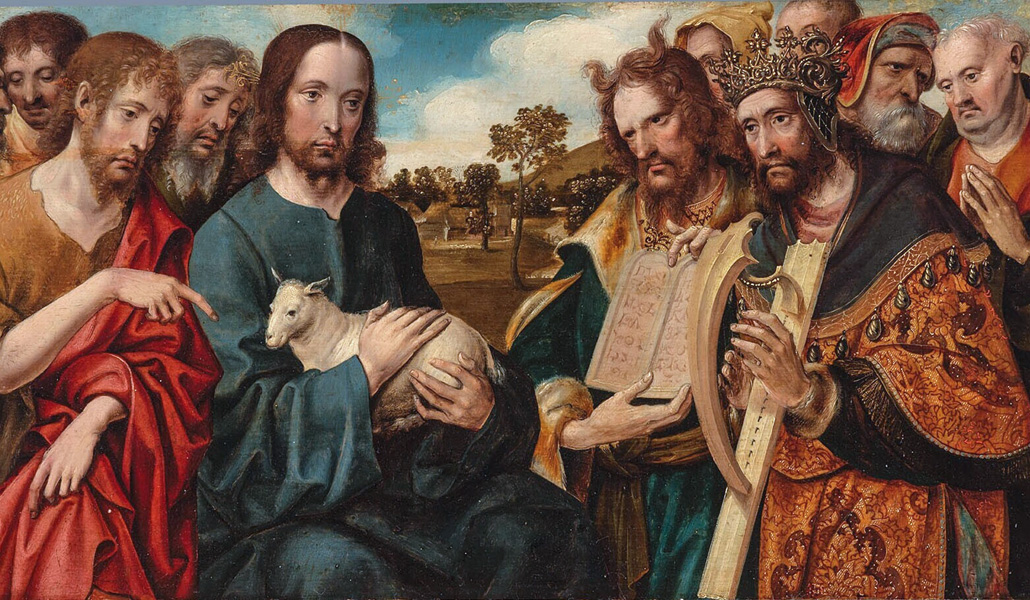
Se insiste más que nunca en la necesidad de un magisterio eclesiástico fuerte para dirigir a quienes navegan -¡navegamos!- en medio de la crisis actual. De hecho, no pocas intervenciones de los obispos provocan reacciones encontradas. Unos las alaban con fervor, otros las critican duramente y la mayoría las olvida a los pocos días. Mientras tanto, en el evangelio se nos recuerdan unas palabras de Jesús que nos interpelan a todos: «Las ovejas siguen al pastor porque conocen su voz». Lo primero y decisivo también hoy es que, en la Iglesia, los creyentes escuchemos la voz de Jesucristo en toda su originalidad y pureza, no el peso de las tradiciones ni la novedad de las modas, no las preocupaciones de los eclesiásticos ni los gustos de los teólogos, no nuestros intereses, miedos o acomodaciones. O caprichos. Esto exige no confundir sin más la voz de Jesucristo con cualquier palabra que se pronuncia en la Iglesia. No hemos de dar por supuesto que en toda intervención de los obispos, en toda predicación de los curas, en todo escrito de los teólogos o en toda exposición de los catequistas se está escuchando fielmente la voz de Jesús. Siempre existe un riesgo. Que llenemos la Iglesia de escritos y cartas pastorales, de documentos y libros de teología, de catequesis y predicaciones, sustituyendo con nuestro ruido la voz inconfundible del Señor, nuestro único maestro. Lo decía san Agustín: «Tenemos un sólo maestro. Y, bajo él, todos somos condiscípulos. No nos constituimos en maestros por el hecho de hablar desde el púlpito. El verdadero Maestro habla desde dentro». Hemos de preguntarnos si la palabra que se escucha en la Iglesia proviene de Galilea y nace del Espíritu del resucitado. Esto es lo decisivo pues el magisterio, la predicación o la teología han de ser una invitación a que cada creyente escuchemos de manera fiel y responsable la voz de Cristo. Sólo cuando uno aprende algo de Jesús y lo convierte en vida en la propia vida, solo entonces es un auténtico cristiano • AE



Ego sum pastor bonus (Collegium Vocale Bydgoszcz)


Third Sunday of Easter (Cycle A)

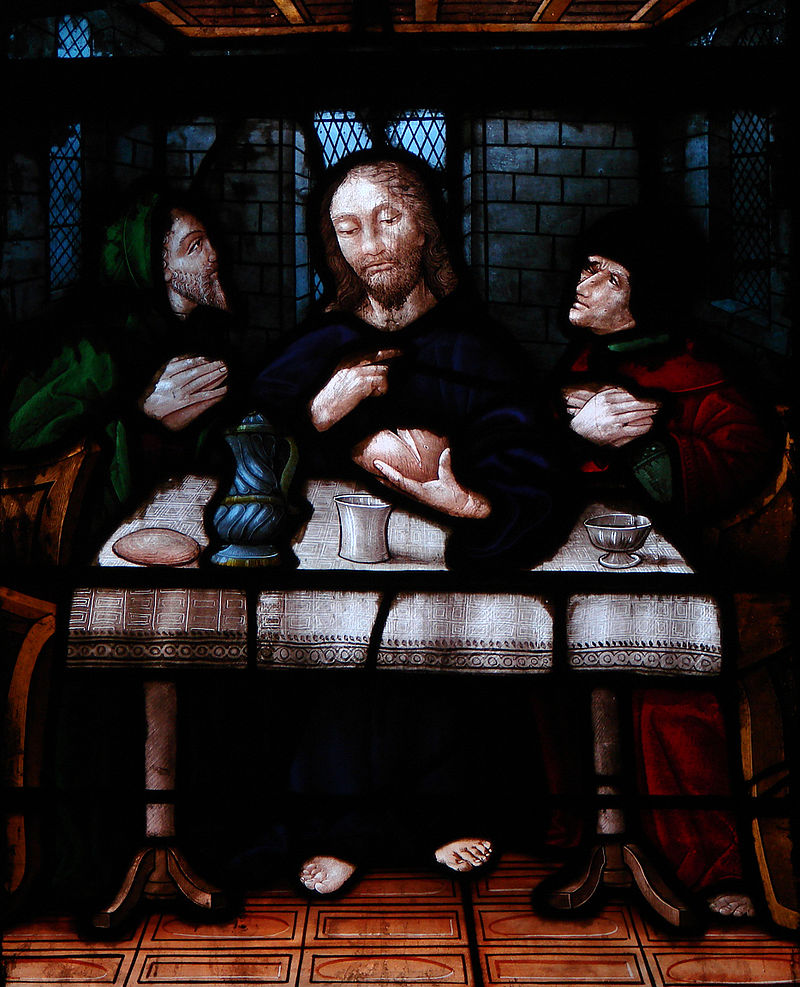
Anonymous artist, The Supper at Emmaus, stained glass window in the Auch cathedral (France)

As Cleopas and his friend so often, we walk along the road of our lives confused. We have difficulty solving our problems. We doubt our own ability to come up with the answers we need. Some people tell us to look into ourselves for the answers, as though we had a secret chamber someplace within us, or as early heretics would call it, a hidden gnosis, where all the answers to our questions can be found. This early heresy of the Church still continues in those who think they have all the answers within themselves. It is true that through baptism God dwells within us. It is also true that we need the gifts He gives us to find direction in our lives and, eventually, to help us understand His Life and His Kingdom. We need the gifts of Word and Sacrament. Sometimes we act as though we have all the answers to life. We do not! In fact, we don’t even know the correct questions to ask. So many people spend their lives seeking the answers to the wrong questions. For example, most people try to answer these questions: How can I become prosperous? How can I become rich? Their whole lives are spent chasing the illusion that happiness can be bought. If they are among the few who do become rich, what do they have to show for their lives? A bank account? A lot of stuff? Does that make a life successful? There is a reason why they do not put a luggage rack on a hearse. Another question that so many people spend their lives trying to answer is: How can I become better than everyone else? Again this is not a question that our lives should revolve around. We want to be the best person we can be, and that is very good, but when we start comparing ourselves to other people we can easily become arrogant and proud. «Look at that tax collector,» said the Pharisee in the Temple. «You know, Lord, that I am a lot better than him. I do lots of good things. Let me remind you in case your forgot.» But the tax collector merely beat his breast and said, «Have mercy on me a sinner.» Only he left justified.

When we devote our lives to answering the question “How can I be better than others?” whether it is better than others before God, a better parent than my neighbors, a better teacher than the guy or girl in the next classroom, a better priest than another man, etc., we are simply asking the wrong question, one that leads to arrogance. The question we need to ask is, How can I be a better person than I am? We think we have all the answers. We do not even know the right questions. Another questions we should be asking ourselves is one that we are secretly afraid to ask: How can I be different than what contemporary society claims is the norm? The norm of society tells Teens that drinking, taking drugs and doing things that belong in a marriage is all part of high school and college. The norm of society tells adults that cheating on their jobs, and in their marriages is part of life. The norm of society tells people not to get carried away and sacrifice too much of themselves to help others. It is difficult to ask, “How can I be different?” because none of us want to be different from everyone else. We want to fit in. It is a difficult question to ask, “How can I be different?” and, yet, that is what holiness is. To be holy is to be different, set apart for the Lord. There are many other questions we all need to ask ourselves, questions about how to be a good husband, wife, father, mother, Teen, child, priest, deacon, etc. We are not given the answers to our questions today, on Confused Sunday (I love this name!) But we are told where the answers can be found. Jesus led the disciples on the road to Emmaus to the Truth through Sacred Scripture. The Bible is not just the Good Book. It is the living and effective Word of God. We go to Scripture to seek the answers to our problems. We need to quietly meditate on Scripture and let the Word of God work on us.

Peace can be found in the middle of confusion when we are open to the second great gift presented in today’s Gospel, the Eucharist. Those disciples finally recognized Jesus in the Breaking of the Bread. They said to each other, «Were not our hearts on fire?» We may not have the answers to the profound questions of life, or even to the daily concerns of life, but we do know where peace is found. We cannot understand our world or even our lives, but as long as we have the Peace of Christ, our hearts and our minds will be guarded from all that can destroy our happiness. In Him alone we find our joy. If we stay united to the Lord in Word and Sacrament, we will never go wrong. We need to trust God and let that Peace which is beyond our understanding guide our lives. Then we will no longer be confused • AE


Fr Agustin´s Schedule for the Third Sunday of Easter

Saturday April 22, 2023

8.30 a.m. – 12.00 p.m. Sacrament of Reconciliation for CCD Children (Main church)

3.30 p.m. Sacrament of Reconciliation (Confessional)

5.00 p.m. Holy Mass

Sunday April 23, 2023

10.00 a.m. Holy Mass

12.30 p.m. Holy Mass

3.00 p.m. Sana Misa


Quédate Con Nosotros

Quédate con nosotros,
la tarde está cayendo.

¿Cómo te encontraremos
al declinar el día,
si tu camino no es nuestro camino?
Detente con nosotros;
la mesa está servida,
caliente el pan y envejecido el vino.

¿Cómo sabremos que eres
un hombre entre los hombres,
si no compartes nuestra mesa humilde?
Repártenos tu cuerpo,
y el gozo irá alejando
la oscuridad que pesa sobre el hombre.

Vimos romper el día
sobre tu hermoso rostro,
y al sol abrirse paso por tu frente.
Que el viento de la noche
no apague el fuego vivo
que nos dejó tu paso en la mañana.

Arroja en nuestras manos,
tendidas en tu busca,
las ascuas encendidas del Espíritu;
y limpia, en lo más hondo
del corazón del hombre,
tu imagen empañada por la culpa •

III Domingo de Pascua (Ciclo A)

La eucaristía no es sólo el centro de la liturgia cristiana. Es además la experiencia que vivida domingo tras domingo alimenta la vida del cristiano. El que come y bebe en esa cena, alimenta su vida de discípulo fiel de Cristo. En primer lugar, la eucaristía es acción de gracias a Dios por la vida y por la salvación que nos ofrece en su Hijo Jesucristo. Las palabras de acción de gracias, la estructura de todo el conjunto y el tono de toda la celebración contribuyen a vivir una experiencia intensa de alabanza y agradecimiento a Dios que no debe reducirse a ese momento cultual. La vida cotidiana de un cristiano ha de estar marcada por la acción de gracias. La eucaristía es, además, comunión con Cristo resucitado. Jesús no es una figura del pasado, alguien cada vez más lejano en el tiempo, sino el Señor de todos los tiempos que permanece vivo entre los suyos. Los cristianos no somos seguidores de un gran líder del pasado. La eucaristía nos enseña a vivir en comunión con un Cristo actual, acogiendo realmente hoy su espíritu y fuerza renovadora. La eucaristía es también escucha de las palabras de Jesús que son «espíritu y vida». Para un discípulo de Cristo, el evangelio no es un mero testamento literario o un texto fundacional. En la eucaristía nos reunimos para escuchar la palabra viva de Jesús que ilumina nuestra experiencia humana de hoy. Esa acción dominical nos invita a no vivir como ciegos, sin evangelio ni luz alguna. El cristiano vive alimentado por la Palabra de Jesús. La eucaristía es un acto comunitario por excelencia. Todos los domingos, los cristianos dejan sus hogares, se reúnen en una iglesia y forman comunidad visible de seguidores de Jesús. Todas las oraciones de la eucaristía se dicen en plural: invocamos, pedimos perdón, ofrecemos, damos gracias… siempre juntos. Los textos dicen que somos «familia», «pueblo» «Iglesia». No se nos debería olvidar. Los cristianos no somos individuos aislados que, cada uno por su cuenta, tratan de vivir el evangelio. Formamos una comunidad que quiere ser en el mundo testimonio e invitación a vivir de manera fraterna y solidaria. La cena de Jesús resucitado con sus discípulos en la aldea de Emaús es una invitación a reavivar nuestras eucaristías dominicales • AE


Second Sunday of Easter (2023)

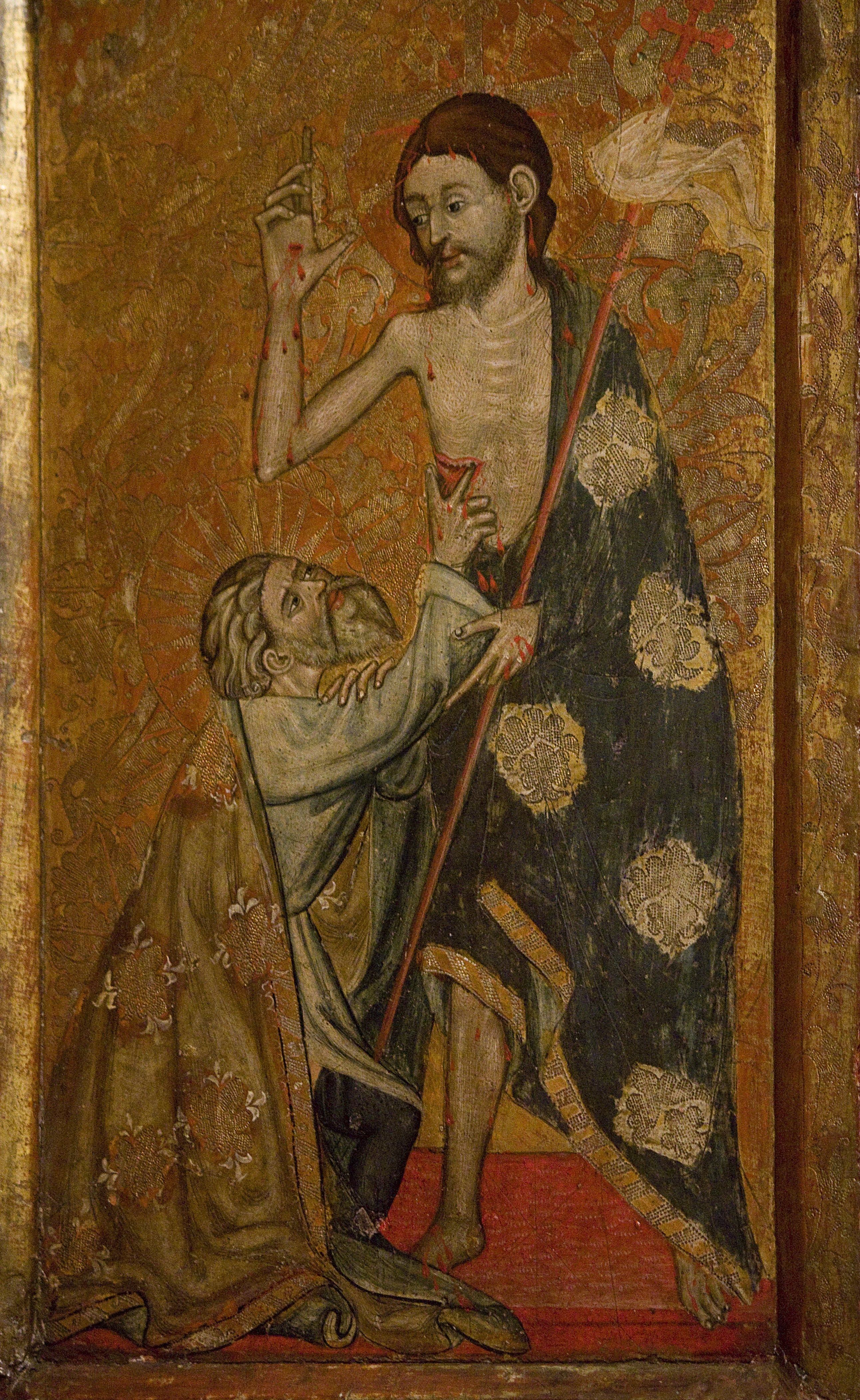
Anonymous Artist, The Incredulity of Saint Thomas, 15th century, Tempera on wood. Avila Cathedral, Avila, (Spain.)

The Second Sunday of Easter every year has the same Gospel: we usually call it the Gospel of Doubting Thomas. It is embarrassing to doubt. It is also human. We are all embarrassed when we go to Church and while we are there some thoughts fly through our mind, and we begin to doubt God’s very existence. We feel embarrassed because here we are before God, and yet we are still questioning Him. It is embarrassing, but it is also human to doubt. We will always doubt until the day we know, and that knowledge comes after the conclusion of our lives, when we see God face to face.

Let´s consider Thomas’ doubts. What if you or I were part of that intimate group Jesus called, but, like Thomas, were not in the room when Jesus first appeared to them after the resurrection. Would we have believed that bumbling fisherman, Peter, those scheming brothers, James and John, that former tax collector and thief, Matthew, that political nutcase, Simon the Zealot, or any of those guys? Probably not! For one thing, these same people, commoners all, believed that they would soon be princes in a new Kingdom. They were delusional. That was Thomas’s mistake. He could not get beyond the humanity of the other disciples. He was not considering that they were only saying what Jesus had said would happen: Jesus had said that He would die and rise again. If Thomas had believed the other disciples, he would have been able to see through their superficiality to the fact that Jesus had also picked them to establish the Kingdom of God. If he had not been held back by their humanity, he would have believed what they had to say about Jesus’ Divinity. So often we do the same thing. We miss the presence of Christ in others because all we can see is the mistakes they have made and not the good they are doing. Sometimes children and Teens do this when they consider their parents. A child or Teen might say, “How can Mom and Dad be so right about Jesus when they are so wrong about some other things? They lose their tempers, don’t behave like they tell us to behave, etc.” Sometimes parents do the same thing to their children. “How can he or she be so holy and demand to be allowed to come to Church, when we have had to put up with so many outbursts and tantrums?” All of us follow Thomas worst inclination: Thomas doubted because he could not get beyond the humanity of the others to see their pointing to Divinity among them. We need to stop focusing in on ourselves, and our mistakes and realize that God loves us as we are, frail human beings who need Him so much. God loves me unconditionally. God forgives me. God is with me. I can cross from doubt to faith when I reflect on the tremendous love that God has for me as I am, a frail human who trusts himself even less than he trusts others. It is not easy to take the step, the leap really, and trust in ourselves, trust in others and, ultimately, trust in God. When we are feeling remarkably human and are full of doubts, we need to say along with the man in the Gospel of Mark, “I do believe Lord, help me get over those parts of me that don’t believe.” And then we need to simply trust in our Father and leap into the loving arms of Divine Mercy • AE


Fr Agustin´s Schedule for the Second Sunday of Easter

Saturday April 15, 2023

9.00 a.m. Spiritual Retreat for CCD Children of St. Dominic Catholic Church (Main church)

3.30 p.m. Sacrament of Reconciliation (Confessional)

5.00 p.m. Holy Mass

Sunday April 16, 2023

7.30 a.m. Holy Mass

10.00 a.m. Holy Mass


La Bella Flor

La bella flor que en el suelo
plantada se vio marchita
ya torna, ya resucita,
ya su olor inunda el cielo.

De tierra estuvo cubierto,
pero no fructificó
del todo, hasta que quedó
en un árbol seco injerto.
Y, aunque a los ojos del suelo
se puso después marchita,
ya torna, ya resucita,
ya su olor inunda el cielo.

Toda es de flores la fiesta,
flores de finos olores,
más no se irá todo en flores,
porque flor de fruto es ésta.
Y, mientras su Iglesia grita
mendigando algún consuelo,
ya torna, ya resucita,
ya su olor inunda el cielo.

Que nadie se sienta muerto
cuando resucita Dios,
que, si el barco llega al puerto,
llegamos junto con vos.
Hoy la cristiandad se quita
sus vestiduras de duelo.
Ya torna, ya resucita,
ya su olor inunda el cielo.


II Domingo de Pascua (2023)

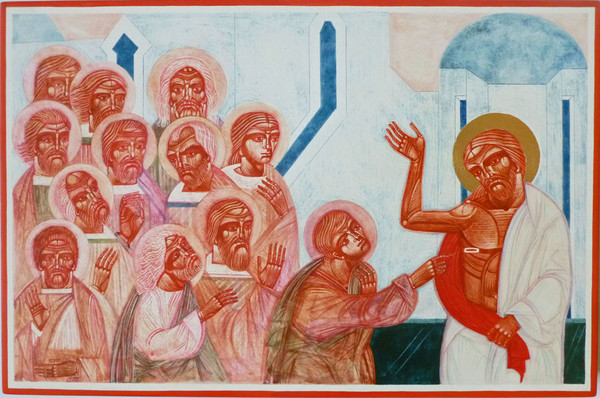
Ulyana Tomkevych, Jesús se aparece a los apóstoles, tempera sobre madera.

Aterrados por la ejecución de Jesús, los discípulos están, sí reunidos, pero en realidad escondidos. Jesús no está con ellos. En la comunidad hay un vacío que nadie puede llenar. Les falta Jesús. ¿A quién seguirán ahora? ¿Qué podrán hacer sin él? Está anocheciendo en Jerusalén y también en el corazón de los discípulos. Dentro de la casa, están con las puertas cerradas. Es una comunidad sin misión y sin horizonte, encerrada en sí misma, sin capacidad de acogida. Nadie piensa ya en salir por los caminos a anunciar el reino de Dios y curar la vida. Con las puertas cerradas no es posible acercarse al sufrimiento de las gentes. Los discípulos están llenos de miedo a los judíos. Es una comunidad paralizada por el miedo, en actitud defensiva. Solo ven hostilidad y rechazo por todas partes. Con miedo no es posible amar el mundo como lo amaba Jesús, ni infundir en nadie aliento y esperanza. De pronto, Jesús resucitado toma la iniciativa. Viene a rescatar a sus seguidores. Entra en la casa y se pone en medio de ellos. La pequeña comunidad comienza a transformarse. Del miedo pasan a la paz que les infunde Jesús. De la oscuridad de la noche pasan a la alegría de volver a verlo lleno de vida. De las puertas cerradas van a pasar pronto a la apertura de la misión. Jesús les habla poniendo en aquellos pobres hombres toda su confianza: “Como el Padre me ha enviado, así también os envío yo”. No les dice a quién se han de acercar, qué han de anunciar ni cómo han de actuar. Ya lo han podido aprender de él por los caminos de Galilea. Serán en el mundo lo que ha sido él. Jesús conoce la fragilidad de sus discípulos. Muchas veces les ha criticado su fe pequeña y vacilante. Necesitan la fuerza de su Espíritu para cumplir su misión. Por eso hace con ellos un gesto especial. No les impone las manos ni los bendice como a los enfermos. Exhala su aliento sobre ellos y les dice: “Recibid el Espíritu Santo”. Solo Jesús salvará a la Iglesia. Solo él nos liberará de los miedos que nos paralizan, romperá los esquemas aburridos en los que pretendemos encerrarlo, abrirá tantas puertas que hemos ido cerrando a lo largo de los siglos, enderezará tantos caminos que nos han desviado de él. Lo que se nos pide es reavivar mucho más en toda la Iglesia la confianza en Jesús resucitado, movilizarnos para ponerlo sin miedo en el centro de nuestras parroquias y comunidades, y concentrar todas nuestras fuerzas en escuchar bien lo que su Espíritu nos está diciendo hoy a sus seguidores y seguidoras • AE


Quia surrexit Dominus vere, alleluia!

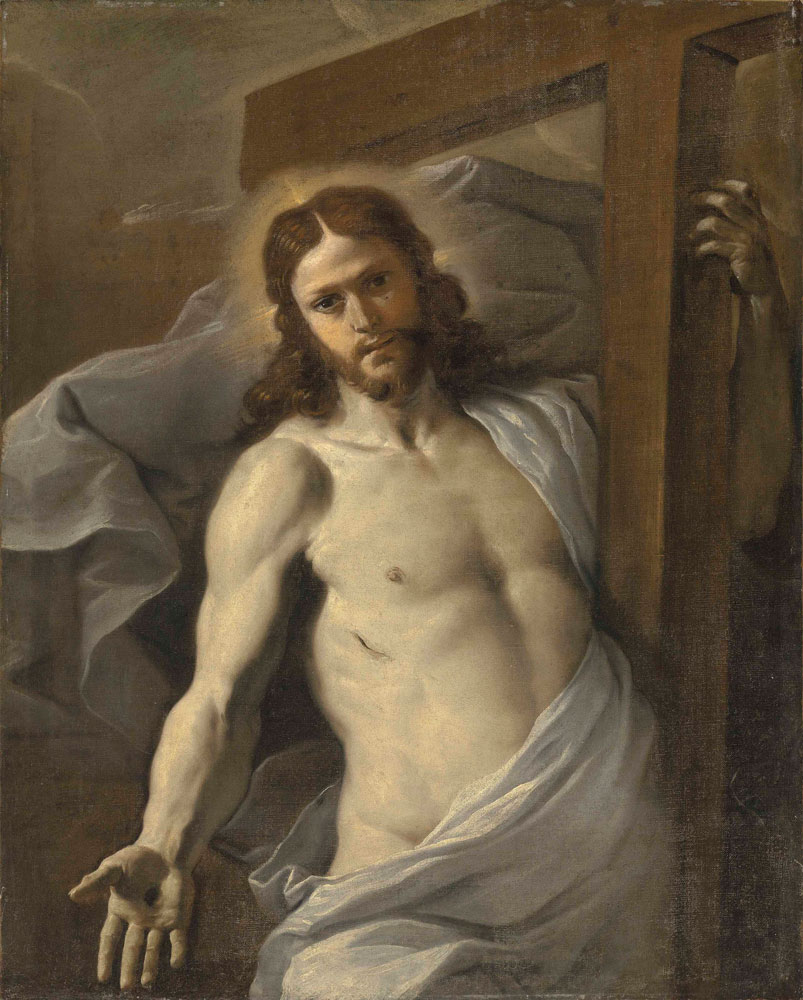
Mattia Preti, The Risen Christ, Oil on canvas, Christie’s (London)


The Resurrection of the Lord (2023)

Unknown author, Christ Appearing to Mary Magdalene as a Gardener (Noli me tangere) (1504), illuminated manuscript, National Library of Wales

According to the gospel reading, Mary Magdalen is the first to discovers that the tomb is empty. She is missing Jesus. She really wants to see again her Master whom she had faithfully followed to the end. Who will she follow now? So, she cries: «They have taken the Lord from the tomb, and we do not know where they have put him»[1]. We don’t know where they have put him. These words of Mary Magdalen express so well our feelings in our time: What have we done with Jesus?  Who has taken him?  Where have we put him?  The Lord in whom we believe… is He a Christ full of life, or a Christ whose memory is disappearing from hearts? More than ever is urgent to seek Jesus, and at the same time we cannot look for more «evidence» to believe more firmly.  We cannot rely only into the Magisterium of the Church to find answers. It is useless to look only into the sermons or speeches of scholars, or Bible experts. To meet the Risen Lord, it is necessary to have a daily and personal communication with Him. This morning we only hear the first part of the narrative of resurrection, I challenge you to read the second part, because there you will see how Mary Magdalen is from one place to another looking for her Master. That is what we should do: Searching without rest. Maybe it happens that we do not see Him, or we do not recognize Him, but we can be sure that he will be shown. At some point Mary thinks he is the landscape gardener. And then Jesus asks two questions. Only two. «Woman, why are you crying? Whom are you looking for? »[2]. Well, today is the right time to ask ourselves similar questions: What is it that I am looking for so anxious? Where is the origin of my sadness? What does my heart really want? Mary Magdalene does not recognize Jesus Because she is focused on her own pain, on her own problems, and its right there when Jesus calls her by name, and he does it with tenderness and affection, «Mary! », he says, and she responded quickly: «Rabbuni, Teacher». Mary Magdalen recognizes Jesus when she feels personally called by him. This is the point! Two thousand years later, the Lord continues doing exactly the same: calling each of us personally. Calling us by name. He did it at the day of our Baptism. He does it at the Sacrament of Confession. And he keeps calling us by name at Holy Communion. It is easter Sunday. Today we have a wonderful opportunity to renew our faith; to recover our commitment; to restore our covenant of love with Him. Today is a great chance to tell the Lord that despite our fatigue, boredom, our sins… we want to keep walking; we want to keep trying; we want to do our best to be with Him. So, today let us ask the Lord for one gift. Only one: A brave, passionate heart like the one of Mary Magdalen.  She searched and searched for Jesus, until she found him, and then she announced him to others. That is the model of the Christian: a man, a woman, who constantly seeks Christ, and when he or she finds Him, he speaks of Him to others. We are invited to do the same. We have already found the Lord here, in the celebration of the Eucharist, in listening to His Word.  What else should we do? We must continue to seek him in ordinary life; in the tasks of each day; in the stuff what we usually do, and for this we need a passionate, burning heart, and clear eyes. So, let us ask for this exactly: May ay the Lord Jesus give us a heart on fire, full of determination, full of love, so like Mary Magdalen, we can recognize Him every day of our lives and in all situations: in joy, in pain, in sadness, in success, in family life. In everything and always. And let us not forget the other Mary. The Mother of the Lord. Mary was the only light that remained lit in the Passion. That is why we call her: «Our Life, our sweetness and our hope». May she also intercede for us today. Happy Easter to you all • AE

[1] Cf Jn 20:1-9. [2] Id., 20: 15


EASTER SUNDAY OF THE RESURRECTION OF THE LORD (APRIL 9, 2023)

7.30 a.m. Fr. Mike Horan

10.00 a.m. Fr. Mike Horan

12.30 p.m. Fr. Agustin Estrada

3.00 p.m. Fr. Agustin Estrada


La bella flor que en el suelo
plantada se vio marchita
ya torna, ya resucita,
ya su olor inunda el cielo.

De tierra estuvo cubierto,
pero no fructificó
del todo, hasta que quedó
en un árbol seco injerto.
Y, aunque a los ojos del suelo
se puso después marchita,
ya torna, ya resucita,
ya su olor inunda el cielo.

Toda es de flores la fiesta,
flores de finos olores,
más no se irá todo en flores,
porque flor de fruto es ésta.
Y, mientras su Iglesia grita
mendigando algún consuelo,
ya torna, ya resucita,
ya su olor inunda el cielo.

Que nadie se sienta muerto
cuando resucita Dios,
que, si el barco llega al puerto,
llegamos junto con vos.
Hoy la cristiandad se quita
sus vestiduras de duelo.
Ya torna, ya resucita,
ya su olor inunda el cielo •


Domingo de Pascua (2023)

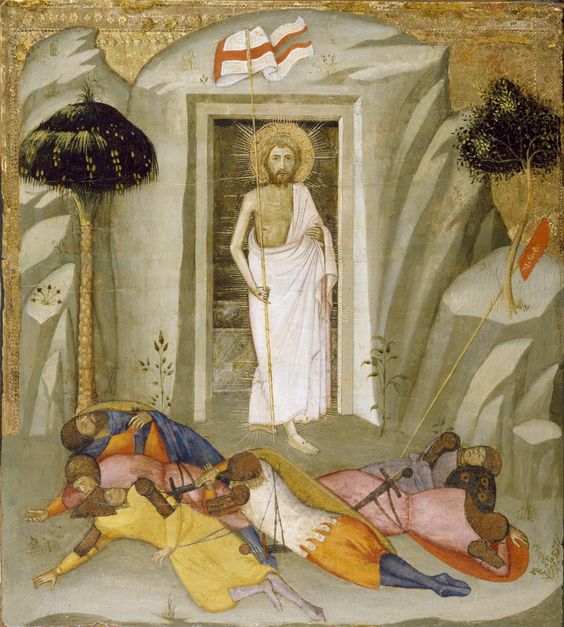
Andrea di Bartolo, La Resurrección (1390), óleo sobre madera, Museo de Arte Walters (Baltimore)

Según el relato de Juan, María de Magdala es la primera que va al sepulcro, cuando todavía está oscuro, y descubre desconsolada que está vacío ¡Le falta Jesús! El Maestro que la había comprendido y curado. El Profeta al que había seguido fielmente hasta el final. ¿A quién seguirá ahora? Así se lamenta ante los discípulos: «Se han llevado del sepulcro al Señor y no sabemos dónde lo han puesto». Estas palabras de María podrían expresar la experiencia que viven hoy no pocos cristianos: ¿Qué hemos hecho de Jesús resucitado? ¿Quién se lo ha llevado? ¿Dónde lo hemos puesto? El Señor en quien creemos, ¿es un Cristo lleno de vida o un Cristo cuyo recuerdo se va apagando poco a poco en los corazones? Es un error que busquemos «pruebas» para creer con más firmeza. No basta acudir al magisterio de la Iglesia. Es inútil indagar en las exposiciones de los teólogos. Para encontrarnos con el Resucitado es necesario, ante todo, hacer un recorrido interior. Si no lo encontramos dentro de nosotros, no lo encontraremos en ninguna parte. Juan describe, un poco más tarde, a María corriendo de una parte a otra para buscar alguna información. Y, cuando ve a Jesús, cegada por el dolor y las lágrimas, no logra reconocerlo. Piensa que es el encargado del huerto. Jesús solo le hace una pregunta: «Mujer, ¿por qué lloras? ¿a quién buscas?». Tal vez hemos de preguntarnos también nosotros algo semejante. ¿Por qué nuestra fe es a veces tan triste? ¿Cuál es la causa última de esa falta de alegría entre nosotros? ¿Qué buscamos los cristianos de hoy? ¿Qué añoramos? ¿Andamos buscando a un Jesús al que necesitamos sentir lleno de vida en nuestras comunidades? Según el relato, Jesús está hablando con María, pero ella no sabe que es Jesús. Es entonces cuando Jesús la llama por su nombre, con la misma ternura que ponía en su voz cuando caminaban por Galilea: «¡María!». Ella se vuelve rápida: «Rabbuní, Maestro». María se encuentra con el Resucitado cuando se siente llamada personalmente por él. Es así. Jesús se nos muestra lleno de vida, cuando nos sentimos llamados por nuestro propio nombre, y escuchamos la invitación que nos hace a cada uno. Es entonces cuando nuestra fe crece. No reavivaremos nuestra fe en Cristo resucitado alimentándola solo desde fuera. No nos encontraremos con él, si no buscamos el contacto vivo con su persona. Probablemente, es el amor a Jesús conocido por los evangelios y buscado personalmente en el fondo de nuestro corazón, el que mejor puede conducirnos al encuentro con el Resucitado • AE


Holy Saturday (2023)

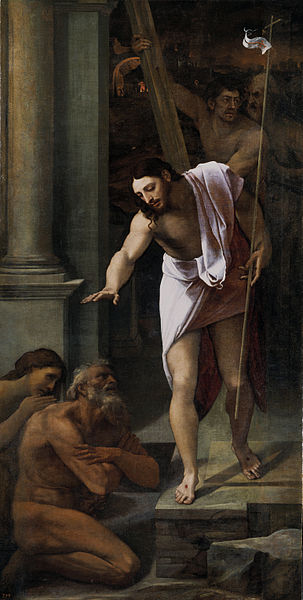
S. del Piombo, Descent of Christ into Limbo (1516), oil on canvas, Museo Nacional del Prado (Madrid)

«What is happening? Today there is a great silence over the earth, a great silence, and stillness, a great silence because the King sleeps; the earth was in terror and was still, because God slept in the flesh and raised up those who were sleeping from the ages. God has died in the flesh, and the underworld has trembled. Truly he goes to seek out our first parent like a lost sheep; he wishes to visit those who sit in darkness and in the shadow of death. He goes to free the prisoner Adam and his fellow-prisoner Eve from their pains, he who is God, and Adam’s son. The Lord goes in to them holding his victorious weapon, his cross. When Adam, the first created man, sees him, he strikes his breast in terror and calls out to all: ‘My Lord be with you all.’ And Christ in reply says to Adam: ‘And with your spirit.’ And grasping his hand he raises him up, saying: ‘Awake, O sleeper, and arise from the dead, and Christ shall give you light. ‘I am your God, who for your sake became your son, who for you and your descendants now speak and command with authority those in prison: Come forth, and those in darkness: Have light, and those who sleep: Rise. ‘I command you: Awake, sleeper, I have not made you to be held a prisoner in the underworld. Arise from the dead; I am the life of the dead. Arise, O man, work of my hands, arise, you who were fashioned in my image. Rise, let us go hence; for you in me and I in you, together we are one undivided person. ‘For you, I your God became your son; for you, I the Master took on your form; that of slave; for you, I who am above the heavens came on earth and under the earth; for you, man, I became as a man without help, free among the dead; for you, who left a garden, I was handed over to Jews from a garden and crucified in a garden. ‘Look at the spittle on my face, which I received because of you, in order to restore you to that first divine inbreathing at creation. See the blows on my cheeks, which I accepted in order to refashion your distorted form to my own image. ‘See the scourging of my back, which I accepted in order to disperse the load of your sins which was laid upon your back. See my hands nailed to the tree for a good purpose, for you, who stretched out your hand to the tree for an evil one. `I slept on the cross and a sword pierced my side, for you, who slept in paradise and brought forth Eve from your side. My side healed the pain of your side; my sleep will release you from your sleep in Hades; my sword has checked the sword which was turned against you. ‘But arise, let us go hence. The enemy brought you out of the land of paradise; I will reinstate you, no longer in paradise, but on the throne of heaven. I denied you the tree of life, which was a figure, but now I myself am united to you, I who am life. I posted the cherubim to guard you as they would slaves; now I make the cherubim worship you as they would God. “The cherubim throne has been prepared, the bearers are ready and waiting, the bridal chamber is in order, the food is provided, the everlasting houses and rooms are in readiness; the treasures of good things have been opened; the kingdom of heaven has been prepared before the ages.»

From the Office of Readings from the Liturgy of the Hours.

An Ancient Homily For Holy Saturday


Sábado Santo (2023)

Venid al huerto, perfumes,

enjugad la blanca sábana:

en el tálamo nupcial

el Rey descansa.

Muertos de negros sepulcros,

venid a la tumba santa:

la Vida espera dormida,

la Iglesia aguarda.

Llegad al jardín, creyentes,

tened en silencio el alma:

ya empiezan a ver los justos

la noche clara.

Oh dolientes de la tierra,

verted aquí vuestras lágrimas;

en la gloria de este cuerpo

serán bañadas.

Salve, cuerpo cobijado

bajo las divinas alas,

salve, casa del Espíritu,

nuestra morada. Amén •

Himno del Oficio de Laudes

de la Liturgia de las Horas para el Sábado Santo