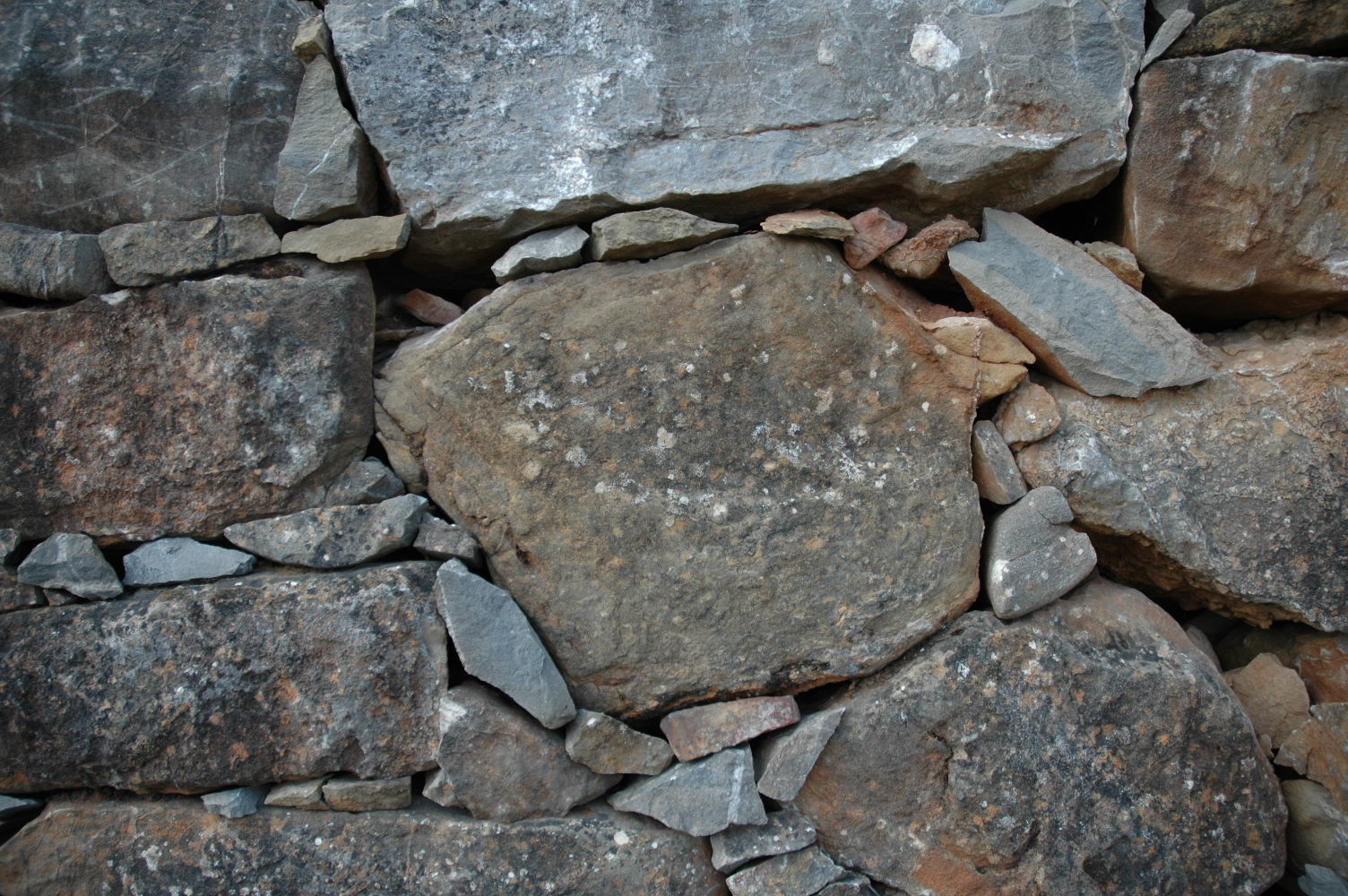
In today’s second reading St. Peter talks about rocks. He first says that Jesus is a stone, a rock, but not an inanimate mineral. He says that Jesus is a living rock. How can a rock be alive? That must have seemed absurd to the people who first heard or read this. Peter makes an even seemingly crazier assertion: not only is Jesus a living stone, but his followers are also called to be living stones. What does Peter mean by this? Or, more properly, what is the Holy Spirit saying through Peter? When Peter called Jesus the living stone, he particularly referred to the cornerstone of the building, the stone that unites all the other stones. We are called to be living stones, stones that unite all other stones together to form the Building of the Lord, the Church. We are living stones. We have Dignity. We have received dignity from the Lord. We have been chosen by God. We are the building that is the church.
Like our Lord our lives have to be intertwined with all those around us. The cornerstone connects the walls of a building. It supports the walls. We have to be people who connect others to God. We have to be people who support others. Our Christian charity is a statement of who we are. We are followers of the One who is the Living Rock. As living rocks ourselves we support and strengthen each other and all others. The Church is the building of the spirit of God. We are the Church. Jesus is the great high priest who was rejected by the status quo and thrown out of the Temple. He was crucified outside the city. We are rejected by the intellectually arrogant atheists who control so much of our media and society. We are thrown out of the City of Man and laughed at as naive remnants of an ignorant age. But we remain here in the City of God. We are a holy priesthood, people carrying on the priestly ministry by making God present to others and others present to God. What dignity we have! We have the dignity of Jesus Christ. We need to walk through this world with our heads held up high. We need to proclaim to all the people of the world that the gifts of the Father, the special place set aside for his followers, is offered also to them. We cannot be pet rocks that really do nothing. No, we are called to be the living stones of an eternal home • AE

Fr Agustin´s Schedule for the Fifth Sunday of Easter of 2023

Saturday May 6
3.30 p.m. Sacrament of Reconciliation (Confessional)
5.00 p.m. Holy Mass
Sunday May 7
10.00 a.m. Holy Mass
12.30 p.m. Holy Mass
3.00 p.m. Santa Misa
V Domingo del Tiempo de Pascua (Ciclo A)
Los cristianos de la primera y segunda generación probablemente no llegaron a pensar que con ellos estaba naciendo una religión. De hecho, no sabían con qué nombre designar a aquel movimiento que iba creciendo de manera insospechada. Todavía vivían impactados por el recuerdo de Jesús al que sentían vivo en medio de ellos. Por eso los grupos que se reunían en ciudades como Corinto o Éfeso comenzaron a llamarse «iglesias», es decir, comunidades que iban creciendo y haciéndose fuertes en una misma fe, la fe en Jesús. En otras partes, al cristianismo lo llamaban «el camino». La (preciosa) Carta a los hebreos dice que es un «camino nuevo y vivo» para enfrentarse a la vida. El camino inaugurado por Jesús y que hay que recorrer con los ojos fijos en él. De esto no hay duda alguna. Para estos primeros creyentes, el cristianismo no era propiamente una religión sino una forma nueva de vivir. Lo primero para ellos no era vivir dentro de una institución religiosa, sino aprender juntos, a vivir como Jesús o con el estilo de vida de Jesús en medio del imperio Romano. Ahí estaba su fuerza. Esto era lo que podían ofrecer a todos. De ahí podríamos entender mejor las palabras que el evangelista pone boca del Señor: «Yo soy el camino, la verdad y la vida». Este es el punto de arranque del cristianismo. Cristiano es un hombre o una mujer que en Jesús va descubriendo el camino más acertado para vivir, la verdad más segura para orientarse, el secreto más esperanzador de la vida. Este camino es muy concreto. De poco sirve sentirse conservador o declararse progresista. La opción que hemos de hacer es otra. O nos organizamos la vida a nuestra manera, o aprendemos a vivir desde Jesús. O es blanco, o es negro, en realidad no hay gris. Es preciso elegir: Indiferencia hacia los que sufren, o compasión bajo todas sus formas. Sólo bienestar para mí y los míos, o un mundo más humano para todos. Intolerancia y exclusión de quienes son diferentes, o actitud acogedora hacia todos. Olvido de Dios, o comunicación confiada en el Padre de todos. Fatalismo y resignación o esperanza última para la creación entera. Son muchas las preguntas y solo una es la respuesta: Jesucristo, Camino, Verdad y Vida • AE

 LA MEDITACION DE LA ESPOSA