
Today I am going to write about a complicated topic. And I’m also going to spread a little more than usual. I am going to talk about a real concern we are experiencing in the twenty-first century Roman Catholic Church. This concern confuses our children. This concern steers people away when they want to inquire about the Church. The concern is the negative things that are written or said about Pope Francis, and many of the leaders of the Church, particularly the Bishops of the United States. How could God let this happen? People need to put their faith in the Church. How could God allow some who claim to be the real Catholics continually discredit Pope Francis, bishops who are not radical conservatives, the American Church, and so forth? This is a real problem, and it is horrible. I hear confessions. It is not infrequent to hear people confess that they were uncharitable in something they said about the Holy Father and then add, “Even though he is a heretic.” I don’t let them get away with that. I’ll ask, “What? Where are you getting that from?” “Well, Father, I read this in a highly respected blog.” “Highly respected by whom?,” I ask, “the devil?” Pope Francis is the legitimate pope. He was choose by the cardinals who met in conclave. Our Holy Father is doing his best to focus the Church on its mission to the poor. He is calling on us to join him in continuing the work of Jesus Christ. Yet, many people criticize him for this. Pope Francis wrote in the encyclical Laudato Si about the obligation we have to care for God’s gift of creation and to preserve it for future generations. And for this some treat him as an idealistic tree hugger. Pope Francis reminds Catholics of his predecessor’s teachings on social justice, Leo XIII’s Rerum Novarum, Of New Things, Pius XI’s Quadragesimo Anno, Forty Years from Rerum Novarum, St. John XXIII’s Mater and Magister, Mother and Teacher, St. Paul VI’s Populorum Progressio, On the Progress of People, St. John Paul II’s Laborem Exercens, Through Work, and his Sollicitudo Rei Socialis, the Social Concerns of the Church. Pope Francis has called for an emphasis on Catholic social teaching. For that some so called super Catholics call him a Communist. Who do these people think they are? What right do they have to disrupt the People of God, the Church. Don’t they realize that they are confusing our children and driving inquirers away from the Church. Don’t they realize that they are doing the work of the devil? Why do we have to put up with these weeds among our wheat? We have to put up with them because many who join in on the blasphemy against the Church are not in their hearts bad people, just misguided people. “Give them time,” the Lord says in the parable of the Weeds among the Wheat.” “By their fruit we will know them,” he says. In time those who are really committed to the faith will produce good fruit, people who are supportive of the work of the Church. And those who are doing the work of the devil will have no fruit to show for their lives.
Going back to my opening question: “Why does God let this happen? Why does he allow people who claim to be real Catholics discredit the Catholic Church?” God is aware of the evil in our world. Evil is the price of freedom. If mankind did not have the ability to choose between good and bad, he wouldn’t be free. The choice of bad effects all people, but it is the price of having the ability to choose good. The farmer does not refuse to plant because he might find weeds among the wheat. He plants knowing that the result might not be perfect, but there will be wheat. God created man with the ability to bear fruit. That also gave him the ability not to bear fruit. We call out to God in times of evil. Like the blood of the martyrs under the altar in the Book of Revelation we ask, «How long, O Lord until you vindicate your people.» The Lord responds that he recognizes our suffering and suffers with us, but He will give others time to choose Him and also to be numbered among his wheat. God sees the weeds among the wheat. He also sees the wheat among the weeds. Good people will turn from calumnies against the Holy Father and the Church. So where does this leave us? What are we to do when we hear people saying negative things about Pope Francis or about the Bishops of the United States, or about the universal Church? Should we just ignore them? No, we should stand up for what is right and true. We are Roman Catholic. We should let those critics know that we stand with the teaching of the Bishop of Rome. We are called to till the soil of the Lord. We are called to bring forth fruit. We can’t allow evil to exist when we come upon it. The confusion caused by those who would attack the Church and her ministers must be answered with humility, prayer and with faith that the Lord who sees all will in the wisdom of His time remove the weeds from the wheat • AE

Music for summer reading
St. Dominic Catholic Church
Sixteenth Sunday in Ordinary Time

Saturday July 22, 2023
2.30 p.m. Sacrament of Matrimony for Joshua & Misty (Fr. Agustin)
4.00 p.m. Sacrament of Reconciliation (Confessional) Fr. Agustin
5. 00 p.m. Fr. Agustin
Sunday July 23, 2023
7.30 a.m. Fr. Jaime
10.00 a.m. Fr. Jaime
12.30 p.m. Fr. Agustin
3.00 p.m. Fr. Agustin (Misa en Español)
XVI Domingo del Tiempo Ordinario (Ciclo A)
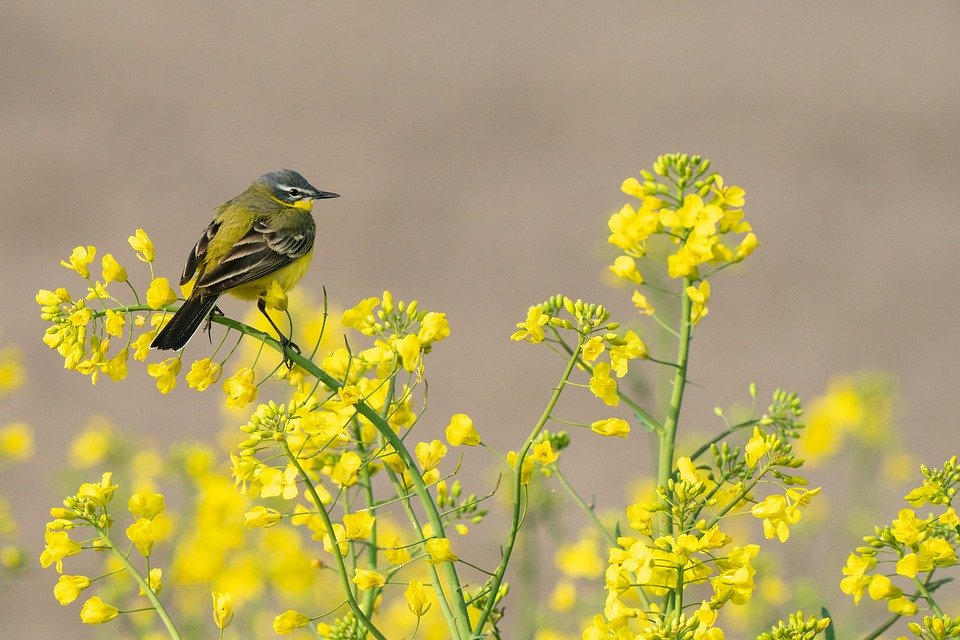
Por lo general, tendemos a buscar a Dios en lo espectacular y prodigioso, no en lo pequeño e insignificante. Por eso, les resultaba difícil a quienes le escuchaban creer a Jesús cuando decía que Dios estaba ya actuando en el mundo. ¿Dónde se podía sentir su poder? ¿Dónde estaban esas señales extraordinarias de las que hablaban los escritores apocalípticos? Jesús tuvo que enseñarles a captar la presencia salvadora de Dios de otra manera. Les descubrió su gran convicción: la vida es más que lo que se ve. Mientras vamos viviendo de manera distraída sin captar nada especial, algo misterioso está sucediendo en el interior de la vida. Con esa fe vivía Jesús. No podemos experimentar nada extraordinario, pero Dios está trabajando el mundo. Su fuerza es irresistible. Se necesita tiempo para ver el resultado final. Se necesita, sobre todo, fe y paciencia para mirar la vida hasta el fondo e intuir la acción secreta de Dios. Tal vez, la parábola que más los sorprendió fue la de la semilla de mostaza. Es la más pequeña de todas, como la cabeza de un alfiler, pero con el tiempo se convierte en un hermoso arbusto. Por abril, todos pueden ver bandadas de jilgueros cobijándose en sus ramas. Así es el reino de Dios. El desconcierto tuvo que ser general. No hablaban así los profetas. Ezequiel lo comparaba con un cedro magnífico, plantado en una montaña elevada y excelsa que echaría un ramaje frondoso y serviría de cobijo a todos los pájaros y aves del cielo. Para Jesús, la verdadera metáfora de Dios no es el cedro que hace pensar en algo grandioso y poderoso, sino la mostaza que sugiere lo pequeño e insignificante. Para seguir a Jesús no hay que soñar en cosas grandes. Es un error que quienes nos decimos sus seguidores busquemos una Iglesia poderosa y fuerte, que se imponga sobre los demás. El ideal no es el cedro encumbrado sobre una montaña alta, sino el arbusto de mostaza que crece junto a los caminos y acoge a los pajarillos que no valen nada (¡nada según los criterios humanos!). Dios no está en el éxito, el poder o la superioridad. Tampoco en los bordados en oro, los encajes y los cálices cuajados de pedrería. Para descubrir su presencia salvadora, hemos de estar atentos a lo pequeño, lo ordinario y cotidiano. La vida no es sólo lo que se ve. Es mucho más. Así pensaba Jesús • AE

¿Qué leer en verano?
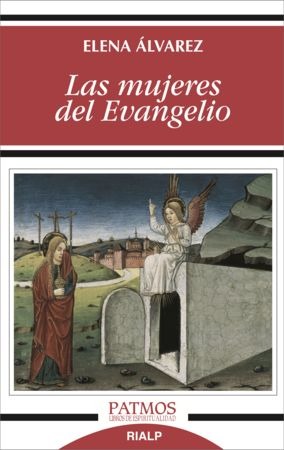

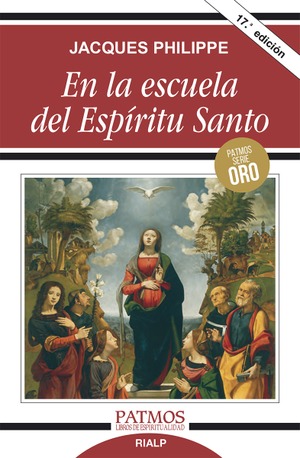
 LA MEDITACION DE LA ESPOSA