

Sometimes we look for the Lord with pre-conceived notions of how He should appear. We expect to find God in a powerful manifestation of His presence. Sometimes we are so concerned with finding Him in a mighty display of natural events that we miss His presence in the tiny whispering voice of faith. We seek the Lord in powerful miracles, and we miss hearing His voice in our children, our family or our church community. We have to stop determining how God should be and simply be open to His presence wherever He is, in others and even in ourselves. We have to let God be God: mysterious, loving, present in more ways than we could ever understand. We have all heard people say, «I come to Church, but I get nothing out of it.» Maybe we have all said that at times, or at least felt that way. Well, if we have received the Eucharist, then we have received infinitely more than we could know or appreciate. But people might say, “I know that, but I still often leave Mass feeling an emptiness.” The problem is that we are deciding how God should be present during the Mass instead of opening ourselves to the many ways that He is manifesting Himself. Maybe we are looking for feelings of spiritual satisfaction. But, perhaps, today God might not be in the fire–or in warm fuzzies. Maybe we are seeking an answer to one of our problems. But, perhaps, today the Lord might not be in the earthquake–or in instant solutions to our difficulties. Maybe we are looking for a new insight into our lives, but perhaps today the Lord may not be in the wind–He might not be breaking the boulders of our self-perception. But the Lord is still there. He is always with us. We might not know where, but He is there. For there is a small voice that says He is the reason for everything around us in Church and in our world, from the crucifix over the altar, to the Word of God proclaimed, to the Eucharist we share, to the blessing we ask for over our food, to the morning prayers and evening prayers we say and the bedtime prayers with the children, to the wonders of every person God has ever created, to the beauty of his babies, to the marvels of nature. Everything radiates the Presence of God. He is within each of us, loving us as individuals and uniting us into the community of love. If we come to Mass and claim we are not getting anything out of it, if we go through life claiming that we cannot find God, it is because we are looking for God where we expect Him to be, not where He is. How is it that Elijah heard the tiny whispering sound in the middle of the roar of the wind, the crashing of rocks, the earthquake, the fire? He settled himself down; he suppressed his own expectations, and he let God speak to Him as God chose to speak to Him. There is noise around us. We are so accustomed to it that we don’t even notice it. We may be living near a busy road, but we tend to tune out the traffic, but we don’t make as much of an effort to tune out the internal noise. We let our thoughts ramble in prayer. We let our minds fly attempting to solve a problem. We need to quiet ourselves down. We need to free ourselves for quiet time. We need to make a prayer space in our homes or in our rooms, a space where we can just focus in on God. This is more than freedom from external noise. We need to allow ourselves to experience the internal quiet and peace that comes from being in the Presence of God. That is the simple message of today’s first reading. God is present for each of us. He speaks to each of us. We just need to do a better job listening to Him • AE

St. Dominic Catholic Church
Nineteenth Sunday in Ordinary Time

Saturday August 12, 2023.
3.00 p.m. Sacrament of Reconciliation (Confessional) Fr. Agustin
5. 00 p.m. Installation Mass for Fr. Jaime Paniagua presided by
Archbisop Gustavo Garcia-Siller, M.Sp.S.
Sunday August 13, 2023
7.30 a.m. Mass Fr. Jaime
10.00 a.m. Mass Fr. Jaime
12.30 p.m. Mass Fr. Agustin
3.00 p.m. Misa en Español Fr. Agustin
XIX Domingo del Tiempo Ordinario (Ciclo A)

Artista anónimo, Jesús y Pedro caminando sobre el agua (1433), manuscrito armenio.
Son muchos los creyentes que estos últimos años se han sentido a la intemperie y como desamparados en medio de una crisis y confusión general. Los pilares en los que tradicionalmente se apoyaba su fe se han visto sacudidos violentamente desde sus raíces. La autoridad de la Iglesia, la infalibilidad del Papa, el magisterio de los Obispos, ya no pueden sostenerlos en sus convicciones religiosas. Un lenguaje nuevo y desconcertante ha llegado hasta sus oídos creando un malestar y una confusión antes desconocidos. La falta de unidad en los mismos sacerdotes y hasta en los Obispos les ha sumido en el desconcierto. Con mayor o menor sinceridad muchos se preguntan a quién deben creer, a quién escuchar, qué moral hay que seguir. Y muchos son los que al no poder responder a estas preguntas con la certeza de otros tiempos, tienen la sensación de estar perdiendo la fe. Es importante no confundir nunca la fe con la mera afirmación teórica de unas verdades o principios. Ciertamente, la fe implica una visión de la vida y una peculiar concepción del hombre, su tarea y su destino último. Pero ser creyente es algo mucho más profundo, y más radical. Y consiste, antes que nada, en una apertura confiada a Jesucristo como sentido último de toda nuestra vida, criterio definitivo de nuestro amor a los hermanos, y esperanza última de nuestro futuro. Por eso, se puede ser verdadero creyente y no ser capaz de formular con certeza determinados aspectos de la concepción cristiana de la vida. Y se puede también afirmar con seguridad absoluta los diversos dogmas cristianos y no vivir entregados a Dios en actitud de fe. San Mateo nos ha descrito la verdadera fe al presentar a Pedro que caminaba sobre el agua acercándose a Jesús. Eso es creer. Caminar sobre el agua y no sobre tierra firme. Apoyar nuestra existencia en Dios y no en nuestras propias razones, argumentos y definiciones. Vivir sostenidos no por nuestra seguridad, sino por nuestra confianza en Él • AE
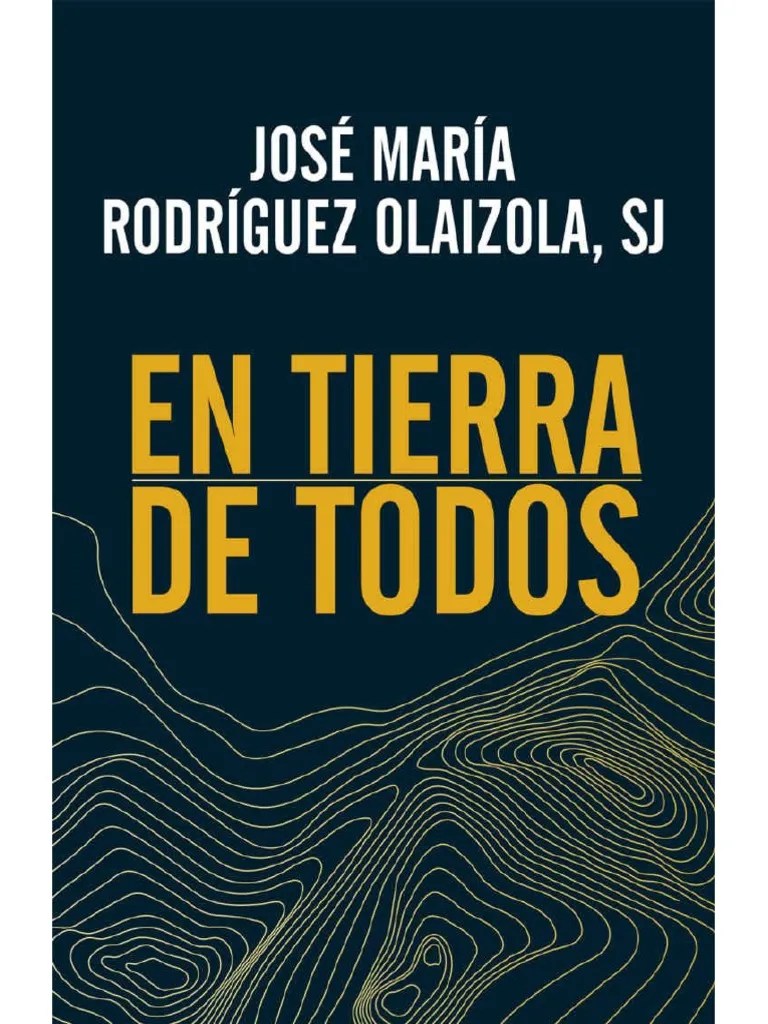
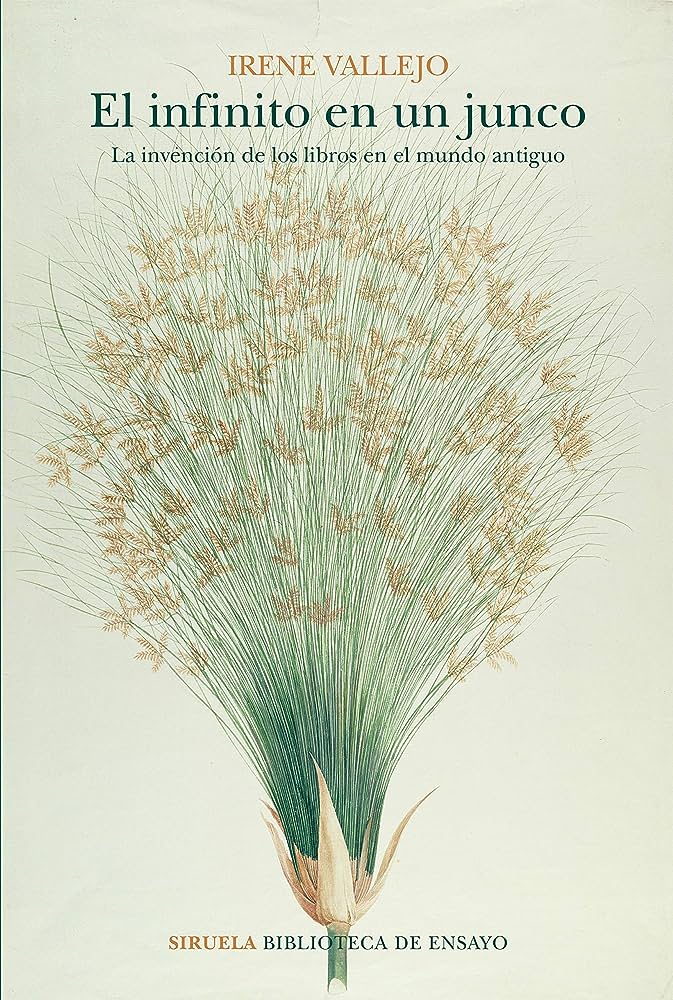
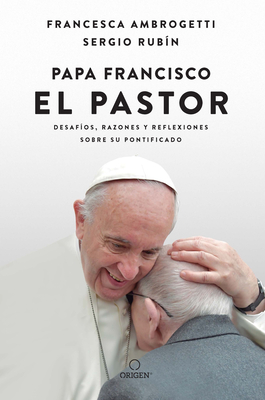
+ lEcTurAs pArA eL vEranO
 LA MEDITACION DE LA ESPOSA