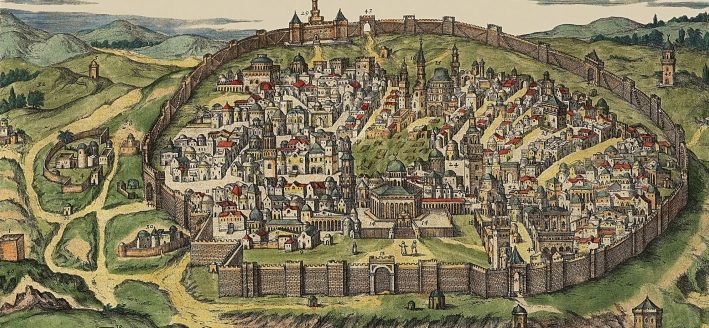
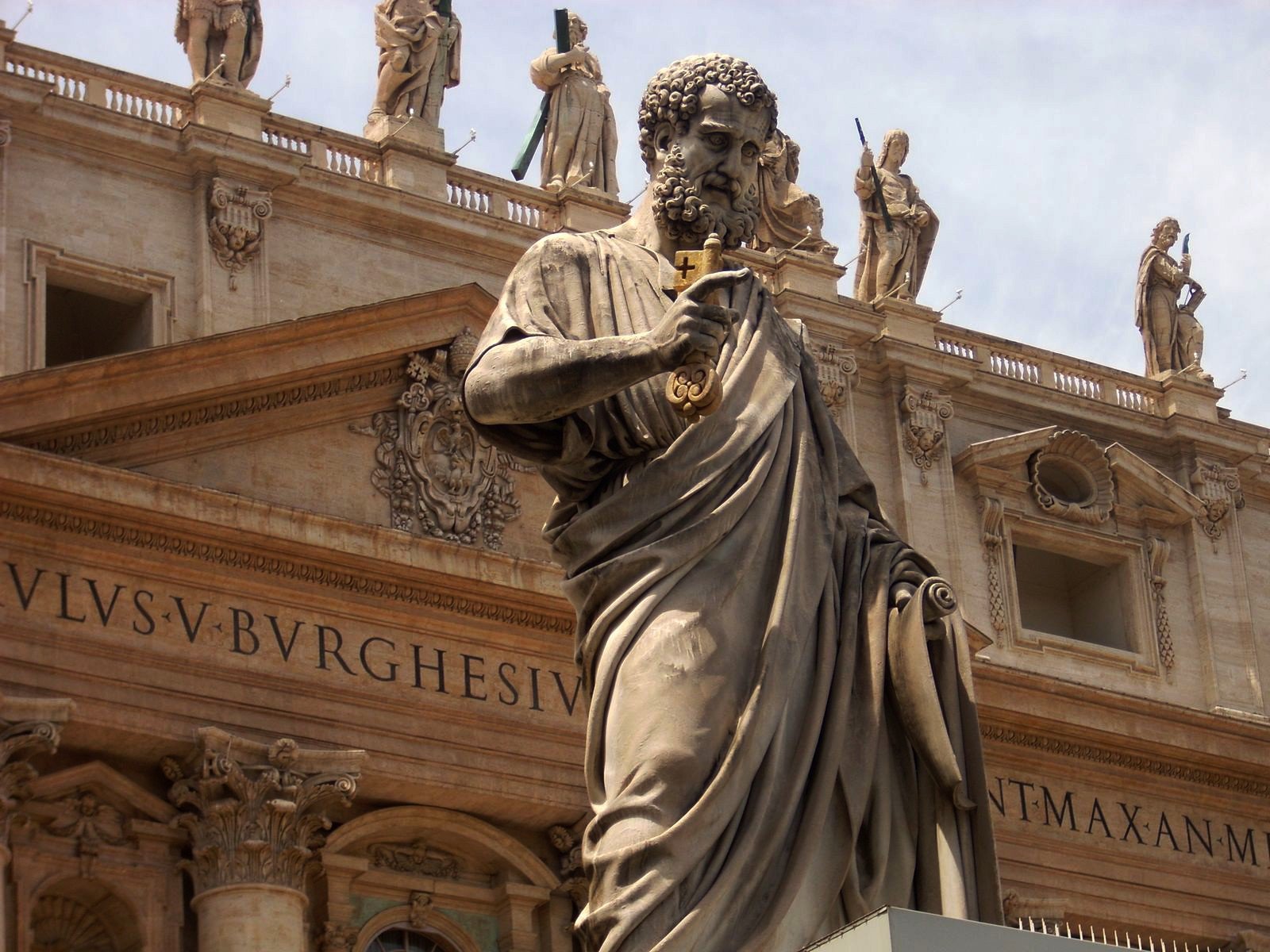
This Sunday we are presented with two figures who are given keys. The first is Eliakim. Eliakim was the secretary to Shebna the Master of King Hezekiah’s palace back in the 8th century before Christ. The Gospel reading presents Peter as receiving the keys of the Kingdom of God. Like Eliakim, he would determine who has access to the King. Peter is usually pictured as having carrying large keys, representing the authority given to him by the Lord. In the third chapter of the Book of Revelation, we read about the faithful people of the ancient city of Philadelphia in what is now Turkey. Because these people were devoted to Christ, they are told that the One who holds the keys of David has left the door open for them to pass through and enter into God’s Kingdom. So who holds the Keys of the Kingdom now? Jesus Christ is the judge of the Living and the Dead. He is the one who determines who will enter into God’s presence after their death. But who holds the Keys to the Kingdom here on earth? The answer is easy: since these Keys were entrusted to Peter, and since Peter was the head of the Church in Rome, Peter’s successor, the Bishop of Rome, holds the keys to the Kingdom. Right now, Pope Francis is that person. But the keys had been held by many before him. They will be held by all who will come after him. Pope Francis has captured the heart of the world, Catholic and Non-Catholic. His determination to allow the Church to be “poor and messy,” as he would say, has resulted in millions applauding his reaching out to the marginalized of our society. His firm and decisive actions to remove those from ministry whose lives do not reflect the following of Christ has been a refreshing change from the old “close and eye and/or handle this quietly” that seemed to be the modus operandi of many for many years. When he travels, people flock the streets to get a glimpse of this dynamic pope.
But who is Pope Francis? He is Jorge Mario Bergoglio, an Argentine with a wonderful smile and a huge heart. But people do not line the streets to see Jorge Mario Bergoglio. No, they come to see Pope Francis. Why? Why are they so determined to see Pope Francis? Because he is the Pope. He is the successor of Peter. He is the one who is entrusted with the keys to the kingdom. The people who line the streets during Papal visits all know that it is not just the man they are honoring; it is the office that the man holds they deeply respect. One time St. John Bosco came upon his boys calling out, “Viva Pio Nono,” “Long live, Pope Pius IX–actually more Hooray for Pope Pius IX.” St. John Bosco corrected them. He said, it is “Viva Il Papa.” Hooray for the pope, whoever that pope may be.” We have a concrete authority who guides us. He is rock-solid, to use the pun on the name Peter. Because of the Pope and the teaching authority of the Church, we know who we are when we say we are Catholic. We know the fundamental beliefs of our faith and the basic dictates of our morals. We are so firm in our faith, that even if those in authority should give us a poor example of living the faith, we still maintain our Christianity. When leaders are so caught up in their humanity that they don’t recognize the result of their actions, we all hurt. Yet, the Church still flourishes. Why? Because the Church is far more than individuals. It is the Body of Christ. The Borgia popes and others from the past certainly gave us poor examples of living the faith, at least by twenty-first century standards, but God still used them to guide His Church. Perhaps the most notorious of the popes was Julius II. One would be hard pressed to justify most of his life. Yet, he was the pope that gave the Church the Angelus.
So Today’s readings remind us why we honor the Vicar of Christ, the Pope. We do not honor him for the individual he is. We are not concerned with demagoguery. We do not honor Jorge Mario Bergoglio. We honor Pope Francis, a man who has been entrusted with the Keys of the Kingdom. In the recent centuries we have been blessed with popes who were certainly holy men. Blessed Pius IX, St. Pius X, St. John XXIII, St. Paul VI, and St. John Paul II all gave us examples of how to live our Christianity. These men were intensely spiritual throughout their lives, not just as popes. They were canonized for the way they lived their Christianity, not for the way they exercised their authority. Other popes may not be candidates for canonization, but they all were holy fathers, entrusted with the keys to the Kingdom. We pray today for our Holy Father, and for the one who hopefully a long time from now will succeed him, one, whom God has already picked. And we thank God for devising a way to lead us on earth through the ministry of the man we call pope • AE

Summer (2023) Readings

Twenty-Frist Sunday in Ordinary Time
St. Dominic Catholic Church

Saturday August 26, 2023.
3.00 p.m. Sacrament of Reconciliation (Confessional) Fr. Jaime
5. 00 p.m. Holy Mass – Fr. Jaime
Sunday August 27, 2023
7.30 a.m. Mass Fr. Jaime
10.00 a.m. Mass Fr. Jaime
12.30 p.m. Mass Fr. Agustin
3.00 p.m. Misa en Español Fr. Agustin
XXI Domingo del Tiempo Ordinario (Ciclo A)
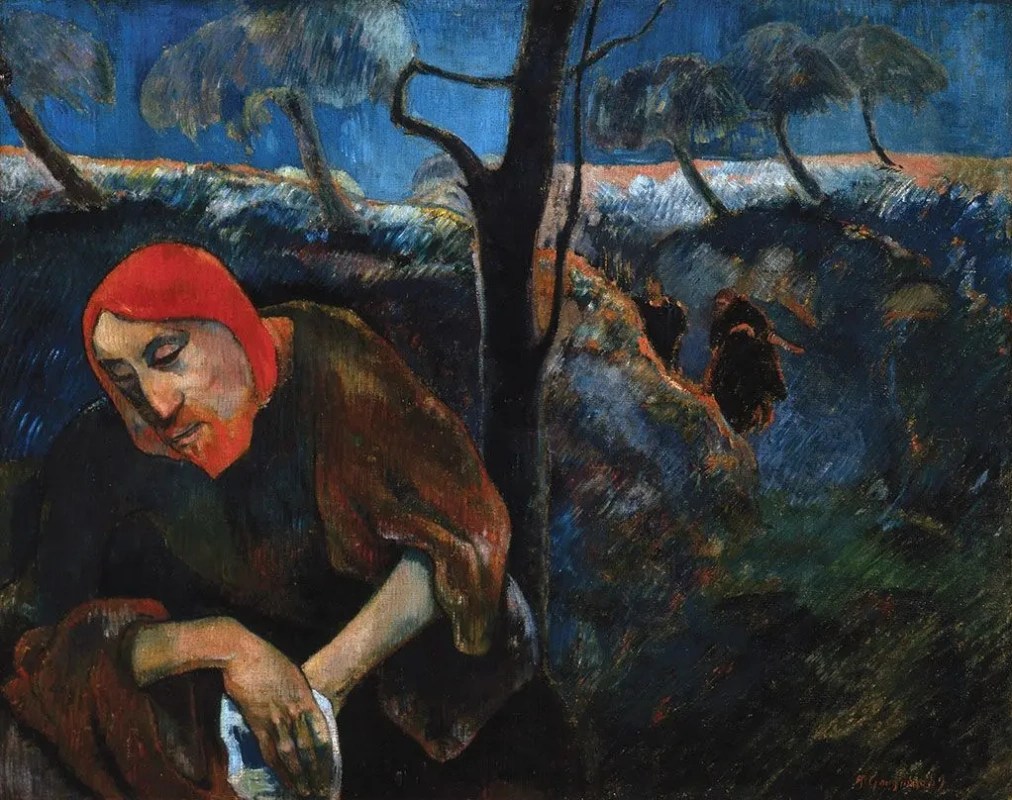
P. Gauguin, Cristo en el jardín de Getsemaní (1889), Norton Simon Museum (Pasadena, California)
«Y ustedes, ¿quién dicen que soy yo?». Esta es la gran pregunta que cada uno deberíamos saber responder. No basta seguir repitiendo fórmulas sobre Jesús. Es necesario un esfuerzo personal por intuir cada vez mejor qué misterio se encierra en este hombre en el que los creyentes descubrimos como en ninguna otra parte el rostro vivo de Dios. Jesús fue un profeta que comunicó a las gentes una experiencia única y original de Dios, pero sin desfigurarla con los miedos, ambiciones y fantasmas que las religiones suelen proyectar de ordinario sobre la divinidad. Para Jesús, Dios es amor compasivo. La compasión es la manera de ser de Dios, su primera reacción ante el ser humano y ante la creación entera. El nombre de Dios es Misericordia, nos dijo el Papa Francisco. Por eso, Jesús habla, actúa, vive y muere movido por la compasión. Jesús sólo vivió para implantar en el mundo lo que él llamaba «el reino de Dios». Fue la pasión que alentó su vida entera. Quería ver realizado entre los hombres el proyecto de Dios: una vida más digna y dichosa para todos, ahora y para siempre. Jesús no se dedicó a organizar una religión más perfecta desarrollando una teología más precisa sobre Dios o una liturgia más digna. Lo que verdaderamente le ocupaba fue la felicidad de la gente. Por eso se entregó a eliminar el sufrimiento y la enfermedad, a luchar contra todo lo que hace daño o permite la humillación de las personas. Jesús amó a los más pobres e indefensos de la sociedad. Otros muchos lo han hecho también antes y después de él. Lo más sorprendente es que, por encima de los pobres, nada ha amado más Jesús que a ellos, ni siquiera la religión, la ley o las tradiciones más venerables. Por tanto, ¿Quién es este hombre que, además de vivir sólo para la felicidad de los demás dio que su Padre quiere y busca una vida más digna y dichosa para todos? ¿Qué misterio se encierra en él? Para intuirlo, nada mejor que seguir sus pasos, hablando con él en la oración y en el silencio del sagrario • AE
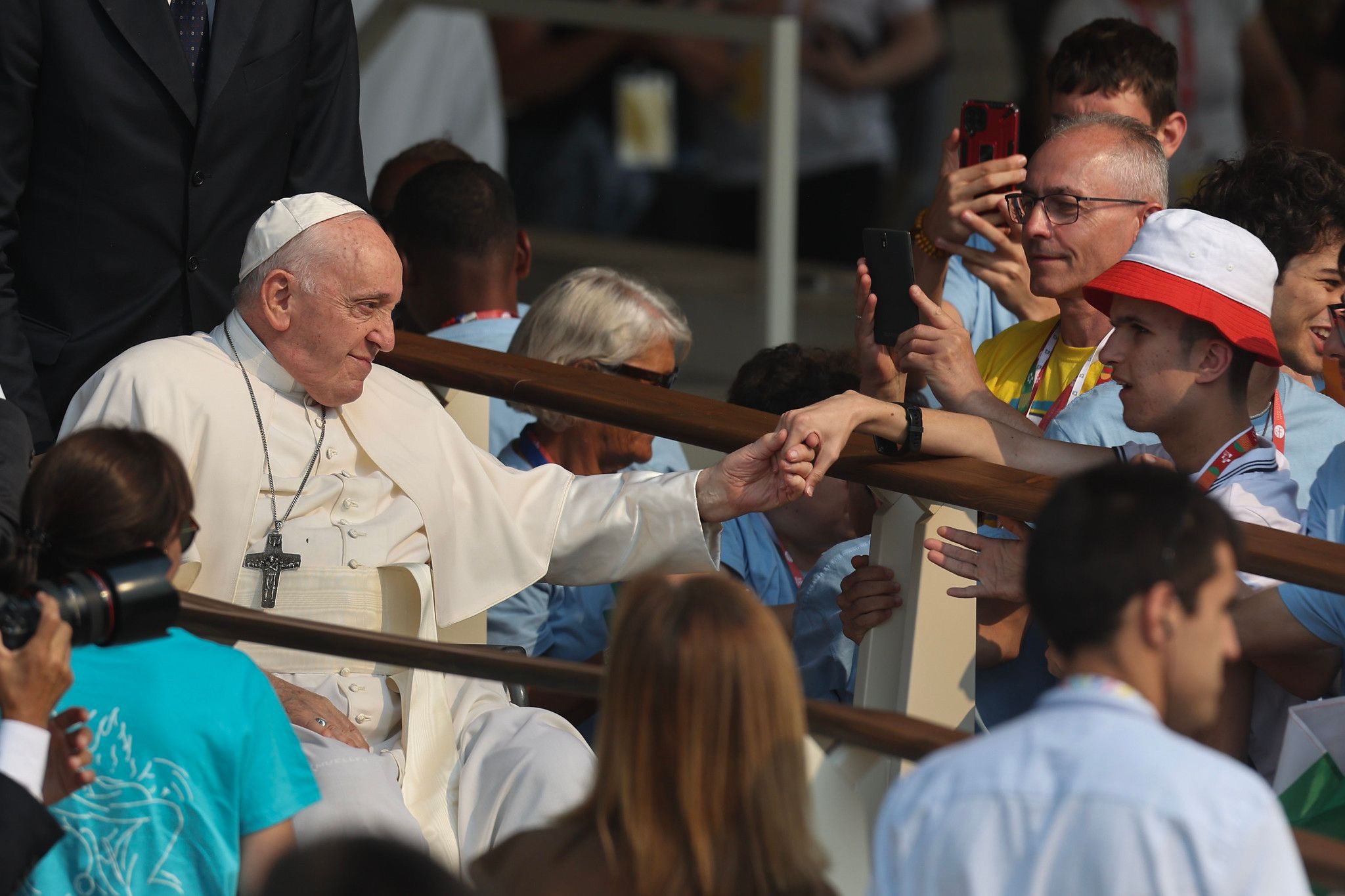
Y yo te digo a ti que tú eres Pedro y sobre esta piedra edificaré mi Iglesia. Los poderes del infierno no prevalecerán sobre ella. Yo te daré las llaves del Reino de los cielos; todo lo que ates en la tierra, quedará atado en el cielo, y todo lo que desates en la tierra, quedará desatado en el cielo (Mt 16, 18)
 LA MEDITACION DE LA ESPOSA