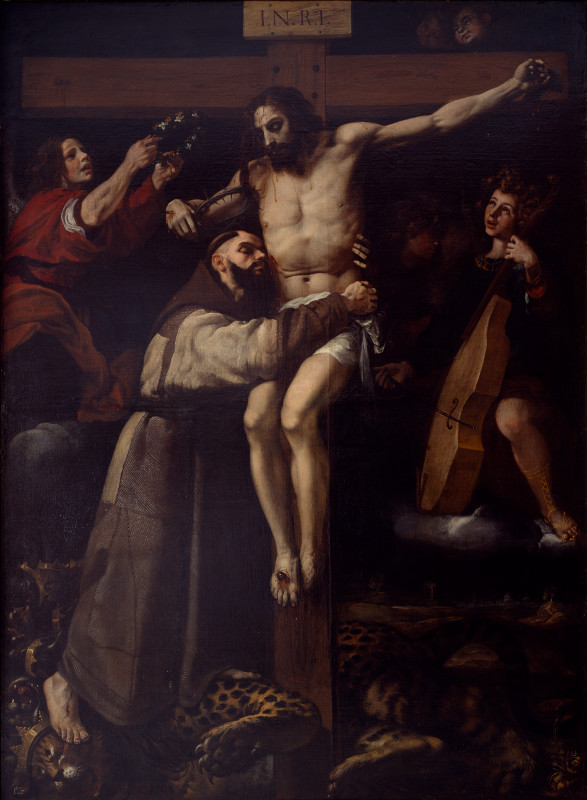
F. Ribalta, St. Francis embracing Christ (1620), oil on canvas, Museo de Bellas Artes de Valencia (Spain)
This Sunday we are treated to one of the most beautiful passages about Jesus in the entire Bible. It is found in the Letter of St. Paul to the Philippians. St. Paul begins by telling the people to be kind, and loving, and merciful to each other. And then he tells us about Jesus. He says that we should have the same attitude in life as Jesus had. He was forever God, but he did not regard this as something to be grasped. Instead, He emptied Himself of his divinity. He became a human being. More than this, he became a slave for all of us. And he obeyed His Father for our sakes, even when this obedience led to His death on the cross. Then we have the Christological hymn:
Because of this God has bestowed on Him the name that is above every other name; so that at the name of Jesus every knee should bend, both in heaven, on earth, and under the earth, and every tongue confess that Jesus Christ is Lord, to the Glory of God the Father.
It is difficult for us to explain our belief in Jesus. He is not just a theory, an intellectual doctrine. He is a living person. We have a personal relationship with Him. We go through our days speaking to Him and listening for Him to speak to us. We know that He is the eternal Son of the Father, the Word of God present from the beginning of creation. But that is not how we relate to Him or He to us. He is our closest friend, our deepest Love. We look at the Cross and are amazed at the extent of His Love for us. He is God, and yet, He became one of us, more than that, he became a slave for us. A slave serves the needs of his master without considering the impact on his life. Jesus came to serve us. He came to free us from the grasp of materialism. He came to renew the quest for the spiritual within us. He came to restore us to that place in creation that we deserted out of pride and selfishness. We would like to think that the world revolves around us and our wants. But it does not. The world is the Lord’s. With the Grace of God, we can do the work of God. But this is work, and work is hard. Work takes time and strength. So, doing the work of the Lord means emptying ourselves. It also means doing everything we can to stay away from all that could hurt us. It takes work to control that temper. It takes work to be spiritual in our homes. It takes work to turn a house into a place of prayer, a little Church. This is the work of Jesus, who humbled Himself for others, for us. So, what is the reality of Jesus in your lives, in my life? How real is He to you? Can we all realize that through the Grace of God, Jesus’ presence is stronger, and His Life is more meaningful now than ever before? This is not a matter of feeling; it is a matter of recognizing reality. Everything is for Jesus. Everything that matters in the world flows from Him and leads to Him. In our prayer time today let us ask the Lord for his grace to serve his Father as He served Him, emptying ourselves of our selfishness, humbling ourselves before our God, loving Him until the day that we are totally united to our Tremendous Lover •

St. Dominic Catholic Church
Weekend Schedule

Saturday September 30, 2023
2.00 p.m. Sacrament of Baptism • Fr. Agustin
3.00 p.m. Sacrament of Reconciliation (Confessional) • Fr. Agustin
5. 00 p.m. Holy Mass – Fr. Jaime
Sunday October 1, 2023
7.30 a.m. Holy Mass • Fr. Agustin
10.00 a.m. Holy Mass • Fr. Agustin
12.30 p.m. Holy Mass • Fr. Jaime
3.00 p.m. Santa Misa en Español • Fr. Jaime
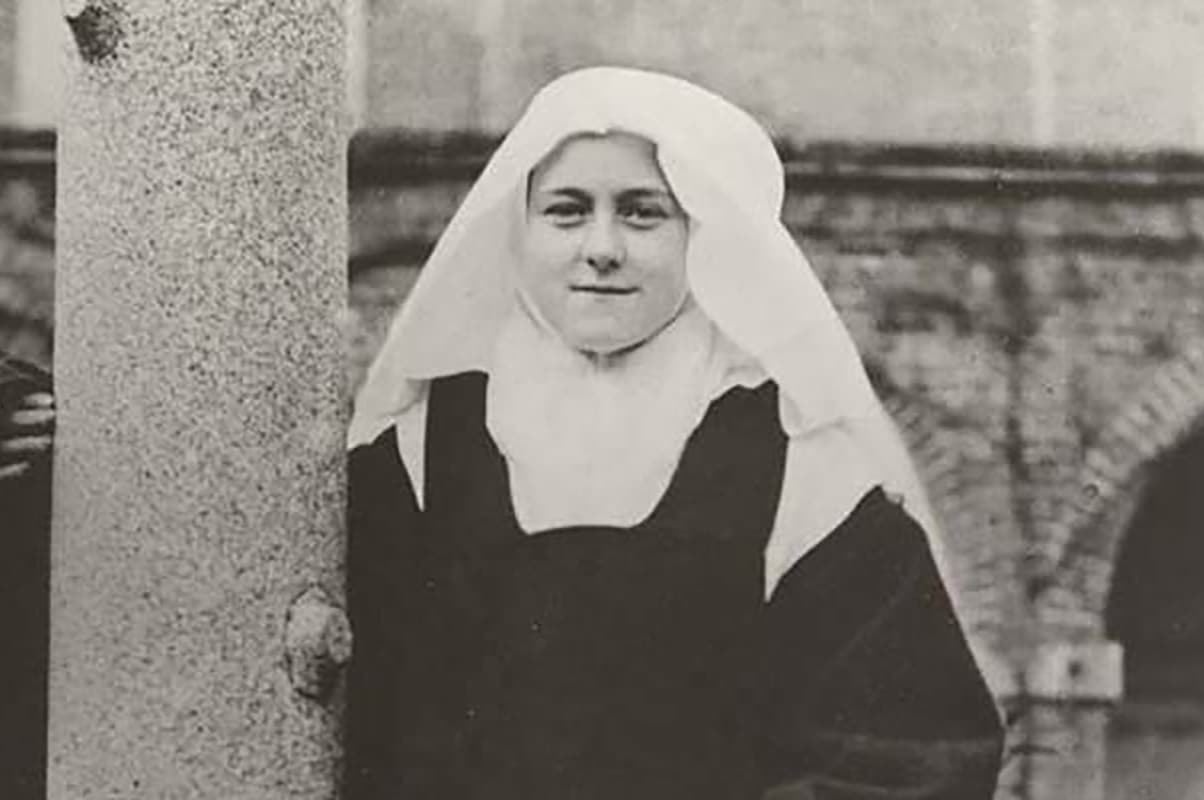
Para mí, la oración es un impulso del corazón, una simple mirada dirigida al cielo, un grito de agradecimiento y de amor, tanto en medio del sufrimiento como en medio de la alegría.
Santa Teresita del Niño Jesús (1873-1897). doctora de la Iglesia y patrona de las misiones
XXVI Domingo del Tiempo Ordinario (Ciclo A)
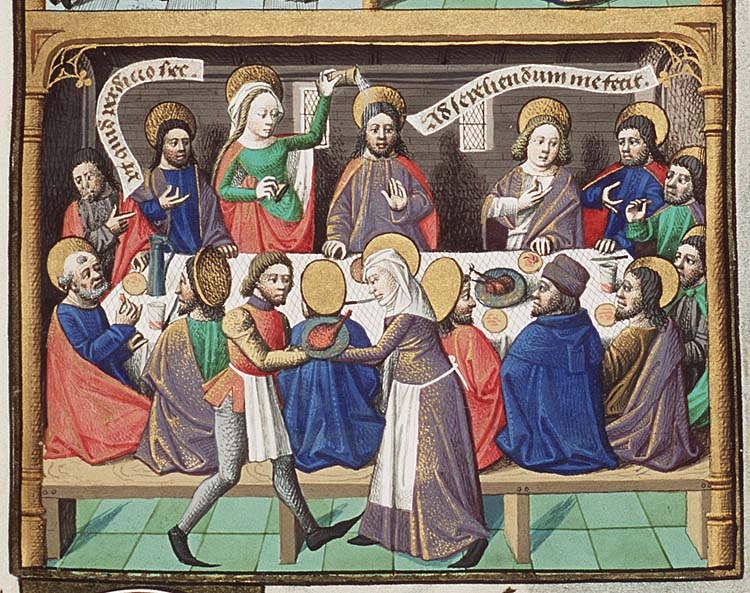
Autor anónimo, Unción de Jesús (1475-80), Manuscrito ilustrado en La Ciudad de Dios, de S. Agustín
La parábola es tan simple que parece poco digna de un gran profeta como Jesús. Sin embargo no está dirigida al grupo de niños que corretea a su alrededor, sino a los sumos sacerdotes y ancianos del pueblo, que lo acosan cuando se acerca al templo. Según el relato, un padre pide a dos de sus hijos que vayan a trabajar a su viña. El primero le responde bruscamente que no, pero no se olvida de la llamada del padre y termina trabajando en la viña. El segundo reacciona con una disponibilidad admirable, pero todo se queda en palabras. Nadie lo verá trabajando en la viña. El mensaje de la parábola es sencillo y claro. También los dirigentes religiosos que escuchan a Jesús están de acuerdo. Ante Dios, lo importante no es hablar sino hacer. Para cumplir la voluntad del Padre del cielo, lo decisivo no son las palabras, promesas y largas oraciones, sino los hechos y la vida cotidiana. Lo sorprendente es la aplicación de Jesús. Sus palabras no pueden ser más duras. Sólo las recoge Mateo. Sólo él tenía esa libertad frente a los dirigentes religiosos: «YO les aseguro que los publicanos y las prostitutas les llevan la delantera en el camino del reino de Dios». Jesús está hablando desde su propia experiencia. Los dirigentes religiosos han dicho sí a Dios. Son los primeros en hablar de él, de su ley y de su templo. Pero cuando Jesús los llama a buscar el reino de Dios y su justicia, se cierran a su mensaje y no entran por ese camino. Dicen no a Dios con su resistencia a Jesús. Los recaudadores y prostitutas han dicho que no a Dios. De hecho viven fuera de Su ley, están por tanto excluidos del templo. Sin embargo, cuando Jesús les ofrece la amistad de Dios, escuchan su llamada y dan pasos hacia la conversión. Para Jesús, no hay duda: el recaudador Zaqueo, la prostituta que regó con lágrimas sus pies y tantos otros… van por delante en el camino del reino de Dios. En este camino van por delante, no quienes hacen solemnes profesiones de fe, sino los que se abren al Señor dando pasos concretos y diarios de conversión, aunque haya muchas caídas •

 LA MEDITACION DE LA ESPOSA