
Holy Season of Advent 2023

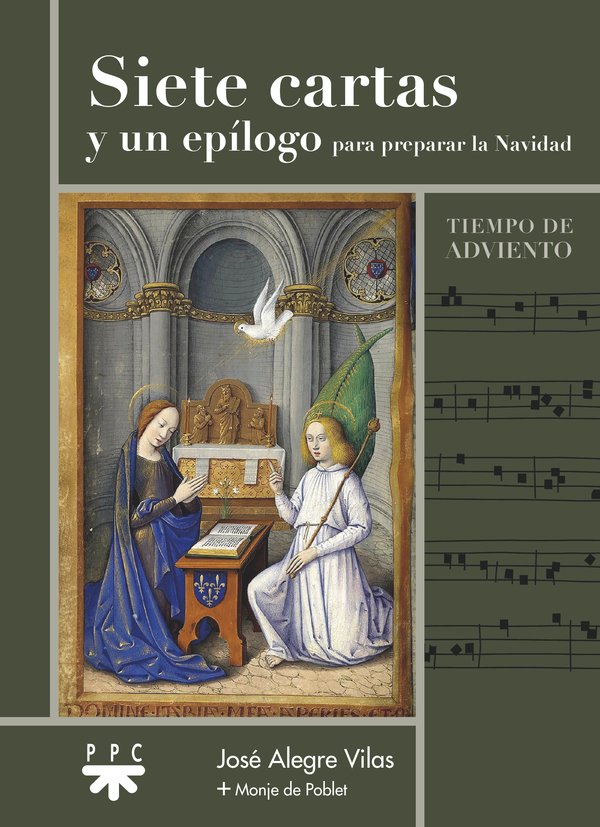
O come, O come, Emmanuel,
And ransom captive Israel;
That mourns in lonely exile here,
Until the Son of God appear.
Rejoice! Rejoice! Emmanuel
Shall come to thee, O Israel •


First Sunday of Advent (Cycle B)

An essential part of the ministry of a parish priest is to care for people in hospitals. There is one room that is really important: the critical care waiting room. This is the room where family and friends wait while the doctor’s care for their loved ones who have suffered a devastating stroke, a serious heart attack, a horrible car accident or some other catastrophic event. I hope you have never had occasion to be in that waiting room, but if you have, you know that it is a place very different from any other place in the world. The people who wait there are bound together like no other people in the world. Family members and friends can’t do enough for each other. No one is proud. No one stands on ceremony or protocol. Petty disputes and hurts are nowhere to be found. Perhaps there are several patients whose family and friends are waiting in that room. These complete strangers feel bound in their shared hope for their loved ones. Class and race melt away. Each person in that room is a parent or spouse or child or close friend of the suffering one first. He or she is a white, black or Asian, a blue collar or white collar worker second. Everyone in the waiting room pulls for each other. If one family receives good news, there is hope and joy for all. If another family hears sad news, everyone in the room feels their grief. In the critical care waiting room, the world changes. Vanity and pretense vanish. The entire universe is focused on the doctor’s next report. All eyes continually glance at the door. The critical care waiting room is a place of hoping. It is a place of anticipating, a place of expecting. It is a place of Advent. We live in this waiting room. We keep an eye out for the doctor, the Divine Healer, to come. We hope to experience his good news. We long for him to say, “the patient, your loved one, is fine. He or she is going to recover, is going to live.” Who is this Loved One about whom we are so concerned? The Loved One is not another person. The Loved One is that part of each of us and all of us that is right when all else seems wrong. The Loved One is that which is good when all else seems malicious. The Loved One is that within us that is spiritual in a materialistic world. The Loved One is our sharing in the Life of Jesus Christ himself. The Loved One is our soul. But the Loved One is in critical care. Evil forces are trying to destroy this presence. We sit in the waiting room of life, longing for the Divine Doctor to come and tell us that the presence of the Lord is well and strong within us and among us. We call out, “Come! Rend the heavens and come! We are the clay. You are the potter. Mold us back into your own. Come!” And so we watch. We watch for the Divine Healer to come and lead us into His Love. We watch for the times, more than we could imagine, when God extends His Love to us. We watch for the times when we can serve His Love by serving others. We watch for the opportunities to unite ourselves closer to His Love through prayer and sacrifice. We wait. We watch. We watch for opportunities to grow. Advent, the time of watching, reminds us that our entire lives must be a watching for ways that we can grow more spiritual, grow closer to Christ. We have to watch • AE


Music to feed the soul

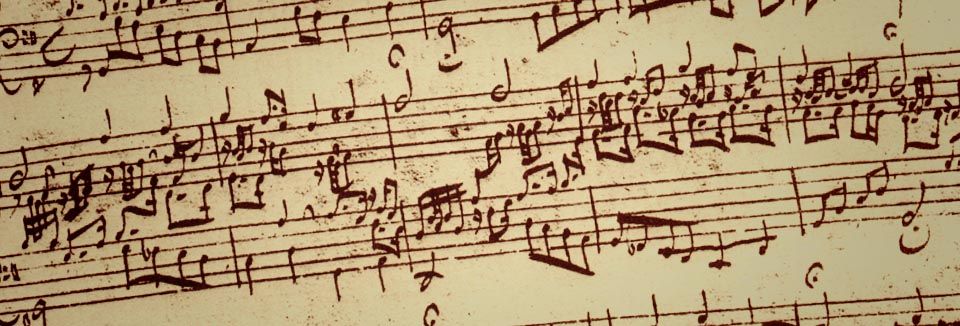
The Messiah is an English-language oratorio composed in 1741 by George Frideric Handel. The text was compiled from the King James Bible and the Coverdale Psalter by Charles Jennens. It was first performed in Dublin on 13 April 1742 and received its London premiere a year later. After an initially modest public reception, the oratorio gained in popularity, eventually becoming one of the best-known and most frequently performed choral works in Western music. The autograph manuscript of the oratorio is preserved in the British Library •


St. Dominic Catholic Church

Weekend Schedule

Saturday, December 2, 2023

Rehearsal for RCIA Rite of Welcoming and Acceptance, 9.00 a.m. – Fr. Agustin E.

3.00 p.m. Sacrament of Reconciliation – Fr. Jaime P.

5.00 p.m. Holy Mass (English) – Fr. Jaime P.

Sunday, December 3, 2023

7.30 a.m. Holy Mass (English) – Fr. Jaime P.

10.00 a.m. Holy Mass (English) – Fr. Jaime P.

12.30 p.m. Holy Mass (English) – Fr. Agustin E.

3.00 p.m. Santa Misa – Fr. Agustin E.


Primer Domingo de Adviento (Ciclo B)

Hay un grito que se repite en el mensaje evangélico y se condensa en una sola palabra: «Vigilad!». Es una llamada a vivir de manera lúcida, sin dejarnos arrastrar en medio del torrente de esta sociedad liquida, como nos ha advertido el Santo Padre Francisco. Una invitación a mantener despierta nuestra resistencia y rebeldía, a no actuar como todo el mundo, a ser diferentes, a no identificamos con tal mediocridad. ¿Es posible?

Lo primero, tal vez, es aprender a mirar la realidad con ojos nuevos. Las cosas no son sólo como aparecen en los medios de comunicación. En el corazón de las personas hay más bondad y ternura que lo que captamos a primera vista. Hemos de reeducar nuestra mirada, hacerla más positiva y benévola. Todo cambia cuando miramos a las personas con más simpatía, tratando de comprender sus limitaciones y sus posibilidades.

Es importante, además, no dejar que se apague en nosotros el gusto por la vida y por la bondad. Aprender a vivir con corazón y querer a las personas buscando su bien. No ceder a la indiferencia. Vivir con pasión la pequeña aventura de cada día. No desentendernos de los problemas de la gente: sufrir con los que sufren y gozar con los que gozan, como animaba san pablo a los cristianos de Roma. También es importante dar su verdadera importancia a esos pequeños gestos que aparentemente no sirven para nada, pero que sostienen la vida de las personas. Yo no puedo cambiar el mundo pero puedo hacer que junto a mí la vida sea más amable y llevadera, que las personas respiren y se sientan menos solas y más acompañadas.

¿Es tan difícil abrirse al misterio de Dios? La Iglesia nos pone delante un tiempo precioso. Tiempo de búsqueda serena, de oración, de silencio y contemplación; un tiempo para decirle al Señor ¡Ven; no tardes más! Con esa disposición interior se puede alcanzar mucho. Según pasan los años, tengo la impresión de que uno se va haciendo más hondamente creyente y, al mismo tiempo, tiene cada vez menos creencias • AE


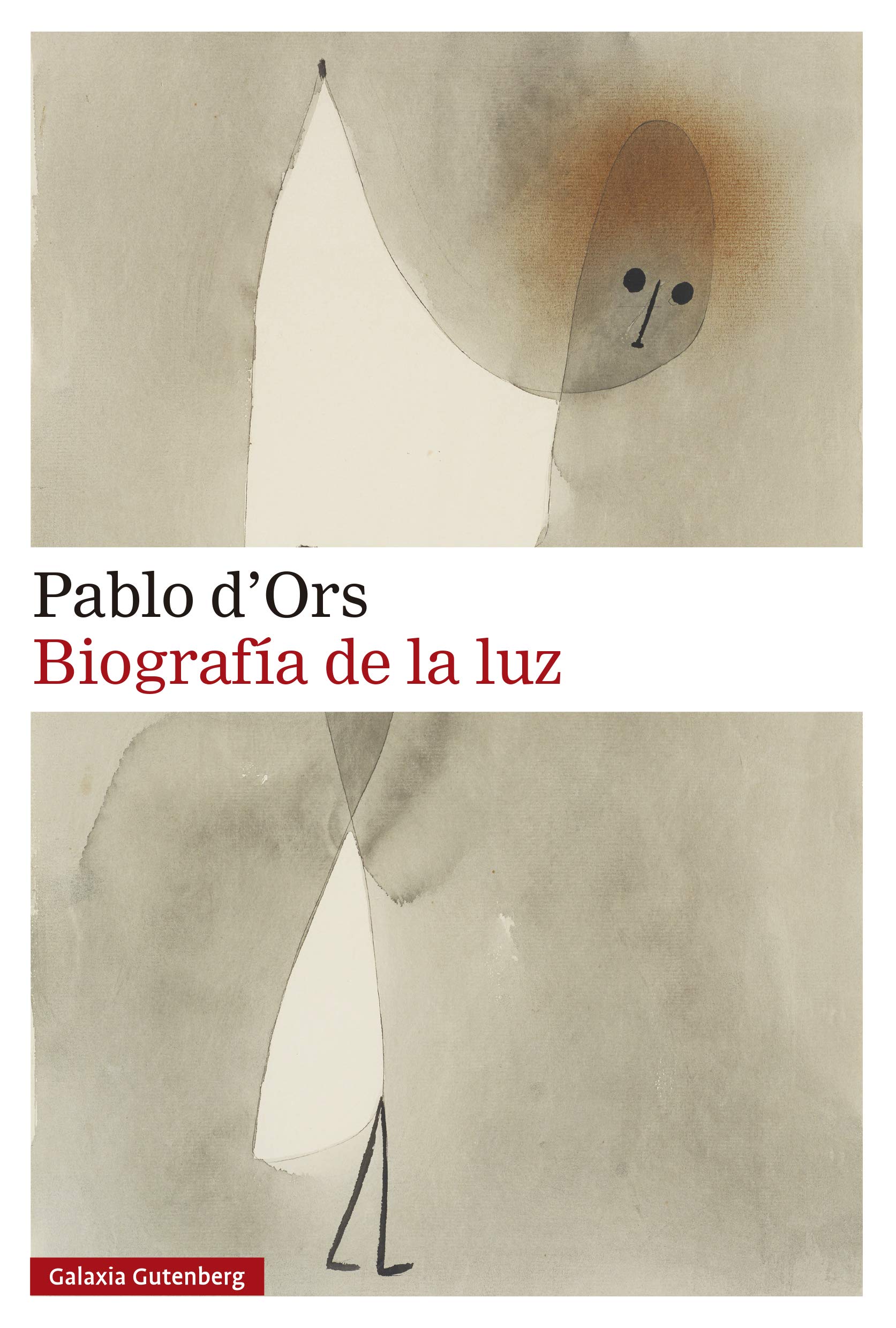
¿Qué vamos a leer?

The Solemnity of Our Lord Jesus Christ, King of the Universe (Cycle A)

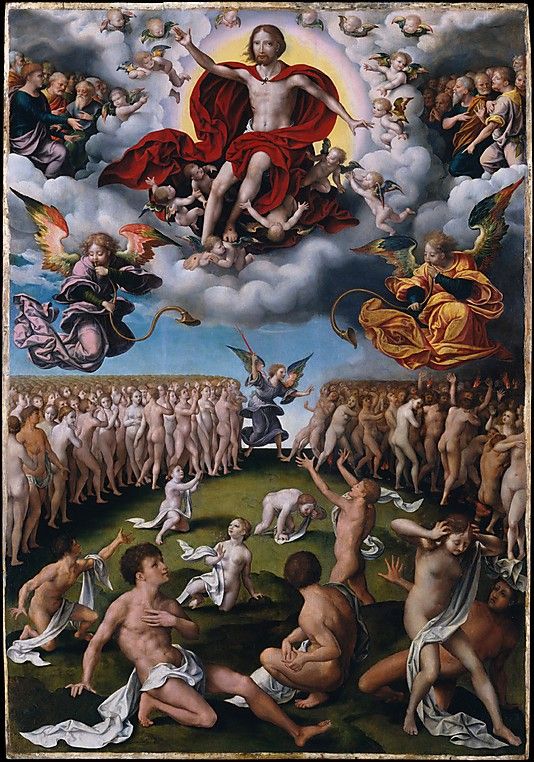
Joos van Cleve, The Last Judgment (1525), Oil on wood, Metropolitan Museum of Art (New York)

Today’s feast concludes the Church year with this exclamation: Jesus Christ is King. He is the King of Kings. His Kingdom does not follow the model of kingdom we might have in our minds. He is a conquering Messiah, but his army is spiritual, not physical. He battles to restore life, not destroy life. He came down from heaven to bring us to heaven. What will we find when we get there, when we get to heaven? We really do not know. We only know that it will be radically different than our fondest expectations. “What eye has not seen, and ear has not heard, and what has not entered the human heart, God has prepared for those who love him,” we read in 1 Corinthians 2:9.

C. S. Lewis wrote a humorous essay about what we would experience if we were admitted into heaven. He wrote that there would be a triple surprise, more than this, a triple shock. First, Lewis wrote, we would be surprised at the people in heaven. We would be shocked that there are people there we never would have thought would be there. The second surprise would be the shock at realizing there were people we expected to be in heaven who were not there. The third surprise would be that we would be astonished that we were there. We Catholics have only recently moved away from our rather arrogant and self-centered view that we have exclusive rights to heaven. Sadly there are still some Christians who are ready to exclude others from the reward of the Father. They hear about the goodness of Mahatma Gandhi, but they cannot get their heads around this. They cannot get themselves to believe that there might be a Hindu in heaven, let alone millions, billions, of good people who were never Christians. That would not follow the rules that the arrogant have made up for determining the Who’s Who in heaven. Yes, there is no way to the Father except through the Son, but the Son’s obedience to the Father sacrificing his life for us resulted in the Father and the Son sending the Holy Spirit to all people of good will. These people of good will are those who reach out to others in charity, and in so doing, reach out to the very presence of Christ in others, even if, like the sheep in today’s Gospel, they do not recognize Christ. There will be many who have been saved by Christ who did not know Him by that name but who reached out to Him in others. There will be many in heaven whom we would not expect to be there.

C. S. Lewis’s second conjecture is that there will be people missing from heaven whom we expected to be there. In our American denial of death, we try to ease our grief of death by canonizing our Loved Ones who have died. No matter who a person may be, we decide that they are in heaven after their death. For example, someone steal a car and then are killed in a horrible car accident. Alcohol and drugs are involved. Yet, their friends are told that they are with God now. Their presence in heaven will be determined by the Just Judge who recognizes those who loved him throughout their lives. This same Just Judge will listen to others pleading that their Loved Ones be fully united to Him. It is a good thing to pray for the dead.

Finally, Lewis says that the third surprise we would have if we took stock of the souls in heaven would be learning that we are there. When we are honest with ourselves, we are well aware of the many times that we have turned from God. Our sins are very clear to us. He allows us to replace with love that which we have destroyed with selfishness and sin. We live in His mercy. During the last twelve months we have followed the life of Jesus our Lord from the prophesies of last Advent, through his birth, mission, death and resurrection. We have prayed over the message of His life as well as His teachings. Now, at the conclusion to the year we beg Him to help us recognize Him in our world and to acknowledge His presence by reaching out to Him on others. We seek the mercy of His continual grace drawing us out of ourselves and into His presence in the need of his Kingdom. Christ is our King. May we be true members of his Kingdom • AE


Music for the soul

A German Requiem, to Words of the Holy Scriptures, Op. 45 by Johannes Brahms, is a large-scale work for chorus, orchestra, and soloists, composed between 1865 and 1868. It comprises seven movements, which together last 65 to 80 minutes, making this work Brahms’s longest composition. A German Requiem is sacred but non-liturgical, and unlike a long tradition of the Latin Requiem, A German Requiem, as its title states, is a Requiem in the German language.


St. Dominic Catholic Church

Weekend Schedule

Saturday, November 25, 2023

12.00 p.m. XV Celebration for Kaylee Camacho – Fr. Agustin E.

3.00 p.m. Sacrament of Reconciliation – Fr. Agustin E.

5.00 p.m. Holy Mass (English) – Fr. Agustin E.

Sunday, November 26, 2023

7.30 a.m. Holy Mass (English) – Fr. Enda McKenna

10.00 a.m. Holy Mass (English) – Fr. William Zapalac

12.30 p.m. Holy Mass (English) – Fr. Enda McKenna

3.00 p.m. Santa Misa – Fr. Agustin E.


Solemnidad de Nuestro Señor Jesucristo, Rey del Universo
Último domingo del Tiempo ordinario

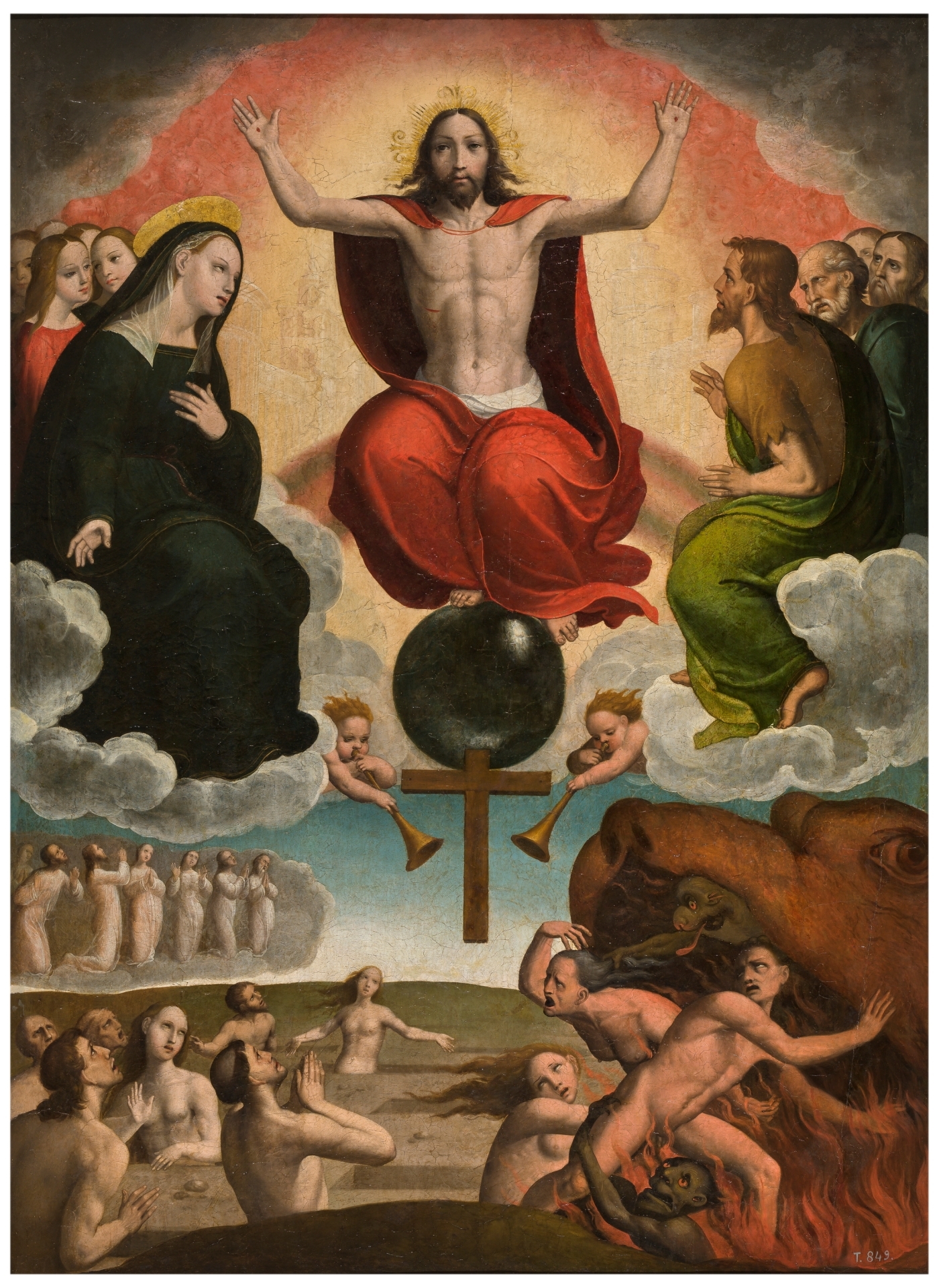
J. Correa de Vivar, El Juicio Final (1545), óleo sobre tabla, Museo Nacional del Prado (Madrid)

El texto del evangelio de este domingo se conoce popularmente como la parábola del juicio final, pero en realidad es más bien una descripción grandiosa del veredicto final sobre la historia humana. Allí están personas de todas las razas y pueblos, de todas las culturas y religiones. En aquel día se va a escuchar la última palabra que lo esclarecerá todo. Dos grupos van emergiendo de aquella muchedumbre. Unos son llamados a recibir la bendición de Dios: son los que se han acercado con compasión a los necesitados y han hecho por ellos lo que podían. Otros son invitados a apartarse: han vivido indiferentes al sufrimiento de los demás.

Lo que va a decidir la suerte final no es la religión en la que uno vivió. Lo decisivo será si uno vivió con compasión, ayudando al que sufría y necesitaba ayuda. Lo que hicimos a personas hambrientas, inmigrantes indefensos, enfermos desvalidos o encarcelados olvidados por todos, se le hicimos al mismo Dios.

En esta escena evangélica no se pronuncian grandes palabras como justicia, solidaridad o democracia. Sobran todas si no hay una ayuda real a los que sufren. Jesús habla de comida, ropa, algo de beber, un techo para resguardarse. Es muy sencillo de entender. Tampoco se habla tampoco de amor. A Jesús quizá le resultaba un lenguaje demasiado abstracto. No lo usó prácticamente casi nunca. El descendió a lo concreto: dar de comer, vestir, hospedar, visitar, salir al encuentro. No podemos olvidar que en el atardecer de la vida no se nos examinará del amor; se nos preguntará más bien hicimos frente a aquellos que necesitaban ayuda, sin importar que nos hayamos manchado o hasta deshilachado la vida. Sin duda una de las ideas más grandes que el santo padre Francisco nos ha regalado es aquella que dejó en su exhortación apostólica Evangelii Gaudium (La alegría del evangelio): «Prefiero una Iglesia accidentada, herida y manchada por salir a la calle, antes que una Iglesia enferma por el encierro y la comodidad de aferrarse a las propias seguridades. No quiero una Iglesia preocupada por ser el centro y que termine clausurada en una maraña de obsesiones y procedimientos. Si algo debe inquietarnos santamente y preocupar nuestra conciencia, es que tantos hermanos nuestros vivan sin la fuerza, la luz y el consuelo de la amistad con Jesucristo, sin una comunidad de fe que los contenga, sin un horizonte de sentido y de vida. Más que el temor a equivocarnos, espero que nos mueva el temor a encerrarnos en las estructuras que nos dan una falsa contención, en las normas que nos vuelven jueces implacables, en las costumbres donde nos sentimos tranquilos, mientras afuera hay una multitud hambrienta y Jesús nos repite sin cansarse: «¡Dadles vosotros de comer!» • AE


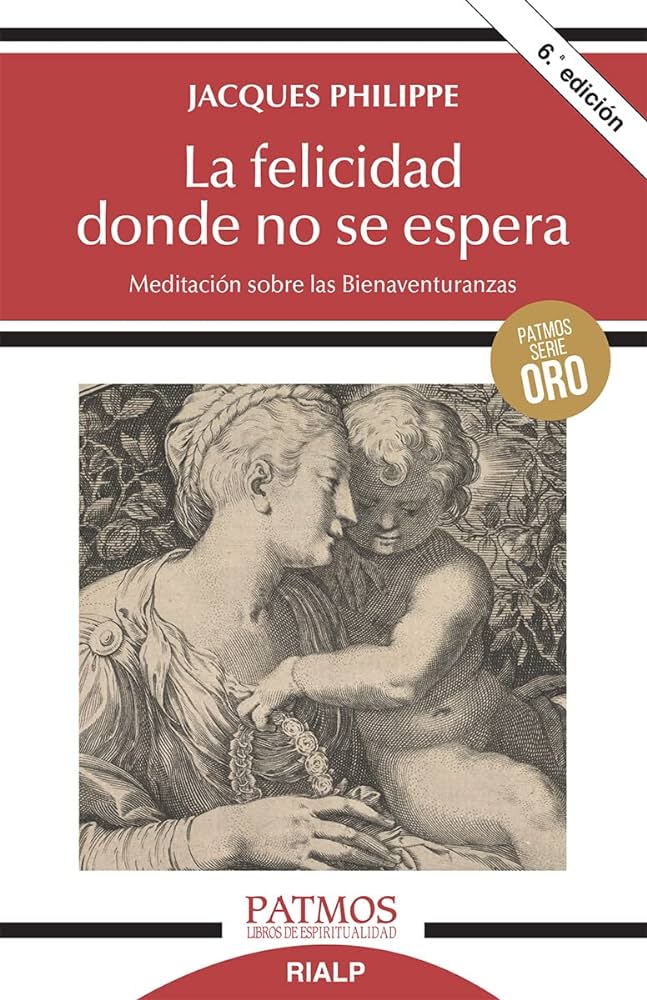
¿Y ahora qué vamos a leer?


Thanksgiving 2023

It is so easy to fall in love with the gift and forget all about the giver; to admire a painting and never think of the painter; to enjoy music and never know the heart from which it came; to accept and love ourselves and not to care for the one from whom we came.

We like to think of ourselves as doers and achievers, but the basic fact of life is that we are primarily receivers and transmitters not achievers. We all started out as zero, zip, nada. We did not ask to be. We did nothing to get here. Our very existence is a huge and beautiful gift of God. So our most basic relationship with God therefore should be one of gratitude, and this week is a great moment to do so.

God gave us a memory so that we can remember and give thanks. The memory enables us to bring forth from the storeroom of the past the wonderful moments of success, love and happiness, so that we can re-live, re-enjoy them and be grateful. “Lord, give me a grateful heart to remember and give thanks”. That is what the Holy Scripture is all about. The Bible is the written history of many of the wonderful gifts God has given us from the very creation of the world and the promise of even greater gifts in the future. In the beginning the memory of these gifts was handed on orally to each succeeding generation and then under the inspiration of the Holy Spirit written down so that all could remember and give thanks. “Lord, give me a grateful heart to remember and give thanks” That is what the Mass is all about. The Mass is the perfect act of thanksgiving that Jesus commanded us to, “Do this in memory of me.” It is the perfect sacrifice Malachi foretold which would be offered up from the rising of the sun to the going down thereof. “Lord, give me a grateful heart. To remember and give thanks”. That is why we have a Thanksgiving Day, and in so doing we grow in the love of God. It is in gratitude for the gifts that we grow in the love of the Giver. As we say in the preface at Mass, “Our act of thanksgiving adds nothing to your greatness but makes us grow in grace through Jesus Christ, or Lord.”

Gifts are the language of love, the more one loves the more one gives. God will continue to look over us with His Divine Providence and then at the end of our life he will give us the greatest gift of all the gift of the Giver to be known, loved and possessed forever • AE


Thanksgiving 2023

Schedule

Thursday November 23, 2023 – 8.30 a.m. Thanksgiving Mass – Fr. Agustin E.

The parish office will be closed in observance of Thanksgiving Day from Wednesday, November 22 to Friday, November 24, resuming its regular hours on Monday, November 27, 2023.


Music for the soul….and for Thanksgiving!


Thirty-third Sunday in Ordinary Time (Cycle A)

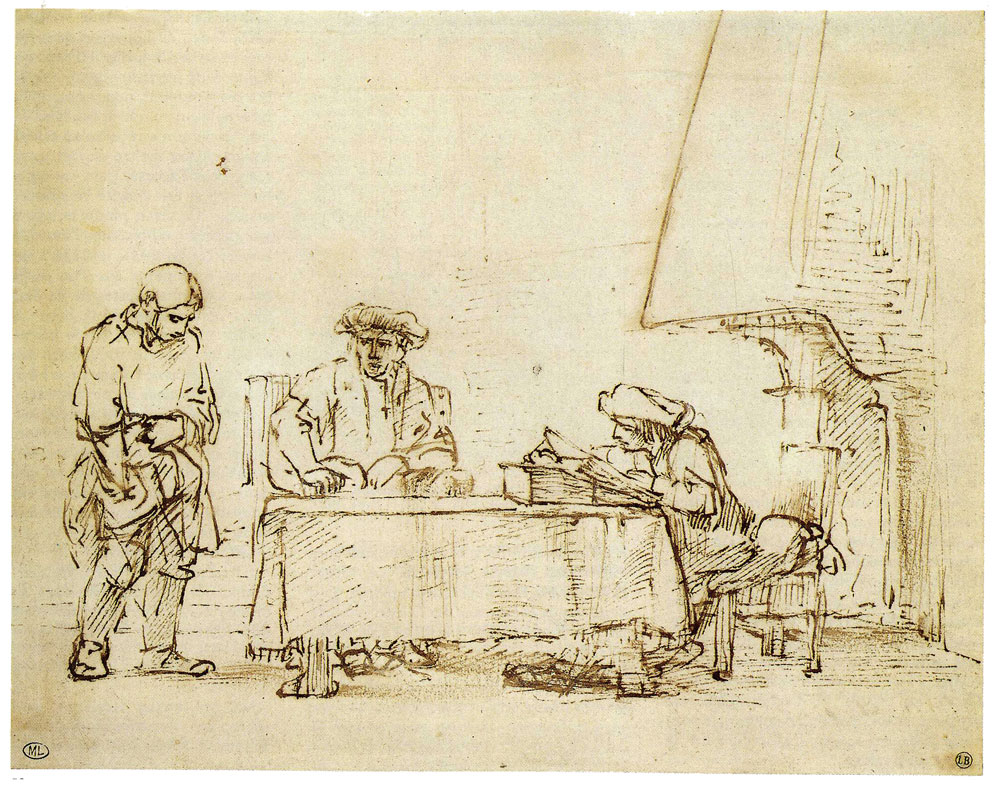
Rembrandt, The Parable of the Talents (c. 1652),  Reed-pen and bistre, Louvre (Paris)

In today’s second reading, St. Paul tells the people of Thessalonika that the day of the Lord, the end of time, will come like a thief in the night when people least expect. Some of these people took Paul so seriously that they quit working and caring for their families. They expected everyone else to take care of them as they braced themselves for the end. Paul had to write a second letter to Thessalonika and tell the people there that those who refused to work, should not eat. Perhaps time will not end before we die, but when we die our own personal time comes to an end.

We spend the month of November praying for our loved ones and all the souls of the faithful departed who have died. Death is a reality everyone has to face. How then, should we prepare for the Lord to come whether it is at the end of all time or the end of our own personal time? Instructions are available throughout the Bible, but particularly in today’s Gospel, which comes in the section of the Gospel of Matthew where Jesus is speaking about the end of time.

Today’s Gospel is the Parable of the Talents.  All our talents, all our gifts flow from God. None of us have the right to take credit for them. We emphasize this at the end of the Eucharistic Prayer when the priest holds up the Body and Blood of Christ and says, Through Him, and with Him, and in Him, O God Almighty Father, in the unity of the Holy Spirit, all glory and honor is yours, for ever and ever. Our talents came from God and must be developed to serve God. He is the focus, not us. His is the glory, not ours. We share in His Glory only to the extent that we have allowed Him to be seen in our efforts. Nothing that we do should be about us. All our gifts should be seen as just that, gifts from God. So, the Lord tells us in the parable that the Master will come for an accounting of how we used the particular talents He has given each of us. We cannot be concerned with worrying about the exact day or hour. What we have to be concerned with is doing our part to prepare for the Lord’s coming, either at the end of all time or the end of our personal time. If we develop the talents he has entrusted to us, the day will come when the Father will say to us, «Well done, good and faithful servants. Well done»

There is a wonderful story about Ludwig van Beethoven in this regard. The famous composer was well aware that he had few social skills. He found talking to people not just burdensome, but beyond his abilities. He just couldn’t do it, even if he had to speak to someone. The story is that one day he heard that a dear friend of his had suddenly lost his son. Beethoven rushed over to his friend’s house, but he just couldn’t find the words to comfort the dead boy’s father. So he used the gifts he had been given. Beethoven went to the piano and for a full thirty minutes he played a beautiful elegy. It is believed that he composed it on the spot. He used his talent to console the grieving • AE


Music for the soul


St. Dominic Catholic Church

Weekend Schedule

Saturday November 18, 2023

12.00 p.m. XV Mass – Fr. Jaime P.

2.00 p.m. XV Mass – Fr. Jaime P.

3.00 p.m. Sacrament of Reconciliation (Confessional) – Fr. Agustin E.

5.00 p.m. Holy Mass – Fr. Agustin E.

Sunday November 19, 2023

7.30 a.m. Holy Mass – Fr. Agustin E.

10.00 a.m. Holy Mass – Fr. Agustin E.

12.30 p.m. Holy Mass – Fr. Jaime P.

3.00 p.m. Santa Misa – Fr. Jaime P.


XXXIII Domingo del Tiempo Ordinario (Ciclo A)

V. Palmaroli y Gonzalez, El martirio de santa Cristina de Bolsena (1895), oleo sobre tela, Museo Nacional del Prado (Madrid)

La parábola de los talentos es un relato que podria interpretarse de muchas formas, de hecho comentaristas y predicadores la han interpretado con frecuencia en diferentes direcciones. En este penúltimo domingo del Tiempo Ordinrio podríamos centrar la atención en el tercero de los siervos. Su conducta es… extraña. Mientras los otros siervos se dedican a hacer fructificar los bienes que les ha confiado su señor, a él no se le ocurre otra cosa que esconder bajo tierra el talento recibido para conservarlo seguro. Cuando el amo llega, lo condena como siervo negligente y holgazán que no ha entendido nada. ¿Cómo enteder su comportamiento? Este siervo no se siente identificado con su señor, ni con los intereses de su señor. Podriamos decir que no actúa movido por el amor. En realidad tiene miedo. Y es precisamente ese miedo el que lo paraliza y medio lo lleva a actuar buscando su propia seguridad. El mismo lo dice: «Tuve miedo y fui a esconder mi talento bajo tierra». Este siervo no comprendió en que consistía actuar con responsabilidad; pensó que estaba respondiendo a las expectativas de su señor, conservando su talento seguro, aunque improductivo; tampoco se implicó en proyecto alguno. Vivía como aburrido.

Cuando los cristianos pensamos que en nuestra fe lo unico que importa es conservar, dejando a un lado el buscar con coraje y confianza en el Señor caminos nuevos para acoger, vivir, y anunciar el proyecto del reino de Dios, estamos olvidando algo importante. Si no nos sentimos llamados a seguir las exigencias de Cristo más allá de lo enseñado y mandado; si no arriesgamos nada por hacer una Iglesia más fiel a Jesús y al evangelio, si nos mantenemos ajenos a cualquier conversión que nos pueda complicar la vida; si no asumimos la responsabilidad del reino como lo hizo Jesús, buscando vino nuevo en odres nuevos, quizá llegó el momento de re-aprender (sic) la fidelidad activa, creativa y arriesgada a la que nos invita la preciosa parábola de éste domingo y el testimonio de tantos mártires, misioneros y santos como los tenemos en la historia de nuestra querida la Iglesia. Como siempre, tenemos mucho qué reflexionar • AE


+ Lecturas para Otoño


Thirty-second Sunday in Ordinary Time (Cycle A)

I. Demchuk, Parable about wise and unwise virgins, oil on canvas, particular collection.

There were five wise virgins and five foolish ones. The five foolish virgins squandered their time. The five wise virgins made the best use of every moment. The wise virgins entered into the banquet of the Master’s love. The foolish virgins were too busy wasting time to be ready for their Master’s return. They were locked out of the celebration. How much time do you and I have left? We really don’t know! In our American denial of death, we all like to think that sudden death happens to other people and that this could not happen to any of us. But it does. The proper Christian attitude is not to deny death, but to prepare for it. This is the wisdom behind the five bridesmaids who were prepared to enter the wedding reception. They didn’t know when the bridegroom was coming, but they were ready. So how do we prepare? Well, survivalists prepare secret places. These methods are all wrong. We do not prepare for the end by saving a lot of stuff, or by doing a lot of things. We prepare for the end by nurturing the proper disposition, the Christian attitude. Some of the most important words in scripture are two verses from Paul’s Letter to the Romans: Be transformed by renewal of mind. Paul tells us to take an attitude of life that is completely different from the attitude of the world. Throughout the Gospels, particularly in Matthew where today’s gospel is taken, Jesus emphasizes the need for inner transformation. His complaint against the Pharisees was that they were hypocrites. They behaved one way but were another way. He called them whiten sepulchers. On the outside, they looked nice and clean. On the inside they were rotten. The tax collectors and prostitutes who turned to Jesus transformed their lives. So, how do we form and nourish the Christian attitude of life? On the negative, we cannot give ourselves over to that which destroys the presence of the Lord. We live in a materialistic society. To the vast majority of society success is counted in the number of possessions a person accumulates. Pleasure, even fleeting pleasure, is the goal of life. The glorification of sex is just one of the many ways that this is expressed. We, you and I, have to fight against the forces outside of us and, particularly, within us that are drawing us into materialism and away from the Christian disposition of life. On the positive, we can form and nourish the Christian disposition by continually communicating with the Lord. We need to pray daily. We need to find a time, even if it is brief, but still a time when we can be with the Lord and freed of the distractions of life. If we have a family, then we have the additional responsibility to pray as a family every day. Today’s first reading speaks about wisdom. Wisdom is a way of life. The wise are always ready for the Lord because they are always united to him. The gospel lesson is simple for this Sunday. Be like the wise virgins. Be ready to celebrate the banquet of the Lord’s love • AE


Music that feeds the soul

November is the month that the Catholic Church dedicates entirely to praying for the eternal rest of the souls of the faithful deceased. In 1791 the German composer Wolfgang Amadeus Mozart composed a beautiful Requiem Mass. There is a wonderful version by the French National Orchestra. We hope that this beautiful piece of music will be helpful in having a moment of prayer • AE


St. Dominic Catholic

Church Weekend Schedule

Saturday November 11, 2023

3.00 p.m. Sacrament of Reconciliation (Confessional) – Fr. Agustin E.

5.00 p.m. Holy Mass – Fr. Agustin E.

Sunday November 12, 2023

7.30 a.m. Holy Mass – Fr. Agustin E.

10.00 a.m. Holy Mass – Fr. Agustin E.

12.30 p.m. Holy Mass – Fr. Jaime P.

3.00 p.m. Santa Misa – Fr. Jaime P.


XXXII Domingo del Tiempo Ordinario (Ciclo A)

La primera generación cristiana vivió convencida de que Jesús, su Señor resucitado, volvería pronto. No fue así. Poco a poco, los seguidores de Jesús se tuvieron que preparar para una larga espera. No es difícil imaginar las preguntas que se despertaron entre ellos. ¿Cómo mantener vivo el espíritu de los comienzos? ¿Cómo vivir despiertos mientras llega el Señor? ¿Cómo alimentar la fe sin dejar que se apague? Un relato de Jesús sobre lo sucedido en una boda les ayudaba a pensar la respuesta. Diez jóvenes, amigas de la novia, encienden sus antorchas y se preparan para recibir al esposo. Cuando, al caer el sol, llegue a tomar consigo a la esposa, los acompañarán a ambos en el cortejo que los llevará hasta la casa del esposo donde se celebrará el banquete nupcial. Hay un detalle que el narrador quiere destacar desde el comienzo. Entre las jóvenes hay cinco sensatas y previsoras que toman consigo aceite para impregnar sus antorchas a medida que se vaya consumiendo la llama. Las otras cinco son necias, digamos descuidadas que se olvidan de tomar aceite con el riesgo de que se les apaguen las antorchas. Pronto descubrirán su error. El esposo se retrasa y no llega hasta medianoche. Cuando se oye la llamada a recibirlo, las sensatas alimentan con su aceite la llama de sus antorchas y acompañan al esposo hasta entrar con él en la fiesta. Las necias no saben sino lamentarse. Ocupadas en adquirir aceite, llegan al banquete cuando la puerta está cerrada. Demasiado tarde. Muchos han tratado de encontrar un significado secreto al símbolo del aceite. ¿Está Jesús hablando del fervor espiritual, del amor, de la gracia bautismal? Quizá sea más sencillo recordar su gran deseo: «Fuego he venido a traer a la tierra, y ¿qué he de querer sino que se encienda?» ¿Hay algo que pueda encender más nuestra fe que el contacto vivo con él?

¿No es una insensatez pretender conservar una fe gastada sin reavivarla con el fuego de Jesús? ¿No es una contradicción creernos cristianos sin conocer su proyecto ni sentirnos atraídos por su estilo de vida? Necesitamos más que nunca renovar nuestra alianza de amor con Él, cuidar todo lo que nos ayude a centrar nuestra vida en Él, sin gastar energías en lo que nos distrae, o nos enfría, o nos desvía del Evangelio. Hemos de encender domingo a domingo fe, rumiando sus palabras, recibiéndolo con amor y sencillez en la Eucaristía. Nadie puede transformar nuestras comunidades como Jesús • AE


Lecturas de Otoño (2023)