
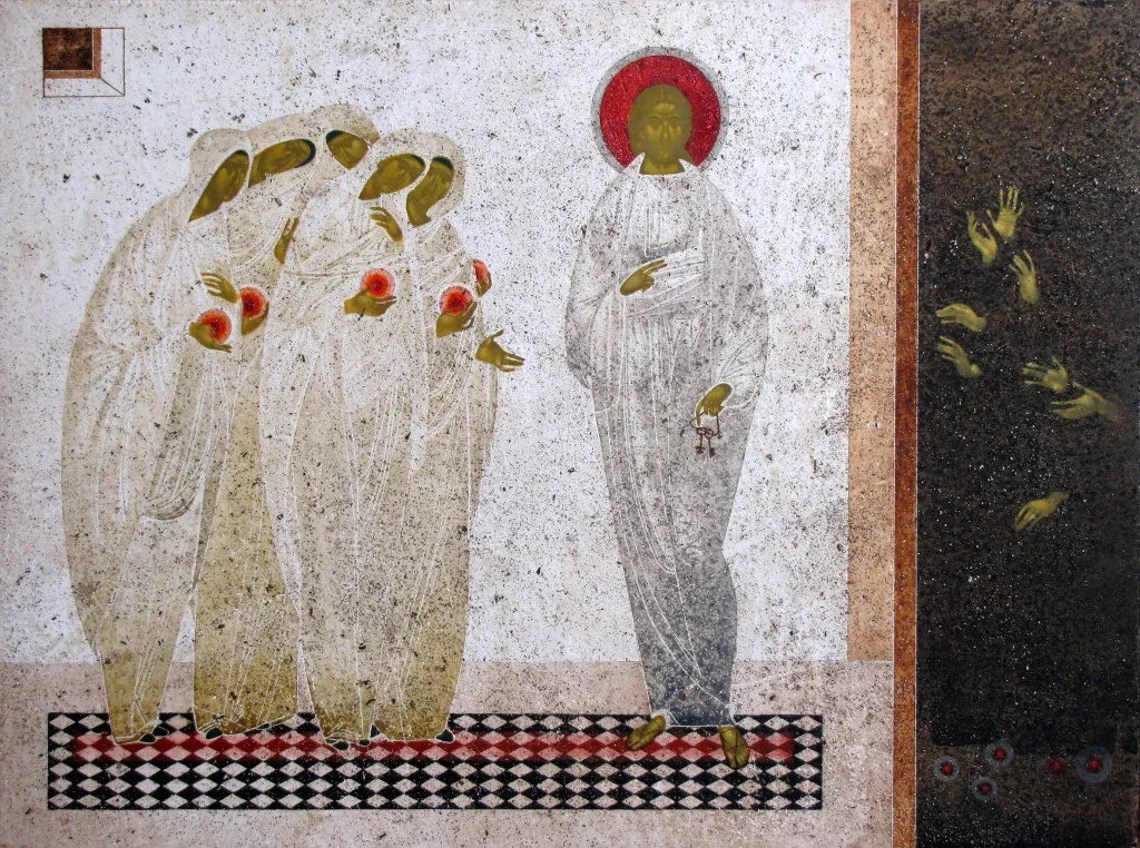
I. Demchuk, Parable about wise and unwise virgins, oil on canvas, particular collection.
There were five wise virgins and five foolish ones. The five foolish virgins squandered their time. The five wise virgins made the best use of every moment. The wise virgins entered into the banquet of the Master’s love. The foolish virgins were too busy wasting time to be ready for their Master’s return. They were locked out of the celebration. How much time do you and I have left? We really don’t know! In our American denial of death, we all like to think that sudden death happens to other people and that this could not happen to any of us. But it does. The proper Christian attitude is not to deny death, but to prepare for it. This is the wisdom behind the five bridesmaids who were prepared to enter the wedding reception. They didn’t know when the bridegroom was coming, but they were ready. So how do we prepare? Well, survivalists prepare secret places. These methods are all wrong. We do not prepare for the end by saving a lot of stuff, or by doing a lot of things. We prepare for the end by nurturing the proper disposition, the Christian attitude. Some of the most important words in scripture are two verses from Paul’s Letter to the Romans: Be transformed by renewal of mind. Paul tells us to take an attitude of life that is completely different from the attitude of the world. Throughout the Gospels, particularly in Matthew where today’s gospel is taken, Jesus emphasizes the need for inner transformation. His complaint against the Pharisees was that they were hypocrites. They behaved one way but were another way. He called them whiten sepulchers. On the outside, they looked nice and clean. On the inside they were rotten. The tax collectors and prostitutes who turned to Jesus transformed their lives. So, how do we form and nourish the Christian attitude of life? On the negative, we cannot give ourselves over to that which destroys the presence of the Lord. We live in a materialistic society. To the vast majority of society success is counted in the number of possessions a person accumulates. Pleasure, even fleeting pleasure, is the goal of life. The glorification of sex is just one of the many ways that this is expressed. We, you and I, have to fight against the forces outside of us and, particularly, within us that are drawing us into materialism and away from the Christian disposition of life. On the positive, we can form and nourish the Christian disposition by continually communicating with the Lord. We need to pray daily. We need to find a time, even if it is brief, but still a time when we can be with the Lord and freed of the distractions of life. If we have a family, then we have the additional responsibility to pray as a family every day. Today’s first reading speaks about wisdom. Wisdom is a way of life. The wise are always ready for the Lord because they are always united to him. The gospel lesson is simple for this Sunday. Be like the wise virgins. Be ready to celebrate the banquet of the Lord’s love • AE

Music that feeds the soul
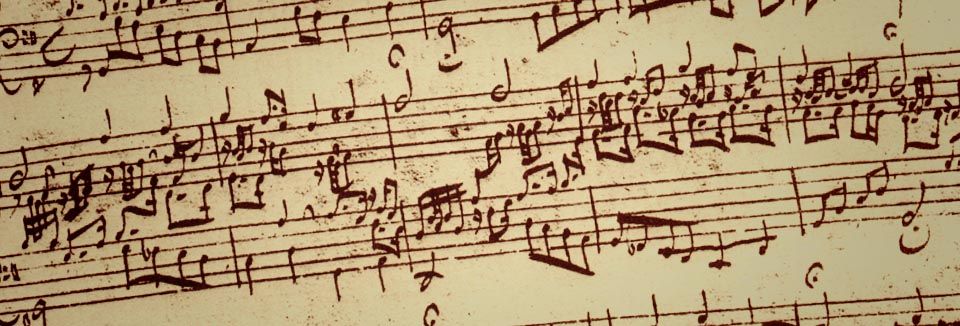
November is the month that the Catholic Church dedicates entirely to praying for the eternal rest of the souls of the faithful deceased. In 1791 the German composer Wolfgang Amadeus Mozart composed a beautiful Requiem Mass. There is a wonderful version by the French National Orchestra. We hope that this beautiful piece of music will be helpful in having a moment of prayer • AE
St. Dominic Catholic
Church Weekend Schedule

Saturday November 11, 2023
3.00 p.m. Sacrament of Reconciliation (Confessional) – Fr. Agustin E.
5.00 p.m. Holy Mass – Fr. Agustin E.
Sunday November 12, 2023
7.30 a.m. Holy Mass – Fr. Agustin E.
10.00 a.m. Holy Mass – Fr. Agustin E.
12.30 p.m. Holy Mass – Fr. Jaime P.
3.00 p.m. Santa Misa – Fr. Jaime P.
XXXII Domingo del Tiempo Ordinario (Ciclo A)
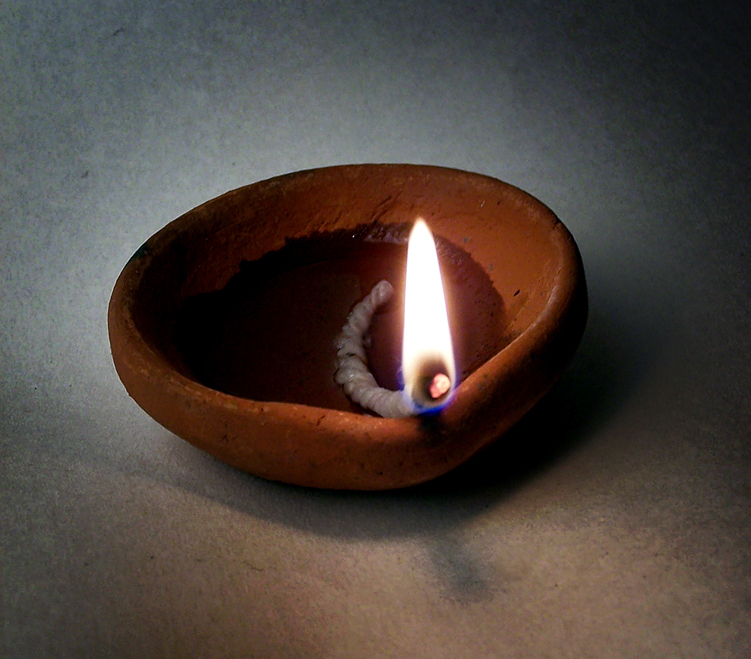
La primera generación cristiana vivió convencida de que Jesús, su Señor resucitado, volvería pronto. No fue así. Poco a poco, los seguidores de Jesús se tuvieron que preparar para una larga espera. No es difícil imaginar las preguntas que se despertaron entre ellos. ¿Cómo mantener vivo el espíritu de los comienzos? ¿Cómo vivir despiertos mientras llega el Señor? ¿Cómo alimentar la fe sin dejar que se apague? Un relato de Jesús sobre lo sucedido en una boda les ayudaba a pensar la respuesta. Diez jóvenes, amigas de la novia, encienden sus antorchas y se preparan para recibir al esposo. Cuando, al caer el sol, llegue a tomar consigo a la esposa, los acompañarán a ambos en el cortejo que los llevará hasta la casa del esposo donde se celebrará el banquete nupcial. Hay un detalle que el narrador quiere destacar desde el comienzo. Entre las jóvenes hay cinco sensatas y previsoras que toman consigo aceite para impregnar sus antorchas a medida que se vaya consumiendo la llama. Las otras cinco son necias, digamos descuidadas que se olvidan de tomar aceite con el riesgo de que se les apaguen las antorchas. Pronto descubrirán su error. El esposo se retrasa y no llega hasta medianoche. Cuando se oye la llamada a recibirlo, las sensatas alimentan con su aceite la llama de sus antorchas y acompañan al esposo hasta entrar con él en la fiesta. Las necias no saben sino lamentarse. Ocupadas en adquirir aceite, llegan al banquete cuando la puerta está cerrada. Demasiado tarde. Muchos han tratado de encontrar un significado secreto al símbolo del aceite. ¿Está Jesús hablando del fervor espiritual, del amor, de la gracia bautismal? Quizá sea más sencillo recordar su gran deseo: «Fuego he venido a traer a la tierra, y ¿qué he de querer sino que se encienda?» ¿Hay algo que pueda encender más nuestra fe que el contacto vivo con él?
¿No es una insensatez pretender conservar una fe gastada sin reavivarla con el fuego de Jesús? ¿No es una contradicción creernos cristianos sin conocer su proyecto ni sentirnos atraídos por su estilo de vida? Necesitamos más que nunca renovar nuestra alianza de amor con Él, cuidar todo lo que nos ayude a centrar nuestra vida en Él, sin gastar energías en lo que nos distrae, o nos enfría, o nos desvía del Evangelio. Hemos de encender domingo a domingo fe, rumiando sus palabras, recibiéndolo con amor y sencillez en la Eucaristía. Nadie puede transformar nuestras comunidades como Jesús • AE

Lecturas de Otoño (2023)
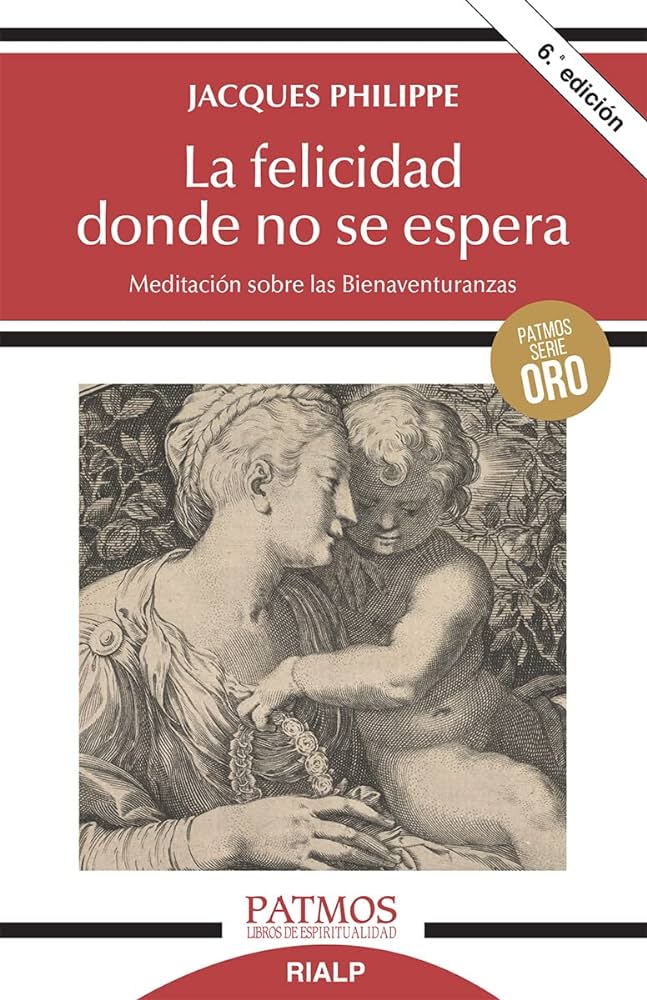


 LA MEDITACION DE LA ESPOSA