Solemnity of the Blessed Virgin Mary, the Mother of God (The Octave Day of Christmas)

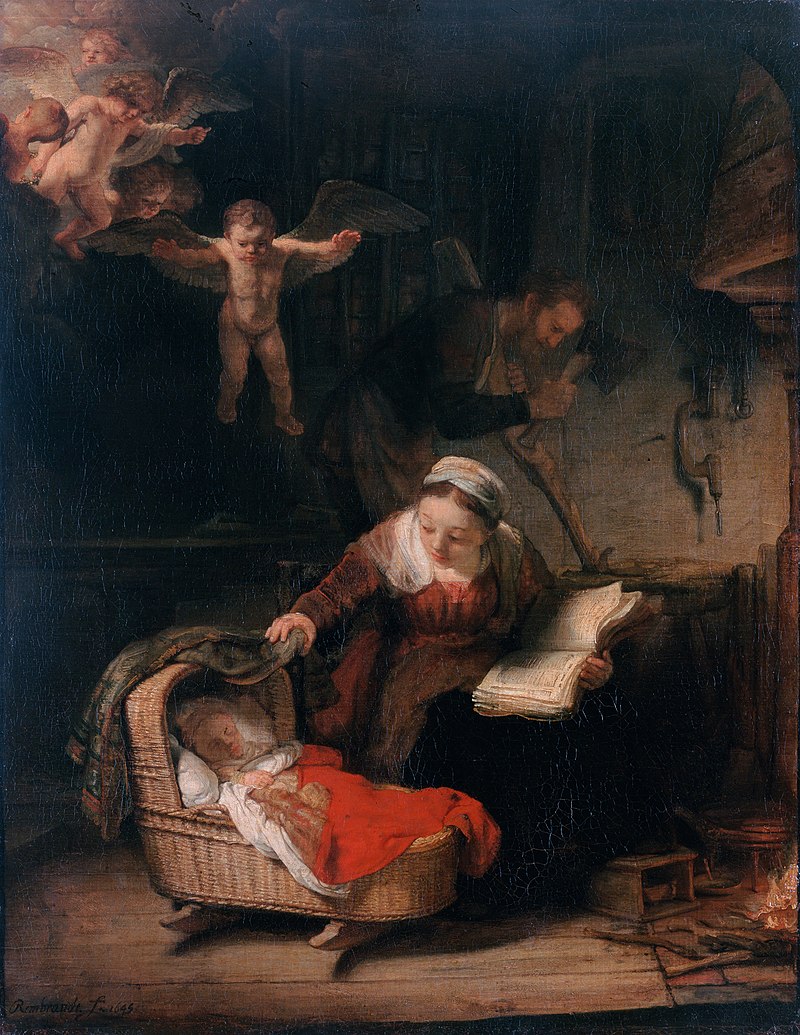
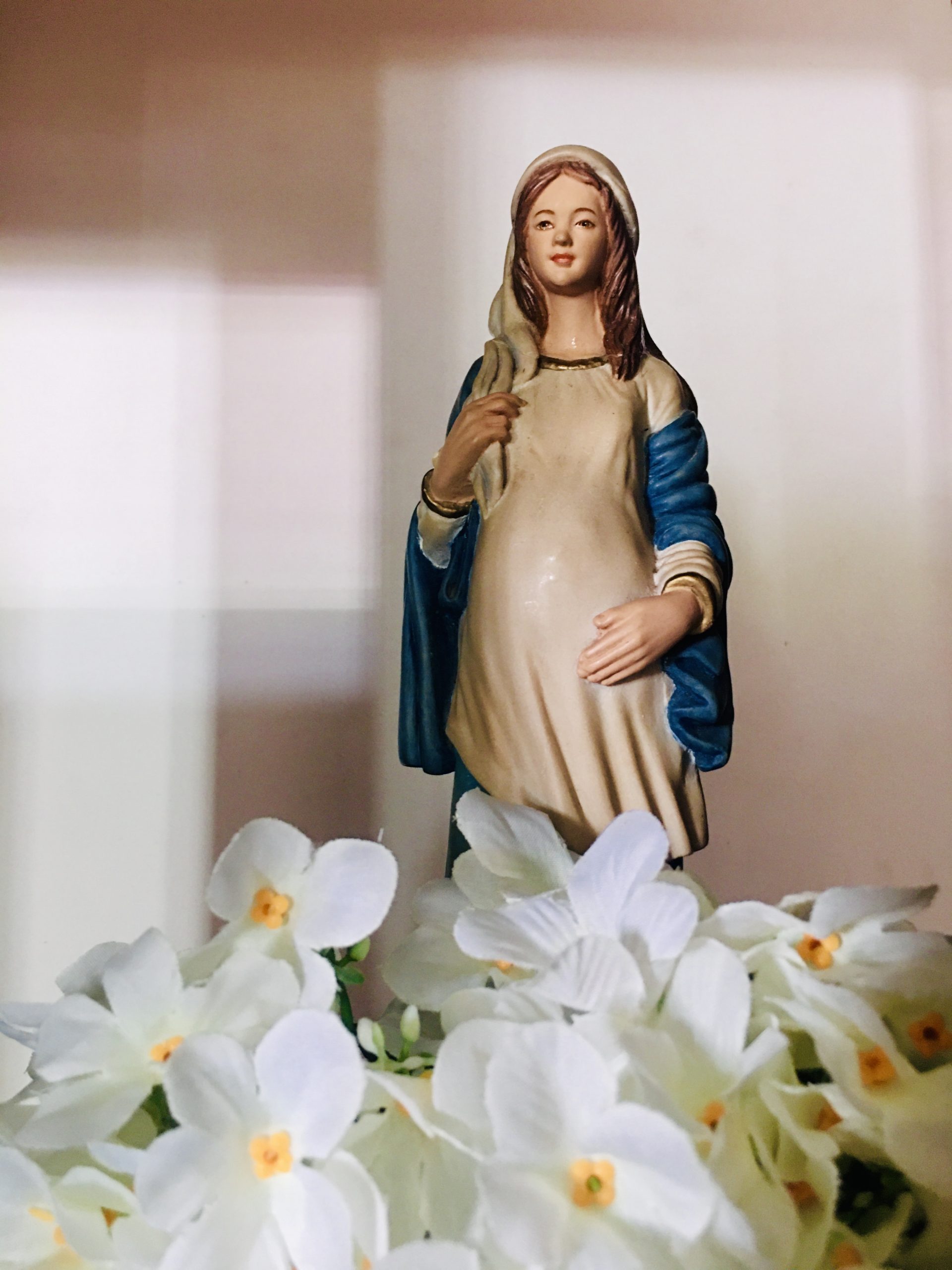
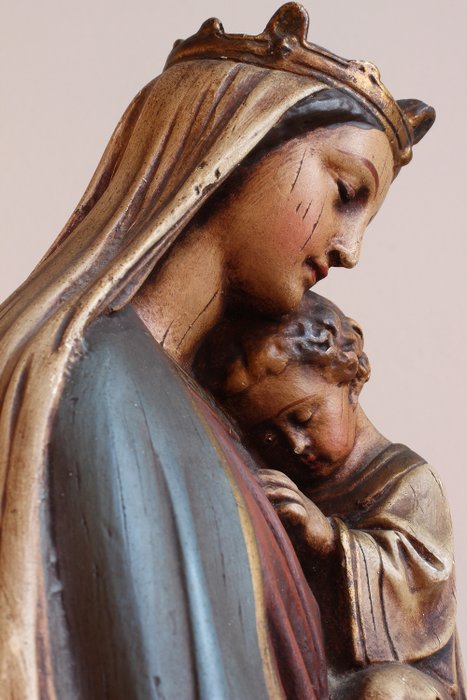
Mary was a Jewish girl and the perfect person to be the mother of God. She continually turned to the Lord, making God present not only physically, at Bethlehem, but spiritually wherever she was. To meet her would be to understand the quality of love the Lord was bringing to the world. The paintings and statues of Mary that I like best are those that depict her as a young mother, holding up her baby for him to bless the world.  As a man, I can never fathom what it must be like to hold in your arms the child that lived inside you for nine months.  What must have it been like for Mary to hold Jesus?  Did she see herself?  Did she see her family traits, her father’s eyes, her Uncle Solomon’s cleft chin?  Did she see the baby’s Eternal Father, the First Person of the Trinity? Did Mary see in Jesus the Mercy of God, the Peace of God, the Compassion of God for his people, a people that struggled to get by in the darkness of a world that had rejected its Creator? How much did Mary love this child? Certainly, she loved him as much as every mother loves her child.  But she must have loved him even more than this.  She must have loved this child with, as the preface for Advent says, a love beyond all telling. She loved the child created within her, and she loved the Creator whom the child perfectly reflected. So, it is reasonable to depict Mary holding the child up for him to bless the world, to bless us.

Her resolve to fulfill God’s plan for her and for all people resulted in our Savior becoming one of us. Mary is the only person in Scripture to be present in every aspect of Jesus’ life from his birth to his death. She is always there, saying to us: Look here is your Savior, my son. Just as Mary was resolved to make God present in the world through her faith and obedience, we are called to make God present to the world. 

Let´s start this year considering the mystery of Jesus’s presence in our lives.  We need to search for ways to bring this presence to others. Like Mary, we have to hold Jesus up to a world that seeks His blessing, that yearns for His salvation • AE


Solemnity of the Blessed Virgin Mary, the Mother of God

Monday, January 1, 2024 (NOT a Holiday of Obligation this year)

8.30 a.m. Mass – Fr. Agustin


Himno Akathistos

El Akáthistos (a veces pasa al español como «acátisto») es un gran himno de la liturgia oriental griega que medita sobre el misterio de la Maternidad Divina. Akáthistos quiere decir «no sentado». Se le llama así porque, a diferencia de otros himnos en la liturgia bizantina, se canta y escucha de pie como el Evangelio en señal de especial reverencia. La Iglesia oriental lo considera como expresión de su doctrina y piedad hacia la Madre de Dios. En el rito bizantino ocupa un lugar privilegiado y goza de su propia fiesta (el quinto sábado de cuaresma, llamado precisamente por eso sábado de Akáthistos) Es un himno de acción de gracias. La ciudad de Constantinopla, consagrada a María, cuando se veía asediada por los bárbaros recurría a su protección; y le daba gracias con vigilias y cánticos en su honor. Según el relato del Sinaxario, el Akáthistos habría tomado su nombre de las celebraciones nocturnas de agradecimiento a María: «Celebramos esta fiesta en recuerdo de las prodigiosas intervenciones de la Inmaculada Madre de Dios. Como recuerdo de estas liberaciones de Constantinopla, que todos atribuían a la Virgen, quedó la solemne introducción al Akáthistos  (probablemente a partir del del s. VIII) •


Solemnidad de Santa María, Madre de Dios (2024)

Desde el siglo IV, la Iglesia, después de celebrar solemnemente el nacimiento del Salvador, inicia el año nuevo bajo la protección maternal de María, Madre del Salvador y Madre nuestra. Los cristianos de hoy tendríamos que preguntarnos qué hemos hecho de María estos últimos años, pues probablemente hemos empobrecido nuestra fe eliminándola demasiado de nuestra vida.

Movidos, sin duda, por una voluntad sincera de purificar nuestra vivencia religiosa y encontrar una fe más sólida, hemos abandonado excesos piadosos, devociones exageradas, costumbres superficiales y extraviadas. Hemos cuidado de superar una falsa mariolatría en la que, tal vez, sustituíamos a Cristo por María y veíamos en Ella la salvación, el perdón y la redención que, en realidad, hemos de acoger desde su Hijo. Si todo ha sido corregir desviaciones y colocar a María en el lugar auténtico que le corresponde como Madre de Jesucristo y Madre de la Iglesia, nos tendríamos que alegrar y reafirmar en nuestra postura. Pero, ¿ha sido exactamente así? ¿No la hemos olvidado excesivamente? ¿No la hemos arrinconado en algún lugar oscuro del alma junto a las cosas que nos parecen de poca utilidad?

Un abandono de María, sin ahondar más en su misión y en el lugar que ha de ocupar en nuestra vida, no enriquecerá jamás nuestra vivencia cristiana sino que la empobrecerá. Probablemente hemos cometido excesos de mariolatría en el pasado, pero ahora corremos el riesgo de empobrecernos con su ausencia casi total en nuestras vidas.

María es la Madre de Cristo. Pero aquel Cristo que nació de su seno estaba destinado a crecer e incorporar a sí numerosos hermanos, hombres y mujeres que vivirían un día de su Palabra y de su gracia. Hoy María no es sólo Madre de Jesucristo. Es la Madre del Cristo total. Es la Madre de todos los creyentes. Es bueno que, al comenzar un año nuevo, lo hagamos elevando nuestros ojos hacia María. Ella nos acompañará a lo largo de los días con cuidado y ternura de madre. Ella cuidará nuestra fe y nuestra esperanza. No la olvidemos a lo largo del año que hoy comienza •



Feast of the Holy Family of Jesus, Mary and Joseph (2023)

B. E. Murillo, The Holy Family with a Little Bird (1650), oil on canvas, Museo Nacional del Prado (Madrid)

In our country we are competitive people. We have this drive to always want to be better than someone else. As a result we spend a lot of energy comparing ourselves, or our situations with those with whom we work, live near, etc. In many ways this is healthy. However, we would be wrong if we were to apply this natural competitive attitude to our families. It is neither just nor wise for us to compare our families to our neighbors. Yet, so many of us do this. This is wrong because, first, every family is a unique relationship of singular individuals. It is impossible for two families to be identical. Second, every family has challenges which usually are not apparent to the eye of the envious neighbors. Today, we celebrate the Feast of the Holy Family. In our natural competitive attitude, we are tempted to look at the Holy Family as an ideal we cannot realize in our families. But, Jesus, Mary and Joseph had their share of struggles. The trust which is fundamental to a marriage was challenged by Mary´s pregnancy. Joseph must have felt terrible when he had to bring his wife to a stable to have the child. Living in a foreign land, Egypt, away from family and traditions, was far from ideal. Still, the Holy Family made it through the difficulties of their family life for one reason only: they had great faith. Joseph had faith in the angel of his dreams and treated the pregnant Mary in an honorable way. He had faith that God would help him protect the child, and he moved the family to Egypt. Mary had faith both in the angel and in God’s working through Joseph. Jesus, having emptied himself of his divinity, had faith in his parents to care for him.

The Holy Family conquered their struggles through their faith-life. This must be the primary concern of our families. To be the best parents you can be, remain grounded in the Lord. Make prayer a part of your home life. Pray with your children at bedtime and pray for them after they fall asleep. Teach your children respect. Let them witness your respect for them, for each other, and for others and demand that they respect others, including you. Do your best, and trust God to do the rest. May all our families be Holy Families • AE


St. Dominic Catholic Church • Weekend Schedule

Feast of the Holy Family of Jesus, Mary and Joseph

Saturday, December 30, 2023

3.00 p.m. Sacrament of Reconciliation – Fr. Jaime.

5.00 p.m. Holy Mass (English) – Fr. Jaime.

Sunday, December 31, 2023

7.30 a.m. Holy Mass (English) – Fr. Jaime P.

10.00 a.m. Holy Mass (English) – Fr. Jaime P.

12.30 p.m. Holy Mass (English) – Fr. Agustin E.

3.00 p.m. Santa Misa  – Fr. Agustin E.


Nunc Dimmitis

El Nunc dimittis, también conocido como El cántico de Simeón, es un cántico del Evangelio de san Lucas, así llamado por sus primeras palabras traducidas al latín, que significan «Ahora dejas». Es uno de los cuatro Cánticos Evangélicos, siendo los otros tres el Magníficat o Cántico de María, el Benedictus o Cántico de Zacarías y el Gloria in excelsis Deo. Dentro de la Liturgia de las horas, el Nunc dimittis es el canto evangélico empleado en el rezo de las completas, la última parte de la Liturgia de las Horas. Esta hermosísima versión la debemos a la comunidad de Taizé (Francia) •


Fiesta de la Sagrada Familia 2023 (Infraoctava de Navidad)

Autor anónimo, Presentación de Jesús en el Templo (1370), Manuscrito iluminado, Galería Ufizzi (Florencia)

A ninguno nos gusta envejecer. La vejez evoca casi siempre en nosotros soledad, tristeza, esclerosis, aislamiento, amnesia; incapacidad para vivir intensamente.

¿Es posible ser llegar a viejo y vivir dichoso? Sin duda, depende de la familia, de los amigos, del ambiente, de la salud, de las condiciones de jubilación. Pero, en buena parte, depende también de cada hombre o mujer. Hay gente mayor que se hunde en la desconfianza, la rebelión o el pesimismo. Gente mayor amargada por el egoísmo, que tiraniza a quienes les rodean. Pero hay también gente mayor que ha descubierto la riqueza de esta edad.

Este domingo en el que celebramos a la Sagrada Familia el evangelio nos describe dos personajes hermosísmos: Simeón y Ana, dos ancianos que consumen sus últimos días a la sombra del templo de Jerusalén dando gracias a Dios y ofreciendo su sabiduría al pueblo.

Sin duda, envejecer no es un arte fácil. Tal vez, lo primero sea saber aceptar humildemente la vida tal como es, con su ritmo, sus posibilidades y sus limitaciones. Es gran sabiduría aceptar serenamente y sin engaños el momento particular de la vida en que nos encontramos.

Pero, ¿qué posibilidades puede ofrecer una edad aparentemente tan triste y temida como la vejez? En primer lugar, la vejez puede ser la gran ocasión para recuperar la paz del corazón y reconciliarnos con nosotros mismos. En la medida en que van disminuyendo otras actividades y preocupaciones, puede ser más fácil descansar de tanta agitación y encontrarse serenamente con uno mismo. Pero para ello, es necesario confiar en Dios. Mirar nuestra vida pasada con los ojos de ese Dios que comprende nuestras equivocaciones, perdona nuestros pecados más oscuros y nos acepta como somos. Dejar en sus manos nuestro futuro porque sólo Él nos ama al fin. Entonces, la vejez puede ser tiempo para saborear la bondad de Dios, momento propicio para agradecer el regalo de la vida, tal como ha sido, con sus horas hermosas y sus momentos amargos. Pero puede ser, además, el tiempo de la sabiduría y de la verdad. Tiempo para relativizar tantas cosas que no tenían la importancia que les hemos dado a lo largo de la vida. Tiempo para recordar a los jóvenes dónde está, al final, lo verdaderamente esencial. Y, sobre todo, tiempo de oración sencilla para convertir esas largas horas de silencio, soledad y, tal vez, de sufrimiento, en maduración confiada para el encuentro final con Dios • AE


¿Qué andas leyendo?


The Nativity of the Lord (Christmas) 2023

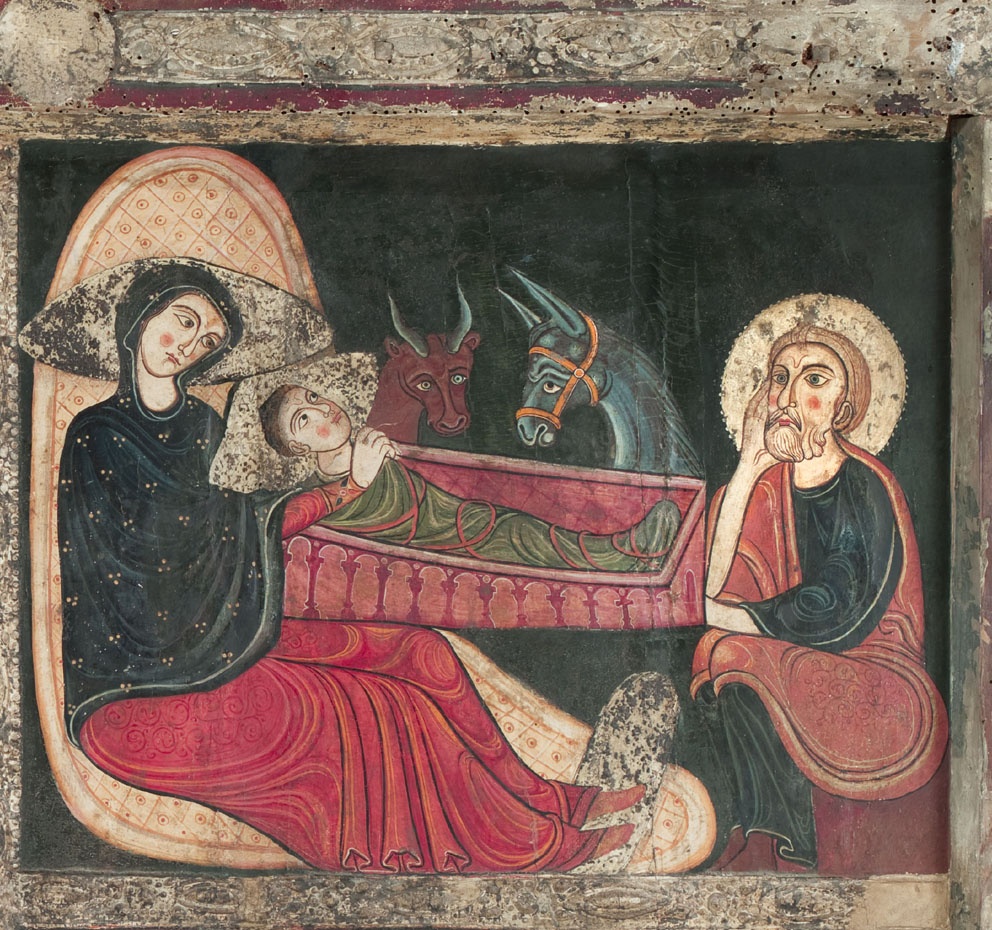
O Come All Ye Faithful, Joyful and Triumphant, Come Ye O Come Ye to Bethlehem. Our Christmas liturgies most often begin with this beautiful hymn. We are called to be faithful, joyful and triumphant. We are called to celebrate the central event of humankind, the Christ Event. God has entered human history as one of us. He has come to destroy the grip of sin. He has come to restore spiritual life. So we return to Bethlehem to find Mary and Joseph with their newborn son, our newborn Savior. Some people say that they were homeless, but they weren’t. They just didn’t have a place to stay. Joseph was a carpenter. He could afford a room, only there was no room available in the Inn; so the stable had to do. I’m sure he was devastated that he couldn’t provide better for Mary and Jesus. But they had all they needed. They had each other. They had love. They had God in the center of their love. The birth of a child should be celebrated. But Joseph and Mary were far away from their relatives. Who would celebrate their child? Then the shepherds came telling their story of angels singing “Glory to God on High,” Joseph knew that God was in control. Jesus’ birth was celebrated greater than any child ever born. And it still is.

O Come, all ye faithful! Come all you who are grieving. Come all ye who cringe at the thought of an empty place at the table this year. Come to Bethlehem, the City of Bread, and know that a day will come when you will sit with your loved ones at the Banquet of the Lord.

Come you who are sick with chronic ailments. Come before the One who heals. Know that when you are with him you are only physically ill. Know that when you are before the Christ child, you are spiritually strong.

Come all you who have pain in your family. Come you who are suffering from a marriage that is in trouble. Come you who are dealing with adult children who are more aggressive than loving. Come before the Holy Family. Come and pray that their love might reignite the love of your family.

Come you who are elderly and waiting for what is next. Come you who fear that this might be your last Christmas. Come before the One who is eternal and know that you have only begun to number your Christmas celebrations. O Come, all ye faithful. Come you who are poor. Come you who are in pain that you cannot provide more for your family. Come to the stable where the best that Joseph could do for his family is provide a manger for their baby. Come and realize that your family needs nothing more than love.

Come you who are poor in your riches. Come all you who try to buy happiness. Come and worship before the source of all joy. Come and find the pearl that is beyond all price. Come before Jesus.

Come you who fear for the future of our country. Come before the King and pray for our country and our world. Come to Bethlehem, the City of David, David the King. Come and remember that our citizenship lies in heaven. O Come, all ye faithful. Come all you who are fighting addictions. Come before the only one who knows your struggles, who hurts for you and with you. Come to Bethlehem before the One who will always pick you up so that you can fall on your knees before Him.

Come all you sinners, all us sinners. Come before the One who was born to forgive. Weak and weary sinners, Come to Jesus. Weak and weary world, Come to Jesus. O Come all ye faithful. Experience the One who has come for you, for us.

O Come, all ye faithful. Come before Jesus, born to a Virgin in Bethlehem •


Music for Christmas

The Christmas Oratorio (German: Weihnachtsoratorium), BWV 248, is an oratorio by Johann Sebastian Bach intended for performance in church during the Christmas season. It is in six parts, each part a cantata intended for performance in a church service on a feast day of the Christmas period. It was written for the Christmas season of 1734.


Solemnidad de la Natividad del Señor (2023)

Te diré mi amor, Rey mío,

en la quietud de la tarde,

cuando se cierran los ojos

y los corazones se abren.

Te diré mi amor, Rey mío,

con una mirada suave,

te lo diré contemplando

tu cuerpo que en pajas yace.

Te diré mi amor, Rey mío,

adorándote en la carne,

te lo diré con mis besos,

quizá con gotas de sangre.

Te diré mi amor, Rey mío,

con los hombres y los ángeles,

con el aliento del cielo

que espiran los animales.

Te diré mi amor, Rey mío,

con el amor de tu Madre,

con los labios de tu Esposa

y con la fe de tus mártires.

Te diré mi amor, Rey mío,

¡oh Dios del amor más grande!

¡Bendito en la Trinidad,

que has venido a nuestro valle!

Amén.

Celebramos hoy la natividad del Señor, por todos lados se oyen villancicos que un día fueron compuestos para para adorar a un Dios cercano pero que se han ido deformando por la publicidad o repetidos hasta la saciedad en comercios y grandes almacenes. Símbolos llenos de ternura sólo sirven para incitar a la compra. Todo se llena de luces que no iluminan el interior de nadie y de estrellas que no guían a ninguna parte. ¿Qué se esconde detrás de todo esto? ¿A qué viene esta atmósfera tan especial? En el ambiente flota el recuerdo vago de un niño nacido en un pesebre. Pero, ¿por qué este niño y no otro? ¿Es todo una leyenda ingenua? ¿Sólo un pretexto para poner en marcha los mecanismos de la sociedad de consumo? ¿Por qué sigue teniendo la Navidad esa fuerza tan evocadora? Tiene que haber algún secreto.

Según algunos, se trata, en buena parte, de un deseo secreto de recuperar la infancia perdida. El hombre moderno está necesitado de ternura y protección. La vida se le hace demasiado dura y despiadada. Es muy fuerte la contradicción entre la realidad penosa de cada día y el deseo de felicidad que habita al ser humano. Por eso, al terminar la Navidad, son bastantes los que sienten el sabor agridulce de una fiesta fallida o inacabada.

Por otra parte, es fácil observar que, tras el derroche, las cenas abundantes y la fiesta, también hay nostalgia. Se canta la paz, pero no es posible olvidar las guerras y la violencia. Nos deseamos felicidad, pero nadie ignora la crisis y las desgracias. Se hacen gestos de bondad, pero no se puede ocultar la crueldad y la insolidaridad. Nuestros deseos navideños están muy lejos de hacerse realidad.

Sin embargo, una experiencia común aflora estos días en el corazón de muchos: el mundo no es lo que quisiéramos. Creyentes y no creyentes todos parecen percibir que el ser humano está reclamando algo que no es capaz de darse a sí mismo. Navidad es la fiesta que mejor puede ser compartida por todos, cualesquiera que sean nuestras convicciones o nuestras dudas, pues, en el fondo, todos captamos que nuestra existencia frágil y desvalida está necesitada de salvación.

Estos días la liturgia nos recuerda una frase del evangelista Juan. Nos dice que este niño que nace en Belén es «luz para todo hombre que viene a este mundo», para los que creen y para los que dudan, para los que buscan y para los que no creen necesitarlo. Este Dios hecho hombre por nuestra salvación es más grande que todas nuestras dudas o esperanzas, más grande que nuestros gritos y blasfemias. Es Dios. Es amor infinito al hombre. Es nuestra salvación y lo tenemos al alcance de una mirada, de un deseo, de un volvernos hacia él con todo el corazón, o al menos con una parte de nuestro corazón ¿por qué no intentarlo? •


Fourth Sunday of Advent (2023)

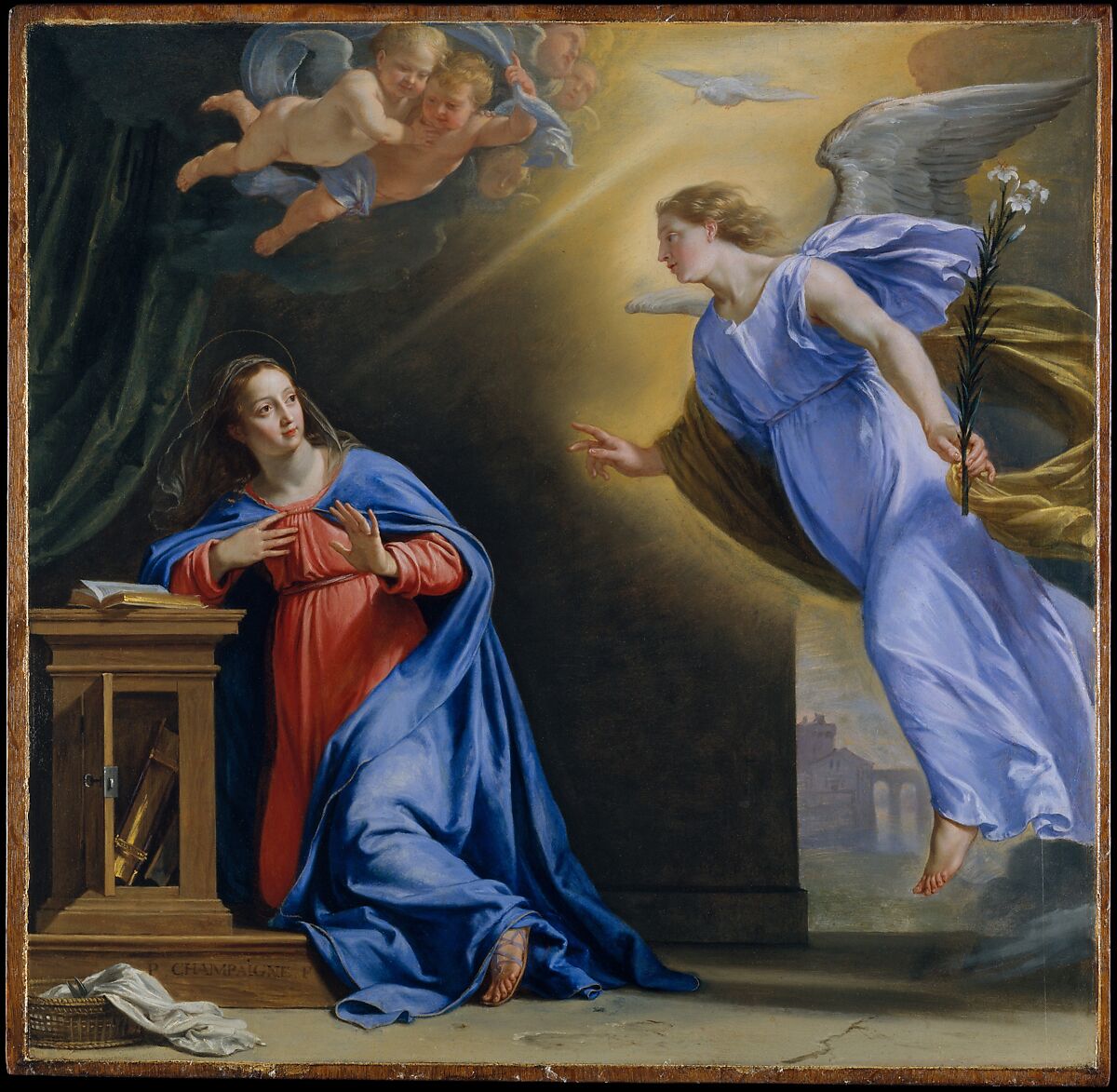
P. de Champaigne, The Annunciation (ca. 1644), oil on oak, The Metropolitan Museum of Art (New York)

This small work of art representing the Annunciation is exhibited in the Metropolitan Museum in New York. The dove represented, of course, the Holy Spirit. Rays of light emanated from the dove and seemed to be entering into one of Mary’s ears. The artist’s point was that Mary heard the Word of God. That was why the Holy Spirit was able to overshadowed her. That was how the Word of God became flesh through her. Mary was given a choice. The world waited for her answer. She could have refused to allow God’s plan to work through her, but our Lady was open to the Word of God. She allowed the Word to enter her and transform her from a simple maiden to the mother of the Second Person of the Blessed Trinity, to the Queen of the Universe. She was open to the Word of God, and the Word of God used her to transform the world.

Mary said “Yes!” to the Word in her ear and became the Mother of God. That same Word of God whispers into our ears, yours and mine. He calls us to continue the transformation of the world. He calls us to make the Savior real to those who long for his presence. Will we reject the Word and force Him to look for another ear? Will we obey grudgingly and limit His action through us? Or will we make a decision for the Lord, and offer ourselves totally to God? We are here because we have chosen Jesus Christ. We recognize our humanity, our weakness, and we seek strength to remain faithful to this choice. Mary’s great virtue was her obedience. In contrast to Eve, Mary, the New Eve, brought new life, Divine Life, to the world. The Word of God calls us to nurture the presence of Christ within us. We are not pregnant like Mary became, but we still have the Living Jesus within us. Like an expectant mother, all of us care for this new and wonderful presence. We eat the food we need, the Eucharist, to allow this Presence to grow. The Word of God whispers into our ears and calls upon us to bring this Divine Presence within us to others. We do this by standing up for our faith. We do this by searching out for those who need His Strength. So many people hurt at Christmas time. People who have lost loved ones need special attention. People who are wandering the world listlessly, from thing to thing, need special care. People who are sick and elderly and wondering if this will be their last Christmas, need the assurance that God’s love will usher them an eternal Christmas.

What a wonderful time we are living in. Not just Christmas time. We are living in the time of the Word of God. His Presence is within us. His Presence is around us. His presence is real. He is Real. The Word of God whispered into Mary’s ear, and she conceived. The Word of God is shouting into our ears, and we are transforming the world with His Presence. Hail Mary, Full of Grace. Because you let God work within you, we have become the Masterpiece of His Hand • AE


St. Dominic Catholic Church • Weekend Schedule

Fourth Sunday of Advent 2023

Christmas Eve & Christmas Day 2023

Saturday, December 23, 2023

3.00 p.m. Sacrament of Reconciliation – Fr. Agustin.

5.00 p.m. Holy Mass (English) – Fr. Agustin.

6.30 p.m. Christmas Pageant

Sunday, December 24, 2023

7.30 a.m. Holy Mass (English) – Fr. Agustin E.

10.00 a.m. Holy Mass (English) – Fr. Agustin E.

12.30 p.m. Holy Mass (English) – Fr. Jaime P.

Christmas Eve 2023

6.00 p.m. Holy Mass (Bilingual) – Fr. Agustin

11.00 p.m. Holy Mass (Bilingual) – Fr. Jaime

Monday, December, 25, Solemnity of the Nativity of the Lord 2023

10.00 a.m. Holy Mass (English) – Fr. Jaime P.

12.30 p.m. Holy Mass (English) – Fr. Agustin E.


IV Domingo de Adviento (Ciclo A)

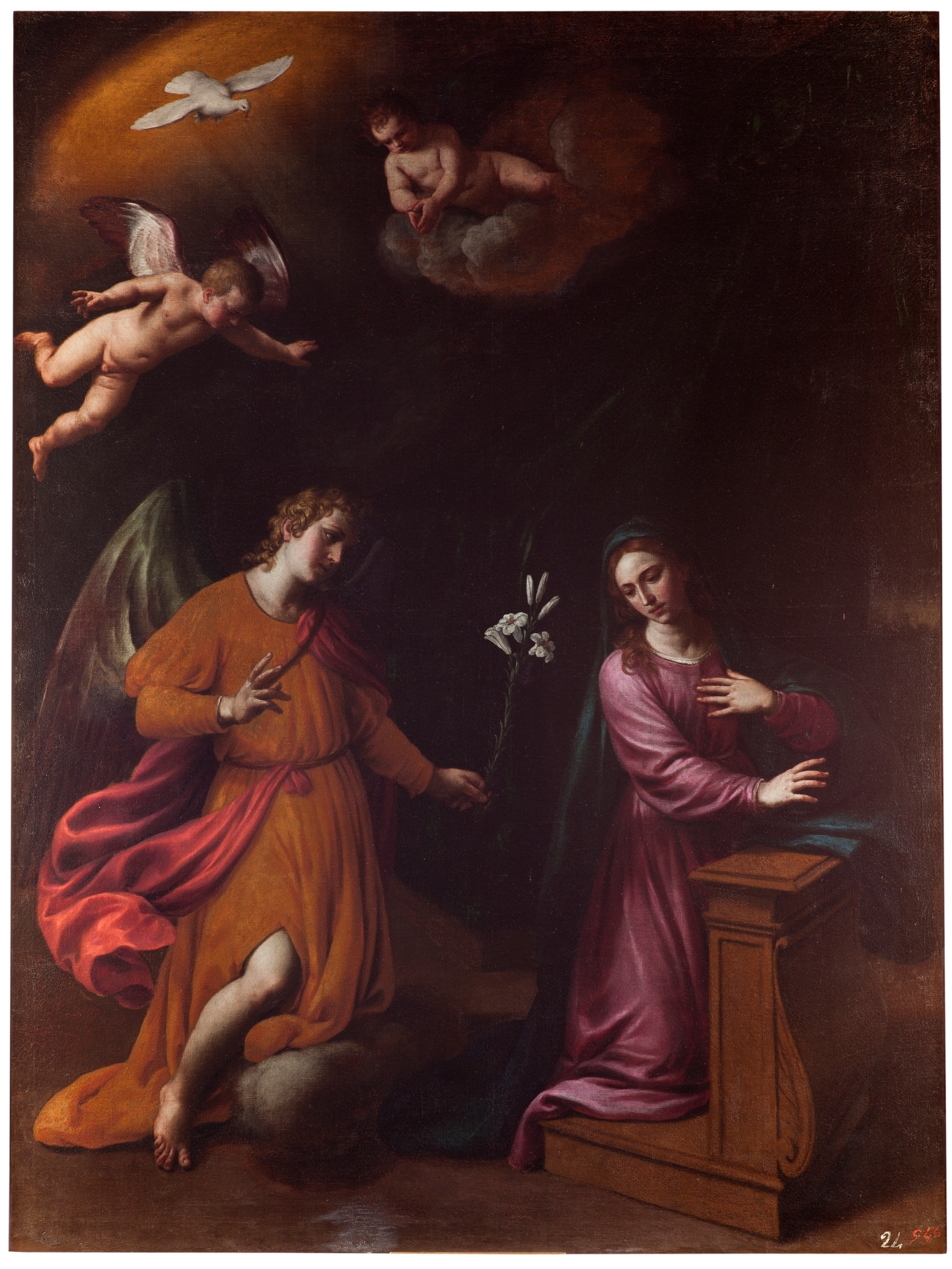
A. Turcci, La Anunciación (1635), óleo sobre lienzo, Museo Nacional del Prado (Madrid)

En vísperas de la Navidad, la liturgia nos presenta la figura de la Santísima Virgen María acogiendo en gozo a Dios. Como nos dijo el concilio hace cincuenta años, la Virgen es modelo para la Iglesia. De ella podemos aprender a ser más fieles a Jesús y su evangelio. ¿Cuáles podrían ser los rasgos de una Iglesia más mariana en nuestros días?

Una Iglesia que fomenta la ternura maternal hacia todos sus hijos cuidando el calor humano en sus relaciones con ellos. Una Iglesia de brazos abiertos, que no rechaza ni condena, sino que acoge y encuentra un lugar adecuado para cada uno. Para todos. Si: para todos.

Una Iglesia que, como María, proclama con alegría la grandeza de Dios y su misericordia también con las generaciones actuales y futuras. Una Iglesia que se convierte en signo de esperanza por su capacidad de dar y transmitir vida.

Una Iglesia que sabe decir a Dios sin saber muy bien a dónde le llevará su obediencia. Una Iglesia que no tiene respuestas para todo, pero que busca con confianza, abierta al diálogo con los que no se cierran al bien, la verdad y el amor #Sinodalidad.

Una Iglesia humilde como la Virgen, siempre atenta a la escucha de su Señor. Una Iglesia más preocupada por comunicar el Evangelio de Jesús que por tenerlo todo definido y planeado.

Una Iglesia del Magníficat, que no se complace en los ricos e importantes del mundo, sino que busca pan y dignidad para los pobres y hambrientos, sabiendo que Dios está de su parte.

Una Iglesia atenta al sufrimiento de todo ser humano, que sabe, como la Virgen. olvidarse de sí misma y salir aprisa para estar cerca de quien necesita ser ayudado. Una Iglesia preocupada por la felicidad de todos los que no tienen vino para celebrar la vida. Una Iglesia que anuncia la hora de la mujer y promueve con gozo su dignidad, responsabilidad y creatividad femenina.

Una Iglesia, en fin, contemplativa que sabe guardar y meditar en su corazón el misterio de Dios que se hace realidad  -¡se hace carne!- en Jesús. Una Iglesia que cree, ora, sufre y espera la salvación de Dios anunciando con humildad la victoria final del amor • AE


De luz nueva se viste la tierra,

porque el Sol que del cielo ha venido

en el seno feliz de la Virgen

de su carne se ha revestido.

El amor hizo nuevas cosas,

el Espíritu ha descendido

y la sombra del que es poderoso

en la Virgen su luz ha encendido.

Ya la tierra reclama su fruto

y de bodas se anuncia alegría,

el Señor que en los cielos moraba

se hizo carne en la Virgen María.

Gloria a Dios, el Señor poderoso,

a su Hijo y Espíritu Santo,

que en su gracia y su amor nos bendijo

y a su reino nos ha destinado. Amén •


Third Sunday of Advent (Cycle B)

So many people are hurting. So many people are searching for some sort of meaning to the madness of life. They need us to be heralds of God’s presence. We are called upon to assume the role of John the Baptist, proclaiming a new way of life, a new kingdom. Who was this John the Baptist? In the Gospel for today we hear him declare that he is not Elijah, not the prophet Moses spoke about, nor is he the anointed one, the Christ. Who was this John the Baptist? The first words of today’s gospel tell us everything we need to know about him. He is the one who was sent to give testimony. He was sent. The word in the original Greek is apostolein, apostle. He was sent to give testimony. The word here in the original Greek is marturios, martyr. John the Baptist, Apostle and Martyr. John was the first apostle. He was the first one sent to proclaim the presence of the Christ. He was also the first Christian martyr. John was the first one to give testimony to the Truth of Christ among us. He paid with his life for his testimony to Truth. We are called to be like John the Baptist. We are called to be apostles and witnesses. We have been entrusted with a mission from God. We have been created for a purpose. We were given God’s life at baptism so we can share his life with others. We are his witnesses. We are called to make the presence of Christ a reality in our worlds by giving witness to his presence in our own lives.

The world deeply needs our witness to Christ. Look how evident that is right now, just two weeks before Christmas. For many people Christmas has become a pagan celebration. Materialism is their god. All mention of spirituality is rejected. They claim that Christ does not exist, or that if he ever did exist, he has lost his impact upon the world. With this as the basis of their lives, they condemn themselves to a life of frustration. Because they reject Christ, they reject his cross and find themselves incapable of putting sacrifice for others before their own selfishness. They demand that all mention of Jesus be taken out of Christmas. They refer to Christmas as the gifting season. They want the feast of Christ’s presence among us to become the exact opposite of the whole reason why God sent his Son. They reject Christ and contort Christmas into a celebration of materialism. Their Christmas models their lives: shallow, empty, meaningless. And they hurt. They hurt because deep within themselves they need this Messiah whose life they have rejected. But where can they find him? The world that has rejected Jesus Christ needs witnesses to His Presence. The world needs new John the Baptists to point to Jesus. We are called to be these witnesses • AE


St. Dominic Catholic Church

Weekend Schedule

Saturday, December 16, 2023

3.00 p.m. Sacrament of Reconciliation – Fr. Jaime P.

5.00 p.m. Holy Mass (English) – Fr. Jaime P.

Sunday, December 17, 2023

7.30 a.m. Holy Mass (English) – Fr. Jaime P.

10.00 a.m. Holy Mass (English) – Fr. Jaime P.

12.30 p.m. Holy Mass (English) – Fr. Agustin E.

3.00 p.m. Santa Misa – Fr. Agustin E.


Tercer Domingo de Adviento (Ciclo B)

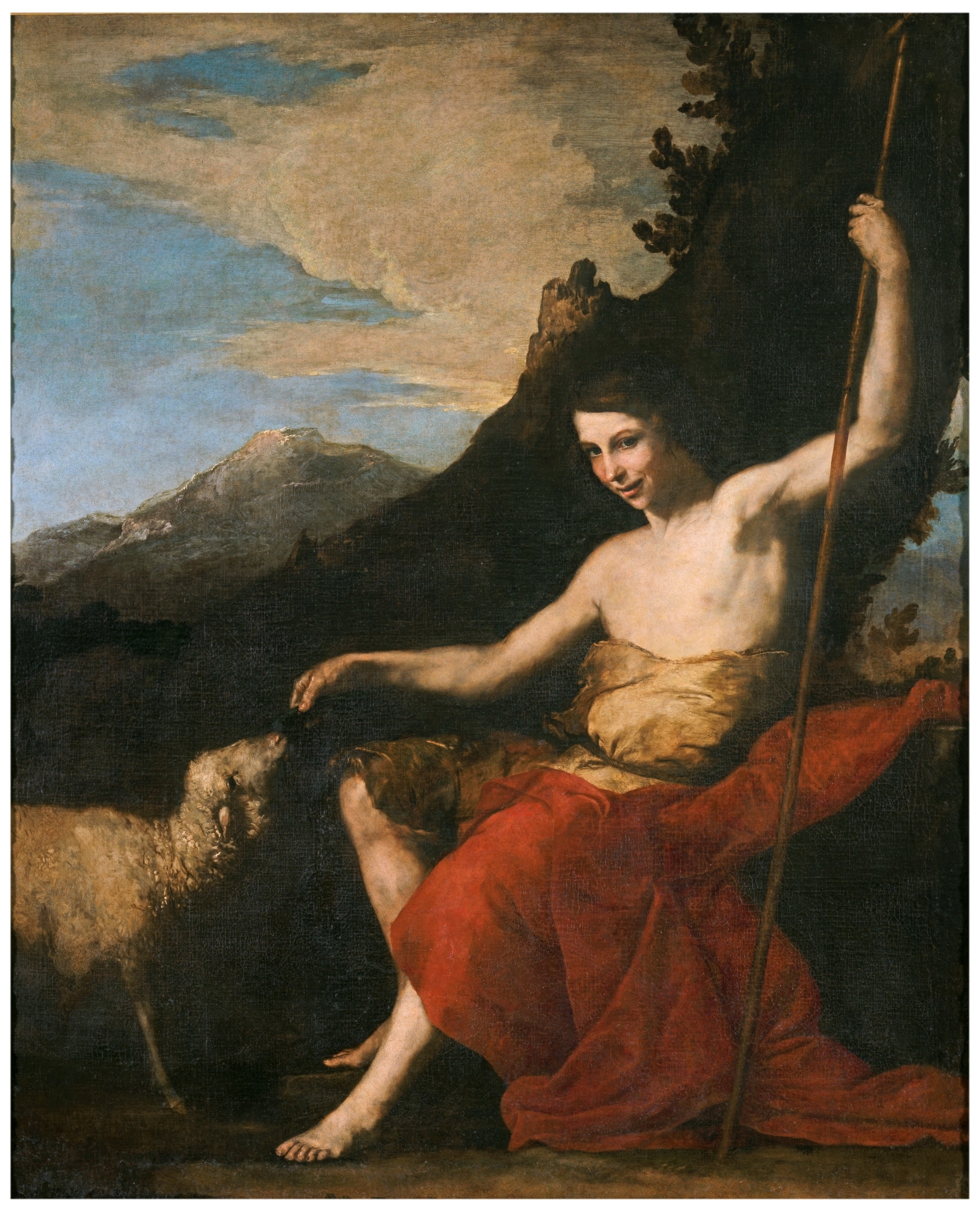
J. de Ribera, San Juan Bautista en el desierto (1641), óleo sobre tela, Museo Nacional del Prado (Madrid)

Es curioso cómo presenta en el evangelio de este domingo, el tercero de Adviento, la figura de Juan el Bautista. Es un hombre, sin más calificativos ni precisiones. Nada se nos dice de su origen o condición social. El mismo sabe que no es importante. No es el Mesías, no es Elías, ni siquiera es el Profeta que todos están esperando. Sólo se ve a sí mismo como la voz que grita en el desierto. Sin embargo se nos dice que Dios lo envía como testigo de la luz» capaz de despertar la fe de todos. Una persona que puede contagiar luz y vida. ¿Qué es ser testigo de la luz?

El testigo es como Juan. No se da importancia. No busca ser original ni llamar la atención. No es narcisista. No trata de impactar a nadie. Sencillamente vive su vida de manera convencida. Se le ve que Dios ilumina su vida. Lo irradia en su manera de vivir y de creer. El testigo de la luz no habla mucho, pero es una voz. Vive algo inconfundible. Comunica lo que a él le hace vivir. No dice cosas sobre Dios, pero contagia algo. No da lecciones de moral, y su levanta el dedo es para señalar al Señor, no para decir “El magisterio de la Iglesia dice…”, sino que, sencillamente invita a creer. Invita. Nunca impone. La vida del testigo atrae y despierta interés. No culpabiliza a nadie. No condena. Contagia confianza en Dios, libera de miedos. Abre siempre caminos. Es como el Bautista: allana el camino al Señor. El testigo se siente débil y limitado. Muchas veces comprueba que su fe no encuentra apoyo ni eco social. Incluso se ve rodeado de indiferencia o rechazo. El testigo de Dios no juzga a nadie. No ve a los demás como adversarios que hay que combatir o convencer. Dios sabe cómo encontrarse con cada uno de sus hijos e hijas.

Se dice que el mundo actual se va convirtiendo en un desierto, pero el testigo nos revela que algo sabe de Dios y del amor, algo sabe de la fuente y de cómo se calma la sed de felicidad que hay en el ser humano. La vida está llena de pequeños testigos. Son creyentes sencillos, humildes, conocidos sólo en su entorno. Personas entrañablemente buenas que viven desde la verdad y el amor. Ellos nos allanan el camino hacia Dios ¡Qué afortunados somos al tenerlos cerca! • AE


Ellas

(a propósito de la noche que ahi viene: la Nochebuena)