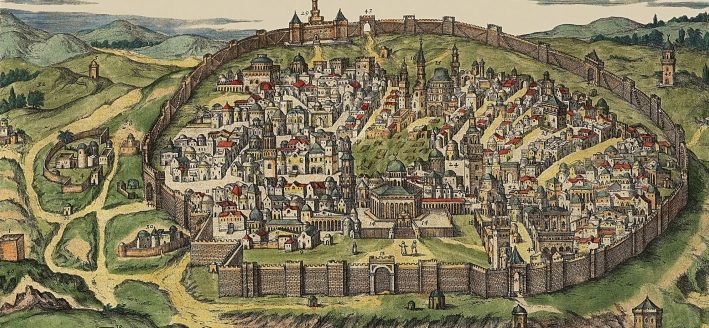
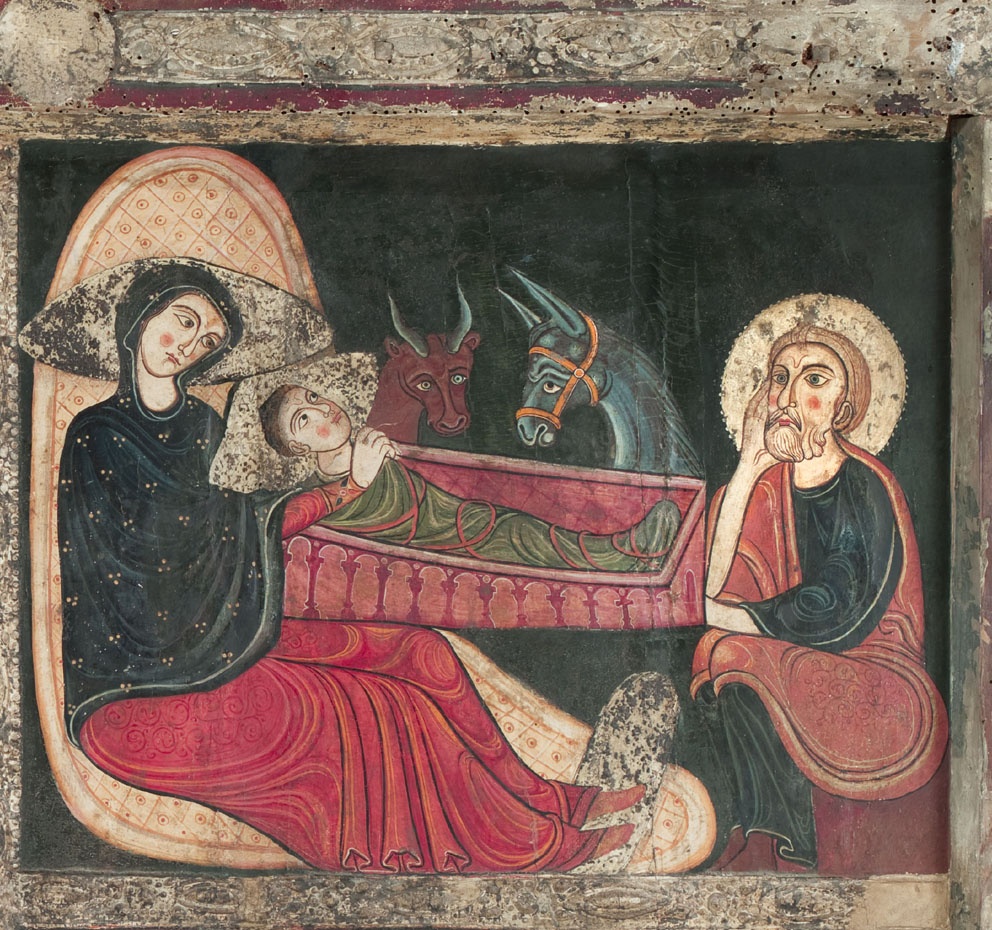
O Come All Ye Faithful, Joyful and Triumphant, Come Ye O Come Ye to Bethlehem. Our Christmas liturgies most often begin with this beautiful hymn. We are called to be faithful, joyful and triumphant. We are called to celebrate the central event of humankind, the Christ Event. God has entered human history as one of us. He has come to destroy the grip of sin. He has come to restore spiritual life. So we return to Bethlehem to find Mary and Joseph with their newborn son, our newborn Savior. Some people say that they were homeless, but they weren’t. They just didn’t have a place to stay. Joseph was a carpenter. He could afford a room, only there was no room available in the Inn; so the stable had to do. I’m sure he was devastated that he couldn’t provide better for Mary and Jesus. But they had all they needed. They had each other. They had love. They had God in the center of their love. The birth of a child should be celebrated. But Joseph and Mary were far away from their relatives. Who would celebrate their child? Then the shepherds came telling their story of angels singing “Glory to God on High,” Joseph knew that God was in control. Jesus’ birth was celebrated greater than any child ever born. And it still is.
O Come, all ye faithful! Come all you who are grieving. Come all ye who cringe at the thought of an empty place at the table this year. Come to Bethlehem, the City of Bread, and know that a day will come when you will sit with your loved ones at the Banquet of the Lord.
Come you who are sick with chronic ailments. Come before the One who heals. Know that when you are with him you are only physically ill. Know that when you are before the Christ child, you are spiritually strong.
Come all you who have pain in your family. Come you who are suffering from a marriage that is in trouble. Come you who are dealing with adult children who are more aggressive than loving. Come before the Holy Family. Come and pray that their love might reignite the love of your family.
Come you who are elderly and waiting for what is next. Come you who fear that this might be your last Christmas. Come before the One who is eternal and know that you have only begun to number your Christmas celebrations. O Come, all ye faithful. Come you who are poor. Come you who are in pain that you cannot provide more for your family. Come to the stable where the best that Joseph could do for his family is provide a manger for their baby. Come and realize that your family needs nothing more than love.
Come you who are poor in your riches. Come all you who try to buy happiness. Come and worship before the source of all joy. Come and find the pearl that is beyond all price. Come before Jesus.
Come you who fear for the future of our country. Come before the King and pray for our country and our world. Come to Bethlehem, the City of David, David the King. Come and remember that our citizenship lies in heaven. O Come, all ye faithful. Come all you who are fighting addictions. Come before the only one who knows your struggles, who hurts for you and with you. Come to Bethlehem before the One who will always pick you up so that you can fall on your knees before Him.
Come all you sinners, all us sinners. Come before the One who was born to forgive. Weak and weary sinners, Come to Jesus. Weak and weary world, Come to Jesus. O Come all ye faithful. Experience the One who has come for you, for us.
O Come, all ye faithful. Come before Jesus, born to a Virgin in Bethlehem •

Music for Christmas
The Christmas Oratorio (German: Weihnachtsoratorium), BWV 248, is an oratorio by Johann Sebastian Bach intended for performance in church during the Christmas season. It is in six parts, each part a cantata intended for performance in a church service on a feast day of the Christmas period. It was written for the Christmas season of 1734.
Solemnidad de la Natividad del Señor (2023)
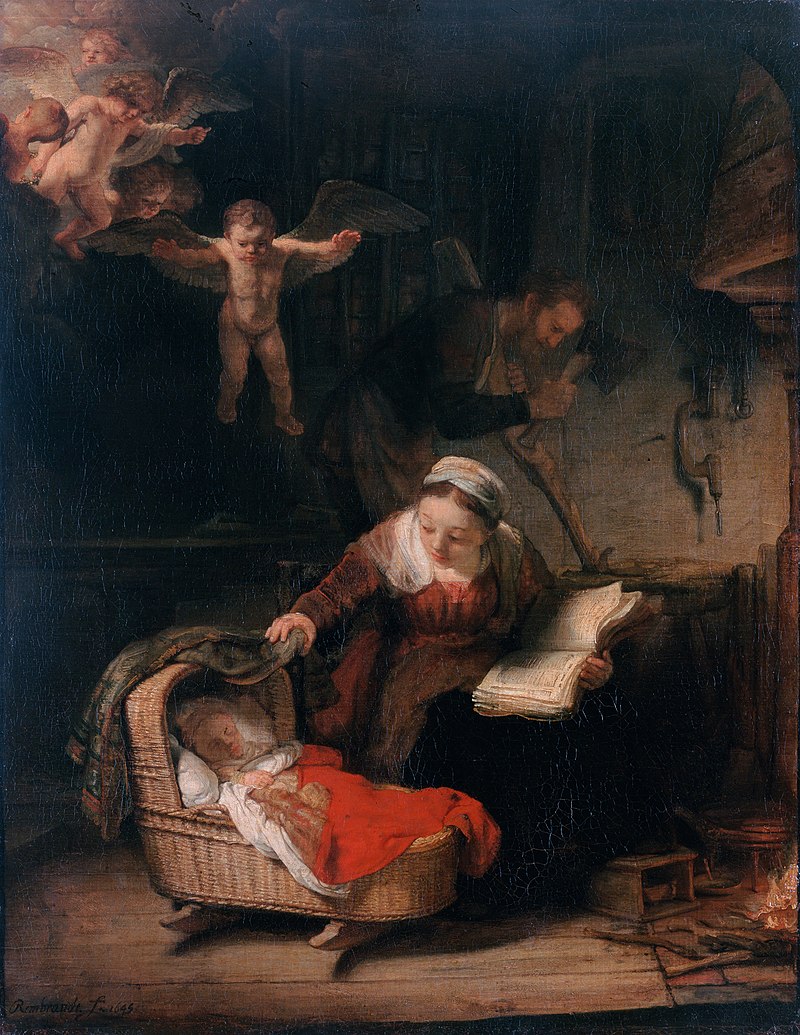
Te diré mi amor, Rey mío,
en la quietud de la tarde,
cuando se cierran los ojos
y los corazones se abren.
Te diré mi amor, Rey mío,
con una mirada suave,
te lo diré contemplando
tu cuerpo que en pajas yace.
Te diré mi amor, Rey mío,
adorándote en la carne,
te lo diré con mis besos,
quizá con gotas de sangre.
Te diré mi amor, Rey mío,
con los hombres y los ángeles,
con el aliento del cielo
que espiran los animales.
Te diré mi amor, Rey mío,
con el amor de tu Madre,
con los labios de tu Esposa
y con la fe de tus mártires.
Te diré mi amor, Rey mío,
¡oh Dios del amor más grande!
¡Bendito en la Trinidad,
que has venido a nuestro valle!
Amén.

Celebramos hoy la natividad del Señor, por todos lados se oyen villancicos que un día fueron compuestos para para adorar a un Dios cercano pero que se han ido deformando por la publicidad o repetidos hasta la saciedad en comercios y grandes almacenes. Símbolos llenos de ternura sólo sirven para incitar a la compra. Todo se llena de luces que no iluminan el interior de nadie y de estrellas que no guían a ninguna parte. ¿Qué se esconde detrás de todo esto? ¿A qué viene esta atmósfera tan especial? En el ambiente flota el recuerdo vago de un niño nacido en un pesebre. Pero, ¿por qué este niño y no otro? ¿Es todo una leyenda ingenua? ¿Sólo un pretexto para poner en marcha los mecanismos de la sociedad de consumo? ¿Por qué sigue teniendo la Navidad esa fuerza tan evocadora? Tiene que haber algún secreto.
Según algunos, se trata, en buena parte, de un deseo secreto de recuperar la infancia perdida. El hombre moderno está necesitado de ternura y protección. La vida se le hace demasiado dura y despiadada. Es muy fuerte la contradicción entre la realidad penosa de cada día y el deseo de felicidad que habita al ser humano. Por eso, al terminar la Navidad, son bastantes los que sienten el sabor agridulce de una fiesta fallida o inacabada.
Por otra parte, es fácil observar que, tras el derroche, las cenas abundantes y la fiesta, también hay nostalgia. Se canta la paz, pero no es posible olvidar las guerras y la violencia. Nos deseamos felicidad, pero nadie ignora la crisis y las desgracias. Se hacen gestos de bondad, pero no se puede ocultar la crueldad y la insolidaridad. Nuestros deseos navideños están muy lejos de hacerse realidad.
Sin embargo, una experiencia común aflora estos días en el corazón de muchos: el mundo no es lo que quisiéramos. Creyentes y no creyentes todos parecen percibir que el ser humano está reclamando algo que no es capaz de darse a sí mismo. Navidad es la fiesta que mejor puede ser compartida por todos, cualesquiera que sean nuestras convicciones o nuestras dudas, pues, en el fondo, todos captamos que nuestra existencia frágil y desvalida está necesitada de salvación.
Estos días la liturgia nos recuerda una frase del evangelista Juan. Nos dice que este niño que nace en Belén es «luz para todo hombre que viene a este mundo», para los que creen y para los que dudan, para los que buscan y para los que no creen necesitarlo. Este Dios hecho hombre por nuestra salvación es más grande que todas nuestras dudas o esperanzas, más grande que nuestros gritos y blasfemias. Es Dios. Es amor infinito al hombre. Es nuestra salvación y lo tenemos al alcance de una mirada, de un deseo, de un volvernos hacia él con todo el corazón, o al menos con una parte de nuestro corazón ¿por qué no intentarlo? •

 LA MEDITACION DE LA ESPOSA