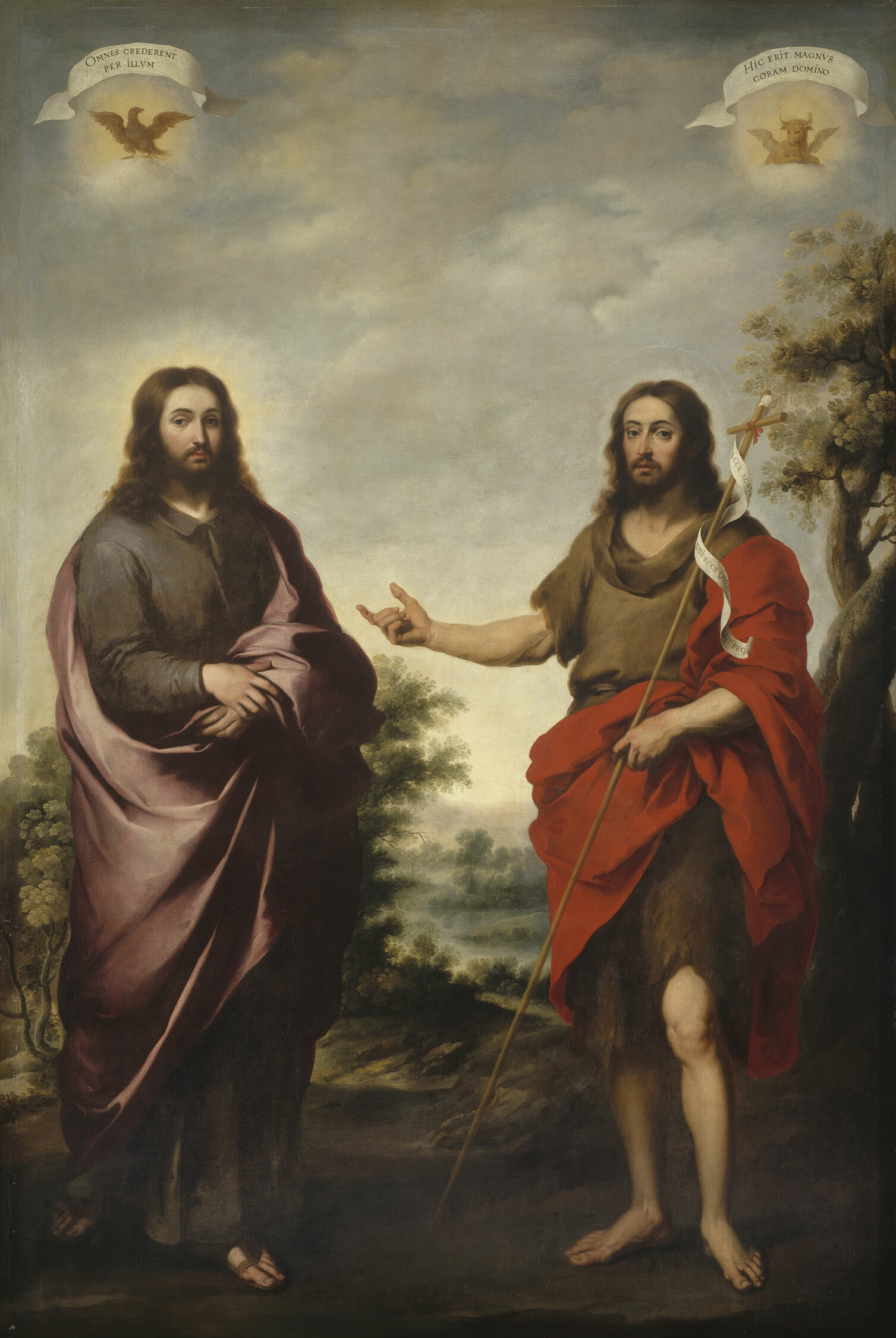
B.E. Murillo, Saint John the Baptist Pointing to Christ (1655), oil on canvas, Art Institute (Chicago)
Today’s Gospel reading presents the calling of the apostles, Andrew and his brother Simon, whom Jesus later names Peter. So, how did the call to the first apostles really take place? We do not know. Actually, how the story of the call of the first apostles is framed is not as important as this: Jesus decided to call people, common everyday people, to follow Him and then to continue his mission to the end of the earth.
The call to the disciples was the first step in the formation of the Church. Andrew and Peter, James and John, and all the rest listened to the call and gave witness to Jesus with their lives. Jesus chose ordinary, everyday people to continue His work. He still does. He chooses you and me to testify with our lives that the Kingdom of God is at hand. To do this we have to be the very best version of ourselves. It would be wonderful if we were always the same, but we are not, at least those of us who have not attained saintliness are not always the same. We behave one way with one group of people, but another way with another group of people. We have the church persona, the work persona, the school persona, the hanging out with friends persona, and many other versions of ourselves, including those we think no one knows about, except the millions of people who can easily find evidence of the websites we visit.
Because we often attempt to allow various versions of ourselves to exist together, we often feel disjointed and unhinged. But when we are our best selves, and we allow our best selves to dominate our lives, then we feel at peace, no matter what challenge we may face. So, we have been chosen to continue the work of Jesus Christ. The more we pray, the more spiritual we become. The more spiritual we become then the more we pray. Armed with the knowledge of the Lord fortified by our prayer life, we are then ready to proclaim the Lord. Our very union with the Lord will be evident in the way we reach out to others, care for others, and in the way we live our lives. Others will come to the Lord because they can sense the presence of His Spirit within us. We have been called like the first disciples to know Jesus and proclaim the Good News that God is ultimately in control. We have been called to be Church • AE

Agnus Dei
Agnus Dei is the Latin name under which the «Lamb of God» is honored within Christian liturgies descending from the historic Latin liturgical tradition, including those of Roman Catholicism, Lutheranism and Anglicanism. It is the name given to a specific prayer that occurs in these liturgies, and is the name given to the music pieces that accompany the text of this prayer. The use of the title «Lamb of God» in liturgy is based on John 1:29, in which St. John the Baptist, upon seeing Jesus, proclaims «Behold, the Lamb of God, who takes away the sin of the world!»•
St. Dominic Catholic Church • Weekend Schedule

Saturday, January 13, 2024
3.00 p.m. Sacrament of Reconciliation – Fr. Jaime.
5.00 p.m. Holy Mass (English) – Fr. Jaime.
Sunday, January 14, 2024
7.30 a.m. Holy Mass (English) – Fr. Jaime P.
10.00 a.m. Holy Mass (English) – Fr. Jaime P.
12.30 p.m. Holy Mass (English) – Fr. Agustin E.
3.00 p.m. Santa Misa – Fr. Agustin E.
II Domingo del Tiempo Ordinario (Ciclo B)
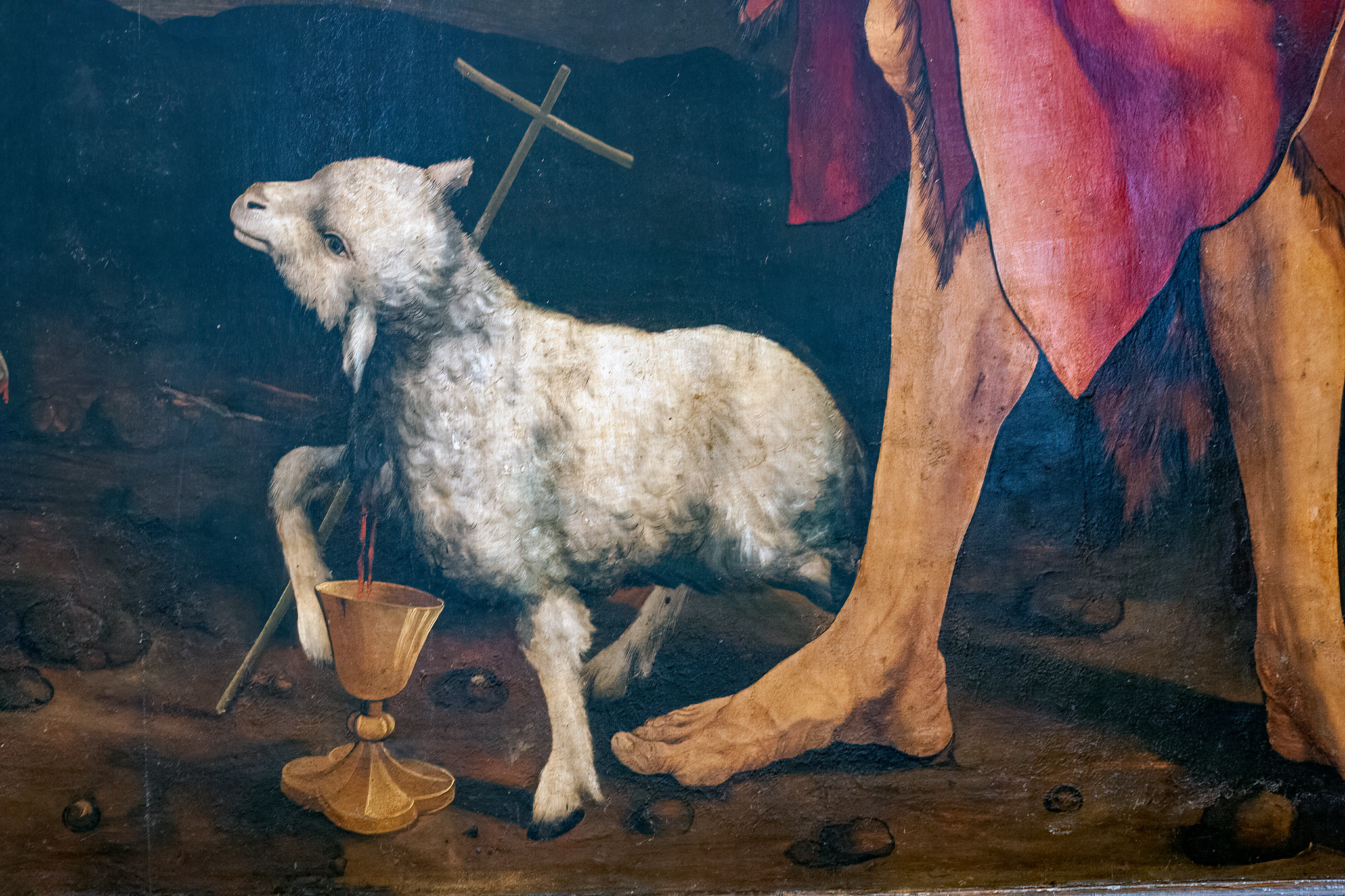
M. Grünewald, Ecce agnus Dei, detalle del retablo de Isenheim (1516), Musée Unterlinden (Colmar, Francia)
Las primeras palabras que Jesús pronuncia en el evangelio de Juan nos dejan desconcertados porque van al fondo y tocan las raíces mismas de nuestra vida. A dos discípulos del Bautista que comienzan a seguirlo Jesús les dice: «¿Qué buscan?» No es fácil responder a esta pregunta sencilla, directa, fundamental, desde el interior de una cultura como la nuestra, que parece preocuparse sólo de aquello que aparece en redes sociales, olvidando siempre el fin último de todo.
¿Qué es lo que buscamos exactamente? Para algunos, la vida es un gran supermercado, y lo único que les interesa es adquirir objetos con los que poder consolar un poco su existencia. Otros lo que buscan es escapar de la enfermedad, la soledad, la tristeza, los conflictos o el miedo. Pero, escapar ¿hacia dónde?, ¿hacia quién? Otros lo que quieren es que se les deje solos. Olvidar a los demás y ser olvidados por todos. No preocuparse por nadie y que nadie se preocupe de ellos. La mayoría buscamos cubrir nuestras necesidades diarias y seguir luchando por ver cumplidos nuestros pequeños deseos. Pero, aunque todos ellos se cumplieran, ¿quedaría nuestro corazón satisfecho? ¿Se habría apaciguado nuestra sed de consuelo, liberación, felicidad plena? En el fondo, ¿no andamos los seres humanos buscando algo más que una simple mejora de nuestra situación? ¿No anhelamos algo que, ciertamente, no podemos esperar de ningún proyecto político o social?
Se dice que los hombres y mujeres de hoy han olvidado a Dios. Pero la verdad es que, cuando un ser humano se interroga con un poco de honradez, no le es fácil borrar de su corazón esa nostalgia de Dios.
¿Quién soy yo? ¿Un ser minúsculo, surgido por azar en una parcela ínfima de espacio y de tiempo, arrojado a la vida para desaparecer enseguida en la nada de donde se me ha sacado sin razón alguna y sólo para sufrir? ¿Eso es todo? ¿No hay nada más? Lo mejor que podríamos empezar a hacer en este inicio del año es buscar. No cerrar ninguna puerta. No desechar ninguna llamada. Buscar a Dios con lo que tengamos de fuerzas y desde nuestra maravillosa fe cristiana, a veces pequeñita, pero viva, recordando que Dios no juega al escondite ni se esconde de quien lo busca con sinceridad. Dios está ya en el interior mismo de esa búsqueda. Más aún. Dios se deja encontrar, incluso, por quienes apenas le buscamos. Así dice el Señor en el libro de Isaías: «Yo me he dejado encontrar por quienes no preguntaban por mí. Me he dejado hallar por quienes no me buscaban. Dije: Aquí estoy, aquí estoy» • AE

 LA MEDITACION DE LA ESPOSA