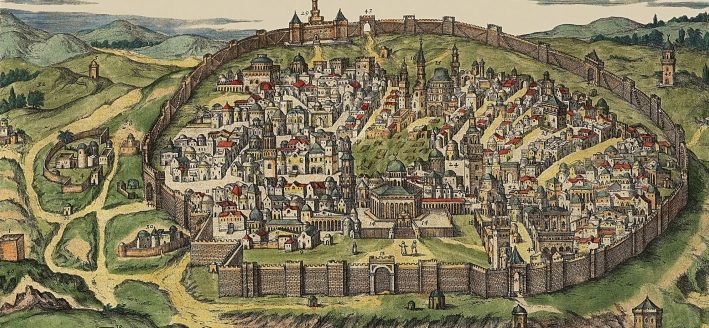
Palm Sunday of the Lord’s Passion (2024)

Unknown author, Triumphal entry into Jerusalem (1503), Illumination on parchment, National Library of Wales (UK)

Today we hold palm branches in our hands today.  We say, Hosanna, a word that means, «Be now our Savior». Christ’s entry into Jerusalem is the sign of our hope of entry into the heavenly Jerusalem. A man with leprosy came before Jesus and was healed. But Jesus told him, «See that you say nothing to anyone about this.» A deaf man came to the Lord.  Jesus said, «Ephphathat, Be Opened» and the man was able to hear. Then Jesus told him, “Say nothing about this to anyone.” A blind man had his sight returned, and, similarly, Jesus said to him, «Keep this quiet; don’t even enter the villages.» Jesus died on the Cross, and a pagan, a Roman centurion, made the announcement, «Surely this is the Son of God.» So, to understand who Jesus is, we have to recognize the Cross. To recognize how much God loves us, we have to realize the extent of his suffering for us. To realize what it means to be followers of Jesus, we have to join him on his holy Cross • AE

In the liturgy of the Church nothing is sung by chance. And the antiphons that the Roman Missal proposes for Holy Week express in a few words how much it is being celebrated. One of the latin songs proposed for Palm Sunday is titled Pueri hebraeorum, with a title taken from its first words: «The children of the Hebrews, carrying branches of olive trees, went out to meet the Lord, shouting and saying: Hosanna in heaven!». Could be sung in the initial procession of the Palm Sunday Mass, with palms and branches blessed. This outburst of joy will be found later, in the same celebration, with the dramatic horizon of the death of Jesus, since the Passion of our Lord Jesus Christ is proclaimed in the Mass. This version was composed by Tomas Luis de Vitoria, one of the most important composers of polyphonic music. in 1572 •


St. Dominic Catholic Church • Weekend Schedule

Saturday, March 23, 2024

3.00 p.m. Sacrament of Reconciliation – Fr. Jaime P.

5.00 p.m. Holy Mass (English) – Fr. Jaime P.

Sunday, March 24, 2024

7.30 a.m. Holy Mass (English) – Fr. Jaime P.

10.00 a.m. Holy Mass (English) – Fr. Agustin E.

12.30 p.m. Holy Mass (English) – Fr. Agustin E.

3.00 p.m. Santa Misa – Fr. Agustin E.


Domingo de Ramos de la Pasión del Señor (2024)
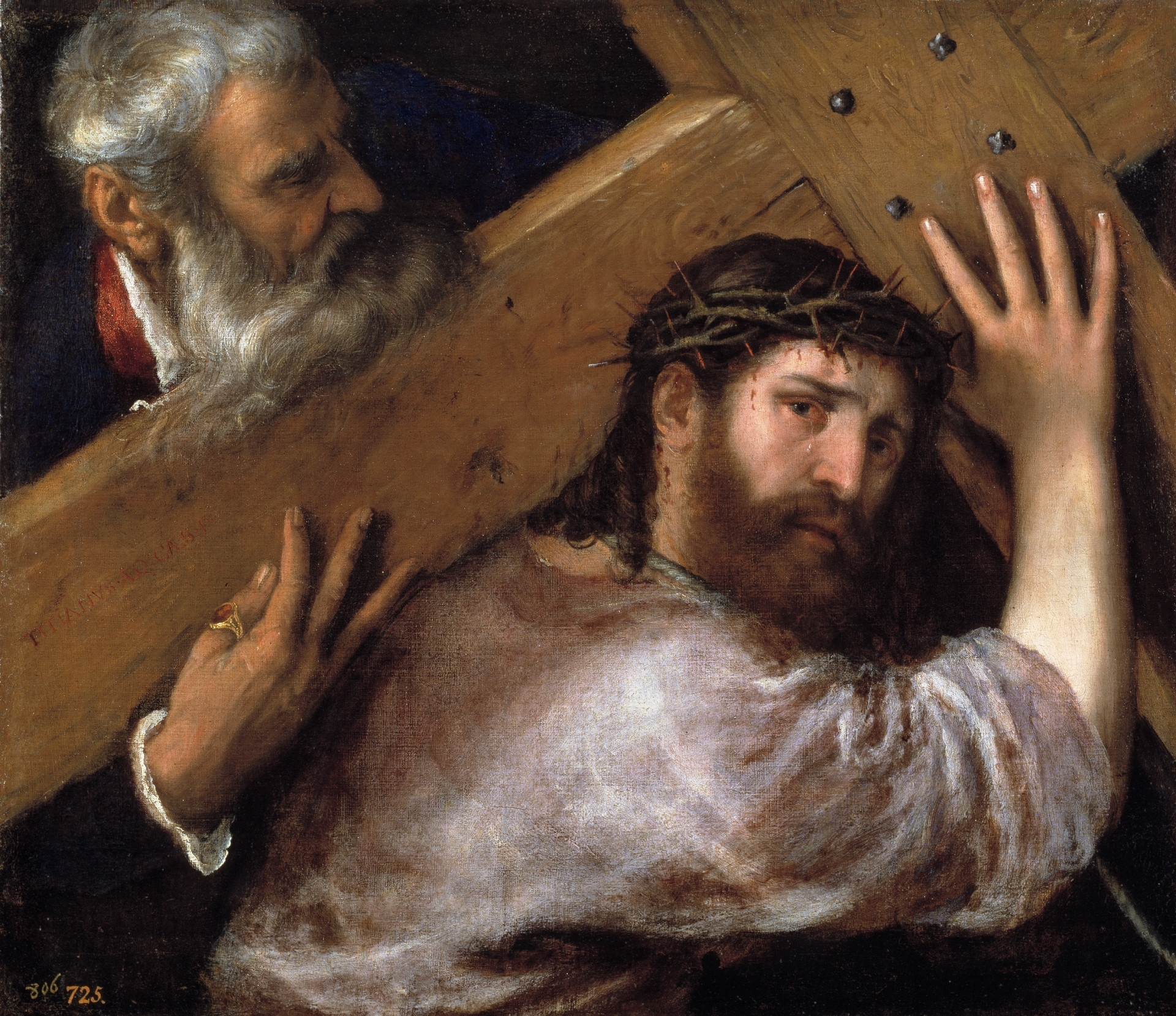
Tiziano, Cristo cargando la cruz ayudado por Simón de Cirene (c. 1565), óleo sobre tela, Museo Nacional del Prado (Madrid)

Lo que nos hace cristianos es seguir a Jesús. Nada más. Este seguimiento a Jesús no es algo teórico o abstracto. Significa seguir sus pasos, comprometernos como él a hacer más humana la vida. Esto quiere decir que los seguidores de Jesús estamos llamados a poner verdad donde hay mentira, a introducir justicia donde hay abusos y crueldad con los más débiles, a reclamar compasión donde hay indiferencia y pasividad ante los que sufren. Y esto exige construir comunidades donde se viva con el proyecto de Jesús, con su espíritu y sus actitudes. Las tres cosas. Seguir así a Jesús trae consigo, por lo tanto, conflictos, problemas y sufrimiento. Los tres. Hay que estar dispuesto a cargar con las reacciones y resistencias de quienes, por una razón u otra, no buscan un mundo más humano, tal como lo quiere el Padre de Jesús. Quieren otra cosa. Los evangelios han conservado una llamada realista de Jesús a sus seguidores. Lo escandaloso de la imagen sólo puede provenir de él: «Si alguno quiere venir detrás de mí cargue con su cruz y sígame». Jesús no engaña. Si le siguen de verdad, tendrán que compartir su destino. Terminarán como él. Esa será la mejor prueba de que su seguimiento es fiel.

Seguir a Jesús es una tarea apasionante: es difícil imaginar una vida más digna y noble. Pero tiene un precio. Para seguir a Jesús, es importante «hacer»: hacer un mundo más justo y más humano; hacer una Iglesia más fiel a Jesús y más coherente con el evangelio. Sin embargo, es tan importante o más padecer: padecer por un mundo más digno; padecer por una Iglesia más evangélica. Al final de su vida, Rahner escribía: «Creo que ser cristiano es la tarea más sencilla, la más simple y, a la vez, aquella pesada “carga ligera” de que habla el evangelio. Cuando uno carga con ella, ella carga con uno, y cuanto más tiempo viva uno, tanto más pesada y más ligera llegará a ser Al final sólo queda el misterio. Pero es el misterio de Jesús» • AE


Lecturas para la Semana Santa


HOLY WEEK 2024

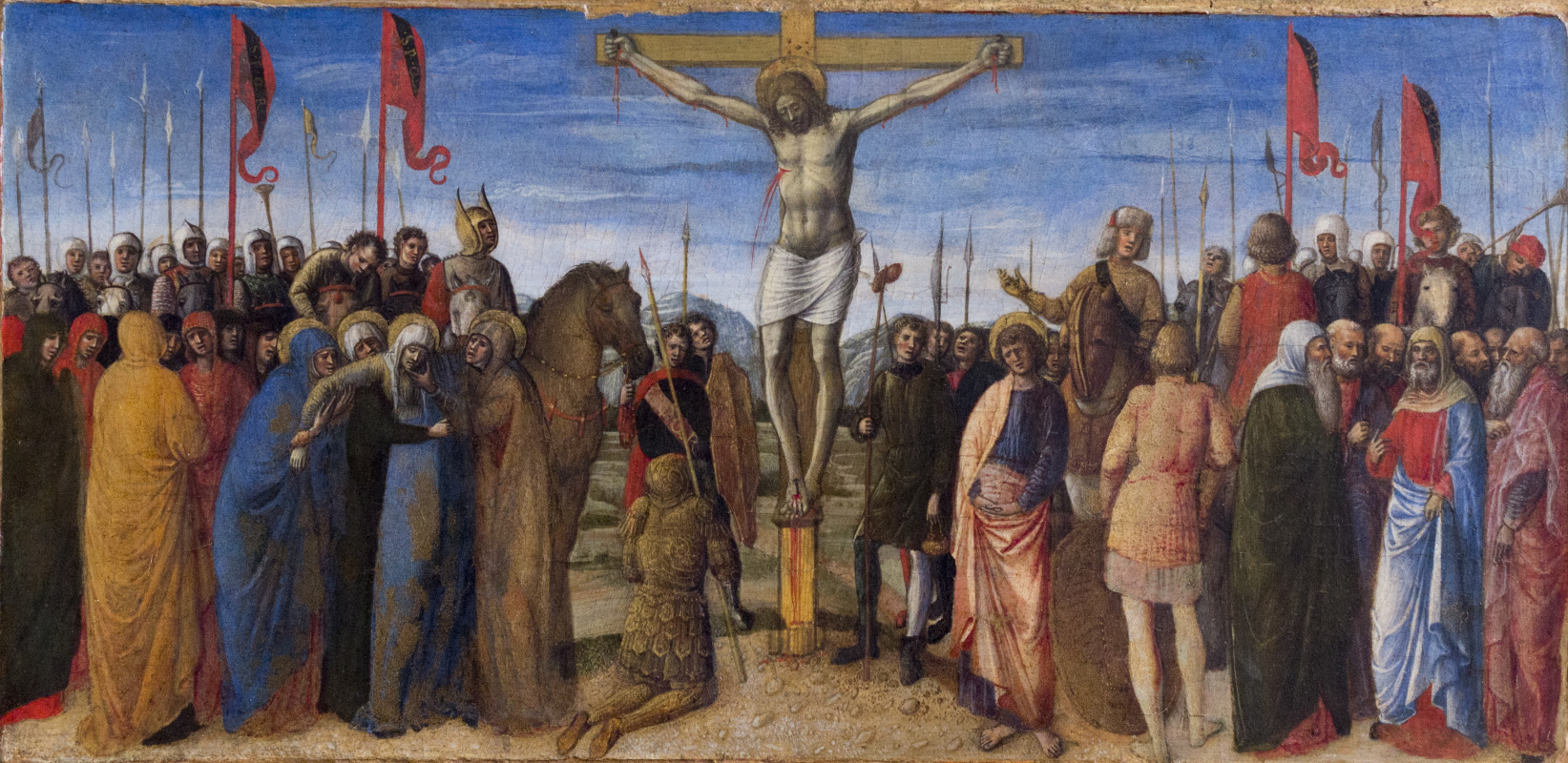
J.Bellini, The Crucifixion (c. 1450), oil on canvas, Correr Museum (Venice)

ST. DOMINIC CATHOLIC CHURCH

PALM SUNDAY OF THE PASSION OF THE LORD, MARCH 24, 2024

5.00 p.m. Vigil mass (Saturday March 23)

7.30 a.m., 10.00 a.m. and 12.30 p.m. English Mass

3.00 p.m. Misa en Español

HOLY MONDAY, MARCH 25, 2024. 

8.30 a.m. English Mass

HOLY TUESDAY, MARCH 26, 2024. 

8.30 a.m. Misa en Español

HOLY WEDNESDAY, MARCH 27, 2024. 

8.30 a.m. English Mass

THE SACRED PASCHAL TRIDUUM

HOLY THURSDAY OF THE LORD´S SUPPER, MARCH 28, 2024. 

7.00 p.m. Mass of the Lord´s Supper

(Adoration of the Most Holy Sacrament until Midnight @ Eucharistic Chapel)

FRIDAY OF THE PASSION OF THE LORD (Good Friday), MARCH 29, 2024. 

8.30 a.m. Seven Sorrowful Stations of the Blessed Virgin Mary

1.00 p.m. Living Stations of the Cross

3.00 p.m. Liturgical Celebration of the Lord´s Passion (Bilingual)

HOLY SATURDAY, MARCH 30, 2024. 

8.30 p.m. The Easter Vigil in the Holy Night

EASTER SUNDAY OF THE RESURRECTION OF THE LORD, MARCH 31, 2024. 

7.30 a.m., 10.00 a.m. and 12.30 p.m. English mass

3.00 p.m. Misa en Español


Fifth Sunday of Lent (Cycle B)

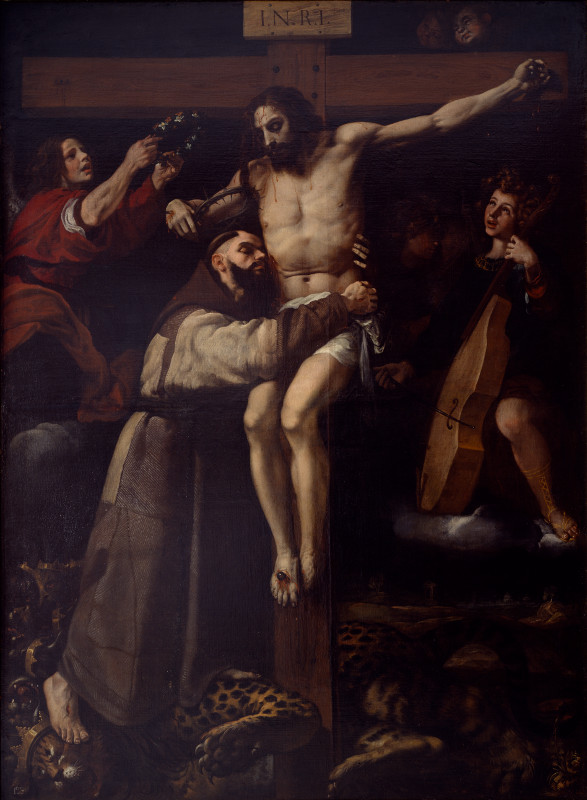
F. de Ribalta, Embrace of Saint Francis of Assisi to the Crucified (1620), oil on canvas, Convent of the Blood of Christ (Valencia, Spain)

Jesus spoke about time in today’s Gospel. He called it His Hour and he did not run from it. He embraced it. This was His Time. It was what He was put on earth to do. He would stand against evil. We all have hours, and we have our hour. We have many times in our lives when we have to stand up for God and be whom we are. All during Lent we have been asking ourselves, «Am I the person that God wants me to be? Do I try to reflect the image of God within me, or am I untrue to my very self? There are many temptations, many ways that we are tempted to hedge on our commitment to Christ. The cost of being true to the law written within our hearts can sometimes be quite heavy. We might find ourselves excluded from that society, that sport, or those people with whom we really want to belong. It hurts to have someone say, «What, are you too good to join us?» But the peace of Christ surpasses all things. Nothing is more important than living in this peace, then living united to the Lord. We all have our hours, and we have our hour. There are continual choices for God that we make throughout our lives. Those are our hours. There is also that one choice that is the reason why God placed us one earth. That is our hour. Our hour is the action that expresses whom we are deep within ourselves. It is the fundamental expression of our Christian life.

When we read about the saints, we learn about people who chose to suffer rather than deny Christ. But these are people about whom we read or heard. There are others whom we do not know. There is that girl with the unexpected pregnancy. It is her hour. Does she stand for Christ and bring this baby into the world regardless of what would happen to the plans she had for her future, or does she walk away from her hour and walk into that abortion clinic? There is that elderly man who chooses to care for his slowly dying wife because he could and because she wanted to stay at home. It is his hour. We know many others who are confronted with the choice of their lives, their hour, and embrace the law written within their hearts.

Maybe something so radical will not happen to us. Perhaps our hour will only be the sum total of the choices we have made in our lives which we present to the Lord when this life is over. The big question is: Are we ready? Are we ready to embrace the moment of our lives when all of our existence proclaims our union with Christ? Are we ready at all times to embrace all that we can be? All the little yeses we make to Christ, all those times that we deny ourselves what others say we should have or do, all these affirmations of our Christianity strengthen us for the total affirmation of our life, strengthen us for our hour. So, we are called to live and die for Christ. This is our time. This is our hour • AE


Soul of Christ, sanctify me.
Body of Christ, save me.
Blood of Christ, inebriate me.
Water from the side of Christ, wash me.
Passion of Christ, strengthen me.
O Good Jesus, hear me.
Within your wounds hide me.
Permit me not to be separated from you.
From the wicked foe, defend me.
At the hour of my death, call me
and bid me come to you
That with your saints I may praise you
For ever and ever. Amen.


St. Dominic Catholic Church • Weekend Schedule

Saturday, March 16, 2024

3.00 p.m. Sacrament of Reconciliation – Fr. Agustin E.

5.00 p.m. Holy Mass (English) – Fr. Agustin. E.

Sunday, March 17, 2024

7.30 a.m. Holy Mass (English) – Fr. Agustin E.

10.00 a.m. Holy Mass (English) and 3rd Scrutiny for RCIA – Fr. Agustin E.

12.30 p.m. Holy Mass (English) – Fr. Jaime P.

3.00 p.m. Santa Misa – Fr. Jaime P.


V Domingo de Cuaresma (Ciclo B)

Nos cuenta san Juan en su evangelio que unos peregrinos griegos que vinieron a celebrar la Pascua judía se acercaron a Felipe con una petición muy concreta: «Queremos ver a Jesús». Quizá es curiosidad. Quizá es un deseo sincero de conocer qué hay de aquel hombre. A Jesús se le ve preocupado. Dentro de unos días será crucificado. Cuando le hablan de aquellos hombres dice algo más bien desconcertante: «Llega la hora de que sea glorificado el Hijo del Hombre». Y es que cuando sea crucificado, todos podrán ver con claridad dónde está su verdadera grandeza y su gloria.

Probablemente nadie comprendió bien. Pero Jesús, pensando en la forma de muerte que le espera, insiste: «Cuando yo sea elevado sobre la tierra, atraeré a todos hacia mí». ¿Qué es lo que se esconde en el crucificado para que tenga ese poder de atracción? Sólo una cosa: su amor increíble a todos.

El amor es invisible. Sólo lo podemos ver en los gestos, los signos y la entrega de quien nos quiere bien. Por eso, en Jesús crucificado, en su vida entregada hasta la muerte, podemos percibir el amor insondable de Dios. En realidad, sólo empezamos a ser cristianos cuando nos sentimos atraídos por Jesús. Sólo empezamos a entender algo de la fe cuando nos sentimos amados por Dios. Para explicar la fuerza que se encierra en su muerte en la cruz, Jesús emplea una imagen sencilla que todos podemos entender: «Si el grano de trigo no cae en tierra y muere, queda infecundo; pero si muere, da mucho fruto». Si el grano muere, germina y hace brotar la vida, pero si se encierra en su pequeña envoltura y guarda para sí su energía vital, permanece estéril. Esta imagen nos descubre una ley que atraviesa misteriosamente la vida entera. No es una norma moral. No es una ley impuesta por la religión. Es la dinámica que hace fecunda la vida de quien sufre movido por el amor. Es una idea repetida por Jesús en diversas ocasiones: Quien se agarra egoístamente a su vida, la echa a perder; quien sabe entregarla con generosidad genera más vida. No es difícil comprobarlo. Quien vive exclusivamente para su bienestar, su dinero, su éxito o seguridad, termina viviendo una vida mediocre y estéril: su paso por este mundo no hace la vida más humana. Quien se arriesga a vivir en actitud abierta y generosa, difunde vida, irradia alegría, ayuda a vivir. No hay una manera más apasionante de vivir que hacer la vida de los demás más humana y llevadera. ¿Cómo podremos seguir a Jesús si no nos sentimos atraídos por su estilo de vida? • AE


Lecturas para la Semana Santa y el Triduo Pascual


Fourth Sunday of Lent (Laetare Sunday)

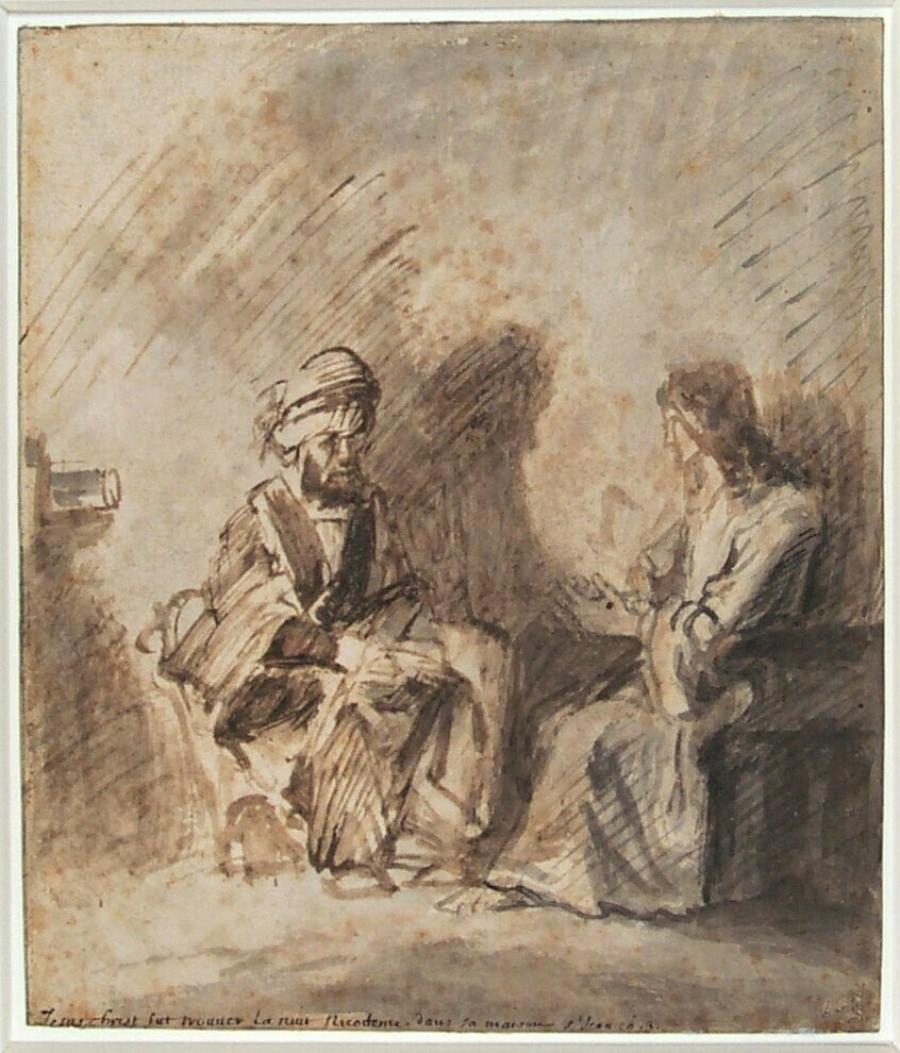
Anonymous, Christ and Nicodemus (c. 1600), pen and brush over paper, Museum Boijmans Van Beuningen

This Sunday is called Laetare Sunday. The word Laetare is Latin for joy and we are reminded of how much we are loved. The people of the first reading were suffering. They had been brought into exile by the Babylonians. Their Temple had been wrecked. Their palaces burned. They brought all this on themselves. The reading details how they committed one abomination after another. The psalms tell us that they even committed child sacrifice. God punished the people, or allowed the Babylonians to punish them. In exile in Babylon, the Jews were completely helpless. They had no army. They had no political clout. But what they did have was their determination to return to follow God. They became adamant in the practice of their faith. They formed a way of life, a system where they expressed their determination to live for God. And God had mercy on them. They were, after all, his people. He loved them, and this is the main teaching of that Gospel reading we have heard so often. We really need the reminder that we live in the joy of the Lord. This has been a heavy year. There are wars throughout the world. There are continual concerns on how to treat immigrants to our country with dignity while at the same time upholding our laws. And to make matters worse, this is a presidential election year. That would make any year difficult. Yet, through it all we still have the joy that the Lord sees, the Lord knows, and the Lord heals.

St. Ireneaus of Lyon, an early doctor of the church, is credited as writing “The Glory of God is man fully alive.” Human beings are the summit of God’s creation. When we reverence the Lord with all that we are, when the fear of the Lord becomes the core of our lives, then we become all God has created us to be. We are fully alive because we are not just physical. We are physical and spiritual. Again, St. Irenaeus, “The Glory of God is man fully alive.” And we are loved. We are loved by God. The love of God is deeper than the love a husband and wife have for each other. The love of God is stronger than the love parents have for their children. The love of God is so powerful that it leads us to conquer anything that is attacking us, outside of us, among us, or within us. As we come to a deeper understanding of how much God loves us, we experience joy. So, Laetare. For God so loved the world that he sent his only Son. He sent him for all of us, and he sent him for each of us. We are loved. Laetare • AE


Rejoice, O Jerusalem; and gather round, all you who love her; rejoice in gladness, after having been in sorrow; exult and be replenished with the consolation flowing from her motherly bosom. I rejoiced when it was said unto me: «Let us go to the house of the Lord.


St. Dominic Catholic Church • Weekend Schedule

Saturday, March 9, 2024

1.00 p.m. Memorial Mass for + Rosa Guerrero – Fr. Agustin E.

3.00 p.m. Sacrament of Reconciliation – Fr. Agustin. E.

5.00 p.m. Holy Mass and 2nd Scrutiny for RCIA 2024– Fr. Agustin. E.

Sunday, March 10, 2024

7.30 a.m. Holy Mass (English) – Fr. Agustin E.

10.00 a.m. Holy Mass (English) – Fr. Agustin E.

12.30 p.m. Holy Mass (English) – Fr. Jaime P.

3.00 p.m. Santa Misa – Fr. Jaime P.


IV Domingo de Cuaresma (Domingo Laetare)

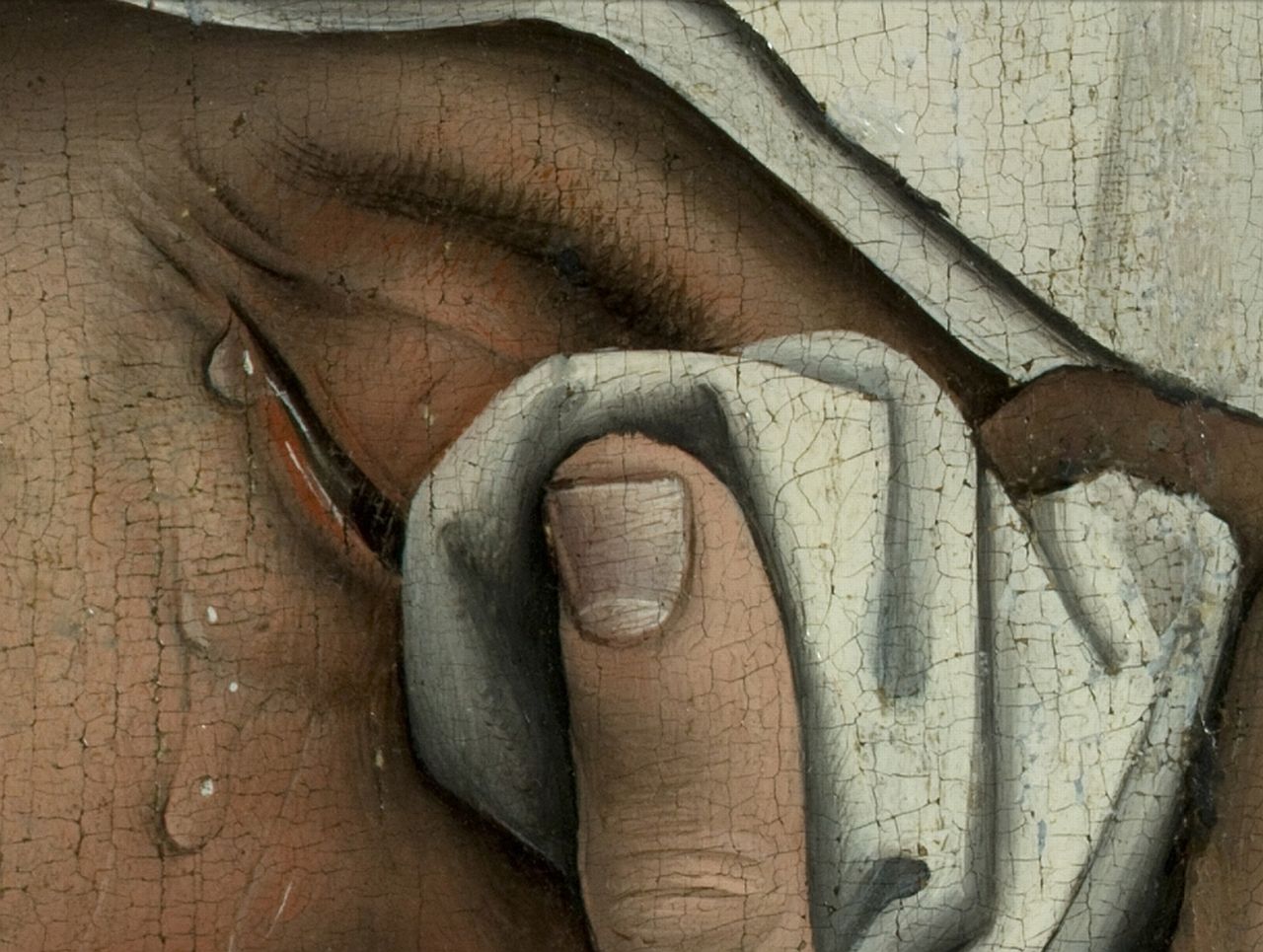
R. Van der Weyden, El descendimiento de la cruz (De Kruisafneming)(1436), Óleo sobre tabla, Museo del Prado (Madrid)

El evangelio de hoy relata el extraño encuentro entre Jesús y un fariseo llamado Nicodemo. Según el texto, es Nicodemo quien toma la iniciativa y va a donde Jesús de noche. Intuye que Jesús es un hombre venido de Dios, pero no esta muy claro. Jesús lo irá conduciendo hacia la luz. Nicodemo representa en el relato a todo aquel que busca sinceramente encontrarse con Jesús. Por eso, en cierto momento, Nicodemo desaparece de escena y Jesús prosigue su discurso para terminar con una invitación general a no vivir en tinieblas, sino a buscar la luz. Según Jesús, la luz que lo puede iluminar todo está en el Crucificado. La afirmación es atrevida: «Tanto amó Dios al mundo que entregó a su Hijo único para que no perezca ninguno de los que creen en él, sino que tengan vida eterna». ¿Podemos ver y sentir el amor de Dios en ese hombre torturado en la cruz? Acostumbrados desde niños a ver la cruz por todas partes, no hemos aprendido a mirar el rostro del Crucificado con fe y con amor. Nuestra mirada distraída no es capaz de descubrir en ese rostro la luz que podría iluminar nuestra vida en los momentos más duros y difíciles. Sin embargo, Jesús nos está mandando desde la cruz señales de vida y de amor. En esos brazos extendidos que no pueden ya abrazar a los niños, y en esa manos clavadas que no pueden acariciar a los leprosos ni bendecir a los enfermos, está Dios con sus brazos abiertos para acoger, abrazar y sostener nuestras pobres vidas, rotas por tantos sufrimientos. Desde ese rostro apagado por la muerte, desde esos ojos que ya no pueden mirar con ternura a pecadores y prostitutas, desde esa boca que no puede gritar su indignación por las víctimas de tantos abusos e injusticias, Dios nos está revelando su «amor loco» a la Humanidad. «Dios no mandó su Hijo al mundo para juzgar al mundo, sino para que el mundo se salve por él». Podemos acoger a ese Dios y lo podemos rechazar. Nadie nos fuerza. Somos nosotros los que hemos de decidir. Pero «la Luz ya ha venido al mundo». ¿Por qué tantas veces rechazamos la luz que nos viene del Crucificado? Él podría poner luz en la vida más desgraciada y fracasada, pero «el que obra mal… no se acerca a la luz para no verse acusado por sus obras». Cuando vivimos de manera poco digna, evitamos la luz porque nos sentimos mal ante Dios. No queremos mirar al Crucificado. Por el contrario, «el que realiza la verdad, se acerca a la luz». No huye a la oscuridad. No tiene nada que ocultar. Busca con su mirada al Crucificado. Él lo hace vivir en la luz • AE


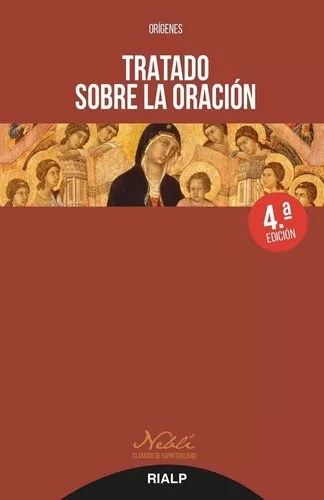
¿Quieres algo para leer?