Fifth Sunday of Easter (Cycle B)

I am the vine, you are the branches,” the Lord says. We have great strength and power when we are attached to, united to the Eternal Vine. We have the life force of the Lord flowing through us. Our strength comes from our union with Christ. We are under the beautiful umbrella tree of Christ’s love. But the beauty of all those leaves is due to the source of their life. They get their life from the main vine. Christ is the source of our beauty. We must fight to stay united to our Lord, our Vine. He is our life blood. We have to pray to him every day. We have to continue to seek his love as he extend it to us. We have to avoid severing our relations with him. «See what love the Father has bestowed on us in becoming children of God,» says St. John in the second reading for this Sunday . Look at all the beautiful parts of our lives. The beauty is there because God is there. Should we lose God we will be cut off from the vine. Cut off from God we also become an eyesore to humanity and to ourselves. But united with him we are a work of divine art.

The Gospel today speaks about bearing fruit. If the branch is united to the vine, it bears much fruit. God calls us to make His message real in the world. He calls us to bring His Love to the world. He is not calling us just to be in His presence. He is calling us to use His Presence to transform the world. Husbands and wives, parents and children, neighbors and friends, priests and laity, are called to live the only Life that matters so completely that others are attracted to that Life, within the home, within the neighborhood and within the world. The Life of Christ is indeed a magnet. When people experience this Life in others they want it for themselves. These people, those who turn to God, are fruit. Our union with God draws them to God. They are the fruit we have been called to bear. «By this is my Father glorified, that you bear much fruit and become my disciples.» We come to Church to praise God, to worship God, but if this is all we do, reverence His Presence here, and then return to a pagan world living like pagans, accepting and even flaunting pagan values, we are not really worshiping God. We are only worshiping God when we take what we experience in church out to a world that longs for His Presence.

The motto for this year Archbishop’s Appeal is to Walk United in Christ. This is what we do every time we are at Mass. We gather so we may be nourished. We are nourished so we may be sent to others. When we live our Christianity in our workplace, at our schools, in our neighborhoods, others experience the Word of God that is within us. And the very Power of God will work through us in ways beyond our understanding, for that is Who God is, the one who is beyond our understanding. When we do this, when we are united to the vine, then we can do the work of the Christian. We can draw others to Him. We can bear fruit. We fight against all evil forces trying to keep us from union with the Vines • AE


St. Dominic Catholic Church • Weekend Schedule

Saturday, April 27, 2024

8.30 a.m. Spiritual Retreat for First Communion Kids.

3.00 p.m. Sacrament of Reconciliation – Fr. Jaime

5.00 p.m. Holy Mass (English) – Fr. Jaime

Sunday, April 28, 2024

7.30 a.m. Holy Mass (English) – Fr. Agustin E.

10.00 a.m. Holy Mass (English) – Fr. Agustin E.

12.30 p.m. Holy Mass (English) – Fr. Jaime P.

3.00 p.m. Santa Misa – P. Paco


V Domingo de Pascua (Ciclo B)
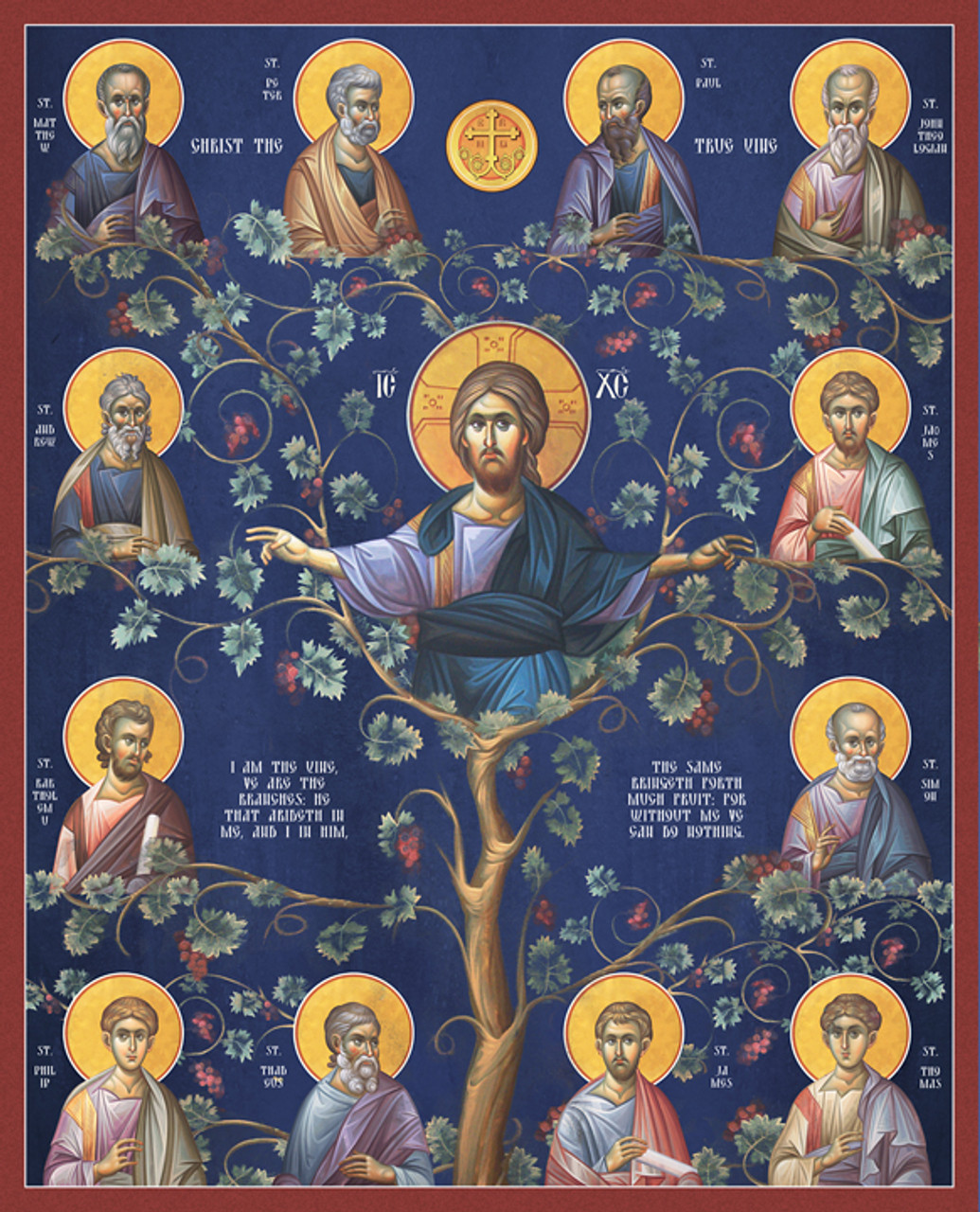
Icono bizantino que representa a Jesús como la Vid a los apóstoles como los sarmientos

La imagen es sencilla pero de una gran fuerza expresiva. Jesús es la vid verdadera, llena de vida y sus discípulos somos los sarmientos que viven de la savia que nos llega de Jesús; el Padre es el viñador que cuida personalmente la viña para que dé fruto abundante. Lo único importante es que se vaya haciendo realidad su proyecto de un mundo más humano y feliz para todos.

Y la imagen pone de relieve dónde está el problema. Hay sarmientos secos por los que no circula la savia de Jesús. Discípulos que no dan frutos porque no corre por sus venas el Espíritu del Señor, comunidades cristianas que languidecen desconectadas de su persona. Por eso se hace una afirmación cargada de intensidad: «el sarmiento no puede dar fruto si no permanece en la vid»: la vida de los discípulos es estéril si no permanecemos en Jesús. Sus palabras son categóricas: «Sin mí no pueden hacer nada». ¿No es esta la raíz de la crisis por la que atravesamos?

Vivir sin una unión vital con Jesucristo no tiene mucho futuro, al final el cristianismo se volvería un tipo de folklore anacrónico que no aportará a nadie la Buena Noticia del Evangelio. La Iglesia no podrá llevar a cabo su misión en el mundo contemporáneo, si los cristianos no nos convertimos en discípulos de Jesús, animados por su espíritu y su pasión por un mundo más humano.

Ser cristiano exige pues una experiencia vital de Jesucristo, un conocimiento interior de su persona y una pasión por su proyecto, que no se requerían para ser practicante dentro de una sociedad de cristiandad. Si no aprendemos a vivir de un contacto más inmediato y apasionado con Jesús, la decadencia de nuestro cristianismo se puede convertir en una enfermedad mortal. Los cristianos vivimos hoy preocupados y distraídos por muchas cuestiones. Es entendible, ¡hay tanto qué hacer! Pero no podemos olvidarnos de lo esencial: somos sarmientos. Sólo Jesús es la verdadera vid. Lo decisivo en estos momentos es permanecer en él: aplicar toda nuestra atención al Evangelio; alimentar en nuestros grupos, redes sociales, comunidades y parroquias el contacto vivo con él; no separarnos de él ni física, ni espiritual ni emocionalmente • AE


¿Ya leíste?
Gaudete et Exultate (texto completo)
Una espiritualidad desde abajo (Texto completo)

Jesús de Nazareth. Desde el Bautismo a la Transfiguración (Texto completo)

FOURTH SUNDAY OF EASTER (Cycle B)

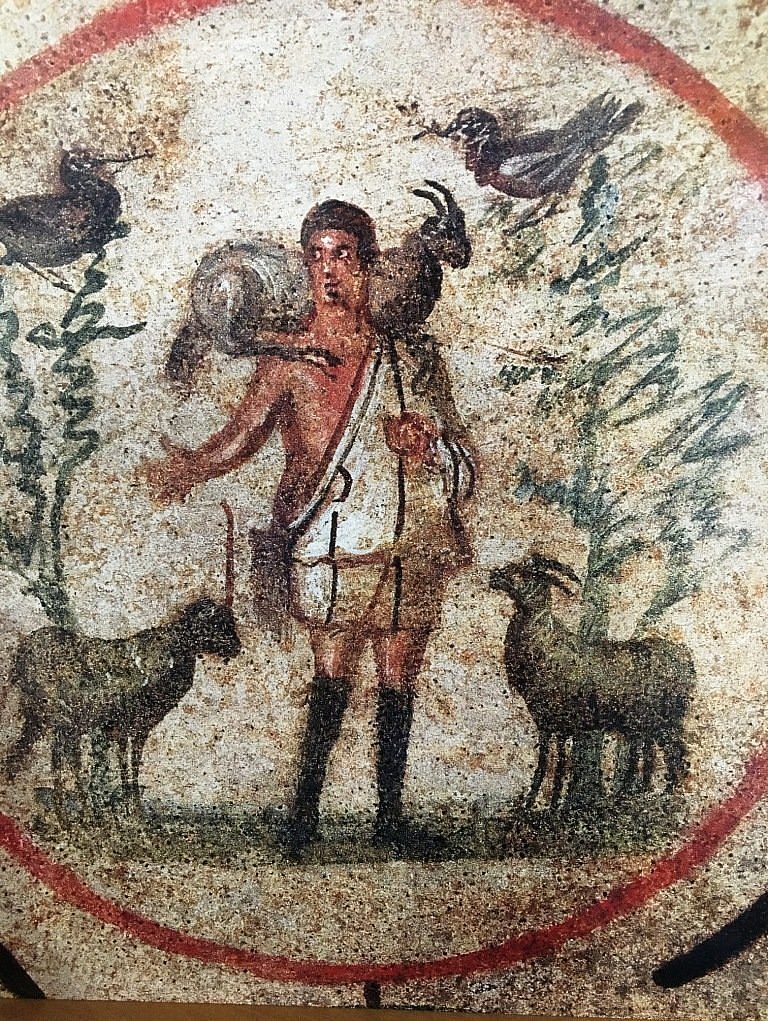
The Catacomb of Priscilla is an archaeological site on the Via Salaria in Rome, Italy, situated in what was a quarry in Roman times. This quarry was used for Christian burials from the late 2nd century through the 4th century. This catacomb, according to tradition, is named after the wife of the Consul Manius Acilius Glabrio; he is said to have become a Christian and was killed on the orders of Domitian. Some of the walls and ceilings display fine decorations illustrating Biblical scenes, images of saints and early Christian symbols, such as the painting reproduced in Giovanni Gaetano Bottari’s folio of 1754, where the Good Shepherd is depicted as feeding the lambs, with a crowing cock on his right and left hand. Simply fascinating!

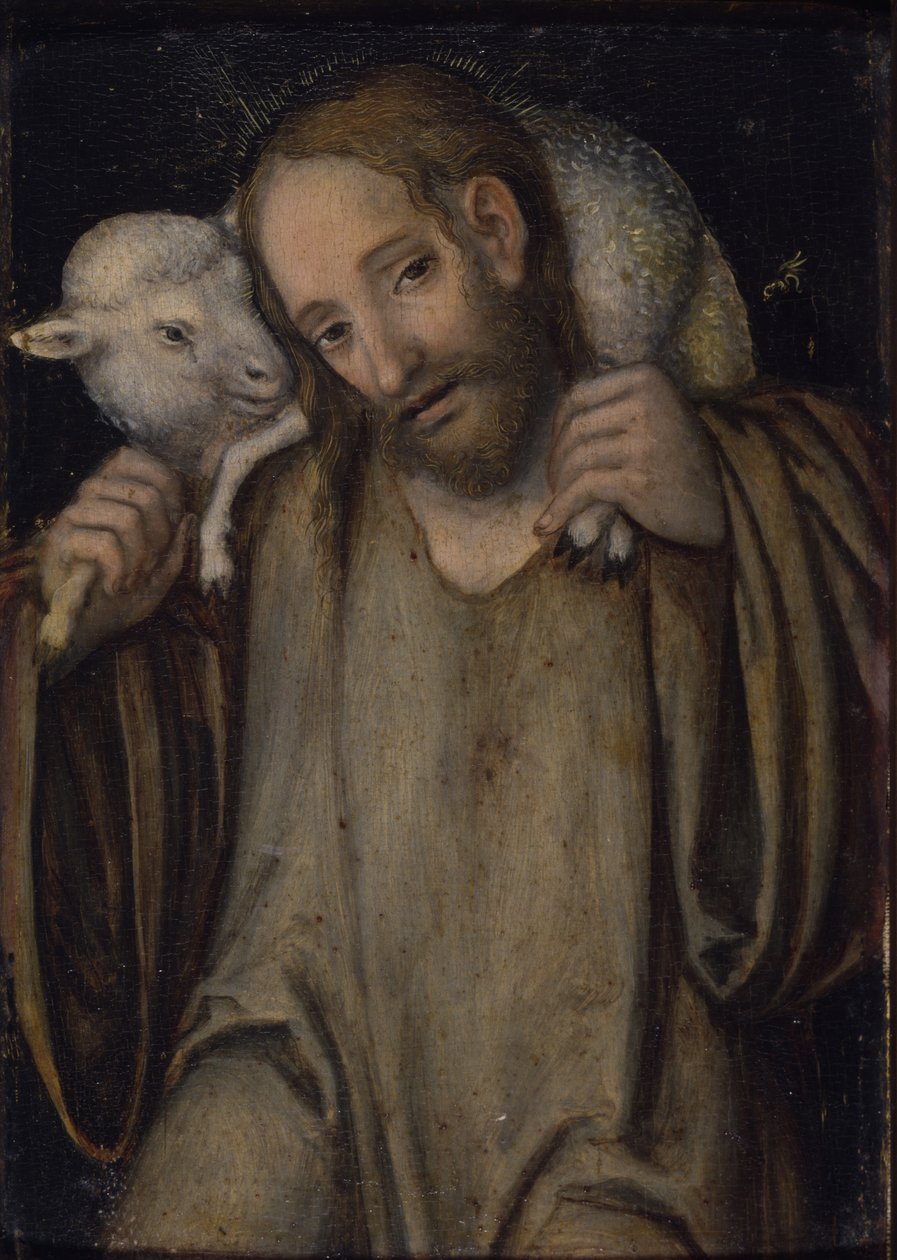
In today’s gospel, Jesus says that he is the Good Shepherd, and that he gives his life for his sheep. Jesus isn’t talking about sheep here, he’s talking about people. A lot of people don’t like to be compared to sheep. For one thing, sheep are not really smart. Sheep are most of the time getting tangled up in bushes; once in a while one of them would get its head stuck in the fence as it tried to eat the grass just on the other side of it. Sometimes they could be stubborn. When they got sick, they didn’t want to take their medicine. At other times they were timid and fearful. The sheep in Jesus’ time were probably much the same. Maybe that’s why he decided to talk about sheep when he was really talking about people. So, the liturgy of the Church invites us today to consider Jesus as our Good Shepherd, and to take a look into our soul, and to check the disposition of our hearts. Despite our stupidity at times, our stubbornness and fear, he loves us and cares for us. He offers what is good for us, even when we refuse it or want to do something else.

The Good Shepherd, Jesus tells us, has a personal relationship with each of his flock. He stays with us in the midst of danger and hardship. He will not abandon us. He watches over us. He gently calls us when we begin to stray and seeks us out when we are lost. Sometimes, if we think about it, we can experience the Lord in these terms. And yet, there may be other times when the Lord seems absent–we look around and we can’t see him. There are all sorts of voices calling us, but we don’t recognize his. We feel lost, and there is no one–including God, it seems–to show us the way. At times like these, I think Jesus’ description of himself as the Good Shepherd, with all that that entails, can be reassuring to us that the Lord will never abandon us. He will protect us even though we may not see or hear him. Today, as we hear the familiar words of Jesus saying that he is the Good Shepherd, let us put our trust in the one who gives his life for us and leads us to true happiness • AE


St. Dominic Catholic Church Weekend Schedule

Saturday, April 20, 2024

3.00 p.m. Sacrament of Reconciliation – Fr. Jaime

5.00 p.m. Holy Mass (English) – Fr. Jaime

Sunday, April 21, 2024

7.30 a.m. Holy Mass (English) – Fr. Agustin E.

10.00 a.m. Holy Mass (English) – Fr. Agustin E.

12.30 p.m. Holy Mass (English) – Fr. Jaime P.

3.00 p.m. Santa Misa – P. Paco


IV Domingo del Tiempo Pascual (Ciclo B)

Nuestra vida se decide en lo cotidiano. Por lo general, no son los momentos extraordinarios y excepcionales los que marcan más nuestra existencia. Es más bien esa vida ordinaria de todos los días, con las mismas tareas y obligaciones, en contacto con las mismas personas, la que nos va configurando. En el fondo, somos lo que somos en la vida cotidiana. Esa vida, la mayor parte del tiempo, no tiene casi nada de excitante. Está hecha de repetición y rutina. Pero es nuestra vida. Somos seres cotidianos. La cotidianidad es un rasgo esencial de la persona humana. Somos al mismo tiempo responsables y víctimas de esa vida aparentemente pequeña de cada día.

En esa vida de lo normal y ordinario podemos crecer como personas y podemos también echarnos a perder. En esa vida crece nuestra responsabilidad o aumenta nuestra desidia y abandono; cuidamos nuestra dignidad o nos perdemos en la mediocridad; nos inspira y alienta el amor o actuamos desde el resentimiento y la indiferencia; nos dejamos arrastrar por la superficialidad o enraizamos nuestra vida en lo esencial; se va disolviendo nuestra fe o se va reafirmando nuestra confianza en Dios. La vida cotidiana no es algo que hay que solo soportar, es en la normalidad de cada día donde se decide nuestra calidad humana y cristiana. Ahí se fortalece la autenticidad de nuestras decisiones; ahí se purifica nuestro amor a las personas; ahí se configura nuestra manera de pensar y de creer. Rahner decía que para el hombre interior y espiritual no hay mejor maestro que la vida cotidiana. Es asín. Los seguidores de Jesús no caminamos por la vida solos y desamparados. Nos acompaña y defiende día a día el Buen Pastor. Somos las ovejas que escuchamos su voz y le seguimos. Él nos conoce a cada uno y nos regala la vida eterna. Es Cristo quien ilumina, orienta y alienta nuestra vida día a día hasta la (vida) eterna. En el día a día de la vida cotidiana hemos de buscar pues al Señor, en el amor, no en la letra muerta; en la autenticidad, no en las apariencias; en la verdad, no en los tópicos; en la creatividad, no en la pasividad y la inercia; en la luz, no en la oscuridad de las segundas intenciones; en el silencio interior, no en la agitación superficial. Ahí está Jesús, ahí está el Buen Pastor • AE


L. Cranach, El Buen Pastor (c. 1540, óleo sobre tela, Angermuseum (Alemania).

Puerta de Dios en el redil humano
fue Cristo, el buen Pastor que al mundo vino,
glorioso va delante del rebaño,
guiando su marchar por buen camino.
 
Madero de la cruz es su cayado,
su voz es la verdad que a todos llama,
su amor es el del Padre, que le ha dado
Espíritu de Dios, que a todos ama.
 
Pastores del Señor son sus ungidos,
nuevos cristos de Dios, son enviados
a los pueblos del mundo redimidos;
del único Pastor siervos amados.
 
La cruz de su Señor es su cayado,
la voz de la verdad es su llamada,
los pastos de su amor, fecundo prado,
son vida del Señor que nos es dada. Amén. 


Third Sunday of Easter (Cycle B)

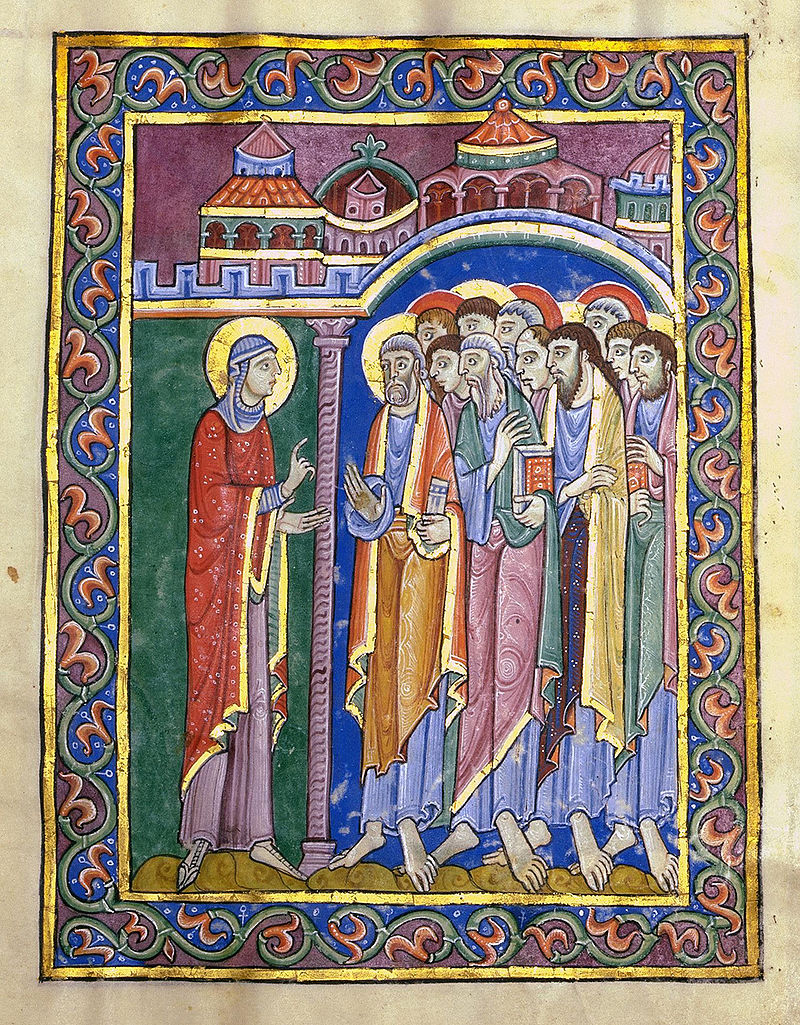
St. Albans Psalter, Mary Magdalene announces the Risen Christ (12th century), illuminated manuscripit, St. Albans Abbey (Hertfortshire, England)

During the season of Lent, much of the focus of the liturgy is on sin and forgiveness. We hear about the many ways that people reject God and sin. We read about the effects of sin upon mankind. Now, at Easter time, as we celebrate the new life of the Lord, we, perhaps surprisingly, come upon a Sunday when all three readings reflect upon sin. Peter in the Acts of the Apostles tells the leaders of the Jews that Jesus’ death and resurrection had been predicted by the prophets. John in the second reading says that Jesus is our offering for sin, ours and everybody’s. Luke in the Gospel gives his account of the first meeting of the Resurrected Lord with the Eleven as concluding with the mandate: In the name of Jesus penance for the remission of sins is to be preached to all nations.

The reflections of Easter on sin and penance differ from those of Lent. The focus during Easter is not on the evils of sin but on redemption from sin. With the resurrection of Christ, the world has been transformed. We are no longer mired down by darkness, by evil. The world is being restored to God’s original plan. He has given us life. He has conquered sin, which is death, so that we may be united to his Resurrected Life. There are people in our world who do not know this. There are people in the world who have heard about Christ, about religion, about forgiveness, but have not been led to an experience of the Lord’s forgiveness. These may be the people of the deep, dark night suffering in the world of prostitution, the sex industry or the drug culture. They are exploited so others can become rich. They see their only option in life being to make the best of a terrible situation or end their lives. These people have not witnessed a transformation of life. No one has brought them the witness of the Resurrection. Perhaps the people in darkness are the people of the lonely home and lonely life. They have worked long and hard to get the most out of the world. Their lives and their houses are full of beautiful things. Now that their dreams have been fulfilled, they realize that they are not happy. They need more to life, but there is nothing left for them to buy. No one has brought them the witness of the Resurrection. Perhaps the people who have not witnessed the new life of Jesus are those who move from one new experience to another.

But we are all called to be witnesses of the faith. There are so many people whose lives are meaningless because no one has given them witness to the new and better and transformed life of the Lord. They depend on us to give this witness, us, not just in the concept of the Church, but us as each individual reflecting the New Life of the Lord in his or her life. There are people in the world who will accept your witness to Jesus Christ because they have come to know and respect you. They need you to lead them to God. They need you to lead them from a meaningless life. They need you to be a witness to freedom from darkness and sin, a witness to the New Life, a witness to the Resurrection. May we fulfill the mission that Christ gave us when he called us to tell the world that He Lives • AE

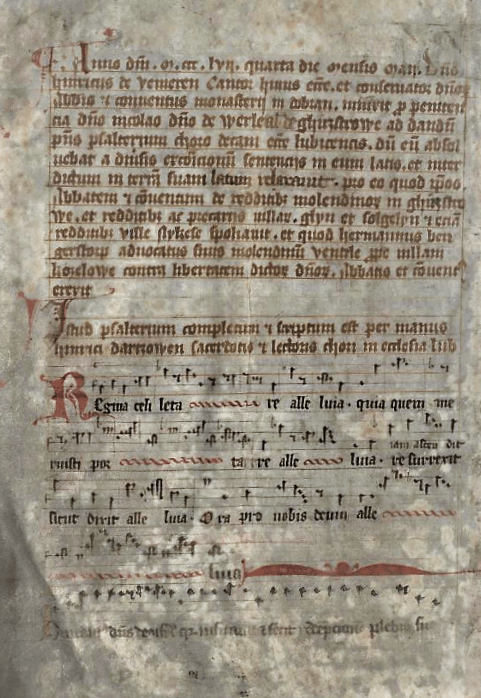
Regina Caeli

Regina caeli (Ecclesiastical Latin for Queen of Heaven) is a musical antiphon addressed to the Blessed Virgin Mary that is used in the liturgy of the Roman Rite of the Catholic Church during the Easter season, from Easter Sunday until Pentecost. During this season, it is the Marian antiphon that ends Compline (Night Prayer) and it takes the place of the traditional thrice-daily Angelus prayer. In the past, the spelling Regina coeli was sometimes used, but this spelling is no longer found in official liturgical books •


St. Dominic Catholic Church • Weekend Schedule

Saturday, April 13, 2024

3.00 p.m. Sacrament of Reconciliation – Fr. Jaime

5.00 p.m. Holy Mass (English) – Fr. Jaime

Sunday, April 14, 2024

7.30 a.m. Holy Mass (English) – Fr. Agustin E.

10.00 a.m. Holy Mass (English) – Fr. Agustin E.

12.30 p.m. Holy Mass (English) – Fr. Jaime P.

3.00 p.m. Santa Misa – P. Paco


III Domingo de Pascua (Ciclo B)

Francisco de Goya, El Entierro de la Sardina (1812), óleo sobre tela, Real Academia de San Fernando (Madrid)

Dice el Evangelio de este domingo, el tercero de Pascua, que los apóstoles no acababan de creer por la alegría.  Reír es propio de los seres humanos. Ninguna otra criatura se ríe. La risa es la manifestación más expresiva de la alegría interior. Algo que le nace de modo natural a quien vive disfrutando de la vida. Junto con la sonrisa, puede manifestar el gozo y la jovialidad de quien vive en paz consigo mismo, con los demás y con Dios. La risa ha estado, sin embargo, muchas veces bajo sospecha entre los cristianos. Reír era considerado, en algunas tradiciones ascéticas, poco digno de la seriedad y gravedad que ha de caracterizar a quien se relaciona con Dios (así como lo lees). Una manifestación excesivamente mundana, más propia de personas de vida relajada que de cristianos de fe madura. Sin embargo, resulta sorprendente con que la Biblia alude a la alegría en todos sus matices de gozo, paz interior, exultación o júbilo. Naturalmente hay muchos tipos de risa. Todos conocemos la risa irónica y burlona que pone al otro en ridículo, la risa sarcástica que hace daño, o la vengativa que hiere y destruye. La risa sana es diferente. Nace de la alegría interior, relaja las tensiones y favorece la libertad. Es risa benevolente que aproxima a las personas, crea confianza y ayuda a vivir. Freud decía que el humor es un elemento liberador. Y hay también una risa propia del creyente. Nace como respuesta gozosa al amor de Dios. Brota de la confianza total y expresa compasión y cariño hacia toda criatura. P. Berger la llama «risa redentora». Esta risa hace la vida más saludable y llevadera. Es una victoria sobre el malhumor, la impaciencia o el desaliento. No se ríen los fanáticos, los intolerantes o amargados. Se ríen los que se enfrentan a la vida de manera sana y liberada. Pascua ha sido desde antiguo un tiempo de gozo intenso. Tertuliano lo llamaba «laetissimum spatium», un espacio de tiempo lleno de inmensa alegría. Dos palabras resumen el clima que el Resucitado crea con su presencia: gozo y paz. Los apóstoles no acaban de creer por la alegría. Entoncs una de dos: o el cristianismo es demasiado grande y hermoso para ser creído, o hemos de recordar un día y  otro también aquellas palabras tan maravillosas de san Pablo: «Estad siempre alegres en el Señor. Os lo repito: estad alegres. El Señor está cerca» • AE


¿Qué lees éstos días?


Second Sunday of Easter (Sunday of Divine Mercy)

This week’s Gospel presents us with Doubting Thomas and our annual reflection on doubts and faith. It was easy for Thomas to believe in Jesus when he experience his healing, and when the words of the Lord burned within his own heart. It was difficult for Thomas to believe when his own world appeared to fall apart on Good Friday. Thomas doubted the Resurrection because he could not get pass the crucifixion. It is often the same with us. We are so torn up by many crises in our lives, that sometimes we cannot get pass those crises to an experience of the new life of Christ that is offered on Easter. We can be so torn up by the physical events of our lives that we close the door to the possibility of the spiritual. That is essentially what Thomas did. That is what we tend to do. It is a normal human reaction to suffering. It really does not mean that we do not believe in God. We are not even questioning his goodness, even when we shake our fist at heaven and shout, «How could you?» We just are being held back by the pain of physical life from recognizing the joy of the spiritual life. Many people persecute themselves for having these thoughts and wonder if God will forgive them. When you love someone, you are more concerned about their pain then you are about the way they express their pain. God loves us too much to be concerned with anything other than our pain. At the same time, he tells us to give him our pain and take a step out of physical suffering and a step into spiritual joy. That is really what Easter is about. Easter is all about entering into the spiritual. Easter is about the conquest of the physical by the spiritual. Easter is about life conquering death, love conquering hate, Jesus rising from a tomb, and us taking a step out of the physical and into the spiritual. Doubting is part of the human condition. It will exist in all our lives to some extent or other until the time that we see our God face to face. At that time the whole concept of doubt will be pointless. But until then, we recognize our humanity, and we humbly ask God to admit us as we are, human beings with human limitations, into his divinity.

Faith is the one gift that God promises will be given to all who seek it. But even if we were to have the faith of a saint, we would still have doubts. When Doubting Thomas made his act of faith, Jesus responded, «You believe because you have seen. Blessed are those who have not seen but believe.» Jesus was talking about us. He was calling us blessed because we have often taken a leap of faith and left the limitations of the physical for the infinite gifts of the spiritual. Remember Thomas had an experience of the Resurrected Jesus. We only have an experience of an empty tomb. We have not seen, but we believe. At the conclusion of his Gospel, John wrote: “All these things have been recorded to help you believe that Jesus is the Messiah, the Son of God, so that through this faith you might have life in his name.” Perhaps there are some people reading this who are experiencing intense doubt. The doubts that we suffer at various times of our lives, are not all that bad after all. The experience of doubt can lead us to take a more determined step into faith. No, not a step, a leap, a leap into the arms of the Lord who loves us with all our human limitations, including those that might question his very love • AE


St. Dominic Catholic Church

Second Sunday of Easter

Saturday, April 6, 2024

3.00 p.m. Sacrament of Reconciliation – Fr. Agustin

5.00 p.m. Holy Mass (English) – Fr. Agustin

Sunday, March 24, 2024

7.30 a.m. Holy Mass (English) – Fr. Agustin E.

10.00 a.m. Holy Mass (English) – Fr. Agustin E.

12.30 p.m. Holy Mass (English) – Fr. Jaime P.

3.00 p.m. Santa Misa – Fr. Jaime P.


II Domingo de Pascua

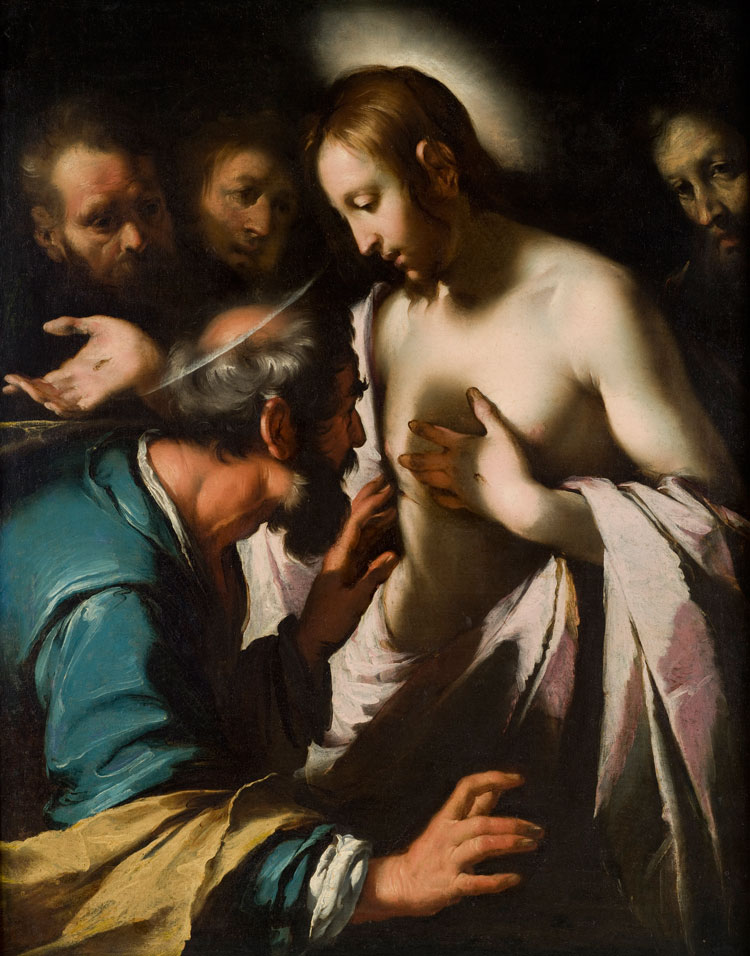
B. Strozzi, La Incredulidad de Tomás (1620), óleo sobre lienzo, Museo de Arte de Ponce (Puerto Rico)

En una carta escrita pocos meses antes de ser ejecutado por los nazis, Dietrich Bonhoeffer comentaba a un amigo el encuentro que había tenido en cierta ocasión con un joven pastor protestante. Ambos se planteaban qué es lo que querían hacer con su vida. El pastor afirmó con convicción: «Yo quisiera ser santo.» Bonhoeffer, por su parte, le escuchó con atención y dijo su deseo: «Yo quisiera aprender a creer.» Estas palabras del pueden ser en estos tiempos, una buena definición de un cristiano responsable: un hombre o mujer que desea aprender a creer, día a día, hasta el final de su vida.

Hoy en dia hay muchos que siquiera saben por dónde podrían encaminarse hacia Dios. Piensan que la única manera de consolidar su fe sería contando con pruebas verificables que los llevarían a comprobar científicamente a Dios. De lo contrario, la fe les parece un salto al vacío, propio de hombres y mujeres que, no se sabe bien por qué extraña ingenuidad, aceptan lo invisible como algo real. No entienden al grupo de apóstoles que creen a partir de la experiencia del encuentro con el Señor. Se identifican más con el discípulo Tomás que pide comprobar con sus propias manos y dedos la verdad del Resucitado. Pero Dios se vale también de ésto. Dios siempre nos sale al encuentro.

Dice Manaranche que los cristianos no creemos por razones, pero tenemos razones para creer. Es verdad. No creemos porque hemos logrado comprobar científicamente un dato al que llamamos Dios, sino porque conocemos la experiencia de sabernos absolutamente fundamentados, amados y perdonados… por ese Dios en el que nos atrevemos a creer.

Al final del día no sabemos si Tomás metió o no sus dedos en el costado de Jesús, lo que sí sabemos es que su fe despierta cuando se siente reclamado, amado y entendido por el misterio de su Maestro y Señor, por el misterio de Jesús Resucitado • AE

Adoro te devote es uno de los cinco himnos que Santo Tomás de Aquino compuso en honor de Jesús en el Santísimo Sacramento, a solicitud del Papa Urbano IV, con motivo de la Fiesta del Corpus Christi establecida en 1264. P. Cantalamesa afirma que existe una laude de Jacopone de Todi, compuesta en torno al año 1300, que contiene una clara alusión a la segunda estrofa del Adoro te devote: «Visus, tactus, gustus…». En ella Jacopone de Todi imagina una especie de «contienda» entre los distintos sentidos humanos a propósito de la Eucaristía: tres de ellos (la vista, el tacto y el gusto) dicen que aquello es solo pan, «solo el oído» se resiste, asegurando que «bajo estas formas visibles está escondido Cristo». El himno hace también una aliusión -preciosa por cierto- al apóstol Tomás, a propósito de la lectura del evangelio de éste Domingo ​• AE